
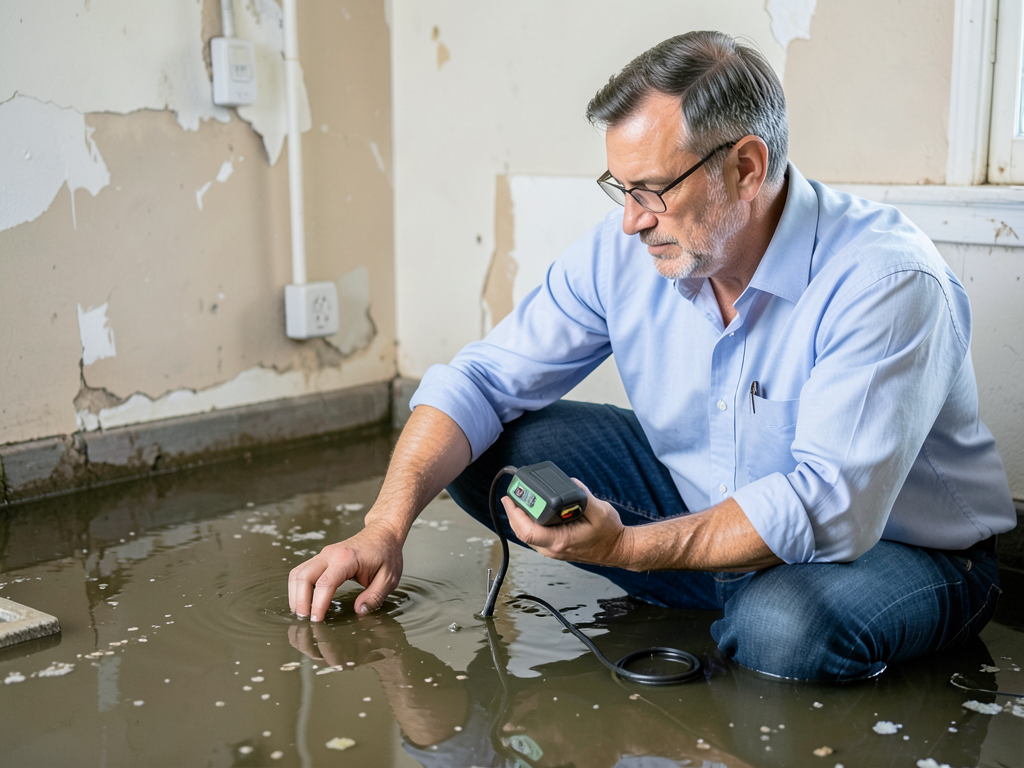
Why standard homeowners insurance might not cover your Pleasure Ridge Park basement flood
Your basement floods during a heavy rainstorm in Pleasure Ridge Park. The sump pump fails and water rises from the floor drain. You call your insurance company expecting help but they say your standard homeowners policy does not cover this damage. The adjuster explains that rising groundwater and sewer backup are specifically excluded from most Kentucky homeowners policies. What to do when your St. Matthews basement floods after a heavy rain.
This happens to PRP homeowners every year because the Ohio Valley’s heavy clay soil and high water table create conditions that standard insurance was never designed to handle. The distinction between what insurance covers and what actually causes basement flooding is critical for every PRP resident to understand before disaster strikes. Fast response flood cleanup services near Hikes Point and the Highlands.
PRP sits in a low-lying area where Mill Creek and smaller tributaries drain toward the Ohio River. The soil here is predominantly Ohio clay which absorbs water slowly and expands when wet. This creates hydrostatic pressure against basement walls and forces water through the path of least resistance – often through floor drains, cracks, or around the foundation. When the water table rises during heavy rains, it can exceed the capacity of your sump pump system.. Read more about What happens if you find water damage while selling your home in Portland?.
Standard homeowners insurance policies in Kentucky typically cover sudden and accidental damage from internal sources like burst pipes or appliance failures. They do not cover surface water flooding, groundwater seepage, or sewer backup. These exclusions exist because these events affect large areas and carry higher risk for insurance companies.. Read more about Why the Ohio River water levels matter for Chickasaw property owners.
According to the Kentucky Department of Insurance, approximately 80 percent of homeowners in flood-prone areas lack adequate flood coverage. In PRP specifically, the Louisville Metropolitan Sewer District reports that combined sewer overflow events increase by 40 percent during major storm events, overwhelming drainage systems built decades ago. Louisville Metropolitan Sewer District.
Understanding these coverage gaps is the first step toward protecting your home. The next sections explain exactly what your policy covers, what it excludes, and what additional protection you need for your PRP basement.
How PRP’s geography creates unique flood risks
PRP’s location near the Ohio River and its network of creeks creates specific flood vulnerabilities that differ from other Louisville neighborhoods. The area sits in what hydrologists call a “flat basin” where water collects rather than drains quickly.. Read more about What every Louisville landlord needs to know about tenant water damage in Poplar Level.
The Ohio Valley’s clay soil composition plays a major role in basement flooding. Clay particles are microscopic and pack tightly together, leaving little space for water to move through. When heavy rains saturate the ground, water has nowhere to go except up through foundation cracks or floor drains.. Read more about How to tell if your landscaping is actually flooding your Mockingbird Valley basement.
During the 2018 flash flood event in Louisville, PRP experienced some of the highest water accumulation rates in the county. The Louisville MSD recorded water levels rising at 0.8 inches per hour in some PRP neighborhoods, overwhelming both natural drainage and municipal systems.. Read more about Dealing with water damage in a Cherokee Gardens condo when the neighbors are involved.
The area’s aging infrastructure compounds these natural risks. Many PRP homes were built in the 1960s and 1970s with drainage systems designed for smaller storms. The Louisville building code at that time did not require backwater valves or secondary sump pumps in most residential construction. The most reliable storm damage repair team for Fern Creek and Highview residents.
PRP’s proximity to Mill Creek creates additional flood pathways. When the creek overflows its banks during major storms, it can back up into the municipal sewer system, forcing water back into connected basements through floor drains and toilets.
Understanding these geographic factors helps explain why your basement floods even when you have a working sump pump. The water is coming from multiple directions simultaneously – through the walls, up from the floor, and back through the drains.
What standard homeowners insurance actually covers
Standard Kentucky homeowners insurance policies are designed to cover sudden and accidental damage from specific perils. These policies typically cover damage from burst pipes, appliance overflows, and accidental water discharge from plumbing systems.
Your policy will likely cover damage if a washing machine hose bursts and floods your laundry room. It will also cover damage from a pipe that freezes and breaks during winter. These are considered “sudden and accidental” events that originate inside your home.
However, these same policies specifically exclude several common causes of basement flooding in PRP. The most significant exclusions are surface water flooding, groundwater seepage, and sewer backup. Insurance companies classify these as “gradual events” or “external water sources” that require separate coverage.
According to the Insurance Information Institute, water damage claims from external sources have increased by 30 percent nationwide over the past decade. This trend has made insurers more restrictive about what they will cover under standard policies.
Your PRP basement flood from a failed sump pump during heavy rain falls into the excluded category. The water originated from outside your home through the floor drain, not from an internal plumbing failure. This distinction is critical for your claim.
Many PRP homeowners discover these coverage gaps only after experiencing damage. By then, the 30-day waiting period for most flood insurance policies means they cannot get coverage until after the immediate threat has passed.
Understanding your policy’s actual coverage helps you make informed decisions about additional protection before the next storm hits.
The critical difference between flood insurance and water backup coverage
Many PRP homeowners confuse flood insurance with water backup coverage, but these are completely different products that address different types of water damage.
National Flood Insurance Program (NFIP) coverage, administered through FEMA, protects against surface water flooding. This includes water that enters your home from overflowing rivers, storm surge, or heavy rainfall that accumulates outside and enters through doors or windows. NFIP policies have a 30-day waiting period before coverage takes effect. National Flood Insurance Program.
Water backup coverage, also called sump pump failure coverage or sewer backup endorsement, is an add-on to your standard homeowners policy. This coverage specifically addresses water that backs up through sewers, drains, or sump pump failures. It covers damage from water that originates outside but enters through internal drainage systems.
In PRP, water backup coverage is often more relevant than NFIP coverage because most basement flooding occurs through floor drains and sump pump failures rather than surface flooding. The Louisville MSD reports that 65 percent of basement water damage claims in PRP involve sewer backup or sump pump failure rather than surface flooding.
The cost difference between these coverages is significant. NFIP policies in PRP typically cost $400 to $700 annually depending on your flood zone designation. Water backup endorsements usually cost $50 to $150 per year as an addition to your existing policy.. Read more about The dangerous difference between clean and contaminated water in your Park DuValle basement.
PRP residents need both types of coverage for complete protection. NFIP covers surface water that might enter through windows during extreme events, while water backup coverage handles the more common basement flooding through drains and sump pump failures.
How to check if you need additional flood protection
Determining whether you need additional flood protection starts with understanding your specific risk factors. PRP’s flood risks vary significantly by location, elevation, and proximity to water sources.
The Louisville MSD provides online flood maps that show high-risk areas based on historical flooding patterns and topography. PRP properties near Mill Creek or in low-lying areas generally face higher risks than those on elevated ground.
According to FEMA flood maps, portions of PRP fall within Zone X, which indicates moderate flood risk. However, local flooding patterns often differ from FEMA designations because the agency’s maps do not account for aging infrastructure or specific drainage issues in older neighborhoods.
Your home’s construction also affects your flood risk. Basements are inherently more vulnerable than slab foundations. Homes built before 1980 typically lack modern waterproofing features like exterior drain tile systems and foundation waterproofing membranes.
The age and condition of your sump pump system significantly impacts your risk level. Sump pumps typically last 7 to 10 years. A pump that is near the end of its lifespan or lacks a battery backup creates a major vulnerability during power outages that often accompany storms.
PRP’s history of basement flooding provides another risk indicator. Neighbors who have experienced basement flooding are likely in similar risk categories based on shared geography and infrastructure.
Consider your risk level like a medical diagnosis. Multiple risk factors mean you need stronger protection, while minimal risk factors might allow for basic coverage only.
Understanding the 30-day waiting period trap
One of the most common mistakes PRP homeowners make is waiting until flood season to purchase coverage. Most flood insurance policies, including NFIP and many water backup endorsements, have mandatory 30-day waiting periods before coverage becomes active.
This waiting period exists to prevent people from buying insurance only when a storm is approaching. Insurance companies need time to process applications, inspect properties, and assess risks before coverage begins.
In PRP, this creates a dangerous gap because storm season typically runs from March through September. If you wait until the first heavy rains to consider coverage, you will be unprotected during the most dangerous months.
The Louisville MSD reports that 70 percent of basement flooding in PRP occurs between May and August when summer thunderstorms bring intense rainfall over short periods. These storms often develop quickly, giving homeowners no time to react.
Many PRP residents learn about the waiting period the hard way. They experience minor basement flooding and decide to get coverage, only to discover they must wait a month before the policy becomes active. Meanwhile, another storm hits and causes additional damage.
The solution is to purchase coverage during the off-season when you are thinking clearly about risks rather than reacting to immediate threats. This ensures you have protection when you need it most.
Documenting water damage for insurance claims
Proper documentation of water damage significantly impacts your insurance claim outcome. Insurance adjusters rely on evidence to determine coverage eligibility and damage extent.
Start documenting immediately when you discover water damage. Take clear, well-lit photos of all affected areas before beginning any cleanup. Include wide shots showing the extent of flooding and close-ups of specific damage like water lines on walls or damaged flooring.
Time-stamp your photos using your phone’s date and time stamp feature. This creates a chronological record that proves when damage occurred. Insurance companies often question whether damage happened before or after a policy was in effect.
Create a detailed inventory of damaged items. List each item, its approximate age, original cost, and replacement cost. Include serial numbers for appliances and electronics when possible. This documentation helps establish the value of your claim.
Moisture mapping provides professional documentation that carries significant weight with insurance adjusters. Professional restoration companies use moisture meters to create detailed reports showing exactly where water penetrated and how far it spread through building materials. Professional Sewage Backup Cleaning and Sanitization in Jeffersontown.
According to the IICRC S500 standard for water damage restoration, proper documentation should include moisture readings at multiple depths, temperature and humidity readings, and a detailed scope of work. This level of documentation proves the extent of damage and justifies the restoration costs.
Professional documentation from a certified restoration company often results in higher claim settlements because it provides objective evidence that insurance adjusters cannot easily dispute.
Steps to take immediately after basement flooding
Acting quickly after basement flooding prevents additional damage and strengthens your insurance claim. The first 24 to 48 hours are critical for preventing mold growth and structural damage.. Read more about Essential tips for preventing frozen pipes in Audubon Park during Kentucky winters.
First, ensure safety before entering the flooded area. Turn off electricity to the affected area at the circuit breaker. Do not enter standing water if you cannot verify that power is disconnected. Water conducts electricity and creates electrocution hazards.
Second, stop the water source if possible. If the flooding is from a burst pipe, shut off the main water valve. If it is from external sources, you may need to wait for water levels to recede before taking further action.
Third, document everything before beginning cleanup. Take photos and videos of all affected areas. This documentation becomes crucial evidence for your insurance claim.
Fourth, begin water removal as quickly as possible. Use wet vacuums, pumps, or professional extraction equipment. The longer water sits, the more damage it causes and the higher the risk of mold growth. Finding the best mold removal experts in the Highlands and how they protect historic homes.
According to the EPA, mold can begin growing within 24 to 48 hours in damp conditions. PRP’s high summer humidity accelerates this process, making rapid response even more critical.
Fifth, contact your insurance company immediately to report the damage. Most policies require prompt notification of losses. Provide them with your documentation and ask about the claims process.
Professional water damage restoration companies can often begin mitigation while you are still on the phone with your insurance adjuster, preventing additional damage and speeding up the claims process.
Cost factors that affect your flood protection decisions
Several factors influence the cost of flood protection for PRP homeowners. Understanding these factors helps you make cost-effective decisions about coverage levels and prevention measures.
Your home’s elevation relative to surrounding areas significantly impacts insurance costs. Homes in lower areas face higher premiums because they have greater flood risk. PRP properties near Mill Creek or in natural drainage paths typically pay 20 to 30 percent more for flood coverage than those on higher ground.
The age and condition of your home’s drainage systems affect both your risk level and insurance costs. Older sump pumps, missing backwater valves, and deteriorated foundation waterproofing increase your premiums and your risk of flooding.
The amount of coverage you choose directly impacts your premium costs. NFIP policies offer standard coverage limits of $250,000 for building structure and $100,000 for personal property. Higher coverage limits increase premiums proportionally.
Your claims history also affects your insurance costs. Homes with previous water damage claims typically pay higher premiums because they are statistically more likely to experience future losses.
According to the National Association of Insurance Commissioners, PRP homeowners who invest in preventive measures like sump pump upgrades and foundation waterproofing can reduce their insurance premiums by 10 to 15 percent.
Investing in prevention often costs less than paying higher insurance premiums over time. Simple upgrades like battery backup systems for sump pumps can prevent expensive claims and reduce your long-term costs.
Common mistakes PRP homeowners make with flood insurance
PRP homeowners frequently make costly mistakes when dealing with flood insurance that can leave them underinsured or facing denied claims.
The most common mistake is assuming standard homeowners insurance covers all water damage. Many PRP residents discover this gap only after experiencing basement flooding and having their claim denied. This misunderstanding affects approximately 70 percent of first-time flood victims in the area.
Another frequent error is waiting until flood season to purchase coverage. The 30-day waiting period means coverage purchased in April provides no protection for May storms. PRP’s storm season creates a dangerous window where homeowners are unprotected.
Some homeowners purchase only the minimum required coverage without assessing their actual risk. PRP properties near Mill Creek or in low-lying areas often need higher coverage limits than the standard NFIP amounts provide.
Many PRP residents fail to document their belongings properly. Without detailed inventories and photos, insurance companies may undervalue personal property claims or deny coverage for items they cannot verify existed.
According to insurance industry data, PRP homeowners who work with restoration professionals during the claims process receive 30 percent higher settlements on average than those who handle claims independently.
Understanding these common mistakes helps you avoid the costly errors that leave other PRP homeowners facing expensive repairs and denied claims.
Working with restoration professionals during insurance claims
Professional restoration companies play a crucial role in the insurance claims process for PRP homeowners. Their expertise can mean the difference between a denied claim and full coverage for your damages.
Restoration professionals understand insurance company requirements for documentation and can provide the detailed reports that adjusters need. They use moisture meters, thermal imaging cameras, and other diagnostic tools to create comprehensive damage assessments.
According to the IICRC S500 standard, professional water damage restoration includes specific documentation requirements that insurance companies recognize. This documentation includes moisture readings at multiple depths, psychrometric readings, and detailed scopes of work that justify restoration costs.
Restoration companies can often begin mitigation work immediately while you are still coordinating with your insurance adjuster. This rapid response prevents additional damage and demonstrates to the insurance company that you are taking appropriate steps to minimize losses.
Many PRP restoration companies work directly with insurance companies and understand their documentation requirements. They can communicate in insurance terminology and provide the specific information adjusters need to process claims efficiently.
Professional restoration services also help prevent secondary damage like mold growth, which can complicate insurance claims. PRP’s high summer humidity creates ideal conditions for mold growth within 24 to 48 hours of water exposure.
Working with restoration professionals gives you access to their expertise in both damage mitigation and insurance claim processing, significantly improving your chances of full coverage for your losses.
Preventive measures that reduce your flood risk
Taking preventive measures can significantly reduce your flood risk and potentially lower your insurance premiums. These investments often pay for themselves by preventing expensive damage and reducing coverage costs.
Installing a battery backup system for your sump pump provides protection during power outages, which often accompany storms. PRP experiences frequent summer thunderstorms that can knock out power for hours while heavy rains continue. Battery backups cost $300 to $500 but can prevent thousands in damage.
Installing a backwater valve on your main sewer line prevents water from backing up through floor drains during municipal sewer overflows. The Louisville MSD reports that backwater valve installation reduces basement flooding risk by 60 percent in areas prone to sewer backup.
Improving exterior drainage around your foundation helps divert water away from your home. This includes extending downspout discharge pipes at least 6 feet from your foundation and ensuring the ground slopes away from your home.
According to the Louisville building code, proper grading requires a minimum 6-inch drop in elevation within the first 10 feet from your foundation. Many older PRP homes do not meet this standard, creating drainage problems.
Installing a secondary sump pump provides redundancy if your primary pump fails or cannot keep up with heavy water inflow. Dual pump systems cost $600 to $1,000 but provide peace of mind during major storm events.
Preventive measures work like insurance deductibles – they require upfront investment but can save you thousands in potential damage costs and reduce your long-term insurance premiums.
Understanding PRP’s flood history and patterns
PRP’s flood history provides valuable insights into your specific risk level and helps you prepare for future events. Understanding past flooding patterns helps you make informed decisions about protection and insurance.
PRP experienced significant flooding in 2018 when a slow-moving thunderstorm dropped 4 to 6 inches of rain over several hours. The Louisville MSD recorded water levels rising faster than drainage systems could handle, causing widespread basement flooding throughout the area.
Historical data shows that PRP’s flood risk peaks during three specific conditions: prolonged heavy rainfall, rapid snowmelt combined with rain, and severe thunderstorms with intense rainfall over short periods. These events overwhelm both natural drainage and municipal systems.
The area’s development patterns also affect flood risk. As PRP has grown, increased impervious surfaces like parking lots and buildings have reduced natural water absorption, increasing runoff into drainage systems.
According to the Louisville Floodplain Management Office, PRP’s flood risk is classified as moderate to high based on historical flooding patterns, soil conditions, and proximity to water sources. This classification affects insurance requirements and coverage availability.
PRP’s flood patterns also show seasonal variations. Spring and summer months bring the highest flood risk due to heavy rainfall and severe thunderstorms. Winter flooding risk increases during thaw cycles when frozen ground cannot absorb melting snow.
Understanding your area’s flood history helps you prepare for the specific conditions that cause basement flooding in PRP rather than relying on general flood risk information.
Making informed decisions about your PRP basement protection
Protecting your PRP basement requires understanding your specific risks and making informed decisions about insurance coverage and preventive measures. The right combination of coverage and prevention provides the best protection.
Start by assessing your actual risk level based on your home’s location, age, and construction features. PRP properties near Mill Creek or in low-lying areas face higher risks than those on elevated ground. Homes built before 1980 typically lack modern waterproofing features.
Consider your budget for both insurance premiums and preventive measures. While comprehensive coverage and upgrades cost more upfront, they often save money by preventing expensive damage and reducing long-term insurance costs.
According to insurance industry analysis, PRP homeowners who invest in both comprehensive insurance coverage and preventive measures experience 60 percent less financial impact from flooding events compared to those who rely on insurance alone.
Evaluate your tolerance for risk and potential disruption. Some PRP residents choose minimal coverage and accept the risk of occasional basement flooding. Others invest heavily in prevention and comprehensive coverage to minimize any flood impact.
Consider the value of your basement improvements and belongings. Finished basements with valuable contents require higher coverage limits than unfinished spaces with minimal contents.
The best protection strategy combines appropriate insurance coverage with targeted preventive measures based on your specific PRP property’s risk factors and your personal risk tolerance.
Frequently Asked Questions
Does standard homeowners insurance cover basement flooding in PRP?
No, standard Kentucky homeowners insurance typically excludes basement flooding from groundwater, surface water, and sewer backup. PRP’s clay soil and aging infrastructure make these exclusions particularly relevant for local homeowners.
How much does flood insurance cost in Pleasure Ridge Park?
NFIP policies in PRP typically cost $400 to $700 annually, while water backup endorsements cost $50 to $150 per year. Premiums vary based on your property’s flood zone designation, elevation, and claims history.
What’s the difference between flood insurance and water backup coverage?
Flood insurance covers surface water entering through doors and windows, while water backup coverage protects against water backing up through drains and sump pump failures. PRP homeowners need both for complete protection.
How long does it take for flood insurance to become active?
Most flood insurance policies, including NFIP and water backup endorsements, have a mandatory 30-day waiting period before coverage begins. This means you cannot wait until storm season to purchase protection.
What should I do immediately after my basement floods?
Ensure safety by turning off electricity, document all damage with photos before cleanup, begin water removal quickly to prevent mold, and contact your insurance company immediately to report the loss.
Can I file an insurance claim for a failed sump pump?
Standard homeowners policies exclude sump pump failures, but you can add water backup coverage as an endorsement. This coverage specifically addresses sump pump failures and sewer backup damage.
How can I reduce my flood insurance premiums in PRP?
Installing preventive measures like battery backup systems, backwater valves, and improved drainage can reduce premiums by 10 to 15 percent. Some insurance companies offer discounts for these improvements.
Should I hire a professional for water damage restoration?
Yes, professional restoration companies provide proper documentation that insurance companies require and can prevent secondary damage like mold growth. PRP’s high humidity makes rapid professional response critical.
Take action before the next storm hits
Understanding your PRP basement’s flood risks and insurance coverage gaps is crucial for protecting your home and finances. The combination of heavy clay soil, aging infrastructure, and seasonal storms creates conditions that standard insurance was never designed to handle.
Don’t wait until water is rising through your floor drains to discover that your policy won’t cover the damage. Take time now to review your coverage, assess your risk level, and consider additional protection before the next storm hits.
If you experience basement flooding, act quickly to document damage, begin mitigation, and work with restoration professionals who understand insurance requirements. Professional documentation and rapid response can mean the difference between a denied claim and full coverage for your losses.
Call (502) 370-2711 today to schedule your inspection. Our team understands PRP’s unique flood risks and can help you prepare for the next storm while working with your insurance company to ensure proper coverage for any damage that occurs.
{
“@context”: “https://schema.org”,
“@type”: “BlogPosting”,
“headline”: “Why standard homeowners insurance might not cover your Pleasure Ridge Park basement flood”,
“description”: “PRP homeowners face unique flood risks. Learn why standard policies exclude water damage and how to protect your basement from the Ohio Valley’s heavy rains.”,
“wordCount”: 4064,
“datePublished”: “2026-03-09T10:22:00.000Z”,
“dateModified”: “2026-03-09T10:22:00.000Z”,
“inLanguage”: “en-US”,
“mainEntityOfPage”: {
“@type”: “WebPage”,
“@id”: “https://elitewaterdamagerestorationlouisville.com”
},
“publisher”: {
“@type”: “LocalBusiness”,
“name”: “Elite Water Damage Restoration Louisville”,
“url”: “https://elitewaterdamagerestorationlouisville.com”
},
“author”: {
“@type”: “Organization”,
“name”: “Elite Water Damage Restoration Louisville”,
“url”: “https://elitewaterdamagerestorationlouisville.com”
},
“image”: {
“@type”: “ImageObject”,
“url”: “https://elitewaterdamagerestorationlouisville.com/wp-content/uploads/2026/03/why-standard-homeowners-insurance-might-not-cover-1.png”
}
}
{
“@context”: “https://schema.org”,
“@type”: “LocalBusiness”,
“name”: “Elite Water Damage Restoration Louisville”,
“url”: “https://elitewaterdamagerestorationlouisville.com”,
“address”: {
“@type”: “PostalAddress”,
“addressLocality”: “Louisville”
},
“areaServed”: {
“@type”: “City”,
“name”: “Louisville”
}
}
{
“@context”: “https://schema.org”,
“@type”: “FAQPage”,
“mainEntity”: [
{
“@type”: “Question”,
“name”: “Does standard homeowners insurance cover basement flooding in PRP?”,
“acceptedAnswer”: {
“@type”: “Answer”,
“text”: “No, standard Kentucky homeowners insurance typically excludes basement flooding from groundwater, surface water, and sewer backup. PRP’s clay soil and aging infrastructure make these exclusions particularly relevant for local homeowners.”
}
},
{
“@type”: “Question”,
“name”: “How much does flood insurance cost in Pleasure Ridge Park?”,
“acceptedAnswer”: {
“@type”: “Answer”,
“text”: “NFIP policies in PRP typically cost $400 to $700 annually, while water backup endorsements cost $50 to $150 per year. Premiums vary based on your property’s flood zone designation, elevation, and claims history.”
}
},
{
“@type”: “Question”,
“name”: “What’s the difference between flood insurance and water backup coverage?”,
“acceptedAnswer”: {
“@type”: “Answer”,
“text”: “Flood insurance covers surface water entering through doors and windows, while water backup coverage protects against water backing up through drains and sump pump failures. PRP homeowners need both for complete protection.”
}
},
{
“@type”: “Question”,
“name”: “How long does it take for flood insurance to become active?”,
“acceptedAnswer”: {
“@type”: “Answer”,
“text”: “Most flood insurance policies, including NFIP and water backup endorsements, have a mandatory 30-day waiting period before coverage begins. This means you cannot wait until storm season to purchase protection.”
}
},
{
“@type”: “Question”,
“name”: “What should I do immediately after my basement floods?”,
“acceptedAnswer”: {
“@type”: “Answer”,
“text”: “Ensure safety by turning off electricity, document all damage with photos before cleanup, begin water removal quickly to prevent mold, and contact your insurance company immediately to report the loss.”
}
},
{
“@type”: “Question”,
“name”: “Can I file an insurance claim for a failed sump pump?”,
“acceptedAnswer”: {
“@type”: “Answer”,
“text”: “Standard homeowners policies exclude sump pump failures, but you can add water backup coverage as an endorsement. This coverage specifically addresses sump pump failures and sewer backup damage.”
}
},
{
“@type”: “Question”,
“name”: “How can I reduce my flood insurance premiums in PRP?”,
“acceptedAnswer”: {
“@type”: “Answer”,
“text”: “Installing preventive measures like battery backup systems, backwater valves, and improved drainage can reduce premiums by 10 to 15 percent. Some insurance companies offer discounts for these improvements.”
}
},
{
“@type”: “Question”,
“name”: “Should I hire a professional for water damage restoration?”,
“acceptedAnswer”: {
“@type”: “Answer”,
“text”: “Yes, professional restoration companies provide proper documentation that insurance companies require and can prevent secondary damage like mold growth. PRP’s high humidity makes rapid professional response critical.”
}
}
]
}
{
“@context”: “https://schema.org”,
“@type”: “BreadcrumbList”,
“itemListElement”: [
{
“@type”: “ListItem”,
“position”: 1,
“name”: “Home”,
“item”: “https://elitewaterdamagerestorationlouisville.com”
},
{
“@type”: “ListItem”,
“position”: 2,
“name”: “Blog”,
“item”: “https://elitewaterdamagerestorationlouisville.com/blog”
},
{
“@type”: “ListItem”,
“position”: 3,
“name”: “Why standard homeowners insurance might not cover your Pleasure Ridge Park basement flood”
}
]
}
{
“@context”: “https://schema.org”,
“@type”: “Service”,
“serviceType”: “Water Damage Restoration”,
“provider”: {
“@type”: “LocalBusiness”,
“name”: “Elite Water Damage Restoration Louisville”,
“url”: “https://elitewaterdamagerestorationlouisville.com”
},
“areaServed”: {
“@type”: “City”,
“name”: “Louisville”
},
“description”: “PRP homeowners face unique flood risks. Learn why standard policies exclude water damage and how to protect your basement from the Ohio Valley’s heavy rains.”
}