


Menu

Large Scale Water Extraction in Louisville – Industrial-Grade Solutions That Keep Your Business Running

When flooding threatens your facility, Elite Water Damage Restoration Louisville deploys truck-mounted extraction systems and high volume water pumping equipment to remove thousands of gallons per hour, protecting inventory, equipment, and operational timelines.

Slider Image 1
Slider Image 2
Slider Image 3
Slider Image 4
Slider Image 5
Slider Image 7
Slider Image 8
Slider Image 9
Slider Image 10
Slider Image 11

Why Louisville Facilities Face Catastrophic Water Events

Louisville sits at the confluence of the Ohio River and multiple tributaries, creating a permanent flood risk for warehouses, manufacturing plants, and distribution centers in low-lying industrial zones near Rubbertown and the Port of Louisville. Spring storms dump rain faster than aging stormwater infrastructure can handle, backing up into loading docks and first-floor operations.

The city's clay-heavy soil does not drain. Water pools on parking lots, seeps through foundation cracks, and floods basements during prolonged rain events. Add the Ohio River's seasonal fluctuations, and you face a scenario where groundwater pressure pushes moisture through slab foundations in older industrial buildings south of Broadway.

Large loss water mitigation is not optional for businesses operating in flood-prone zones. A single event can destroy six-figure inventory, halt production lines, and trigger business interruption claims that take months to settle. Commercial water removal requires industrial water extraction equipment that residential-grade pumps cannot match. You need capacity, speed, and operators who understand the stakes.

When a water main ruptures in your facility or a roof fails during a downpour, you lose money every hour extraction is delayed. Insurance adjusters calculate losses based on downtime. The faster you extract standing water and begin drying structural components, the faster you return to revenue-generating operations. Louisville's humid climate accelerates secondary damage, making speed the primary variable in loss mitigation.

Why Louisville Facilities Face Catastrophic Water Events
How Truck-Mounted Extraction Systems Handle High Volume Water Removal

How Truck-Mounted Extraction Systems Handle High Volume Water Removal

Bulk water removal services deploy trailer-mounted and truck-mounted extractors that generate vacuum power residential equipment cannot approach. These systems pull water through large-bore intake hoses at rates exceeding 500 gallons per minute, clearing flooded spaces in hours instead of days.

We position intake manifolds in the deepest water zones, running multiple hoses to a central vacuum source. Extracted water discharges directly into storm drains or holding tanks, eliminating the constant bucket-dumping that bottlenecks portable extractors. For multi-level facilities, we stage pumps on each floor, creating extraction zones that work simultaneously.

High volume water pumping handles standing water. Once depths drop below extraction thresholds, we transition to weighted wands and floor-specific tools that pull moisture from carpet backing, tile grout lines, and concrete pores. Air movers and commercial dehumidifiers deploy immediately behind extraction crews, accelerating evaporation before microbial growth begins.

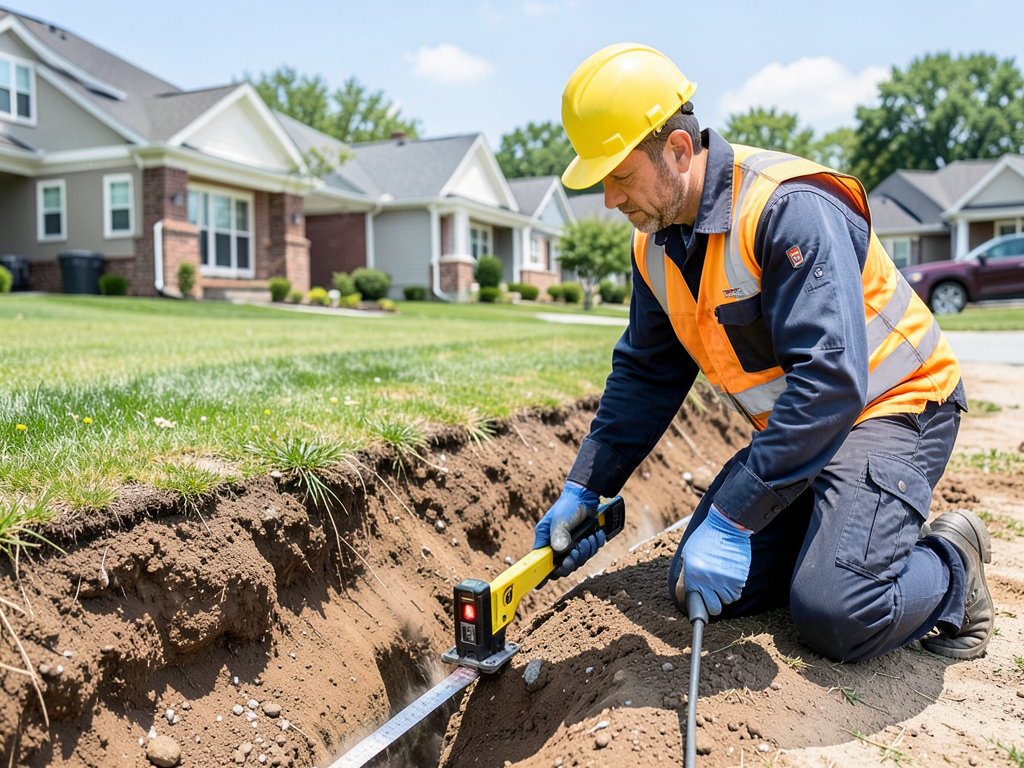
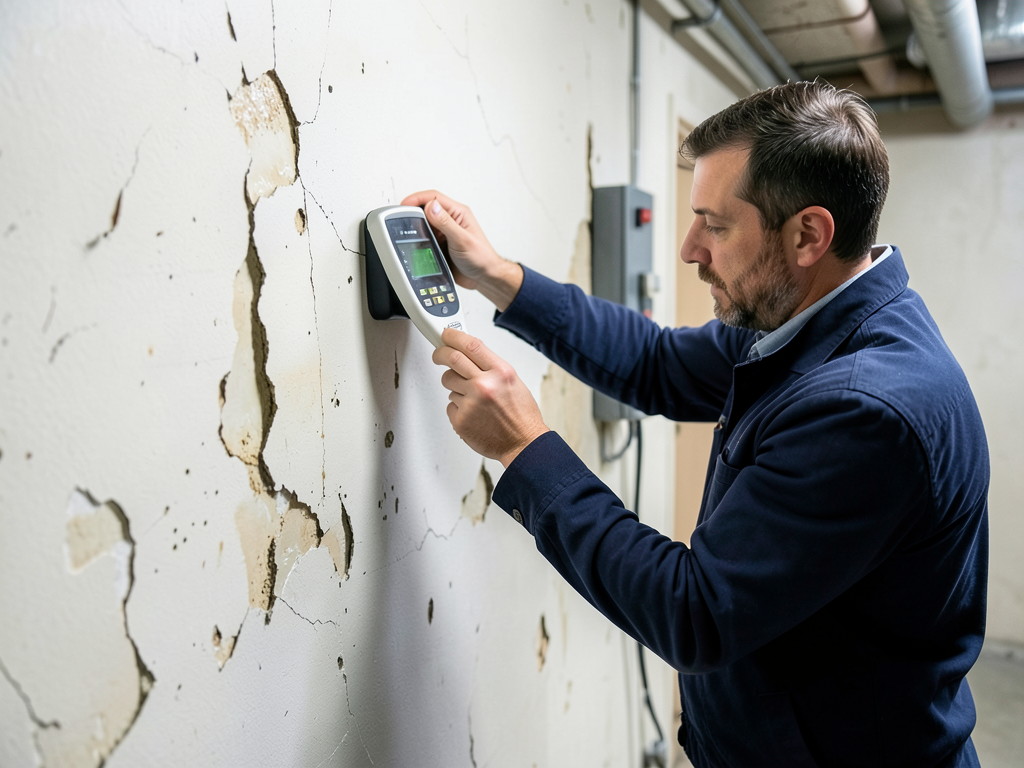
Industrial water extraction accounts for building materials. Concrete absorbs water slowly and releases it slower. We use thermal imaging to map moisture migration through walls and flooring, placing drying equipment based on moisture content readings, not guesswork. This prevents the common error of declaring a space dry while moisture remains trapped in structural components.

For cold storage facilities and food processing plants, we coordinate extraction with refrigeration system shutdowns to prevent equipment damage. Manufacturing environments require contamination protocols that residential jobs do not. We contain extraction zones, control air pressure differentials, and document every phase for insurance and regulatory compliance.

The Large Scale Extraction Protocol

Large Scale Water Extraction in Louisville – Industrial-Grade Solutions That Keep Your Business Running
01

Emergency Assessment and Staging

We arrive with industrial water extraction equipment already loaded and operationally ready. The first technician on-site maps water depths, identifies contamination sources, and determines electrical safety before equipment deployment. We establish pump staging areas that do not interfere with your operations or block emergency access routes. Extraction begins within minutes of arrival, not hours.
02

Continuous High Volume Pumping

Truck-mounted systems run continuously, pulling water from intake manifolds positioned in standing water zones. Operators monitor vacuum pressure, adjust hose placement as water levels drop, and coordinate discharge logistics with site management. For contaminated water events, we manage hazardous material protocols and containment procedures. Extraction does not stop until standing water is eliminated and moisture readings reach acceptable thresholds.
03

Structural Drying and Documentation

After bulk water removal services complete the extraction phase, commercial-grade air movers and dehumidifiers maintain controlled drying conditions. We monitor moisture content in structural materials using calibrated meters, adjusting equipment placement based on data, not assumptions. You receive daily progress reports with photographic documentation and moisture readings required for insurance claims and operational clearance. Drying continues until materials return to pre-loss moisture levels.

Why Louisville Businesses Choose Elite Water Damage Restoration Louisville

We maintain equipment capacity that handles multiple simultaneous large loss water mitigation projects across the Louisville metro. When the Ohio River floods or severe storms hit multiple commercial properties, you do not wait in a queue while water destroys your assets. Our truck-mounted extractors deploy immediately, staffed by technicians trained in industrial environments, not just residential basements.

Louisville's commercial districts include historic buildings with solid masonry construction, modern tilt-up concrete warehouses in the southwest industrial corridor, and mixed-use developments downtown. Each building type requires different extraction strategies and drying protocols. We adjust methods based on construction materials, not cookie-cutter procedures.

We work directly with commercial insurance adjusters who handle large loss claims. You receive documentation formatted for commercial policies, including detailed equipment logs, moisture mapping reports, and photographic evidence of mitigation efforts. This speeds claim processing and reduces disputes over coverage.

Facilities operating under FDA, OSHA, or Louisville Metro Health Department oversight face regulatory requirements that residential water damage does not trigger. We document contamination control measures, maintain chain-of-custody logs for affected materials, and coordinate with environmental consultants when wastewater or chemical contamination is present.

Your business operates on schedules measured in shifts, production quotas, and delivery commitments. We coordinate extraction and drying activities around your operational requirements, staging equipment to minimize disruption and scheduling high-noise phases during non-production hours when possible. The goal is restoring functionality, not just removing water.

What Your Facility Manager Should Expect

Immediate Deployment and Equipment Capacity

We dispatch truck-mounted extraction systems within two hours of your call, arriving with sufficient capacity to handle large volume flooding without equipment shortages. Our inventory includes backup units that deploy if initial assessments reveal greater water volumes than reported. You do not wait days for equipment rental or additional crews. Extraction begins immediately upon arrival, with operators running equipment in continuous shifts until standing water is removed and structural drying equipment is positioned.

Site-Specific Extraction Planning

The project manager walks your facility before equipment deployment, identifying electrical panels, sensitive equipment zones, and contamination risks that affect extraction methods. You receive a written scope outlining extraction phases, equipment placement, expected timelines, and operational impacts. This assessment accounts for your building's construction, contents at risk, and any regulatory requirements specific to your industry. We adjust strategies based on your feedback and operational constraints, not generic water removal procedures.

Documented Progress and Insurance Coordination

You receive daily reports with moisture readings, photographic documentation, and equipment logs formatted for commercial insurance claims. These reports track drying progress in measurable terms, showing moisture content reduction in structural materials over time. We communicate directly with your insurance adjuster, providing technical data that supports your claim and eliminates disputes over mitigation necessity. Documentation meets industry standards for large loss claims, expediting approval and payment processes.

Post-Extraction Building Readiness

Structural drying continues until moisture meters confirm materials have returned to acceptable levels for reconstruction or reoccupancy. We provide clearance documentation that certifies your facility meets moisture thresholds required by building codes and insurance policies. This documentation protects you from future liability if microbial growth appears months later due to incomplete drying. You receive recommendations for repairs, waterproofing improvements, and maintenance practices that reduce future flooding risk based on conditions observed during extraction.

Frequently Asked Questions

You Have Questions,
We Have Answers

How to purify water on a large scale? +

Large scale water purification for commercial facilities in Louisville requires multi-stage filtration systems. Start with coagulation and flocculation to remove suspended particles, followed by sedimentation tanks. Use activated carbon filters to eliminate organic compounds and chlorine. Install reverse osmosis or UV sterilization for final disinfection. Louisville businesses must comply with Kentucky Division of Water regulations. Industrial sites near the Ohio River face unique sediment challenges requiring pre-filtration. Regular testing ensures compliance with local water quality standards. Professional restoration companies use truck-mounted extraction and industrial air movers to remove contaminated water before purification begins.

What is the machine that extracts water? +

Commercial water extraction relies on truck-mounted extractors and portable extraction units. Submersible pumps handle standing water in flooded basements and crawl spaces. Weighted extraction tools remove water from carpets and upholstery. Industrial wet vacuums collect smaller volumes efficiently. Louisville commercial properties often require trailer-mounted extractors for parking garages and warehouse floors. High-powered axial air movers work alongside extraction equipment to accelerate drying. Professional restoration teams deploy multiple machines simultaneously to minimize business downtime. The equipment choice depends on water volume, contamination level, and affected materials. Quick extraction prevents secondary damage and mold growth.

What is the definition of large scale water purification? +

Large scale water purification involves treating thousands of gallons for industrial, commercial, or municipal use. The process removes contaminants, pathogens, and dissolved solids through mechanical and chemical methods. Systems include sedimentation basins, sand filters, activated carbon units, and disinfection chambers. For Louisville businesses recovering from floods or pipe failures, large scale extraction precedes any purification effort. The term applies to water treatment plants, bottling facilities, and food processing operations. Commercial properties need extraction capacity that handles high volumes quickly to prevent structural damage. Professional restoration teams measure water volume in cubic feet to determine equipment requirements.

What is excessive water extraction? +

Excessive water extraction occurs when businesses remove groundwater faster than natural recharge rates. This depletes aquifers and causes land subsidence. In restoration contexts, excessive extraction means incomplete water removal that leaves moisture trapped in building materials. Louisville commercial properties with clay soil face settling issues when groundwater levels drop too rapidly. Professional restoration teams use moisture meters to verify complete extraction without over-drying materials. Inadequate extraction leads to mold growth within 48 hours. Commercial facilities must balance thorough water removal with structural considerations. Proper extraction prevents secondary damage while maintaining building integrity and minimizing business interruption.

How to purify 100 gallons of water? +

Purifying 100 gallons requires a multi-barrier approach. Filter sediment using 5-micron cartridge filters, then treat with activated carbon to remove chemicals and odors. Add chlorine dioxide or calcium hypochlorite for disinfection, following manufacturer dosing instructions. Let water sit for 30 minutes before use. Louisville businesses handling food service or healthcare need NSF-certified filtration systems. For restoration purposes, extracted water goes to approved disposal sites rather than purification. Commercial facilities recovering from water damage focus on structural drying, not water reclamation. Professional teams prioritize fast extraction and proper disposal to meet health department requirements and minimize downtime.

Can you drink any water with LifeStraw? +

LifeStraw filters bacteria and parasites from natural water sources but does not address chemical contaminants or heavy metals. The device works for emergency personal use, not commercial water restoration. Louisville businesses facing flood damage need industrial extraction equipment, not consumer filtration products. Contaminated water from sewage backups or chemical spills requires professional remediation and disposal. LifeStraw cannot handle the volume or contamination levels in commercial water damage scenarios. Professional restoration teams classify water as clean, gray, or black water, each requiring specific handling protocols. Commercial properties need EPA-compliant disposal methods and industrial-grade extraction to protect employees and meet liability requirements.

How do the Amish collect water? +

Amish communities in Kentucky use hand-dug wells, windmill pumps, and gravity-fed spring systems. They collect rainwater in cisterns for household use and livestock. Manual pitcher pumps draw water from shallow wells without electricity. This traditional approach does not apply to commercial water damage restoration in Louisville. Businesses need rapid, high-volume extraction using truck-mounted equipment and commercial dehumidifiers. Professional restoration teams deploy gas-powered generators when electrical systems fail. Commercial facilities cannot afford the time required for manual water removal. Modern extraction equipment processes thousands of gallons per hour, preventing structural damage and minimizing business interruption that manual methods cannot achieve.

Is RO safe for kidneys? +

Reverse osmosis water is safe for kidneys when consumed as part of a balanced diet. RO removes minerals along with contaminants, creating demineralized water. Healthy kidneys easily handle mineral-depleted water, but individuals should maintain varied nutrition. This question relates to drinking water, not commercial water damage restoration in Louisville. Businesses recovering from floods focus on extraction and structural drying, not water purification for consumption. Professional restoration teams remove contaminated water to approved disposal sites. Commercial facilities need fast extraction to prevent mold growth and structural damage. The restoration priority is removing water quickly and thoroughly, not creating potable water from extracted contamination.

What are the methods of extracting water? +

Commercial water extraction uses submersible pumps for deep standing water, weighted extractors for carpets, and truck-mounted vacuum systems for high-volume removal. Professionals deploy squeegees and push brooms to direct water toward extraction points. Injectextract tools remove water from wall cavities and flooring. Louisville commercial properties benefit from trailer-mounted extractors that handle parking structures and loading docks. Dehumidifiers pull moisture from air after initial extraction. Moisture mapping with infrared cameras identifies hidden water pockets. Professional teams combine multiple methods simultaneously to maximize extraction speed. Fast response prevents secondary damage and reduces business downtime compared to single-method approaches.

How to remove large amounts of water? +

Removing large water volumes requires truck-mounted extractors and submersible trash pumps rated for commercial use. Position pumps at the lowest point and create drainage channels using push brooms. Extract water from porous materials using weighted tools and air movers. Louisville businesses with basement flooding need sump pump systems and exterior drainage improvements. Professional restoration teams deploy multiple extraction units simultaneously to speed removal. Remove damaged materials that cannot be dried within 48 hours. Monitor progress with moisture meters to verify complete extraction. Commercial facilities must document water removal for insurance claims and maintain detailed drying logs to prevent mold liability.

How Louisville's Flood Zone Regulations Impact Commercial Water Extraction

Louisville Metro operates under FEMA flood zone designations that classify much of the industrial corridor along the Ohio River and tributaries as high-risk areas. Commercial properties in these zones face mandatory flood insurance requirements and building code provisions that affect post-flooding restoration. Large scale water extraction projects in these areas must document mitigation efforts to support insurance claims and demonstrate compliance with floodplain management ordinances. Facilities that fail to properly extract and dry structural components after flooding risk policy cancellations and increased premiums during renewal periods.

Elite Water Damage Restoration Louisville maintains relationships with commercial insurance adjusters, industrial property managers, and environmental consultants who handle large loss claims in the Louisville metro. We understand the documentation requirements that distinguish residential water damage from commercial large loss water mitigation. Our technicians complete continuing education in contaminated water handling, industrial drying protocols, and commercial building systems. This local expertise ensures your facility receives extraction services that meet insurance standards, regulatory requirements, and operational timelines specific to Louisville's commercial real estate environment.

Water Damage Services in The Louisville Area

Elite Water Damage Restoration is proud to serve the entire Louisville metropolitan area and surrounding communities. We are committed to providing top-tier water damage solutions to all residents and businesses in our service region. Feel free to explore our service map to confirm your location is within our coverage area or simply give us a call to discuss your specific needs. Our team is ready to help restore your property with speed and professionalism.

Address:
Elite Water Damage Restoration Louisville, 1000 E Kentucky St., Louisville, KY, 40204

Additional Services We Offer

Our news updates

Latest Articles & News from The Blogs

Why those rubber washing machine hoses are a ticking time bomb for your Fern Creek laundry room Every year thousands…

Why those rubber washing machine hoses are a ticking time bomb for your Fern Creek laundry room

Why those rubber washing machine hoses are a ticking time bomb for your Fern Creek laundry room Every year thousands…

Keeping your pets safe from mold and bacteria after a Louisville basement leak

Keeping Your Pets Safe from Mold and Bacteria After a Louisville Basement Leak A basement leak in Louisville creates immediate…

What to do in the first hour after finding a flood in your J-town home

What to do in the first hour after finding a flood in your J-town home Finding water pouring into your…

Contact Us

Every hour of standing water increases losses and extends downtime. Elite Water Damage Restoration Louisville deploys truck-mounted extraction systems immediately. Call (502) 370-2711 now to dispatch industrial-grade water removal equipment to your facility.