



Menu

Preventative Waterproofing Tips in Louisville – Protect Your Home Before Damage Strikes

Learn proven DIY waterproofing techniques and moisture control best practices designed specifically for Louisville's high-humidity climate and seasonal rainfall patterns to stop water damage before it starts.

Slider Image 1
Slider Image 2
Slider Image 3
Slider Image 4
Slider Image 5
Slider Image 7
Slider Image 8
Slider Image 9
Slider Image 10
Slider Image 11

Why Louisville Homes Face Unique Water Intrusion Risks

Louisville's location along the Ohio River creates a perfect storm for water damage. The city experiences an average of 45 inches of rainfall annually, with heavy spring storms and humid summers that keep moisture levels high year-round. This constant exposure creates relentless pressure on your home's envelope.

The local clay soil compounds the problem. During wet seasons, clay expands and pushes against foundation walls. When it dries, it contracts and pulls away, creating gaps where water can enter. This cycle repeats every year, slowly degrading your basement waterproofing and creating pathways for seepage.

Add in Louisville's historic neighborhoods with older homes in areas like Old Louisville and the Highlands, and you find housing stock with aging mortar, outdated drainage systems, and foundation settling issues. These homes were not built with modern moisture barriers or French drain systems. Many still have limestone foundations that wick moisture directly into basements.

Temperature swings create another challenge. Winter freeze-thaw cycles crack concrete and open up masonry joints. Spring rains then exploit these openings. Without a comprehensive home waterproofing maintenance guide tailored to these conditions, you are reacting to damage instead of preventing it.

The good news is that proactive water sealing methods work. By understanding Louisville's specific climate challenges and implementing moisture control best practices before problems emerge, you can protect your investment and avoid the expensive remediation costs that come with reactive repairs.

Why Louisville Homes Face Unique Water Intrusion Risks
The Science Behind Effective Water Damage Prevention

The Science Behind Effective Water Damage Prevention

Effective waterproofing is not about slapping on a coat of sealant and hoping for the best. It requires understanding hydrostatic pressure, capillary action, and vapor drive. These three forces work together to push moisture through even the smallest openings in your home's structure.

Hydrostatic pressure builds up when groundwater accumulates against your foundation. Even a few inches of water creates thousands of pounds of lateral force against basement walls. This pressure finds cracks, cold joints, and tie rod holes. Your first line of defense is proper grading and drainage to eliminate this pressure before it becomes a problem.

Capillary action draws moisture up through porous materials like concrete block, brick, and uncoated concrete. Think of it like a sponge wicking water upward. This is why basements feel damp even without visible leaks. The solution is a capillary break using waterproof coatings or membranes that stop this wicking action.

Vapor drive occurs when warm, humid air contacts cool foundation walls. The moisture condenses and creates dampness that promotes mold growth and material degradation. Proper ventilation and vapor barriers address this issue.

Elite Water Damage Restoration Louisville approaches prevention with a complete water damage prevention checklist that addresses all three forces. We evaluate your property's vulnerability, identify the specific mechanisms allowing moisture intrusion, and recommend targeted solutions. This might include exterior grading modifications, interior drainage systems, sump pump installation, or applied waterproof membranes. Each home requires a different combination based on its construction, age, and site conditions.

Your Path to a Dry, Protected Home

Preventative Waterproofing Tips in Louisville – Protect Your Home Before Damage Strikes
01

Property Assessment

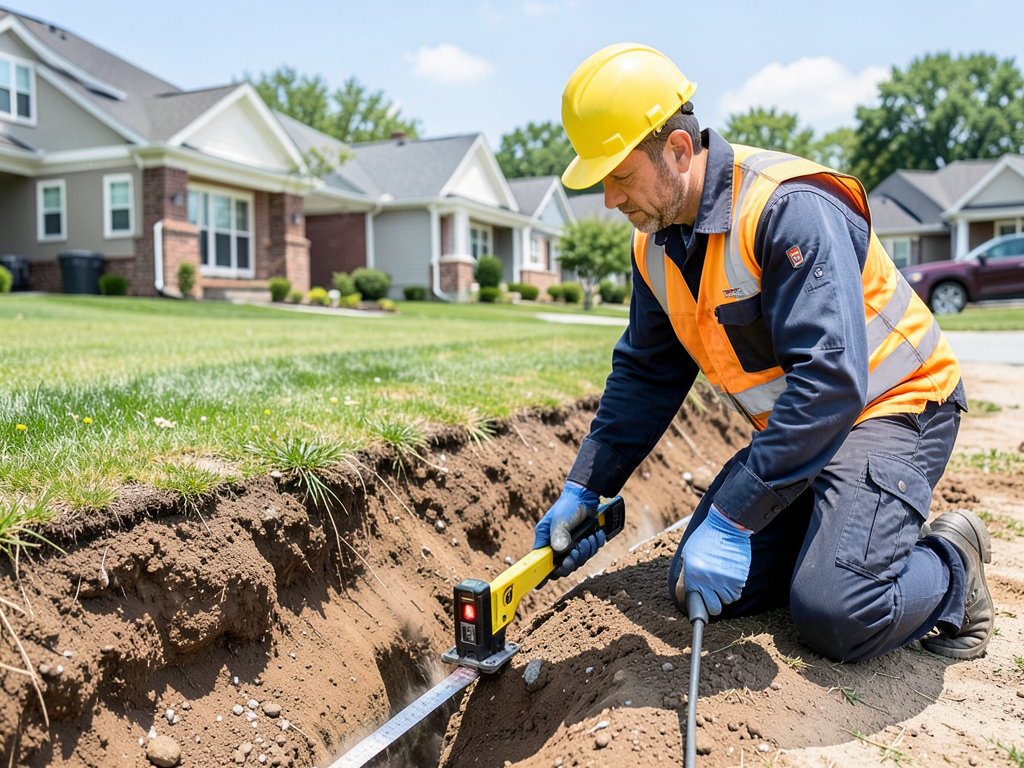
We start with a comprehensive exterior and interior inspection of your property. This includes checking foundation walls for cracks and efflorescence, evaluating grade and drainage patterns, inspecting downspouts and gutters, and assessing basement moisture levels with calibrated hygrometers. We identify your specific vulnerability points and document current conditions with photos and moisture readings.
02

Customized Prevention Plan

Based on your assessment, we develop a prioritized action plan. This includes both immediate DIY waterproofing techniques you can implement yourself and professional-grade solutions that require specialized equipment or expertise. We explain which issues pose the highest risk and provide realistic timelines and maintenance schedules. You receive a written plan with specific product recommendations and step-by-step instructions.
03

Ongoing Monitoring

Prevention is not a one-time event. We provide seasonal maintenance checklists and warning signs to watch for. You learn how to monitor your sump pump operation, check drainage systems after heavy rains, and spot early indicators of foundation movement or moisture intrusion. This ongoing vigilance catches small problems before they become expensive disasters.

Why Louisville Homeowners Trust Local Waterproofing Knowledge

Generic waterproofing advice from national websites does not account for Louisville's specific conditions. A basement waterproofing strategy that works in Phoenix fails here because that city gets 8 inches of rain per year. We get 45 inches. The soil is different. The water table is different. The construction methods are different.

Local expertise matters because we understand Louisville's microclimates. Homes in the Highlands face different challenges than properties in Jeffersontown. Areas near Beargrass Creek require different drainage solutions than homes on higher ground in Anchorage. We know which neighborhoods have high water tables, where clay soil is most problematic, and how local building codes evolved over the decades.

Elite Water Damage Restoration Louisville has worked on homes throughout Jefferson County. We have seen the consequences of DIY fixes that ignored local conditions. We have repaired damage caused by contractors who applied cookie-cutter solutions without understanding Louisville's climate. This experience informs our recommendations.

We also understand local building code requirements. Louisville requires specific foundation drainage standards for new construction, and the Metropolitan Sewer District has strict regulations about where you can discharge sump pump water. Our guidance keeps you compliant while protecting your home.

Our moisture control best practices reflect years of working in Louisville's humidity. We know which vapor barriers perform best in our climate, which sealants withstand our temperature swings, and which drainage solutions handle our rainfall intensity. This knowledge translates directly into recommendations that work long-term, not just for a season.

When you implement our water damage prevention checklist, you are using strategies proven on hundreds of Louisville properties, not generic advice from a national call center.

What Your Waterproofing Consultation Includes

Same-Week Availability

We schedule preventative consultations within days, not weeks. You call, we set an appointment, and we show up on time. The assessment takes 60 to 90 minutes depending on your home's size and complexity. We work around your schedule, including weekend appointments. You are not waiting for a corporate franchise to fit you into a monthly route. We serve Louisville homeowners who want answers now, not next month when the next rainstorm has already caused damage.

Detailed Vulnerability Analysis

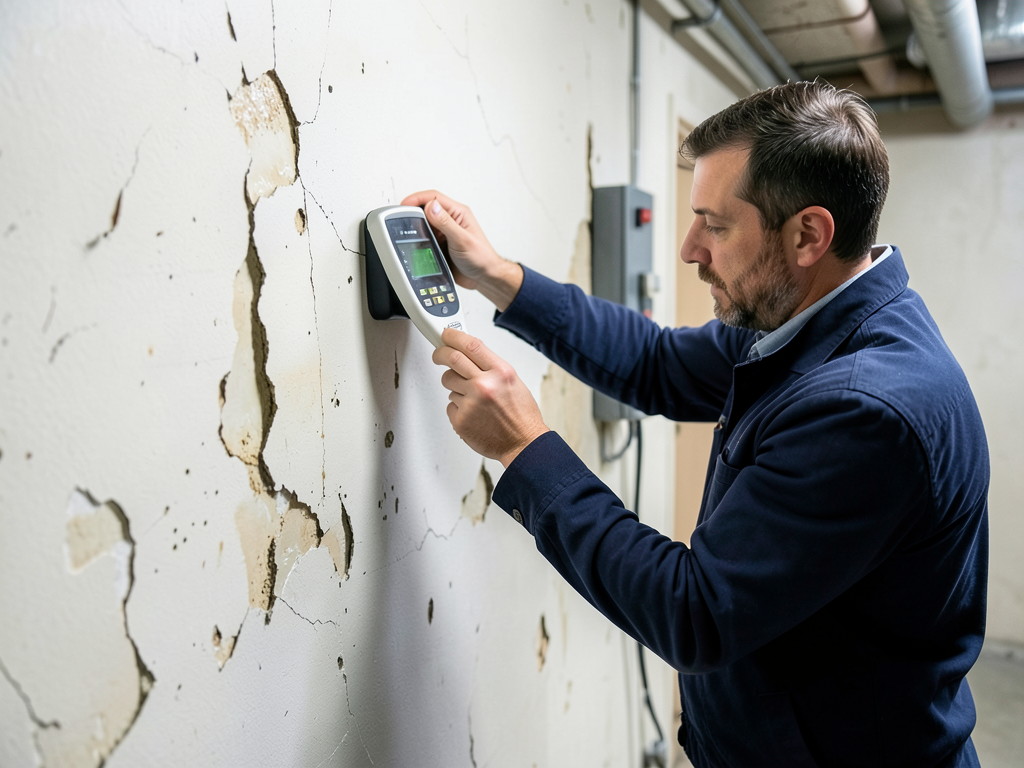
Our assessment goes beyond a quick walkthrough. We use moisture meters to detect hidden dampness in walls and floors. We inspect crawl spaces and attics where moisture problems often start. We evaluate your property grading with a laser level to identify drainage issues invisible to the naked eye. You receive a written report documenting current conditions, identified risks, and specific corrective actions. This report includes photos and moisture readings so you have documentation for insurance purposes if needed.

Actionable Solutions

We provide clear, prioritized recommendations you can act on immediately. Some fixes are simple DIY projects like extending downspouts or improving gutter maintenance. Others require professional installation like French drains or sump pump systems. We explain the trade-offs, expected lifespan, and maintenance requirements for each solution. You understand exactly what each option accomplishes and why it matters for your specific property. No pressure, no upselling. Just honest guidance about what protects your home most effectively.

Long-Term Prevention Strategy

We provide seasonal maintenance checklists customized to your home. These checklists tell you exactly what to inspect and when. Spring checklist items focus on preparing for heavy rainfall. Fall items prepare for winter freeze-thaw cycles. You learn what normal looks like for your home so you can spot abnormal conditions early. We offer annual follow-up inspections to verify your prevention measures are working and catch new issues before they escalate. This ongoing relationship keeps your home protected year after year.

Frequently Asked Questions

You Have Questions,
We Have Answers

What to do before applying waterproofing? +

Clean the surface first. Remove dirt, oil, mold, and loose paint. Louisville basements collect clay dust and organic debris from our humid climate. These contaminants prevent adhesion. Repair cracks wider than one-eighth inch with hydraulic cement before waterproofing. Check for active leaks. Fix the water source first. If groundwater pushes through foundation walls, exterior drainage may be needed. Ensure surfaces are completely dry. Moisture trapped under waterproofing creates blisters and failures. Test concrete moisture levels if you suspect dampness. Surface prep determines success more than the product you apply.

What are common waterproofing mistakes? +

Applying waterproofing over wet surfaces tops the list. Louisville humidity can keep basements damp for days after rain. Skipping crack repair is another failure point. Thin coatings cannot bridge structural gaps. Ignoring the water source causes repeat problems. If gutters dump water against your foundation, waterproofing only delays the issue. Using interior products when exterior treatment is needed wastes money. Some products cannot handle hydrostatic pressure from saturated clay soils common here. Applying too thin or skipping second coats reduces effectiveness. Always follow manufacturer coverage rates and dry times between applications.

Should you prime before waterproofing? +

Yes. Priming improves adhesion and seals porous concrete. Louisville foundations contain varying aggregate mixes. Primer standardizes the surface. It fills small pores that waterproofing alone might miss. Primer also prevents air bubbles and pinholes that create leak paths. Use primers matched to your topcoat system. Acrylic primers work with acrylic waterproofing. Epoxy systems need epoxy primers. Apply primer to clean, dry surfaces. Wait the recommended time before topcoating. Skipping primer on block walls or old concrete often leads to peeling. The small extra cost prevents bigger repairs later.

How much does it cost to waterproof a 1000 sq ft basement? +

We cannot provide specific pricing. Costs depend on multiple factors. Interior sealant applications cost less than full exterior excavation and membrane systems. Basement condition matters. Cracked walls need repair first. Active water intrusion requires drainage solutions before waterproofing. Louisville clay soil creates higher hydrostatic pressure than sandy soils. This may require more robust systems. DIY products run cheaper but offer limited protection. Professional systems include warranties and proper surface prep. Get three quotes from licensed contractors. Ask what the scope includes. Drainage work, sump pumps, and dehumidifiers add cost but solve root problems.

How many coats of waterproofing should I do? +

Apply two coats minimum for basement waterproofing. The first coat seals pores and creates base adhesion. The second coat fills pinholes and achieves full mil thickness. Louisville humidity can slow drying between coats. Wait the full recommended time. Rushing compromises the bond. High-traffic areas or walls with hydrostatic pressure may need three coats. Brush or roll each coat in opposite directions for complete coverage. Block walls need extra attention in mortar joints. Check manufacturer specs. Some products achieve proper thickness in two coats. Others require three for warranty coverage.

How to fill gaps before waterproofing? +

Use hydraulic cement for gaps wider than one-eighth inch. It expands as it cures and resists water pressure. Louisville foundations shift with clay soil movement. This creates cracks at wall-floor joints and around utilities. Clean gaps thoroughly. Remove loose material. Dampen the area. Pack hydraulic cement firmly into the void. Overfill slightly. It shrinks as it cures. For thin cracks, use concrete crack filler or epoxy injection. These products penetrate deep. Let repairs cure fully before waterproofing over them. Gaps under one-sixteenth inch can be filled by waterproofing itself if the product allows.

What is the negative side of waterproofing? +

Interior waterproofing traps moisture inside foundation walls. This can cause freeze-thaw damage in Louisville winters. Water absorbed into concrete has nowhere to escape. Spalling and crumbling result. Some coatings block vapor transmission. Humidity builds up behind finished walls. This creates mold growth you cannot see. Poor application creates a false sense of security. You ignore exterior drainage problems that worsen. Hydrostatic pressure can delaminate interior coatings over time. Water finds new paths. The best approach addresses water at the source. Interior waterproofing works as part of a complete system, not alone.

What causes waterproofing to fail? +

Poor surface prep causes most failures. Waterproofing applied over dirt, efflorescence, or moisture delaminates quickly. Ignoring active leaks guarantees failure. Coatings cannot resist constant hydrostatic pressure from saturated soil. Thin application reduces effectiveness. Skipping recommended coats leaves pinholes. Using the wrong product for conditions leads to breakdown. Exterior-grade membranes handle pressure. Interior paints do not. Louisville freeze-thaw cycles crack rigid coatings. Flexible systems survive better. Foundation movement from settling clay soils tears apart waterproofing without proper crack isolation. Finally, age and UV exposure degrade exterior membranes over time.

What are the three methods of waterproofing? +

Cementitious waterproofing uses cement-based coatings. It works well for Louisville basements holding general moisture. Application is straightforward. Membrane waterproofing applies rubber or polymer sheets. This handles high hydrostatic pressure from our clay soils. It requires professional installation. Liquid membrane waterproofing uses spray or roll-on elastomeric coatings. It creates seamless barriers around complex foundation details. Each method suits different conditions. Negative side systems go inside. Positive side systems go outside where water contacts the wall. Exterior membranes last longer and protect the foundation structure itself. Interior methods offer easier access for existing homes.

What is the best time to do water waterproofing? +

Spring and fall provide ideal conditions. Temperatures between 50 and 85 degrees allow proper curing. Louisville summers get too hot. Fast drying prevents full adhesion. Winter temperatures below 40 degrees stop curing. Products remain tacky or never achieve full strength. Avoid rainy periods. Surfaces must stay dry during application and initial cure. Schedule exterior work when soil is drier. Late summer and early fall work well before autumn rains. Interior work happens year-round if you control temperature and humidity. Plan around your schedule. Waterproofing needs uninterrupted time to cure properly.

How Louisville's Ohio River Valley Location Impacts Your Waterproofing Strategy

Louisville sits in the Ohio River Valley at an elevation of just 462 feet above sea level. This low elevation combined with proximity to the river creates persistent high humidity levels that average 70 percent year-round. Spring and summer humidity often exceeds 80 percent. This moisture-saturated air creates condensation on cool foundation walls, promotes mold growth, and accelerates material degradation. Your proactive water sealing methods must account for this constant moisture exposure. Standard basement sealants designed for drier climates fail within years here because they cannot handle the relentless vapor pressure from Louisville's humid air.

Local waterproofing expertise matters because Louisville's building history spans three centuries. Homes in Old Louisville feature limestone foundations from the 1800s. Post-war suburbs like Newburg have poured concrete foundations from the 1950s. Modern developments use treated wood and engineered drainage systems. Each construction method requires different waterproofing approaches. Elite Water Damage Restoration Louisville has worked on all of them. We understand which homes need exterior excavation and membrane installation versus interior drainage systems. This knowledge prevents wasted money on solutions that do not match your home's construction.

Water Damage Services in The Louisville Area

Elite Water Damage Restoration is proud to serve the entire Louisville metropolitan area and surrounding communities. We are committed to providing top-tier water damage solutions to all residents and businesses in our service region. Feel free to explore our service map to confirm your location is within our coverage area or simply give us a call to discuss your specific needs. Our team is ready to help restore your property with speed and professionalism.

Address:
Elite Water Damage Restoration Louisville, 1000 E Kentucky St., Louisville, KY, 40204

Additional Services We Offer

Our news updates

Latest Articles & News from The Blogs

Why those rubber washing machine hoses are a ticking time bomb for your Fern Creek laundry room Every year thousands…

Why those rubber washing machine hoses are a ticking time bomb for your Fern Creek laundry room

Why those rubber washing machine hoses are a ticking time bomb for your Fern Creek laundry room Every year thousands…

Keeping your pets safe from mold and bacteria after a Louisville basement leak

Keeping Your Pets Safe from Mold and Bacteria After a Louisville Basement Leak A basement leak in Louisville creates immediate…

What to do in the first hour after finding a flood in your J-town home

What to do in the first hour after finding a flood in your J-town home Finding water pouring into your…

Contact Us

Stop waiting for the next rainstorm to reveal your home's vulnerabilities. Call Elite Water Damage Restoration Louisville at (502) 370-2711 now to schedule your comprehensive waterproofing assessment. We will identify your risks and provide actionable solutions that protect your home for years to come.