




Menu

24/7 Sump Pump Failure Cleanup in Louisville – Emergency Water Extraction Within 60 Minutes

When your sump pump fails and water floods your basement, Elite Water Damage Restoration Louisville dispatches certified technicians immediately to extract standing water, prevent structural damage, and restore your property before mold takes hold.

Slider Image 1
Slider Image 2
Slider Image 3
Slider Image 4
Slider Image 5
Slider Image 7
Slider Image 8
Slider Image 9
Slider Image 10
Slider Image 11

Why Sump Pump Failures Flood Louisville Basements Fast

Your sump pump just stopped working. Water is rising in your basement. You are watching it climb the walls, soak into drywall, and spread across your floor. This is not a slow leak. This is a full basement flood happening right now.

Louisville sits in a region where heavy rainfall, spring storms, and the Ohio River's proximity create constant hydrostatic pressure against basement foundations. When your sump pump fails during a storm, that pressure has nowhere to go except into your home. The clay soil common throughout Jefferson County does not drain well. It holds water against your foundation walls and forces it through every crack and seam.

Sump pump backup water removal becomes urgent within the first hour. Standing water penetrates porous concrete, soaks wooden floor joists, and creates the perfect breeding ground for mold spores. In Louisville's humid climate, mold can colonize wet materials in as little as 24 to 48 hours. Your basement is not just flooded. It is on a countdown.

Broken sump pump water damage restoration requires immediate action. The longer water sits, the deeper it penetrates. Drywall wicks moisture up to four feet above the waterline. Carpets become unsalvageable. Electrical systems become hazards. This is why sump pump failure water extraction must happen fast. You cannot wait until morning. You cannot wait for the rain to stop. Every minute counts.

Why Sump Pump Failures Flood Louisville Basements Fast
How We Stop the Flood and Extract Every Gallon

How We Stop the Flood and Extract Every Gallon

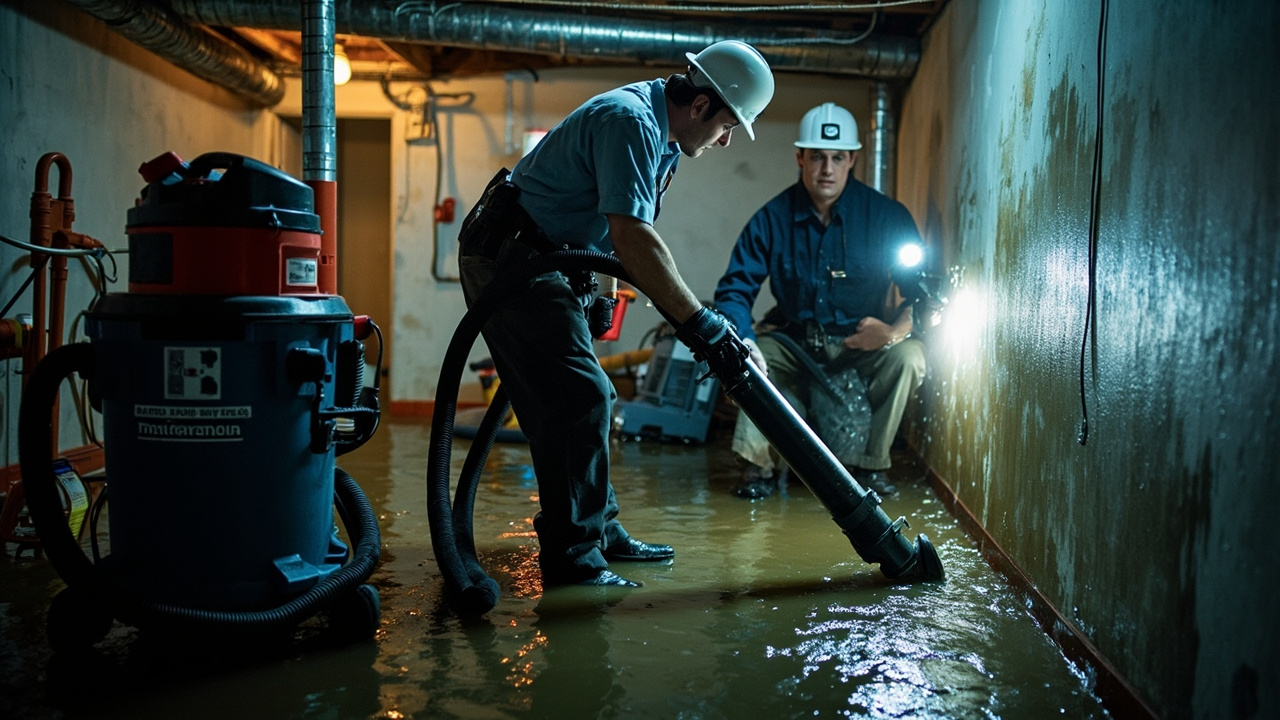
Elite Water Damage Restoration Louisville does not show up with a wet vac and hope for the best. We deploy truck-mounted extraction units capable of removing thousands of gallons per hour. Our technicians arrive with submersible pumps, industrial air movers, and thermal imaging cameras that detect moisture trapped inside wall cavities and under flooring.

First, we assess the water category. Sump pump overflow cleanup often involves Category 2 water, which carries contaminants from soil and groundwater. If sewage has backed up through the sump basin, we escalate to Category 3 protocols and treat it as a biohazard. This distinction determines our extraction method, disposal procedures, and safety equipment.

We extract standing water using high-capacity pumps, then switch to weighted extraction wands that pull moisture from carpet padding and subflooring. We do not stop at surface water. We measure moisture content in baseboards, studs, and concrete using pin-type and non-invasive meters. If readings exceed 15 percent in wood or show elevated levels in concrete, we target those areas with focused drying equipment.

Emergency sump pump cleanup services require speed, but they also require precision. We document moisture readings before and after extraction. We map the affected areas and track drying progress with daily measurements. This data protects you during insurance claims and proves we restored your basement to pre-loss condition. You get a dry basement and a paper trail that satisfies adjusters.

What Happens After You Call for Sump Pump Failure Cleanup

24/7 Sump Pump Failure Cleanup in Louisville – Emergency Water Extraction Within 60 Minutes
01

Immediate Dispatch and Assessment

Within minutes of your call, we dispatch a crew to your Louisville property. Our technicians arrive with thermal imaging equipment and moisture meters to map the full extent of water intrusion. We identify the failure point in your sump system, document the damage, and start extraction immediately. You get a clear damage assessment and a containment plan before water spreads further into your home.
02

Water Extraction and Containment

We remove standing water using truck-mounted extractors and submersible pumps, then extract trapped moisture from carpets, padding, and subflooring. High-velocity air movers and commercial dehumidifiers begin the drying process immediately. We isolate affected areas to prevent humidity migration into unaffected rooms. Your basement transitions from flooded to drying within the first few hours of our arrival on site.
03

Drying, Sanitization, and Restoration

We monitor moisture levels daily until all materials reach equilibrium moisture content. Once dry, we apply antimicrobial treatments to prevent mold growth on porous surfaces. If drywall, insulation, or flooring sustained irreversible damage, we remove and replace those materials. You get a fully restored basement that meets Louisville building codes and passes insurance inspection. Your sump pump failure becomes a closed chapter, not a recurring nightmare.

Why Louisville Homeowners Trust Us for Basement Flood Emergencies

You need a company that knows how Louisville basements flood. We understand the specific challenges here. Homes in Old Louisville, Highlands, and St. Matthews have basements built decades ago with minimal waterproofing. These older foundations crack over time, and sump pumps installed in the 1980s or 1990s fail without warning. We have restored hundreds of these basements.

We also know the newer subdivisions in eastern Jefferson County. Builders install sump pumps in areas where the water table sits high, but they often use undersized pumps or single-pump systems with no backup. When a storm knocks out power or the pump motor burns out, these homes flood fast. We have seen it happen repeatedly in neighborhoods near Beckley Creek Park and Floyds Fork.

Elite Water Damage Restoration Louisville keeps our equipment staged for rapid deployment. We do not rent equipment or subcontract labor. Our crews are in-house, IICRC-certified, and trained in structural drying and microbial remediation. When you call at 2 a.m. because your basement is flooding, you get our team, not a third-party service or an answering machine.

We also navigate Louisville's insurance landscape. We work directly with adjusters from State Farm, Allstate, and regional carriers that dominate the Kentucky market. We document damage thoroughly, submit detailed estimates, and communicate with adjusters so you do not have to fight for coverage. You focus on your family. We handle the paperwork, the drying, and the restoration from start to finish.

What You Can Expect When We Arrive

Arrival Time and Availability

We answer your call 24 hours a day, seven days a week. Our dispatch system routes the nearest crew to your property, and most Louisville locations receive a response within 60 minutes. We do not operate on business hours. Sump pump failures happen during storms, at night, and on weekends. Our trucks are always ready, and our crews are always on call. You get immediate help, not a promise to show up tomorrow morning.

Initial Inspection and Damage Assessment

Our technicians inspect your sump pump system, identify the failure cause, and map water damage using moisture meters and thermal imaging. We document the affected area with photos and measurements, then provide a written scope of work. This inspection takes 20 to 30 minutes, and it gives you a clear picture of what needs to happen next. You understand the damage, the process, and the timeline before we start extraction.

Complete Water Removal and Drying

You get a completely dry basement, not just surface-level cleanup. We extract every gallon of standing water, pull moisture from subflooring and walls, and dry structural materials to industry-standard moisture content levels. Our equipment runs continuously, and we monitor progress daily. The result is a basement that passes moisture meter inspection and meets insurance requirements for proper drying. You do not get mold growth six months later because we cut corners.

Post-Restoration Follow-Up and Prevention

After drying and restoration, we provide a final moisture report and photos showing your basement returned to pre-loss condition. We also discuss sump pump replacement, battery backup systems, and waterproofing options to prevent future failures. You are not left guessing whether your basement is truly dry or whether you will flood again next storm. We give you documentation, peace of mind, and a clear plan to protect your home moving forward.

Frequently Asked Questions

You Have Questions,
We Have Answers

How to clean up after sump pump failure? +

Stop the water source immediately if possible. Remove standing water using a wet vac or submersible pump. Extract water-soaked belongings from the affected area and move them to dry spaces. Contact a water damage restoration professional within the first 24 hours to prevent mold growth, which thrives in Louisville's humid climate. Do not enter deep standing water if electrical systems are submerged. Professionals will use industrial extractors, dehumidifiers, and air movers to dry structural materials. Document all damage with photos for insurance claims before cleanup begins. Time matters in basements where porous concrete and drywall absorb water quickly.

How much does it cost to have a sump pump cleaned? +

Professional sump pump cleaning typically ranges based on the level of sediment buildup and accessibility. Basic maintenance cleaning costs less than emergency cleanout after failure. In Louisville, where clay soil and seasonal storms contribute to heavy sediment loads, you may need more frequent service. Emergency water extraction and structural drying after pump failure costs significantly more than routine maintenance. Most restoration companies offer free inspections to assess damage scope. Insurance may cover cleanup costs if the failure caused sudden water damage, but regular maintenance is your responsibility. Get multiple estimates and verify the company carries proper licensing for Louisville metro area.

How do you clean sludge out of a sump pump? +

Disconnect power to the pump completely. Remove the pump from the pit and rinse exterior debris with a garden hose. Use a plastic scraper to remove thick sludge from the inlet screen and impeller housing. Flush the pit with clean water and use a wet vac to extract sediment. Louisville's clay-rich soil creates dense sludge that clogs discharge lines. Check the check valve for blockages. For heavy buildup, soak components in vinegar solution to dissolve mineral deposits. Inspect the float switch for free movement. Reassemble only after all parts are clean and dry. Consider installing a sump pump filter to reduce future sediment accumulation.

What to do when a sump pump fails? +

Cut power to the pump immediately if water is rising. Call a water damage restoration company right away. Louisville basements flood quickly during spring storms and summer downpours. Remove valuables from the basement if safe to enter. Do not touch electrical outlets or appliances in standing water. If the failure caused significant flooding, you need professional extraction within 24 hours to prevent mold. Document the water level and damage with photos for insurance. A restoration team will extract water, dry structural components, and assess whether the pump needs repair or replacement. Do not delay because Louisville's humidity accelerates secondary damage.

Can I put a chlorine tablet in my sump pump? +

Do not put chlorine tablets in your sump pump. Chlorine can corrode metal components, damage rubber seals, and create toxic fumes in enclosed basement spaces. Louisville homes often have poor basement ventilation, making this especially dangerous. Chlorine does not address the root cause of odors, which typically come from stagnant water, bacterial growth in the pit, or sewer gas backflow. Instead, ensure your pump has a proper sealed lid, clean the pit regularly, and verify the discharge line drains away from your foundation. If odors persist, contact a plumber to check for venting issues or a professional to assess drainage problems common in Louisville's clay soils.

How to sanitize a floor after a flood? +

Remove all standing water and debris first. Scrub hard surfaces with hot water and detergent to remove mud and contaminants. Apply a disinfectant solution of one cup bleach per gallon of water to all affected surfaces. Let it sit for 10 minutes, then rinse. Louisville floodwater often contains sewage, pesticides, and bacteria from agricultural runoff. Wear protective gloves, boots, and masks during cleanup. Discard porous materials like carpet padding that absorbed contaminated water. Use fans and dehumidifiers to dry the area completely within 48 hours. Professional sanitization is recommended after sewer backups or prolonged flooding to ensure complete disinfection.

Does homeowners insurance cover sump pump failure? +

Standard homeowners insurance typically excludes sump pump failure unless you purchased specific endorsements. Most policies cover sudden water damage from broken pipes but not groundwater seepage or mechanical failure. In Louisville, where basement flooding is common due to heavy rainfall and the Ohio River valley location, consider adding water backup coverage and sump pump failure endorsements. These riders cover damage when pumps fail or sewers back up. Review your policy carefully and document all damage immediately. Even with coverage, you may face limits on the payout. Contact your insurance agent to understand your specific coverage before the next storm season hits.

What is the most common reason for sump pump failure? +

Power failure during storms is the leading cause of sump pump failure in Louisville. When severe weather knocks out electricity, pumps stop working exactly when you need them most. Other common failures include stuck float switches from debris, clogged discharge lines from freezing or sediment buildup, and overwhelmed pumps during flash flooding. Louisville's clay soil contributes to heavy sediment that clogs inlet screens. Aging pumps lose capacity over time. Lack of maintenance allows buildup that prevents proper operation. Installing a battery backup system protects against power outages. Regular testing and cleaning prevent most mechanical failures before they cause basement flooding.

How to clean out a sump pump without removing it? +

You can clean a sump pump in place with careful technique. Disconnect power first. Use a wet vac to remove water and loose debris from the pit. Reach down and clear debris from around the pump intake and float switch. Pour a bucket of clean water into the pit to flush sediment while vacuuming simultaneously. Use a long-handled brush to scrub pit walls. This method works for light maintenance between full removals. However, Louisville's heavy clay sediment often requires complete pump removal for thorough cleaning. If the pump struggles after in-place cleaning, remove it for deeper maintenance or call a professional to inspect for worn components.

What are the signs of a failing sump pump? +

Listen for unusual noises like grinding, rattling, or continuous running without water discharge. A pump that cycles on and off rapidly indicates a stuck float switch or check valve failure. Visible rust, corrosion, or cracks in the pump housing signal age-related deterioration. If your basement smells musty despite a dry pit, the pump may run intermittently. Test monthly by pouring water into the pit to verify activation. In Louisville, where spring storms stress pumps heavily, watch for longer run times or failure to keep up during rain. Pumps older than seven years face higher failure risk and should be monitored closely or replaced preventatively.

How Louisville's Clay Soil and Rainfall Create Sump Pump Emergencies

Louisville receives an average of 45 inches of rainfall per year, with heavy downpours concentrated in spring and late fall. The clay-heavy soil throughout Jefferson County does not absorb water quickly. Instead, it saturates and creates hydrostatic pressure against basement walls. When your sump pump fails during a storm, that pressure forces groundwater through foundation cracks and up through basement floors. This is why sump pump failure water extraction becomes critical within the first hour. The soil does not give the water anywhere else to go except into your home.

Elite Water Damage Restoration Louisville has worked in every neighborhood from Butchertown to Fern Creek. We know which areas flood hardest during spring storms and which subdivisions experience chronic sump pump failures. Our technicians understand Louisville's building codes, the typical basement construction methods used in different eras, and how local insurance carriers handle water damage claims. You get a team that knows your neighborhood, understands the local risks, and has restored hundreds of basements just like yours.

Water Damage Services in The Louisville Area

Elite Water Damage Restoration is proud to serve the entire Louisville metropolitan area and surrounding communities. We are committed to providing top-tier water damage solutions to all residents and businesses in our service region. Feel free to explore our service map to confirm your location is within our coverage area or simply give us a call to discuss your specific needs. Our team is ready to help restore your property with speed and professionalism.

Address:
Elite Water Damage Restoration Louisville, 1000 E Kentucky St., Louisville, KY, 40204

Additional Services We Offer

Our news updates

Latest Articles & News from The Blogs

Why those rubber washing machine hoses are a ticking time bomb for your Fern Creek laundry room Every year thousands…

Why those rubber washing machine hoses are a ticking time bomb for your Fern Creek laundry room

Why those rubber washing machine hoses are a ticking time bomb for your Fern Creek laundry room Every year thousands…

Keeping your pets safe from mold and bacteria after a Louisville basement leak

Keeping Your Pets Safe from Mold and Bacteria After a Louisville Basement Leak A basement leak in Louisville creates immediate…

What to do in the first hour after finding a flood in your J-town home

What to do in the first hour after finding a flood in your J-town home Finding water pouring into your…

Contact Us

Do not wait for the water to rise higher. Call Elite Water Damage Restoration Louisville at (502) 370-2711. We dispatch immediately, extract every gallon, and restore your basement before mold takes hold. Your emergency is our priority.