




Menu

Understanding Mold Toxicity in Louisville – Recognize the Symptoms That Could Be Making You Sick

Learn How to Identify Mold Illness Symptoms, Black Mold Health Risks, and Signs of Mold Poisoning in Your Louisville Home Before They Escalate into Serious Health Problems

Slider Image 1
Slider Image 2
Slider Image 3
Slider Image 4
Slider Image 5
Slider Image 7
Slider Image 8
Slider Image 9
Slider Image 10
Slider Image 11

Why Louisville Homes Are Vulnerable to Mold Illness

Louisville's location along the Ohio River creates the perfect breeding ground for mold growth. The city experiences high humidity levels throughout the year, particularly during summer months when moisture can reach 70% or higher. This constant dampness, combined with frequent spring flooding in low-lying neighborhoods like Butchertown and Portland, creates conditions where mold colonies thrive.

You might dismiss your persistent headaches, fatigue, or respiratory issues as seasonal allergies. These are classic mold illness symptoms that many Louisville residents ignore until the problem becomes severe. Black mold health risks go beyond simple discomfort. Prolonged exposure can cause memory problems, joint pain, and chronic respiratory conditions.

Signs of mold poisoning often mimic other illnesses, which makes proper diagnosis difficult. You experience brain fog at work. Your kids develop unexplained skin rashes. Someone in your household battles constant sinus infections that antibiotics cannot fix. These symptoms share a common thread: mycotoxin illness caused by breathing in spores from hidden mold colonies.

The effects of mold exposure compound over time. What starts as minor congestion can progress to asthma-like symptoms or immune system dysfunction. Older homes in the Highlands and Germantown, with their crawl spaces and aging plumbing, face particular risk. Basements that flood during heavy rains become incubators for toxic mold species like Stachybotrys chartarum.

Your body is telling you something is wrong. The question is whether mold is the culprit.

Why Louisville Homes Are Vulnerable to Mold Illness
How Water Damage Creates Mold Toxicity Problems

How Water Damage Creates Mold Toxicity Problems

Mold needs three things to grow: moisture, organic material, and time. Water damage provides the first ingredient, and your home supplies the rest. A small pipe leak behind your bathroom wall can saturate drywall and insulation. Within 24 to 48 hours, mold spores begin colonizing the wet materials.

The real danger lies in what you cannot see. Surface mold on bathroom tiles is obvious. Hidden mold growing inside wall cavities or beneath flooring releases mycotoxins into your air supply without visible warning signs. Your HVAC system then distributes these toxins throughout your home.

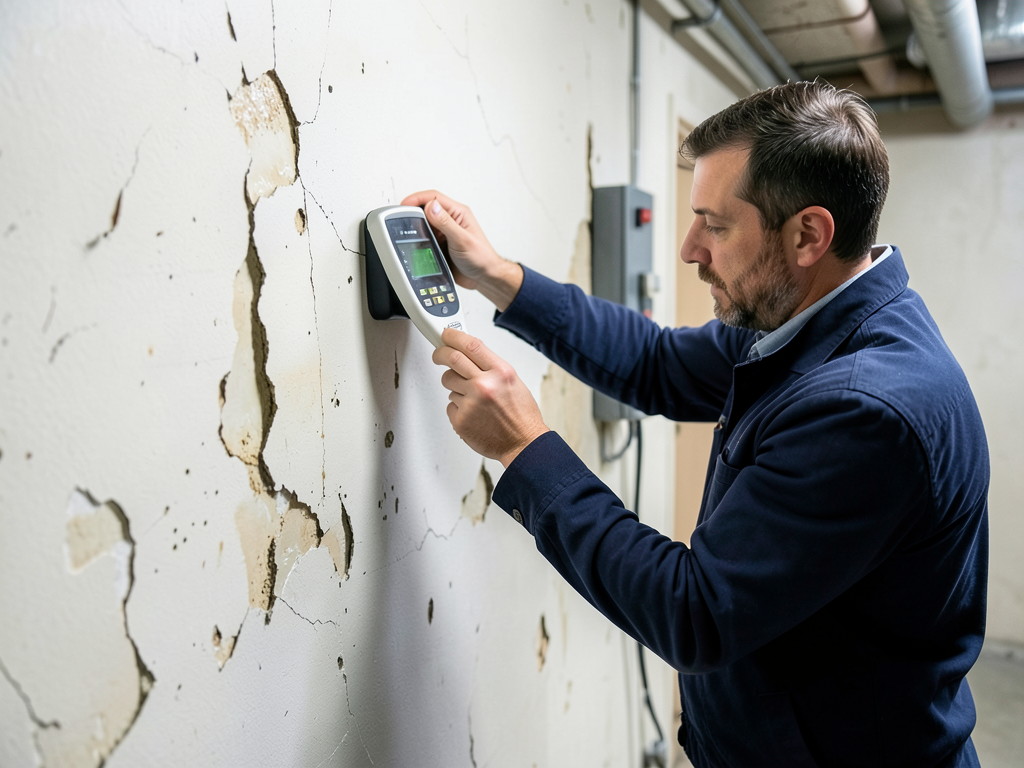
Elite Water Damage Restoration Louisville uses thermal imaging cameras to detect moisture intrusion behind walls and under floors. This technology reveals temperature differentials that indicate wet building materials. We measure humidity levels in affected areas using hygrometers to determine if conditions support active mold growth.

Understanding the moisture source is critical. Roof leaks require different remediation than foundation seepage or plumbing failures. We trace water damage to its origin point, whether that is failed flashing around chimneys, cracked slab foundations common in Louisville's clay soil, or condensation from poorly insulated ductwork.

Once we map the moisture problem, we assess mold contamination using air quality testing and surface samples. Some mold species produce more dangerous mycotoxins than others. Stachybotrys and Aspergillus require aggressive containment protocols. We establish negative air pressure in work zones using HEPA filtration systems to prevent spore migration during removal.

Proper remediation follows IICRC S520 standards. This means removing contaminated materials, not just cleaning surfaces. Drywall, insulation, and carpeting that absorbed water cannot be saved. We remove these materials, treat framing with antimicrobial solutions, and verify clearance through post-remediation testing.

What to Do If You Suspect Mold Toxicity

Understanding Mold Toxicity in Louisville – Recognize the Symptoms That Could Be Making You Sick
01

Document Your Symptoms

Keep a detailed record of health symptoms affecting household members, including when they started and where they are worst. Note if symptoms improve when you leave the house for extended periods. Take photos of any visible mold growth, water stains, or areas with musty odors. This documentation helps correlate health effects with potential mold exposure and guides professional inspection priorities.
02

Get Professional Testing

Schedule an indoor air quality assessment that includes both air sampling and surface testing. Air samples identify spore concentrations and species present in your breathing space. Surface samples from suspected growth areas confirm active colonization. Testing should cover multiple rooms to establish baseline outdoor spore counts for comparison. Results determine if remediation is necessary and how extensive the contamination has become.
03

Address the Source

Cleaning visible mold without fixing the moisture problem guarantees recurrence. Professional water damage restoration identifies and repairs the underlying issue, whether that is a plumbing leak, foundation crack, or ventilation failure. Proper remediation removes contaminated materials, treats affected areas, and includes post-clearance testing to verify safe spore levels. Prevention strategies like dehumidification and improved drainage protect against future growth.

Why Louisville Residents Trust Local Mold Expertise

Dealing with mold toxicity requires understanding Louisville's specific environmental challenges. Companies from outside the region miss critical context about local construction methods and climate patterns that affect moisture intrusion. Homes in Clifton built before 1950 have different vulnerabilities than ranch houses in Okolona from the 1970s.

Elite Water Damage Restoration Louisville has worked in every neighborhood from Anchorage to Pleasure Ridge Park. We know which areas flood during spring storms. We understand how Louisville's clay soil shifts and cracks foundations. We recognize the ventilation problems in shotgun houses common to the Old Louisville historic district.

This local knowledge informs our approach to moisture mapping and mold remediation. We anticipate problem areas based on home age and construction type. Crawl spaces in Jeffersontown require different treatment than slab foundations in Shively. Brick veneer homes need careful attention to weep holes and cavity drainage.

Our technicians hold IICRC certifications in water damage restoration and applied microbial remediation. These credentials require ongoing education about the latest testing protocols and remediation techniques. We follow ANSI/IICRC S520 standards for professional mold remediation, which provides a science-based framework for assessment and cleanup.

You need someone who understands that mold problems in Louisville stem from our humid climate and river proximity. Generic advice about mold prevention does not account for the 45 inches of annual rainfall we receive or the humidity spikes during summer months. Our solutions address the reality of living in the Ohio River Valley.

We also navigate the insurance claim process. Many homeowners policies cover mold remediation if it results from a covered water damage event like a burst pipe. We document the source of moisture intrusion, photograph damage, and provide detailed estimates that help you get fair claim settlements.

What Professional Mold Assessment Involves

Response Time and Scheduling

We provide same-day assessment scheduling for suspected mold problems because delayed response allows contamination to spread. Our team arrives within hours to begin visual inspection and moisture mapping. Initial assessments take two to three hours depending on home size and access to crawl spaces or attics. We work around your schedule, including evening and weekend appointments. Emergency water damage calls receive immediate dispatch to prevent mold growth from starting. The faster we identify and contain moisture intrusion, the less extensive remediation becomes.

Comprehensive Indoor Air Quality Testing

Our assessment includes both visual inspection and scientific testing. We use moisture meters to check wall cavities, flooring, and structural components for elevated water content. Thermal imaging reveals hidden moisture that visual inspection misses. Air sampling captures spores present in your breathing space and identifies mold species. Surface samples from suspected growth areas confirm active colonization. We collect outdoor control samples to establish baseline spore counts for comparison. Lab analysis takes three to five business days. Results show spore concentrations, species identification, and contamination severity. This data determines if remediation is necessary and guides protocol selection.

Complete Remediation Outcomes

Proper remediation eliminates the mold problem and prevents recurrence. We establish containment barriers using plastic sheeting and negative air pressure to isolate work zones. HEPA filtration systems capture airborne spores during material removal. We remove and dispose of contaminated drywall, insulation, carpeting, and other porous materials that absorbed water. Non-porous surfaces receive antimicrobial treatment. We dry structural components to below 15% moisture content using commercial dehumidifiers and air movers. Post-remediation testing verifies that spore counts return to normal levels. You receive clearance documentation showing your home is safe for occupancy.

Long-Term Prevention Strategies

Preventing future mold growth requires controlling moisture sources. We identify and repair the underlying water intrusion problem, whether that is plumbing leaks, foundation cracks, or inadequate ventilation. Recommendations may include installing vapor barriers in crawl spaces, improving bathroom exhaust systems, or regrading exterior drainage. We provide humidity monitoring guidance so you can maintain indoor levels below 60%. Dehumidifier installation may be necessary for basements or poorly ventilated areas. You receive a written prevention plan specific to your home's construction type and problem areas. Follow-up inspections are available to verify moisture control measures are working.

Frequently Asked Questions

You Have Questions,
We Have Answers

What are the 10 warning signs of mold toxicity? +

Common warning signs include persistent headaches, chronic fatigue, difficulty concentrating, memory problems, respiratory issues like coughing or wheezing, skin rashes or irritation, sinus congestion, joint pain, digestive problems, and unexplained mood changes. In Louisville, high humidity levels can accelerate mold growth in basements and crawl spaces, increasing exposure risk. If you notice multiple symptoms worsening at home but improving when you leave, suspect mold. Pay attention to musty odors or visible water damage. These symptoms vary by individual sensitivity and exposure duration. Seek medical evaluation if symptoms persist.

How do you know if you have mold toxicity in your body? +

Your body signals mold toxicity through multiple systems. Respiratory symptoms like persistent coughing, shortness of breath, or sinus pressure often appear first. Neurological signs include brain fog, difficulty focusing, or memory lapses. Physical indicators range from chronic fatigue and muscle aches to skin irritation. Louisville residents in older homes with poor ventilation face higher risk. Track when symptoms worsen. If you feel better away from your home or workplace, mold exposure is likely. Blood tests measuring mycotoxins or inflammatory markers can confirm exposure. Document symptom patterns and consult a physician familiar with environmental illness.

How to flush mold out of your system? +

Eliminate exposure first. Leave the contaminated environment immediately. Increase water intake to support kidney function and toxin elimination. Eat fiber-rich foods and consider activated charcoal to bind mycotoxins in your digestive tract. Support liver detoxification with cruciferous vegetables. Sweating through exercise or saunas helps release toxins through skin. In Louisville's humid climate, prevent re-exposure by addressing moisture sources. Professional mold remediation is necessary before returning home. Work with a healthcare provider for targeted binders, antifungals, or supplements. Recovery time varies based on exposure severity and individual health. Natural detox takes weeks to months.

How do I check myself for mold toxicity? +

Start with a visual home inspection. Check basements, bathrooms, and areas with past water damage for visible mold or musty smells. Louisville's humidity creates perfect conditions in crawl spaces and attics. Monitor your symptoms. Keep a journal tracking when you feel worse or better. Consider professional indoor air quality testing to measure spore counts. Medical testing includes urine mycotoxin panels, blood tests for mold antibodies, or visual contrast sensitivity tests. A physician trained in environmental medicine can order appropriate labs. Home test kits exist but professional assessment provides more accurate results for Louisville conditions.

Can you fully recover from mold toxicity? +

Yes, most people recover fully with proper treatment and complete mold elimination. Recovery depends on exposure duration, toxin levels, and individual health status. Remove yourself from exposure immediately. Address the source through professional remediation. Support your body with targeted nutrition, binders, and medical supervision. Louisville residents must control humidity to prevent recurrence. Recovery time ranges from weeks to several months. Some people with prolonged exposure or genetic sensitivities may experience lingering symptoms. Early intervention improves outcomes significantly. Work with healthcare providers experienced in mold illness. Prevent future exposure by maintaining proper ventilation and moisture control in your home.

Can air purifiers remove mold spores? +

Air purifiers with HEPA filters capture mold spores from the air, reducing airborne concentrations. They do not kill mold or remove the source. In Louisville's humid environment, purifiers help but cannot replace professional remediation. Look for true HEPA filters that trap 99.97% of particles. Add activated carbon filters to capture mycotoxins and odors. Place units near problem areas like basements or bathrooms. Run continuously for best results. Air purifiers are a supplemental tool, not a solution. You must eliminate moisture sources and remove existing mold growth. Combine filtration with dehumidifiers to control Louisville's high humidity levels.

Can you live in a house with toxic mold? +

Living with toxic mold poses serious health risks. Short-term exposure while arranging professional remediation may be unavoidable, but prolonged occupancy is dangerous. Toxic mold species like Stachybotrys release mycotoxins that accumulate in your body. Vulnerable populations including children, elderly, pregnant women, and those with respiratory conditions face higher risk. In Louisville, basement mold is common due to moisture and flooding. If you discover toxic mold, limit time in affected areas. Sleep elsewhere if possible. Do not attempt DIY removal of large areas. Hire certified professionals. Your health is not worth the risk. Temporary relocation during remediation protects your family.

How long does it take to show signs of mold toxicity? +

Symptom onset varies by individual sensitivity, exposure intensity, and mold type. Some people react within hours of exposure with immediate respiratory irritation or headaches. Others develop symptoms gradually over weeks or months. Chronic low-level exposure common in Louisville's older homes may take longer to manifest. Sensitive individuals notice effects faster. Initial symptoms often mimic allergies or colds. Persistent exposure leads to more severe neurological and systemic problems. Children and immunocompromised individuals show symptoms sooner. If you suspect mold in your home, act immediately. Delayed response increases health impact and remediation costs. Early detection prevents long-term health consequences.

What are the symptoms of living in a house with mold? +

Living with mold causes respiratory issues like coughing, wheezing, throat irritation, and nasal congestion. You may experience frequent headaches, fatigue, or difficulty concentrating. Skin rashes and eye irritation are common. Louisville's humid climate worsens these symptoms, particularly in spring and summer. Notice if symptoms improve when you leave home. Musty odors signal active growth. Some people develop recurrent sinus infections or asthma. Neurological symptoms include memory problems and mood changes. Children may show increased asthma symptoms or behavioral changes. Severity depends on mold type and exposure duration. Persistent symptoms warrant professional inspection and medical evaluation.

What herb kills mold in the body? +

Several herbs show antifungal properties, though medical supervision is important. Oregano oil contains carvacrol, which fights fungal growth. Garlic has allicin, a natural antifungal compound. Pau d'arco contains lapachol, used traditionally for fungal infections. Neem leaf demonstrates antimicrobial effects. Black walnut hulls are used in parasite and fungal protocols. While herbs may support detoxification, they cannot replace removing yourself from exposure or professional medical treatment. Louisville residents must address the mold source in their homes first. Herbs work as supplemental support, not primary treatment. Consult a qualified herbalist or integrative medicine physician before starting any protocol.

How Louisville's Ohio River Climate Amplifies Mold Health Risks

Louisville sits in a humid subtropical climate zone where summer dewpoints regularly exceed 70 degrees. This moisture-saturated air infiltrates homes through every gap in your building envelope. Basements in Cherokee Triangle and Deer Park stay damp year-round due to high water tables near Beargrass Creek. Spring flooding along the Ohio River affects neighborhoods in the West End, where floodwaters seep into crawl spaces and create ideal conditions for toxic mold species. The effects of mold exposure intensify in this environment because high outdoor humidity prevents indoor spaces from drying properly between moisture events.

Elite Water Damage Restoration Louisville has addressed mold toxicity issues in hundreds of local homes since our founding. We understand the specific challenges of remediating mold in historic brick homes with limestone foundations common to Old Louisville. We know how modern homes in Prospect battle condensation issues from improperly sized HVAC systems. Our technicians recognize signs of mold poisoning patterns that correlate with Louisville's seasonal humidity fluctuations. Choosing a local restoration company means working with professionals who understand how Louisville's geography, climate, and construction history create unique vulnerability to mycotoxin illness.

Water Damage Services in The Louisville Area

Elite Water Damage Restoration is proud to serve the entire Louisville metropolitan area and surrounding communities. We are committed to providing top-tier water damage solutions to all residents and businesses in our service region. Feel free to explore our service map to confirm your location is within our coverage area or simply give us a call to discuss your specific needs. Our team is ready to help restore your property with speed and professionalism.

Address:
Elite Water Damage Restoration Louisville, 1000 E Kentucky St., Louisville, KY, 40204

Additional Services We Offer

Our news updates

Latest Articles & News from The Blogs

Why those rubber washing machine hoses are a ticking time bomb for your Fern Creek laundry room Every year thousands…

Why those rubber washing machine hoses are a ticking time bomb for your Fern Creek laundry room

Why those rubber washing machine hoses are a ticking time bomb for your Fern Creek laundry room Every year thousands…

Keeping your pets safe from mold and bacteria after a Louisville basement leak

Keeping Your Pets Safe from Mold and Bacteria After a Louisville Basement Leak A basement leak in Louisville creates immediate…

What to do in the first hour after finding a flood in your J-town home

What to do in the first hour after finding a flood in your J-town home Finding water pouring into your…

Contact Us

Do not wait for symptoms to worsen. Call Elite Water Damage Restoration Louisville at (502) 370-2711 for professional mold testing and remediation. We provide same-day assessments and science-based solutions that address the root cause of your indoor air quality problems.