




Menu

Hidden Moisture Detection in Louisville – Stop Structural Damage Before It Spreads

Professional hidden moisture detection catches trapped water behind walls, under floors, and in ceilings before mold grows and wood rots, protecting Louisville homes from invisible water damage that insurance adjusters miss.

Slider Image 1
Slider Image 2
Slider Image 3
Slider Image 4
Slider Image 5
Slider Image 7
Slider Image 8
Slider Image 9
Slider Image 10
Slider Image 11

Why Louisville Homes Hide Water Damage Until It's Too Late

You smell something musty in the hallway. Your ceiling has a faint stain that wasn't there last month. Your hardwood floor feels spongy near the bathroom. These are warning signs that water is hiding somewhere you cannot see.

Louisville's humid subtropical climate creates perfect conditions for concealed dampness. Summer humidity averages 70 percent, which means any small leak behind drywall or under flooring never fully dries. Water sits trapped in wall cavities, crawl spaces, and attic insulation for weeks or months. By the time you see visible damage, mold has already colonized the studs and subfloor has started rotting.

The Ohio River floods, summer thunderstorms, and aging plumbing in Old Louisville's historic homes compound the problem. A pinhole leak in a copper pipe behind your laundry room wall can release gallons of water into the wall cavity before you notice your water bill creeping up. Roof flashing failures during spring storms send water down inside exterior walls where it saturates insulation and drips onto ceiling joists. Basement foundation cracks wick groundwater into rim joists during wet seasons.

Detecting invisible leaks requires specialized equipment. You cannot see through drywall. You cannot feel moisture trapped between subfloor layers. You need thermal imaging cameras, moisture meters with deep-sensing probes, and hygrometers that measure vapor pressure differentials. Identifying unseen water intrusion before it becomes a health hazard or structural liability is why hidden moisture detection exists. Most homeowners discover the damage too late because they rely on their eyes alone.

Why Louisville Homes Hide Water Damage Until It's Too Late
How Professional Moisture Detection Finds Water You Cannot See

How Professional Moisture Detection Finds Water You Cannot See

Finding trapped water requires more than walking through your home with a flashlight. We use a three-part diagnostic system that reveals moisture in wall cavities, subfloors, and structural framing without tearing out drywall or flooring.

First, we deploy thermal imaging cameras that detect temperature differentials caused by evaporative cooling. Wet building materials are cooler than dry materials because water absorbs heat as it evaporates. The camera displays a thermal map showing cold spots behind walls and ceilings where moisture is present. This technology reveals leaks inside exterior walls, around plumbing penetrations, and under tile showers where water has been seeping for months.

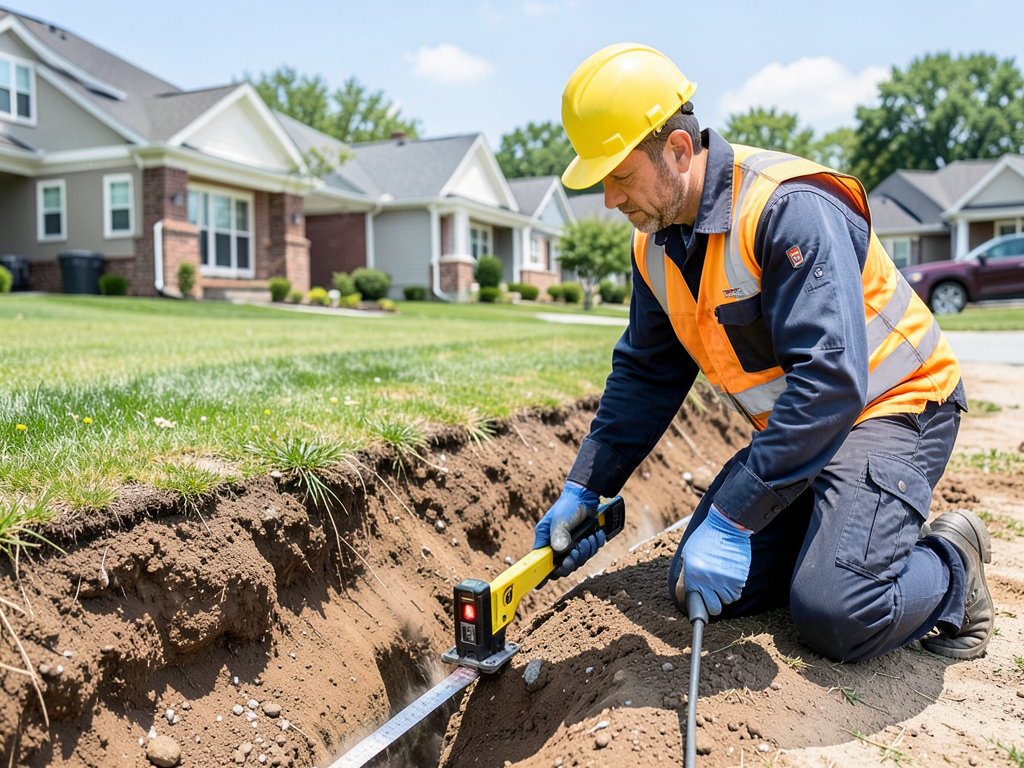
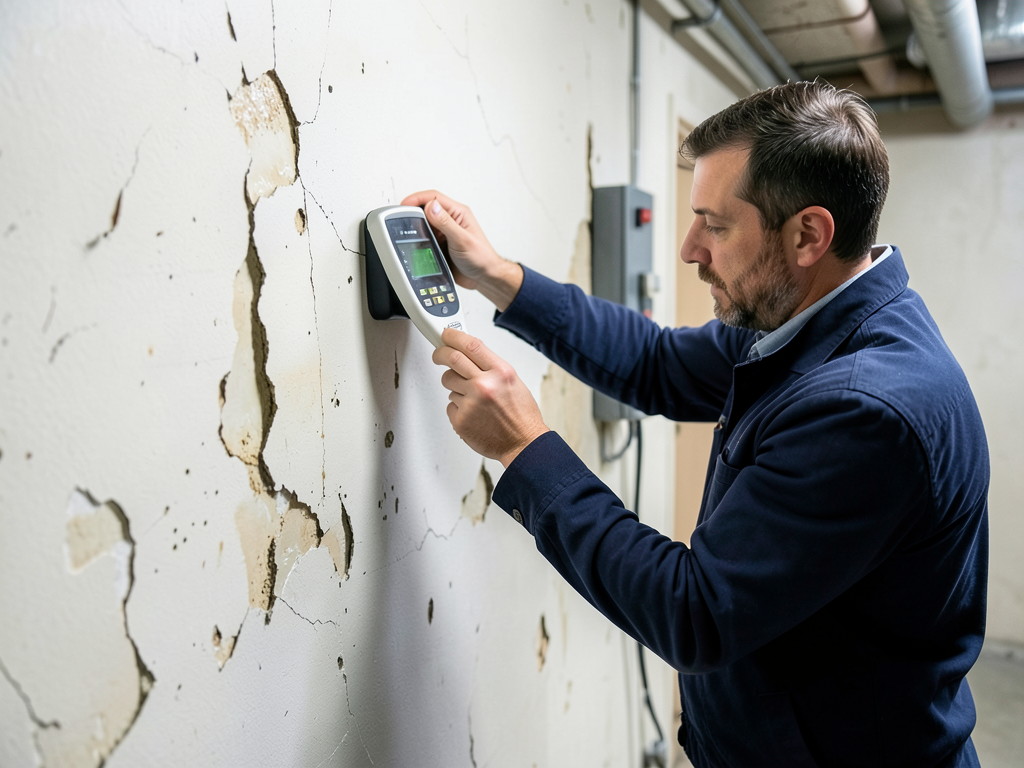
Second, we use pin-type and non-invasive moisture meters to measure water content in wood framing, drywall, and concrete. Pin meters measure electrical resistance between two probes inserted into the material. Non-invasive meters use electromagnetic waves to scan up to one inch below the surface without damaging finishes. We take readings at multiple heights and locations to map the moisture gradient and trace the water back to its source.

Third, we measure relative humidity and vapor pressure in wall cavities and crawl spaces using thermo-hygrometers. High humidity readings indicate ongoing moisture intrusion even if materials are not yet saturated. We compare indoor readings to outdoor conditions to determine if the moisture source is internal or external.

Locating concealed dampness also requires understanding building science. Water follows gravity and capillary action. A roof leak drips down the inside of wall studs until it hits a horizontal surface like a top plate or window header. Plumbing leaks migrate toward floor drains and low points. Foundation moisture wicks up through concrete and into wood sill plates. We know where to look because we understand how water moves through Louisville's typical residential construction.

What Happens During a Hidden Moisture Inspection

Hidden Moisture Detection in Louisville – Stop Structural Damage Before It Spreads
01

Initial Visual Assessment

We walk through your property documenting visible signs like staining, discoloration, efflorescence, peeling paint, buckled flooring, or musty odors. We ask about recent plumbing work, roof repairs, flood events, and HVAC issues. This narrows the search area and helps us understand the timeline of water intrusion. We identify high-risk zones like bathrooms, kitchens, laundry rooms, attics, basements, and exterior walls below roof valleys.
02

Thermal and Moisture Scanning

We scan walls, ceilings, and floors with thermal cameras and moisture meters. Every anomaly is photographed and mapped. We take baseline readings in dry reference areas, then compare them to suspect zones. Pin meters confirm moisture levels in framing members and sheathing. Non-invasive meters scan large surface areas quickly. We trace moisture patterns back to their source, checking around plumbing fixtures, HVAC ducts, windows, and roof penetrations.
03

Report and Remediation Plan

You receive a detailed moisture map showing exact locations of hidden water damage, moisture content readings, thermal images, and written findings. We explain the likely source of intrusion and outline the scope of drying and repair work needed. The report includes documentation for insurance claims. We answer your questions about mold risk, structural concerns, and next steps. You get a clear action plan before any demolition begins.

Why Louisville Property Owners Choose Elite Water Damage Restoration

Most restoration companies show up with a moisture meter and a guess. We show up with calibrated diagnostic equipment and building science expertise. We know how water behaves in Louisville's climate and construction types.

We understand the difference between historic masonry homes in Old Louisville, mid-century ranches in Okolona, and newer construction in Norton Commons. Each building type hides water differently. Brick veneer homes trap moisture in wall cavities when flashing fails. Slab-on-grade homes in St. Matthews develop slab leaks that saturate subfloor insulation. Crawl space homes in Pleasure Ridge Park suffer from groundwater wicking and vapor diffusion through porous block foundations.

We also understand Louisville's seasonal moisture cycles. Spring brings heavy rain and Ohio River flooding. Summer humidity keeps building materials damp. Winter freeze-thaw cycles crack foundation walls and burst pipes in unheated crawl spaces. We know when and where to look for seasonal water intrusion patterns.

Elite Water Damage Restoration Louisville has worked with local insurance adjusters, structural engineers, and remediation contractors long enough to know what documentation they need. We provide reports that meet insurance claim requirements. We photograph every moisture reading and thermal anomaly. We explain causation so adjusters can determine coverage.

Our technicians hold certifications from the Institute of Inspection, Cleaning and Restoration Certification. We follow industry standards for moisture assessment and psychrometry. We do not rely on guesswork or surface-level inspections. Spotting hidden water damage requires systematic investigation, and that takes training and equipment most companies do not invest in.

You need someone who finds the water before the mold spreads and the framing rots. That is what we do.

What to Expect During Hidden Moisture Detection Services

Fast Response Times

We schedule inspections within 24 to 48 hours of your call. If you have an active leak or recent water damage, we prioritize your case and can often arrive same-day. The inspection itself takes two to four hours depending on property size and complexity. You receive preliminary findings on-site and a full written report within 24 hours. If emergency drying is needed, we can start immediately after the inspection. Time matters when hidden moisture is feeding mold growth or weakening structural framing.

Comprehensive Diagnostic Process

Our inspection includes thermal imaging of all suspect areas, moisture meter readings at multiple depths and locations, humidity measurement in enclosed spaces, and documentation of all findings with photos and diagrams. We do not limit the inspection to one room unless you request it. Water travels through wall cavities and floor assemblies, so we check adjacent spaces and floors above and below the visible damage. You get a complete picture of where moisture is hiding and how far it has spread.

Accurate Findings and Clear Explanations

Your report includes thermal images, moisture content percentages, psychrometric readings, and written descriptions of findings. We explain the likely water source, the extent of hidden damage, and the recommended scope of work. We point out areas where mold testing may be needed. We identify structural concerns like rotted framing or compromised sheathing. You walk away understanding exactly what is happening inside your walls and what needs to happen next. No industry jargon without translation. No vague recommendations.

Post-Inspection Support and Monitoring

After repairs and drying, we offer follow-up moisture checks to confirm the building has returned to normal moisture levels. This is important for insurance documentation and for your peace of mind. If you need ongoing monitoring in high-risk areas like basements or crawl spaces, we can schedule quarterly or annual inspections. We also provide guidance on preventing future moisture intrusion, including recommendations for gutter maintenance, grading improvements, plumbing upgrades, and dehumidification in damp spaces. Our goal is to solve the problem permanently.

Frequently Asked Questions

You Have Questions,
We Have Answers

Why does my phone say moisture detected when there is no moisture? +

Your phone detects residual moisture in the charging port from humidity or sweat. Louisville's high humidity, especially during summer months, causes condensation inside the port even without visible water. Turn off your phone, gently clean the port with a dry toothbrush, and let it air dry for 30 minutes. If the alert persists after 24 hours in a dry environment, the sensor may be faulty. This alert protects your device from short circuits, so take it seriously. Do not force charge your phone while the warning appears.

Do moisture detectors really work? +

Yes, professional moisture meters accurately detect hidden water when used correctly. Pinless meters measure moisture up to 3/4 inch deep without damaging surfaces, while pin-type meters provide precise readings at specific depths. Accuracy depends on proper calibration and understanding material density. In Louisville homes with plaster walls or hardwood floors, meters must be adjusted for material type. Consumer-grade detectors work for surface checks but miss deeper issues. Professional restoration technicians use multiple meter types and thermal imaging to map moisture patterns your eye cannot see.

How do you detect moisture behind walls? +

Professionals use non-invasive moisture meters and thermal imaging cameras to detect water behind walls without drilling holes. Pinless meters scan drywall surfaces for elevated moisture levels, while infrared cameras reveal temperature differences caused by wet insulation or framing. In Louisville's older homes with lath and plaster walls, pin-type meters may be necessary for accurate readings through dense materials. Technicians also check for visual signs like peeling paint, soft spots, or baseboard warping. Combining multiple detection methods creates an accurate moisture map before opening walls.

What do home inspectors use to detect moisture? +

Home inspectors typically use handheld pin or pinless moisture meters to scan walls, ceilings, and floors during inspections. These devices measure moisture content in wood and drywall quickly. Many Louisville inspectors also carry thermal imaging cameras for comprehensive moisture detection in crawl spaces and attics. Inspectors check around windows, under sinks, near HVAC systems, and in basements where water intrusion commonly occurs. Standard home inspections provide snapshots but may miss hidden moisture that develops between inspection and closing. Professional water damage assessments go deeper.

How do I bypass the moisture detection? +

You should not bypass moisture detection alerts on devices or in your home. Phone alerts protect your charging port from electrical damage. If you need to charge urgently, use wireless charging instead. For home moisture detection systems, bypassing sensors creates liability and masks serious problems like mold growth or structural rot. In Louisville's humid climate, ignoring moisture warnings leads to expensive repairs. If sensors trigger false alarms repeatedly, replace the faulty sensor rather than disabling the system. Address the root cause instead of silencing the warning.

Will the moisture detection go away on its own? +

Phone moisture alerts typically clear within 30 minutes to 2 hours as the port dries. Louisville's humidity can extend this time, especially in summer. For structural moisture in walls or floors, water does not evaporate on its own without proper drying equipment. Hidden moisture worsens over time, causing mold growth within 24 to 48 hours and wood rot within weeks. Do not wait for structural moisture to resolve itself. Professional extraction and dehumidification prevent permanent damage and health hazards. Quick action saves money.

What can throw off a moisture meter? +

Moisture meters give false readings from metal objects, electrical wiring, foil-backed insulation, and high mineral content in materials. In Louisville homes, decorative metal wall studs or radiant barrier sheathing interfere with readings. Temperature extremes also affect accuracy. Freshly painted surfaces, certain wood species, and concrete with embedded rebar throw off pin-type meters. User error like inadequate calibration or incorrect material settings causes inaccurate results. Professional technicians account for these variables by testing multiple locations and cross-referencing with thermal imaging to confirm moisture presence.

How long do moisture sensors last? +

Quality moisture sensors in home monitoring systems last 5 to 10 years with proper maintenance. Battery-powered sensors need replacement every 2 to 5 years depending on usage and environmental conditions. In Louisville's humid climate, sensors exposed to constant moisture fluctuations may degrade faster. Professional-grade meters used by restoration companies last 10 to 15 years with annual calibration. Sensor lifespan depends on build quality, exposure to extreme conditions, and regular testing. Replace sensors showing erratic readings or failing self-checks to maintain accurate moisture detection.

What are the disadvantages of moisture sensors? +

Moisture sensors provide limited coverage, monitoring only their immediate area and missing leaks in unmonitored zones. They require power sources and regular battery changes. False alarms from humidity spikes waste time and cause alert fatigue. Sensors detect moisture after it appears, not before pipes burst. In Louisville homes with crawl spaces or finished basements, placement determines effectiveness. Sensors cannot distinguish between harmless condensation and serious leaks without context. They work best as part of a broader prevention strategy including regular inspections and maintenance, not as standalone solutions.

How to tell if water is leaking behind a wall? +

Check for bulging or discolored drywall, peeling paint, soft spots when pressed, and musty odors. Water stains appear as yellow, brown, or copper-colored rings. In Louisville homes, look for baseboards pulling away from walls or warped flooring near suspected leak areas. Listen for dripping sounds or running water when fixtures are off. Feel walls for unusual coolness or dampness. Mold growth, especially in corners or near floor lines, signals chronic moisture. Use a moisture meter to confirm suspicions before opening walls. Professional detection prevents unnecessary demolition.

How Louisville's Humidity and Historic Housing Stock Complicate Hidden Moisture Detection

Louisville's average relative humidity sits between 65 and 75 percent year-round. This means any moisture trapped inside building assemblies dries slowly or not at all. A small roof leak in Crescent Hill or a plumbing drip in Germantown can saturate wall insulation and framing for months before you notice staining or odor. The city's large inventory of pre-1950 homes adds another layer of complexity. Balloon framing, horsehair plaster walls, and lack of vapor barriers allow moisture to migrate vertically through wall cavities. Detecting invisible leaks in these older structures requires understanding how moisture moves through uninsulated stud bays and between lath and plaster assemblies. Modern moisture meters and thermal cameras can find the water, but interpreting the readings requires experience with Louisville's specific housing stock.

Working in Louisville also means understanding local building codes and insurance requirements. Jefferson County requires proper moisture remediation and mold clearance testing after water damage. We document every step of the moisture detection process to meet those standards. Local insurance adjusters expect detailed reports with photographic evidence, moisture readings, and clear explanations of causation. We work with the same adjusters, plumbers, and contractors repeatedly, which means smoother claims and faster repairs for you. Choosing a restoration company that understands Louisville's climate, construction history, and regulatory environment makes the difference between a thorough inspection and a surface-level guess.

Water Damage Services in The Louisville Area

Elite Water Damage Restoration is proud to serve the entire Louisville metropolitan area and surrounding communities. We are committed to providing top-tier water damage solutions to all residents and businesses in our service region. Feel free to explore our service map to confirm your location is within our coverage area or simply give us a call to discuss your specific needs. Our team is ready to help restore your property with speed and professionalism.

Address:
Elite Water Damage Restoration Louisville, 1000 E Kentucky St., Louisville, KY, 40204

Additional Services We Offer

Our news updates

Latest Articles & News from The Blogs

Why those rubber washing machine hoses are a ticking time bomb for your Fern Creek laundry room Every year thousands…

Why those rubber washing machine hoses are a ticking time bomb for your Fern Creek laundry room

Why those rubber washing machine hoses are a ticking time bomb for your Fern Creek laundry room Every year thousands…

Keeping your pets safe from mold and bacteria after a Louisville basement leak

Keeping Your Pets Safe from Mold and Bacteria After a Louisville Basement Leak A basement leak in Louisville creates immediate…

What to do in the first hour after finding a flood in your J-town home

What to do in the first hour after finding a flood in your J-town home Finding water pouring into your…

Contact Us

Call Elite Water Damage Restoration Louisville now at (502) 370-2711 to schedule your hidden moisture inspection. We respond fast, find the water others miss, and give you the documentation you need for insurance claims. Stop the damage before it spreads.