


Menu

Water Damage Restoration in Louisville – Complete Remediation From Emergency Response to Final Reconstruction

Elite Water Damage Restoration Louisville delivers full-spectrum water damage restoration across residential and commercial properties, combining rapid emergency response with certified water removal services, structural drying, and complete rebuild capabilities.

Slider Image 1
Slider Image 2
Slider Image 3
Slider Image 4
Slider Image 5
Slider Image 7
Slider Image 8
Slider Image 9
Slider Image 10
Slider Image 11

Why Louisville Properties Face Constant Water Damage Threats

Louisville sits in a flood-prone basin where the Ohio River meets Beargrass Creek, creating persistent moisture challenges for homeowners and business owners. The city's clay-heavy soil does not drain efficiently, which means water pools around foundations after heavy rainfall. Spring storms dump inches of rain in hours, overwhelming gutters and sump pumps. Winter freeze-thaw cycles crack pipes inside walls, leading to hidden leaks that fester for weeks before you notice the damage.

The humid subtropical climate keeps relative humidity above 70 percent for much of the year. Basements in Old Louisville and the Highlands stay damp even without active leaks, creating conditions for mold growth within 48 hours of water intrusion. Older homes built before modern waterproofing standards face constant seepage through limestone foundations.

Water damage remediation in Louisville requires understanding these local factors. A burst pipe in a Cherokee Triangle bungalow behaves differently than flooding in a Jeffersontown commercial warehouse. The construction methods, soil conditions, and drainage patterns vary across neighborhoods, which means effective water damage cleanup demands localized expertise.

When you discover standing water, discolored drywall, or musty odors, the clock starts immediately. Porous materials absorb moisture rapidly. Wood flooring warps within hours. Drywall wicks water upward from baseboards. Insulation becomes a bacterial breeding ground. Water damage mitigation is not about cosmetic fixes. It is about stopping structural decay and health hazards before they compound into catastrophic losses.

Why Louisville Properties Face Constant Water Damage Threats
How Professional Water Damage Restoration Actually Works

How Professional Water Damage Restoration Actually Works

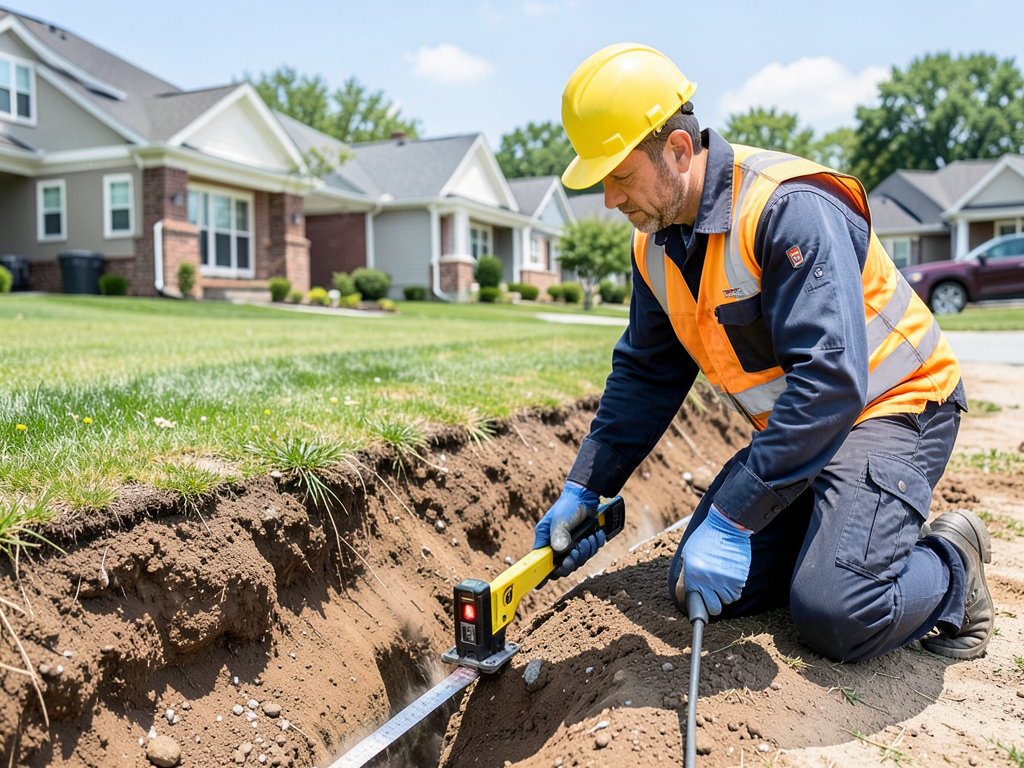
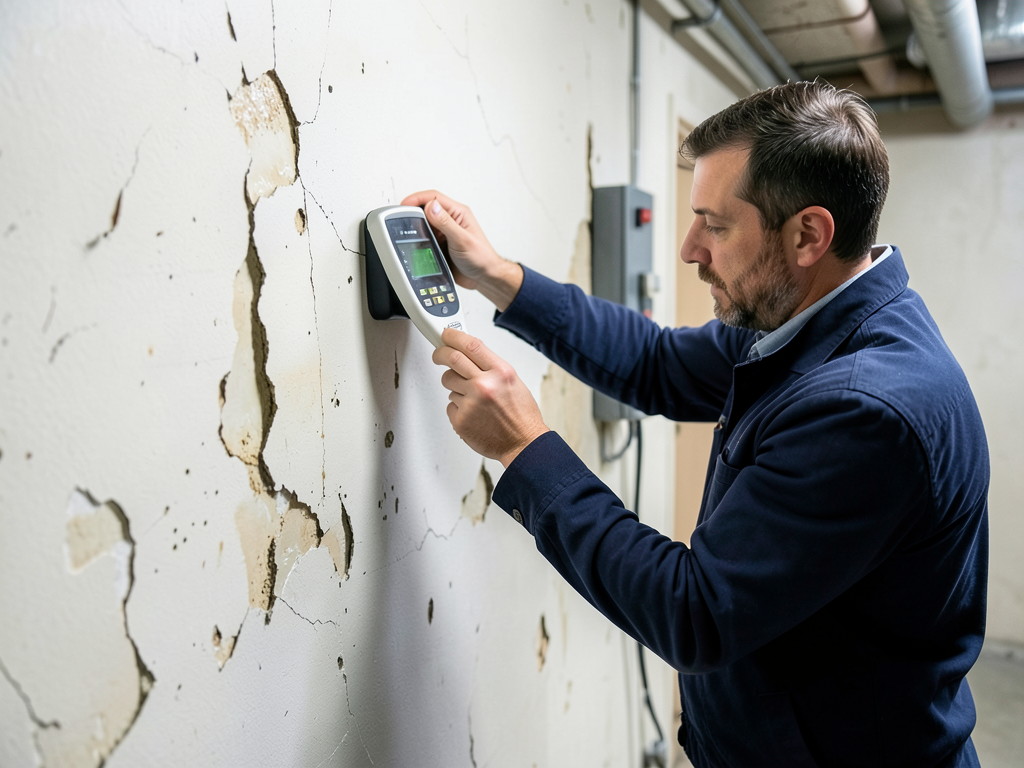
Water damage repair begins with source identification and immediate containment. We use thermal imaging cameras to trace moisture inside wall cavities and under flooring where visual inspection fails. Moisture meters measure water content in wood, drywall, and concrete to establish baseline readings for monitoring. These measurements determine extraction strategy and equipment placement.

Extraction equipment selection depends on water category and material saturation. Category 1 water from supply line breaks requires different handling than Category 3 contaminated floodwater. We deploy truck-mounted extractors for high-volume removal, then transition to low-grain refrigerant dehumidifiers and axial air movers to pull residual moisture from building materials. Psychrometric calculations guide air exchange rates and temperature control to accelerate evaporation without causing secondary damage.

Structural drying in Louisville's humid environment requires aggressive dehumidification. Ambient humidity interferes with evaporation, which extends drying time and increases mold risk. We create controlled drying chambers using containment barriers, then monitor daily moisture readings until materials return to industry-standard dry goals. This process typically runs 3 to 7 days depending on saturation depth and material density.

Water removal services include selective demolition of non-salvageable materials. Drywall that has wicked water above 24 inches gets removed to prevent mold colonization behind vapor barriers. Wet insulation loses R-value permanently and requires replacement. We document all demolition with photos and moisture logs for insurance claims. The antimicrobial application follows EPA guidelines, targeting surfaces where bacterial growth has started but structural integrity remains intact.

What Happens During Your Water Damage Restoration Project

Water Damage Restoration in Louisville – Complete Remediation From Emergency Response to Final Reconstruction
01

Emergency Assessment and Containment

We arrive within 60 minutes for emergency calls across Jefferson County. The first priority is stopping active water intrusion by shutting off supply lines, tarping roof damage, or sandbagging exterior openings. Thermal imaging scans identify hidden moisture in ceilings and walls. We establish containment zones using plastic sheeting to prevent cross-contamination into unaffected areas. Initial moisture mapping documents the full extent of damage for insurance adjusters and gives us baseline readings for tracking drying progress throughout the remediation process.
02

Water Extraction and Structural Drying

Truck-mounted extractors remove standing water from carpets, padding, and hard surfaces. We position commercial dehumidifiers and air movers based on psychrometric readings to create optimal drying conditions. Air movers direct airflow across wet surfaces at specific angles to maximize evaporation rates. Dehumidifiers condense moisture from the air, dropping relative humidity below 40 percent. We take daily moisture readings in floors, walls, and ceilings, adjusting equipment placement as materials dry. This phase continues until all building materials reach acceptable moisture content levels per IICRC standards.
03

Restoration and Final Rebuild

Once drying goals are met, reconstruction begins. We replace removed drywall, insulation, and flooring with materials matching your original specifications. All work follows Louisville Metro building codes, including electrical and plumbing inspections where required. Antimicrobial treatments protect vulnerable surfaces from future microbial growth. Final moisture verification ensures no hidden dampness remains. We coordinate with your insurance adjuster throughout the process, providing documentation and moisture logs. The project concludes with a walk-through inspection where you verify all repairs meet your expectations before we close the claim.

Why Louisville Properties Need Local Water Damage Expertise

Elite Water Damage Restoration Louisville understands how water behaves in local building types. Victorian homes in Old Louisville have plaster walls that hold moisture differently than modern drywall. The limestone foundations common in Crescent Hill require specialized waterproofing approaches. We know which neighborhoods flood during Ohio River crests and which areas face groundwater seepage from perched water tables.

Local building codes dictate repair standards. Louisville Metro requires permits for structural work exceeding specific thresholds. We handle permitting, inspections, and code compliance so you avoid complications during insurance claims or future property sales. Our relationships with local inspectors expedite approval processes that delay out-of-town contractors.

Insurance claims in Kentucky follow specific documentation requirements. We photograph damage progression, maintain detailed moisture logs, and provide estimates formatted for major carriers operating in Louisville. Our documentation packages include thermal images, psychrometric calculations, and IICRC drying standards references that adjusters expect. This thoroughness reduces claim disputes and speeds payment processing.

Response time matters in water damage scenarios. Mold colonization begins within 48 hours in Louisville's humidity. Structural damage accelerates as materials stay saturated. We dispatch crews from our local facility, not from regional hubs hours away. Equipment stays staged for immediate deployment. You get technicians who live in your community and understand the urgency of water damage mitigation.

We work across all Louisville ZIP codes, from downtown commercial buildings to suburban residential developments in Okolona and Fern Creek. Every project gets the same systematic approach regardless of property size or damage extent.

What You Can Expect From Start to Finish

Emergency Response and Timeline

We operate 24/7 for water emergencies throughout Jefferson County. Emergency calls receive response within 60 minutes for active flooding situations. Assessment and containment happen immediately upon arrival. Water extraction begins the same day. Structural drying typically runs 3 to 7 days depending on saturation levels and humidity conditions. Reconstruction timelines vary based on the scope of demolition required, but most residential projects complete within 2 to 3 weeks from initial contact. Commercial projects may extend longer based on business continuity needs and building size. We provide realistic timelines during initial assessment, then update you daily as work progresses.

Initial Damage Assessment Process

Every project begins with comprehensive moisture mapping using thermal imaging and moisture meters. We identify all affected areas, including hidden water in wall cavities and subfloors. Digital photos document damage progression for insurance purposes. We classify water by contamination category to determine proper handling protocols. Moisture readings establish baseline measurements that guide drying goals. You receive a detailed scope of work outlining required extraction, drying, demolition, and reconstruction. This assessment typically takes 45 to 90 minutes depending on property size. We explain findings in clear terms, answer questions about the process, and outline next steps before any work begins.

Quality of Final Restoration

All reconstruction work matches or exceeds original building specifications. We source materials that match existing finishes, textures, and quality levels. Drywall installation includes proper taping, mudding, and texture matching. Flooring replacements blend seamlessly with surrounding areas. Paint colors are matched using spectrophotometer technology when original paint codes are unavailable. Final moisture verification confirms all materials meet IICRC dry standards before reconstruction begins. Every project undergoes final walk-through inspection where you verify satisfaction with completed work. We address any concerns before closing the project and provide documentation of all work performed for your records and future property transactions.

Post-Restoration Support and Documentation

You receive complete project documentation including moisture logs, thermal images, scope of work, and material invoices. This documentation package supports insurance claims and provides records for future buyers if you sell the property. We offer guidance on preventing future water damage based on issues discovered during restoration. Recommendations may include sump pump upgrades, improved drainage grading, or basement waterproofing solutions. Our team remains available for questions after project completion. If you notice any issues with restored areas, contact us immediately. We stand behind our work and address legitimate concerns promptly. Post-restoration monitoring is advisable in cases of severe flooding to ensure no hidden moisture remains.

Frequently Asked Questions

You Have Questions,
We Have Answers

How much does restoration cost for water damage? +

Water damage restoration costs in Louisville vary based on the water source, affected square footage, and structural materials involved. Small leaks affecting one room typically range lower, while basement flooding or sewage backups cost more due to contamination protocols. You pay for water extraction, structural drying, antimicrobial treatment, and rebuilding damaged materials like drywall or flooring. Louisville's high humidity levels often extend drying time, which affects labor costs. Insurance covers most emergency water damage from burst pipes or storms, but gradual leaks from poor maintenance usually fall on you. Get a detailed estimate before work begins to avoid surprises.

What does water damage restoration include? +

Water damage restoration starts with emergency water extraction using industrial pumps and vacuums. Technicians then remove soaked materials like carpet padding, baseboards, and damaged drywall that cannot be saved. Structural drying follows, using air movers and dehumidifiers to pull moisture from wood framing, subfloors, and wall cavities. Louisville's humid climate makes thorough drying critical to prevent mold growth within 48 hours. Antimicrobial treatments kill bacteria and mold spores. Final steps include odor removal, sanitization, and reconstruction of removed materials. Documentation and moisture readings throughout the process support your insurance claim and verify complete drying.

Can water damage be repaired? +

Yes, water damage can be repaired if you act fast. Clean water from supply lines responds well to immediate extraction and drying. Wood floors, drywall, and insulation can often be saved within 24 to 48 hours. Delay allows mold colonization and structural weakening that forces replacement. Louisville's humidity accelerates deterioration, so speed matters. Category 3 water (sewage or floodwater) requires aggressive removal of porous materials due to contamination. Professional moisture detection finds hidden water in wall cavities and subfloors that you cannot see. Waiting too long turns a repair job into a full rebuild, costing you significantly more.

Is water damage restoration worth it? +

Water damage restoration is worth it when you consider the alternative. Ignoring water damage leads to mold growth, wood rot, and structural failure that cost far more to fix later. Louisville's high humidity creates ideal conditions for mold within 48 hours of water intrusion. Professional restoration stops damage progression, documents losses for insurance, and restores your property to pre-loss condition. Most homeowner policies cover sudden water damage, meaning you pay only your deductible. Skipping professional restoration to save money often voids insurance coverage and leaves you with a depreciated property value and potential health hazards from hidden mold growth.

Does insurance pay for water restoration? +

Insurance typically covers water restoration from sudden, accidental events like burst pipes, appliance failures, or storm damage. Your policy pays for emergency mitigation, structural drying, and rebuilding after you meet your deductible. Gradual damage from leaking fixtures or poor maintenance gets denied because insurers expect you to prevent foreseeable problems. Flood damage requires separate flood insurance, which matters in Louisville areas near the Ohio River or low-lying neighborhoods. Sewage backups need specific endorsements. Always document damage immediately with photos and call your insurer before starting work. Professional restoration companies handle insurance paperwork and coordinate directly with adjusters.

How long does Servpro take for water damage? +

Water damage timelines depend on the extent of damage, not the company name. A small leak affecting one room typically takes three to five days for drying and initial restoration. Larger losses involving multiple floors or Category 3 water extend to two weeks or more. Louisville's humidity slows evaporation rates, sometimes adding days to the drying phase. Any restoration company must wait for moisture meters to show safe levels before reconstruction begins. Rushing this step causes mold growth and callbacks. Focus on choosing a company that uses thermal imaging and daily moisture monitoring rather than one promising the fastest completion. Thorough drying prevents future problems.

How likely is mold after water damage? +

Mold becomes likely after water damage if moisture remains for 48 hours or longer. Louisville's average humidity above 60 percent accelerates mold colonization on wet organic materials like drywall, wood, and insulation. Clean water from supply lines poses lower mold risk than contaminated water carrying mold spores. Hidden moisture in wall cavities and under flooring creates mold growth you cannot see without professional detection equipment. Immediate water extraction and structural drying within 24 hours significantly reduces mold probability. Once mold establishes, you need separate remediation beyond standard water restoration, adding cost and time. Speed and thorough drying are your best mold prevention.

Will insurance pay out for water damage? +

Insurance pays for water damage when the cause is sudden and accidental. Covered events include burst pipes, water heater failures, appliance malfunctions, and storm-related roof leaks. You file a claim, pay your deductible, and the insurer covers remaining mitigation and restoration costs. Denied claims come from gradual damage, lack of maintenance, or flood events without separate flood coverage. Louisville homeowners near floodplains need specific flood policies through NFIP. Sewage backups require endorsements that many standard policies exclude. Always review your declarations page and call your agent immediately after discovering water damage. Documentation and quick action improve claim approval rates.

What does category 3 damage look like? +

Category 3 water damage involves grossly contaminated water carrying harmful bacteria, sewage, and pathogens. You see black water from toilet overflows, sewer backups, or floodwater that contacted soil and debris. The water appears dark, smells foul, and contains visible waste or sediment. Affected materials feel slimy and discolored. Category 3 contamination requires immediate removal of all porous materials like drywall, insulation, and carpet because sanitization cannot make them safe. Louisville properties near the Ohio River or areas with combined sewer systems face higher Category 3 risk during heavy storms. This damage type demands professional restoration with proper protective equipment and disposal protocols.

What not to do after water damage? +

Do not wait to call for help. Delaying restoration allows mold growth and structural damage that multiply costs. Do not use household vacuums on standing water because electrical shock and equipment failure create safety hazards. Avoid entering flooded areas without confirming power is shut off. Do not remove water-damaged materials yourself if the source is sewage or floodwater due to contamination risks. Skip using fans without dehumidifiers in Louisville's humid climate because you just circulate moisture rather than remove it. Do not assume small leaks will dry on their own. Hidden moisture in walls and subfloors causes problems you cannot see without moisture meters and thermal imaging.

How Louisville's Flood Zones and Clay Soil Create Unique Water Damage Challenges

Louisville's location in the Ohio River floodplain means properties face both surface flooding and groundwater intrusion. FEMA flood maps designate large sections of western Louisville and Shively as high-risk zones where water damage restoration becomes a recurring need rather than a one-time event. The clay soil prevalent across Jefferson County expands when wet and contracts when dry, creating foundation movement that cracks basement walls and allows seepage. This soil also prevents proper drainage, causing water to pool around foundations after heavy rain. These geological factors make waterproofing and rapid water removal services critical for property preservation across all Louisville neighborhoods.

Effective water damage remediation in Louisville requires familiarity with local construction patterns and building ages. Homes in the Highlands and Crescent Hill date to the early 1900s, featuring plaster walls, limestone foundations, and minimal waterproofing by modern standards. Newer developments in eastern Jefferson County use modern materials but face different challenges from poor lot grading and inadequate drainage planning. We understand how water behaves in each construction type and adjust water damage cleanup protocols accordingly. Our technicians train specifically on Louisville building characteristics, local code requirements, and insurance claim procedures common to Kentucky carriers. This local expertise reduces project complications and ensures proper restoration the first time.

Water Damage Services in The Louisville Area

Elite Water Damage Restoration is proud to serve the entire Louisville metropolitan area and surrounding communities. We are committed to providing top-tier water damage solutions to all residents and businesses in our service region. Feel free to explore our service map to confirm your location is within our coverage area or simply give us a call to discuss your specific needs. Our team is ready to help restore your property with speed and professionalism.

Address:
Elite Water Damage Restoration Louisville, 1000 E Kentucky St., Louisville, KY, 40204

Additional Services We Offer

Our news updates

Latest Articles & News from The Blogs

Why those rubber washing machine hoses are a ticking time bomb for your Fern Creek laundry room Every year thousands…

Why those rubber washing machine hoses are a ticking time bomb for your Fern Creek laundry room

Why those rubber washing machine hoses are a ticking time bomb for your Fern Creek laundry room Every year thousands…

Keeping your pets safe from mold and bacteria after a Louisville basement leak

Keeping Your Pets Safe from Mold and Bacteria After a Louisville Basement Leak A basement leak in Louisville creates immediate…

What to do in the first hour after finding a flood in your J-town home

What to do in the first hour after finding a flood in your J-town home Finding water pouring into your…

Contact Us

Water damage worsens every hour you wait. Call Elite Water Damage Restoration Louisville now at (502) 370-2711 for immediate dispatch. We answer emergency calls 24/7 and arrive within 60 minutes across Jefferson County. Stop the damage before it becomes a total loss.