


Menu

Storm Damage Mitigation in Louisville – 24/7 Emergency Response and Complete Property Protection

Elite Water Damage Restoration Louisville provides rapid storm damage mitigation across Louisville Metro, preventing secondary water damage, structural failure, and mold growth with immediate emergency response and certified restoration protocols.

Slider Image 1
Slider Image 2
Slider Image 3
Slider Image 4
Slider Image 5
Slider Image 7
Slider Image 8
Slider Image 9
Slider Image 10
Slider Image 11

Why Louisville Properties Face Critical Risks After Storm Events

Louisville sits at the intersection of humid subtropical climate patterns and the Ohio River floodplain. When severe thunderstorms roll through Jefferson County, they bring damaging winds, torrential rain, and flash flooding that can compromise your property in minutes.

The real danger starts after the storm passes. Water intrusion from roof damage, compromised flashing, or overwhelmed drainage systems creates a 24 to 48 hour window before mold colonization begins. Louisville's average humidity levels between 65 and 75 percent accelerate this timeline. What begins as a few missing shingles or a flooded basement becomes structural rot, electrical hazards, and toxic mold growth.

Storm damage mitigation means stopping this cascade before it starts. You need immediate storm damage cleanup to extract standing water, emergency storm damage services to secure breached openings, and proper documentation for insurance claims. Waiting until Monday morning or trying to handle it yourself puts your property at risk for tens of thousands in additional damage.

The Ohio Valley's clay soil compounds these problems. When saturated by heavy rainfall, the soil expands and contracts, shifting foundations and creating new entry points for water. Neighborhoods near Beargrass Creek, Goose Creek, and the Floyds Fork watershed face elevated flooding risks. Properties in Old Louisville, the Highlands, and Crescent Hill with older infrastructure are particularly vulnerable to storm damage that exposes pre-existing weaknesses in roofing, gutters, and basement waterproofing systems.

Storm damage restoration requires immediate action and local expertise.

Why Louisville Properties Face Critical Risks After Storm Events
The Storm Damage Mitigation Process That Protects Your Investment

The Storm Damage Mitigation Process That Protects Your Investment

Effective storm damage mitigation follows a specific sequence. You cannot skip steps or delay action without risking compounding damage.

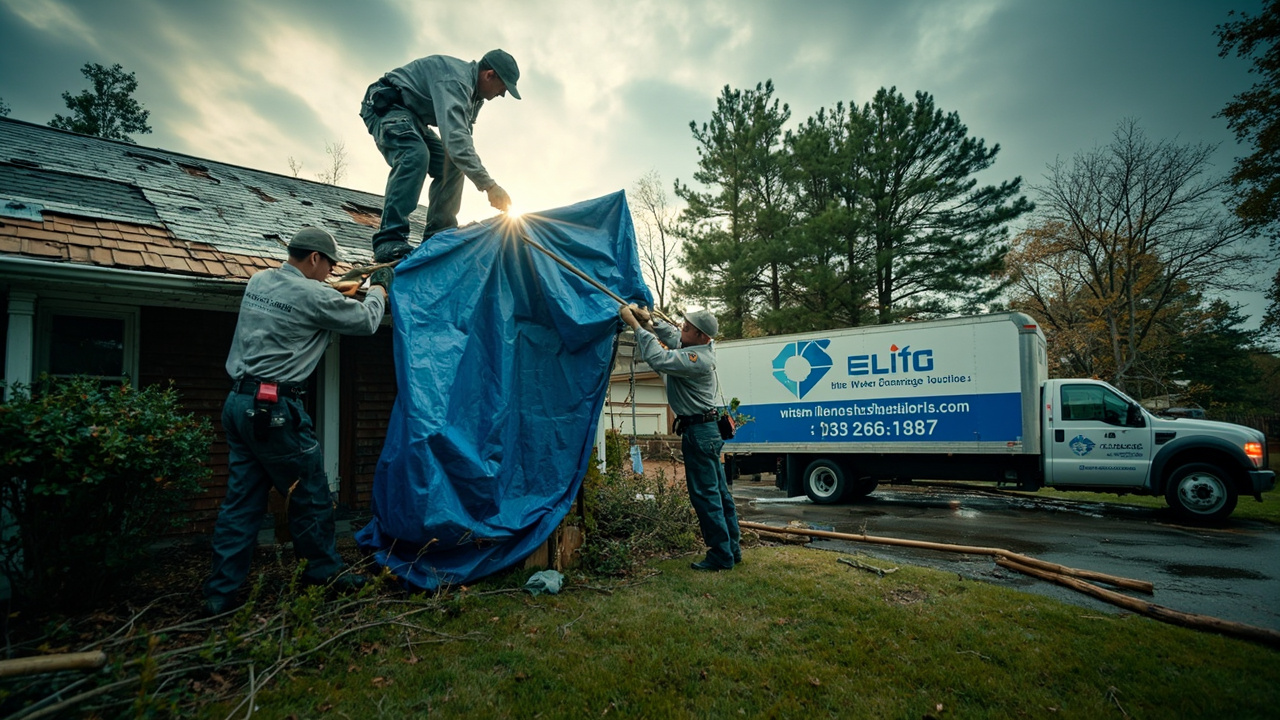
We begin with emergency structural stabilization. This means tarping compromised roof sections, boarding breached windows, and securing doors. We use heavy-duty reinforced tarps with proper fastening to withstand additional wind events. This is not a permanent repair. This is damage control to prevent rain intrusion while we develop a comprehensive restoration plan.

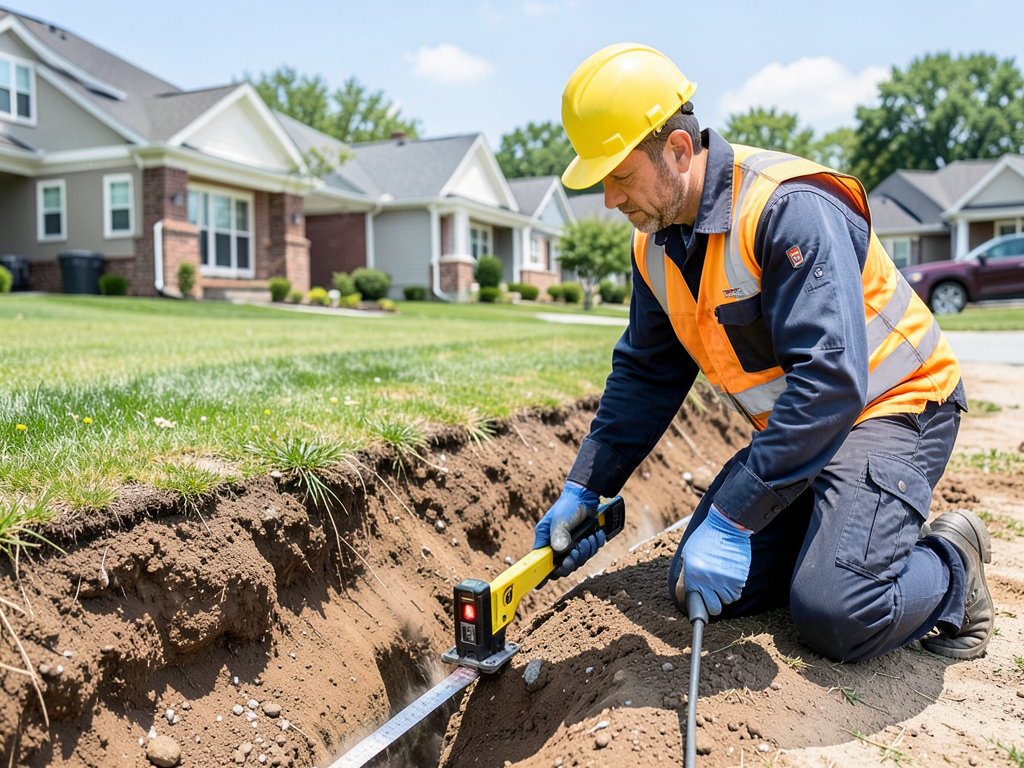
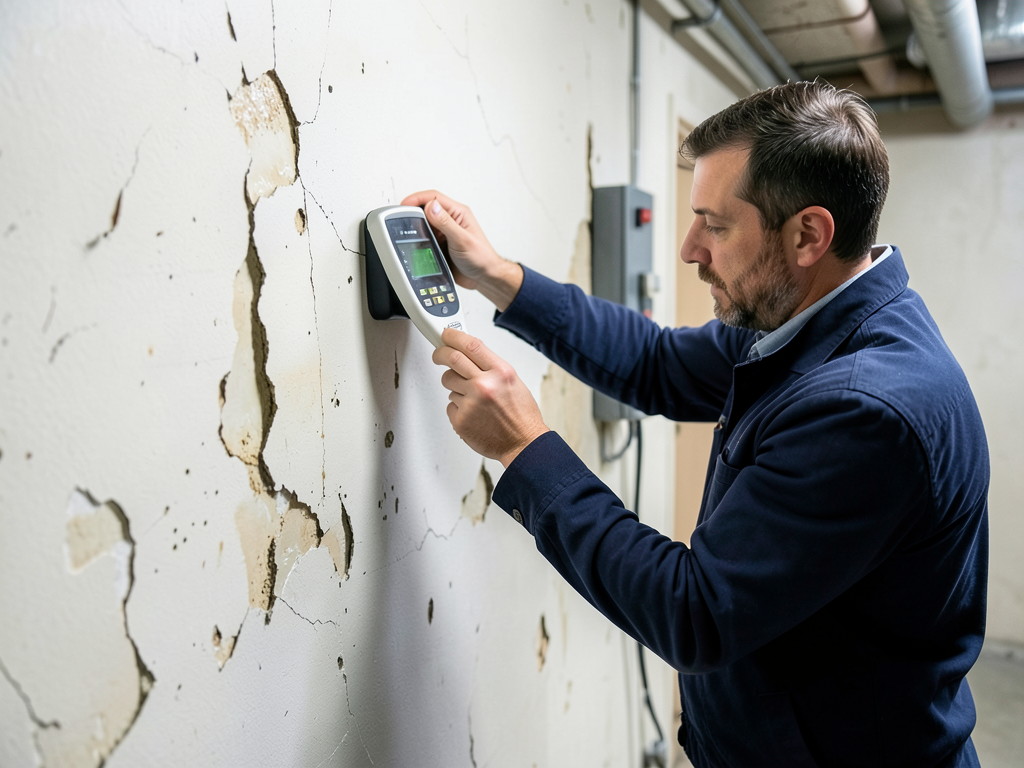
Next comes water extraction and dehumidification. We deploy truck-mounted extraction units capable of removing thousands of gallons per hour from flooded basements and crawl spaces. Standing water is only part of the problem. Porous materials like drywall, insulation, and subflooring absorb moisture rapidly. We use thermal imaging cameras to identify hidden saturation behind walls and under flooring. Commercial-grade dehumidifiers and air movers run continuously to bring moisture levels below the 60 percent threshold where mold spores activate.

Storm damage remediation requires documentation at every stage. We photograph damage patterns, measure moisture readings with pin-type and non-invasive meters, and maintain detailed logs. Insurance adjusters need this evidence to process claims. We speak their language and provide the documentation that prevents claim denials.

The final phase addresses permanent storm damage repair. This means replacing damaged roofing materials, repairing compromised flashing and underlayment, restoring water-damaged interiors, and verifying structural integrity. We do not patch over problems. We identify why the damage occurred and correct underlying vulnerabilities to prevent recurrence during the next severe weather event.

How We Handle Your Storm Damage Emergency

Storm Damage Mitigation in Louisville – 24/7 Emergency Response and Complete Property Protection
01

Immediate Damage Assessment

We arrive on-site within hours of your call, not days. Our technicians conduct a full property inspection to identify all damage points, including hidden issues like compromised roof decking, saturated insulation, and water migration pathways. We prioritize life safety hazards like exposed electrical wiring, structural instability, and contaminated floodwater. You receive a verbal briefing on critical findings and immediate action items before we begin mitigation work.
02

Emergency Stabilization and Extraction

We secure your property against further damage and begin water removal immediately. This includes emergency board-up services, roof tarping, water extraction, and placement of drying equipment. We establish containment barriers to prevent cross-contamination between affected and unaffected areas. All equipment placements are documented with photos and moisture readings. You get real-time updates as conditions change and drying progresses through the critical first 72 hours.
03

Restoration and Prevention

Once drying is complete and moisture levels return to normal range, we begin permanent repairs. This includes replacing damaged roofing materials, repairing or replacing compromised drywall and insulation, treating affected framing lumber, and restoring finishes. We identify and correct the vulnerabilities that allowed damage to occur, whether that means upgrading flashing details, improving drainage, or reinforcing structural connections. Final moisture verification ensures your property is truly dry before we close walls.

Why Louisville Properties Need Local Storm Damage Expertise

Storm damage restoration in Louisville requires understanding local building patterns and regional weather risks. The historic homes in Old Louisville and Butchertown have different vulnerabilities than newer construction in Prospect or Middletown. We know which roofing details fail first during high wind events, how Louisville's freeze-thaw cycles compromise already damaged materials, and which basement configurations flood during heavy rainfall.

Elite Water Damage Restoration Louisville maintains relationships with local roofing suppliers, insurance adjusters who work Jefferson County regularly, and structural engineers familiar with Louisville construction methods. When we need specialty materials to match historic roofing or period-appropriate repairs, we know where to source them. When your insurance company questions our findings, we provide documentation they recognize and accept.

We understand Louisville's permitting requirements and inspection protocols. Storm damage repairs that affect structural elements or electrical systems require permits through Louisville Metro's Department of Codes and Regulations. We handle this process and coordinate inspections so your repairs meet code and your occupancy permit remains valid.

Our technicians live and work in Louisville. We responded to the March 2023 tornado outbreak that damaged hundreds of properties across Jefferson and Oldham Counties. We handled flooding from the remnants of Hurricane Ida. We have seen every failure mode that Louisville storms create, from wind-driven rain intrusion through brick veneer to basement flooding from overwhelmed storm sewers.

You need a restoration company that understands Louisville weather patterns, construction methods, and insurance claim processes. That local knowledge determines whether your property is properly protected or set up for recurring problems.

What You Can Expect From Our Storm Damage Services

Emergency Response Timeline

We maintain 24/7 emergency dispatch and target on-site arrival within two to four hours for Louisville Metro properties. Severe weather does not follow business hours. Neither do we. Our crews work nights, weekends, and holidays to prevent secondary damage. You speak directly with a project manager who coordinates your entire restoration, not a call center in another state. Initial stabilization work begins the same day you contact us. Water extraction and drying equipment deployment happens immediately. We do not schedule you for next week while water damage spreads through your property.

Comprehensive Damage Documentation

Every moisture reading, photo, and equipment placement gets logged in your project file. We use calibrated moisture meters and thermal imaging to identify damage invisible to the naked eye. You receive detailed reports showing before, during, and after conditions with time-stamped documentation. This evidence supports your insurance claim and provides proof of proper mitigation. We communicate directly with your insurance adjuster and provide the documentation format they require. Our goal is claim approval, not back-and-forth disputes over scope or pricing. Most insurance companies recognize our documentation standards and process claims efficiently.

Complete Property Restoration

We do not stop at water extraction and call it finished. Complete storm damage restoration means your property returns to pre-loss condition or better. We handle roofing repairs, interior reconstruction, flooring replacement, and final finishes. All work meets or exceeds Louisville building codes and manufacturer installation specifications. We match existing materials and finishes so repairs blend seamlessly. You get one point of contact managing the entire project from emergency response through final walkthrough. No coordination between multiple contractors or gaps in accountability. The project manager who responds to your initial call oversees completion and final inspection.

Post-Restoration Monitoring

Storm damage can reveal underlying problems that need ongoing attention. We provide follow-up inspections to verify moisture levels remain stable and repairs perform as expected. You receive guidance on preventing future storm damage, including drainage improvements, roof maintenance schedules, and early warning signs of water intrusion. If issues develop after project completion, we respond quickly to assess and address them. Our relationship with you does not end when the final invoice is paid. We want your property protected long-term, not just temporarily patched.

Frequently Asked Questions

You Have Questions,
We Have Answers

What are the 4 types of hazard mitigation actions? +

The four types of hazard mitigation actions are prevention, property protection, structural projects, and emergency services. Prevention includes zoning laws and building codes that keep structures out of flood zones. Property protection involves elevation, relocation, or retrofitting homes to resist damage. Structural projects include levees, floodwalls, and drainage improvements. Emergency services focus on warning systems and evacuation planning. In Louisville, properties near the Ohio River benefit from structural flood control systems, while homes in eastern Jefferson County often need property protection measures like sump pumps and foundation waterproofing due to flash flooding from heavy rainfall.

What can be done to mitigate storms? +

Storm mitigation starts with strengthening your property before severe weather hits. Install impact-resistant roofing materials, secure loose siding, and trim trees near your home. Clean gutters and downspouts to prevent water backup. Anchor outdoor items that become projectiles in high winds. For Louisville homes, pay attention to basement waterproofing since heavy thunderstorms dump rain fast on clay soil that does not absorb water well. Install a generator for power outages during ice storms. Document your property with photos before storm season. Create an emergency kit with supplies for 72 hours. These steps reduce damage and speed recovery.

Does storm damage raise insurance rates? +

Filing a storm damage claim typically does not raise your rates immediately, but multiple claims over time can increase premiums or lead to non-renewal. Insurance companies review your claim history when determining rates. A single claim from a major storm event like the March 2021 Louisville tornado outbreak usually gets treated differently than repeated smaller claims. Your rates depend on factors like claim severity, your history, and overall market conditions. To protect your rates, only file claims for significant damage that exceeds your deductible. Document everything thoroughly. Preventive measures like roof upgrades can sometimes qualify for discounts that offset increases.

What are examples of mitigation? +

Mitigation examples include elevating HVAC systems above flood levels, installing storm shutters, reinforcing garage doors, and upgrading roof attachments to meet wind codes. Grading your yard away from the foundation prevents water intrusion. Installing backflow valves stops sewer backup during floods. In Louisville's Butchertown and Portland neighborhoods near the river, some homeowners elevate entire structures on piers. Retrofitting crawl spaces with vapor barriers addresses moisture from humid summers. Tree removal reduces wind damage risk. French drains and sump pumps handle heavy rainfall. These physical improvements reduce future damage and lower long-term costs compared to repeated repairs.

What are the five methods of mitigation? +

The five methods of mitigation are avoidance, reduction, spreading, transfer, and acceptance. Avoidance means not building in high-risk areas like floodplains. Reduction involves strengthening structures with reinforced materials or drainage systems. Spreading distributes risk across multiple properties or investments. Transfer shifts financial risk through insurance policies. Acceptance acknowledges some risk remains after other methods. For Louisville property owners, reduction and transfer work best. You cannot avoid living here, but you can reduce storm damage through proper construction and transfer financial risk with comprehensive coverage that includes wind, hail, and flood insurance from separate policies.

How does FEMA define mitigation? +

FEMA defines mitigation as sustained action to reduce or eliminate long-term risk to people and property from hazards and their effects. This goes beyond emergency response. Mitigation happens before disasters strike through planning, policy changes, and physical improvements. FEMA emphasizes breaking the cycle of damage, rebuild, damage again. Their programs fund projects like buyouts of repeatedly flooded properties, infrastructure upgrades, and building code improvements. In Louisville, FEMA has supported floodplain management along Beargrass Creek and the Ohio River. The focus stays on permanent risk reduction, not temporary fixes. Mitigation saves money by preventing future losses.

What are the 4 C's of disaster recovery? +

The four C's of disaster recovery are communication, coordination, collaboration, and compassion. Communication keeps everyone informed about damage assessment, timelines, and resources. Coordination aligns multiple parties like contractors, insurance adjusters, and local officials. Collaboration brings together homeowners, businesses, and restoration teams working toward common goals. Compassion recognizes the emotional toll disasters create. In Louisville storm recovery situations, these principles guide effective restoration. Clear communication with your water damage team prevents delays. Coordination between roofers, restoration crews, and insurers speeds the process. Collaboration with neighbors sharing resources helps everyone recover faster. Compassion acknowledges your stress during difficult decisions.

What are the 4 mitigation strategies? +

The four mitigation strategies are local plans and regulations, structure and infrastructure projects, natural systems protection, and education and awareness. Local plans include updated building codes and zoning restrictions. Structure projects involve physical improvements like reinforced construction or drainage systems. Natural systems protection preserves wetlands and forests that absorb floodwater and buffer wind. Education teaches property owners about risks and prevention. Louisville implements these through Metropolitan Sewer District stormwater management, building code enforcement in new construction, preservation of Floyds Fork floodplain as natural buffer, and public awareness campaigns before severe weather season. Combined strategies create layered protection.

What are the 5 P's of disaster management? +

The five P's of disaster management are prevention, preparedness, protection, public awareness, and post-disaster recovery. Prevention reduces hazard occurrence through land use planning. Preparedness builds capacity before events through training and supplies. Protection involves physical barriers and structural improvements. Public awareness educates communities about risks and responses. Post-disaster recovery restores normal conditions. For Louisville homeowners facing storm threats, this means preventing water intrusion with proper drainage, preparing emergency kits and evacuation plans, protecting your home with impact-resistant materials, staying aware of weather alerts through local systems, and knowing recovery resources including qualified restoration contractors who understand Louisville's specific storm patterns.

What not to say to a homeowners insurance adjuster? +

Never admit fault, exaggerate damage, speculate about causes, or accept a settlement immediately. Do not say your property had pre-existing damage or that you are unsure what happened. Avoid discussing previous claims or saying the damage seems minor. Never sign documents without reading them or agree to recorded statements unprepared. In Louisville storm damage cases, stick to facts you observed. Document everything with photos and timestamps. Answer only questions asked without volunteering extra information. Get repair estimates before settling. The adjuster works for the insurance company, not you. Consider hiring a public adjuster for complex claims.

How Louisville's Ohio River Valley Climate Amplifies Storm Damage Risks

Louisville sits in a geographic funnel where warm, moist air from the Gulf of Mexico collides with cooler continental air masses. This creates the severe thunderstorm activity and tornado potential that peaks from March through June. The Ohio River Valley traps moisture and creates persistent humidity that accelerates mold growth after water intrusion. Properties near the river or tributary creeks face compound flooding risks when storm sewers back up during heavy rainfall. The combination of severe weather frequency and high ambient humidity means storm damage mitigation cannot wait. Every hour of delay increases the likelihood of permanent damage and mold contamination.

Louisville building codes and insurance requirements reflect these regional risks. Properties in flood zones near the Ohio River require specific mitigation measures and documentation. Elite Water Damage Restoration Louisville maintains certifications in water damage restoration and mold remediation recognized by Louisville Metro inspectors and major insurance carriers operating in Kentucky. We understand local code requirements for structural repairs and moisture barrier installation. Our documentation meets Kentucky Department of Insurance standards for claim processing. Choosing a restoration company without Louisville-specific experience means delays, code violations, and potential claim denials.

Water Damage Services in The Louisville Area

Elite Water Damage Restoration is proud to serve the entire Louisville metropolitan area and surrounding communities. We are committed to providing top-tier water damage solutions to all residents and businesses in our service region. Feel free to explore our service map to confirm your location is within our coverage area or simply give us a call to discuss your specific needs. Our team is ready to help restore your property with speed and professionalism.

Address:
Elite Water Damage Restoration Louisville, 1000 E Kentucky St., Louisville, KY, 40204

Additional Services We Offer

Our news updates

Latest Articles & News from The Blogs

Why those rubber washing machine hoses are a ticking time bomb for your Fern Creek laundry room Every year thousands…

Why those rubber washing machine hoses are a ticking time bomb for your Fern Creek laundry room

Why those rubber washing machine hoses are a ticking time bomb for your Fern Creek laundry room Every year thousands…

Keeping your pets safe from mold and bacteria after a Louisville basement leak

Keeping Your Pets Safe from Mold and Bacteria After a Louisville Basement Leak A basement leak in Louisville creates immediate…

What to do in the first hour after finding a flood in your J-town home

What to do in the first hour after finding a flood in your J-town home Finding water pouring into your…

Contact Us

Storm damage gets worse every hour you wait. Call Elite Water Damage Restoration Louisville at (502) 370-2711 right now for immediate emergency response. We are standing by 24/7 to secure your property and prevent additional damage.