




Menu

Basement Flood Cleanup in Louisville – 24/7 Emergency Response Across Jefferson County

Fast basement water extraction and complete flood restoration services for residential and commercial properties in Louisville, backed by certified technicians who understand Kentucky's unique weather patterns and Ohio River flood risks.

Slider Image 1
Slider Image 2
Slider Image 3
Slider Image 4
Slider Image 5
Slider Image 7
Slider Image 8
Slider Image 9
Slider Image 10
Slider Image 11

Why Louisville Basements Flood and What Happens If You Wait

Louisville sits in the Ohio River floodplain, where heavy spring storms and rapid snowmelt create a constant threat to below-grade spaces. Your basement is the first line of defense against groundwater intrusion, and when that defense fails, the clock starts ticking.

Water moves fast. Within the first 24 hours, drywall wicks moisture two feet up the wall. Carpet padding becomes a bacterial breeding ground. Wood subflooring begins to swell and warp. By hour 48, mold spores colonize every damp surface. At 72 hours, you are looking at structural damage to floor joists and the potential for foundation settlement as saturated clay soil shifts beneath your home.

The Ohio River Valley's high humidity makes everything worse. Even after visible water disappears, moisture stays trapped in porous materials. Concrete block walls in older Highlands and Germantown homes absorb water like a sponge. Basement flood restoration is not just about pumping out standing water. Flooded basement water removal requires industrial extraction equipment that pulls moisture from materials, not just surfaces.

Louisville's clay-heavy soil does not drain. Water pools against foundation walls, searching for any crack or gap. If your sump pump fails during a storm or your exterior drainage system gets overwhelmed, you need flooded basement pumping and basement water extraction immediately. The longer water sits, the more expensive the fix becomes. Foundation cracks widen. Efflorescence stains concrete. Metal ductwork rusts. Your HVAC system pulls humid air through the house, spreading the problem upstairs.

This is not a shop vac situation. You need professional flooded basket remediation before the damage compounds.

Why Louisville Basements Flood and What Happens If You Wait
How Professional Basement Flood Cleanup Actually Works

How Professional Basement Flood Cleanup Actually Works

We do not just remove water. We reverse the damage and prevent the next flood from happening the same way.

First, we categorize the water source. Clean water from a broken supply line is Category 1. Water from a washing machine overflow or sump pump failure is Category 2, which contains contaminants. Sewage backup or river flooding is Category 3, requiring biohazard protocols. The category determines our extraction method, disposal procedures, and safety equipment.

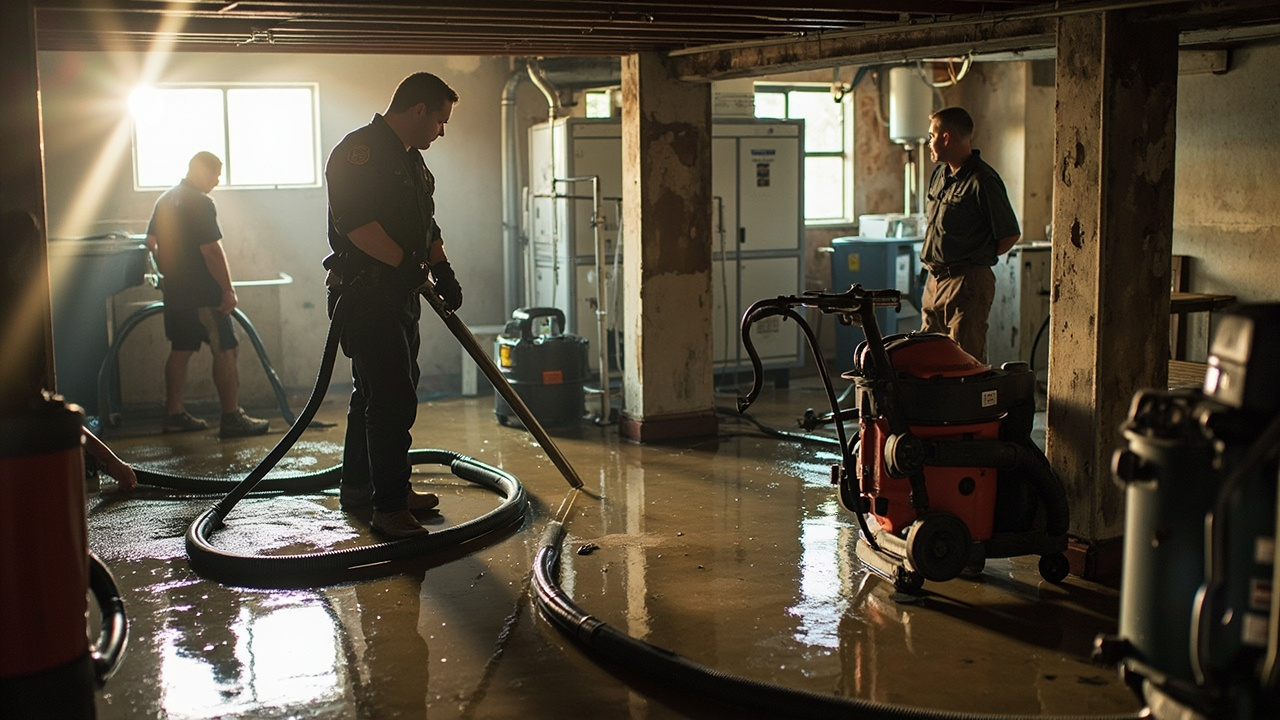
We use truck-mounted extractors that generate enough vacuum pressure to pull water from carpet backing, pad, and subfloor in a single pass. Portable pumps handle standing water. For saturated concrete, we deploy weighted extraction tools that create a seal and literally suck moisture from the pores.

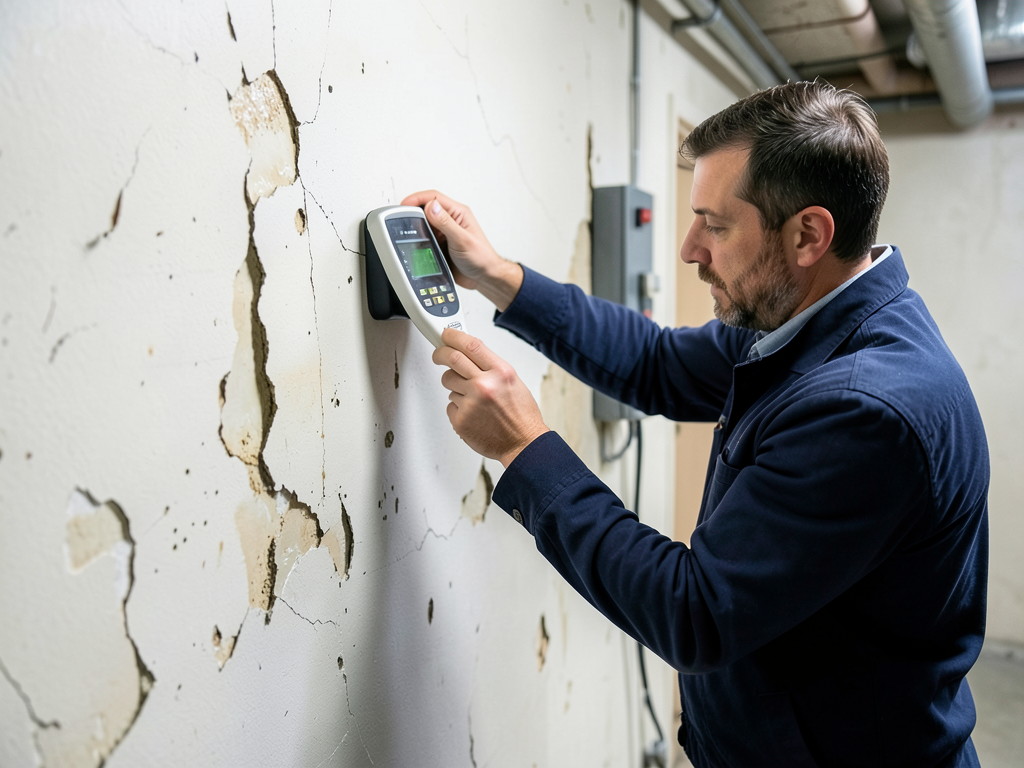
After extraction, we map moisture levels using thermal imaging cameras and pin-type meters. You cannot see moisture inside a wall cavity, but we can measure it. We document everything for your insurance claim, including photos, moisture readings, and affected square footage.

Then comes structural drying. We position commercial air movers to create airflow across every wet surface. Low-grain refrigerant dehumidifiers pull moisture from the air faster than it can evaporate from materials. We monitor daily, adjusting equipment placement as materials dry. Drywall dries from the outside in. Hardwood dries from the edges toward the center. We know the physics.

If we find mold growth, we contain the area with plastic sheeting and negative air pressure, then remove contaminated materials following IICRC S520 standards. We do not just spray bleach and call it done. We remove the source, treat the surface, and verify clearance with post-remediation testing.

Elite Water Damage Restoration Louisville uses moisture mapping and targeted drying to prevent hidden damage that shows up months later as buckled floors or black mold behind baseboards.

What Happens When You Call for Emergency Basement Flood Cleanup

Basement Flood Cleanup in Louisville – 24/7 Emergency Response Across Jefferson County
01

Immediate Water Removal

We arrive with truck-mounted extractors and portable pumps to remove standing water within the first hour. Our technicians assess the water category, identify the source, and stop active intrusion before beginning extraction. We document the loss with photos and moisture readings for your insurance company while removing thousands of gallons from your basement using high-capacity equipment designed for commercial-scale flooding.
02

Structural Drying and Monitoring

After extraction, we position air movers and dehumidifiers to create optimal drying conditions. We measure moisture in walls, floors, and structural components twice daily using thermal cameras and moisture meters. This phase takes three to five days depending on materials and saturation levels. We adjust equipment placement as readings drop, focusing drying power where moisture hides. You receive daily updates with documented progress toward our target moisture levels.
03

Restoration and Prevention

Once materials reach acceptable moisture levels, we remove damaged components that cannot be saved, treat surfaces for microbial growth, and prepare the space for reconstruction. We identify why the flood happened and recommend permanent solutions like sump pump upgrades, exterior drainage improvements, or foundation crack repair. You get a dry basement and a plan to prevent the next flood before it starts.

Why Louisville Property Owners Choose Local Basement Flood Specialists

National franchises send technicians who have never seen a Louisville basement. They do not know that homes in Old Louisville have limestone foundations that crumble when saturated. They have never dealt with the specific challenges of Butchertown's low elevation or the water table issues in Prospect.

We work in Jefferson County every day. We know which streets flood first when Beargrass Creek overflows. We understand how the clay soil in eastern Louisville holds water against foundation walls for days after a storm. We have dried out basements in Cherokee Triangle bungalows, Anchorage estates, and Smoketown shotgun houses. Each neighborhood has different construction methods, different foundation types, and different flooding triggers.

Our technicians are IICRC-certified in water damage restoration and applied structural drying. That means they understand psychrometrics, the science of how water moves through building materials and how to manipulate temperature, humidity, and airflow to accelerate evaporation. This is not common sense. It is physics.

We own our equipment. When you call at 2 a.m. because your basement has three feet of water, we do not have to wait for a rental company to open. We have truck-mounted extractors, trailer-mounted dehumidifiers, and enough air movers to dry a 5,000-square-foot space. We can scale to commercial jobs or handle residential emergencies with the same equipment and expertise.

We work directly with your insurance company. We know what Louisville adjusters expect in documentation. We provide detailed moisture maps, daily logs, and photo documentation that supports your claim. We bill insurance directly in most cases, so you are not stuck paying upfront and waiting for reimbursement.

Elite Water Damage Restoration Louisville responds to your neighborhood because we live here. We understand local building codes, local weather patterns, and the local construction methods that make your property unique.

What to Expect During Basement Flood Cleanup

Response Time and Availability

We answer calls 24 hours a day, 365 days a year. When you call, you speak to a technician, not an answering service. We dispatch immediately, and our average response time in the Louisville metro area is under 90 minutes. During major storm events when multiple properties flood simultaneously, we prioritize based on severity and risk. Category 3 water gets immediate response. Active intrusion gets priority over standing water. We communicate clearly about arrival time and what to do while you wait, including how to shut off power to the basement and whether to move belongings.

Initial Assessment and Documentation

The first technician on site performs a visual inspection and moisture survey. We identify the water source, measure the affected area, classify the water category, and determine what materials are salvageable. We take photos and moisture readings at multiple locations, creating a baseline for insurance documentation. You receive a verbal explanation of what needs to happen next, a written scope of work, and a timeline. If you need emergency board-up or temporary power, we handle it immediately. This assessment takes 30 to 45 minutes and gives you a clear picture of the damage and the restoration process.

Final Results and Quality Standards

Your basement is not ready until moisture readings match unaffected areas of your home. We use IICRC S500 standards as our benchmark, which means wood flooring below 12 percent moisture content, drywall below 1 percent, and concrete below 4 percent on a calcium carbide test. We provide final documentation showing before and after readings. All contaminated materials are removed and disposed of properly. Surfaces are treated with antimicrobial solutions where needed. You receive a complete report that satisfies your insurance company and protects you from future liability if mold appears months later.

Insurance Coordination and Billing

We work with every major insurance carrier operating in Kentucky. We know what documentation your adjuster requires, and we provide it without you having to ask. In most cases, we bill your insurance company directly after you pay your deductible. We attend adjuster inspections, explain our methodology, and advocate for complete restoration rather than shortcuts. If your claim gets denied or underpaid, we provide the technical documentation you need to appeal. Our goal is to get you fully restored without draining your savings or fighting with your insurance company for months.

Frequently Asked Questions

You Have Questions,
We Have Answers

How to clean up after a flooded basement? +

First, shut off electricity to the basement to avoid shock hazards. Remove standing water with a pump or wet vacuum. Pull out soaked furniture, rugs, and belongings. Remove wet drywall and insulation at least 12 inches above the water line to prevent mold. Scrub hard surfaces with a disinfectant. Set up industrial fans and dehumidifiers to dry the space completely. Louisville's high humidity slows drying, so monitor moisture levels with a meter. Document all damage with photos for insurance. If water is contaminated or the job is large, call a water damage restoration professional immediately.

How much does it cost to clean up a flooded basement? +

Basement flood cleanup in Louisville typically runs between $1,000 and $10,000, depending on water volume, contamination level, and damage extent. Minor clean water floods cost less. Sewage backups or extensive structural damage push costs higher. Factors include pump-out time, drying equipment rental, mold remediation, and materials like drywall or insulation replacement. Louisville's clay soil can cause foundation cracks that worsen flooding, adding repair costs. Insurance often covers sudden floods but not gradual seepage. Get multiple estimates and ask about moisture testing, antimicrobial treatment, and drying protocols before committing.

How much does Servpro cost to clean a basement? +

Servpro pricing for basement cleanup varies by project scope, water category, and damage severity. You can expect costs similar to industry averages, ranging from hundreds to thousands of dollars. They typically charge for water extraction, drying equipment, labor, and restoration materials. Servpro is a franchise, so Louisville locations may have different pricing structures. Request a detailed written estimate that breaks down equipment fees, labor hours, and materials. Compare this with local Louisville restoration companies who may offer competitive rates and faster response times. Always verify licensing, insurance coverage, and customer reviews before choosing any restoration provider.

What type of professional fixes flooded basements? +

A certified water damage restoration professional handles flooded basements. These specialists hold IICRC certification in water damage restoration and structural drying. In Louisville, look for companies with mold remediation credentials, especially given the area's humidity. Some plumbing contractors offer emergency water removal but lack drying expertise. Restoration professionals use moisture meters, thermal cameras, and industrial dehumidifiers to ensure complete drying. They understand Louisville's building codes and foundation issues common to the region. Check for proper licensing, insurance, and 24/7 emergency availability. Avoid general handymen for flood work, as improper drying leads to mold and structural problems.

How do I prevent mold after a basement flood? +

Begin drying within 24 to 48 hours, as mold starts growing fast in Louisville's humid climate. Remove all wet materials like carpet, drywall, and insulation. Run commercial-grade dehumidifiers and air movers continuously until moisture readings reach safe levels. Clean all hard surfaces with antimicrobial solutions. Ensure basement humidity stays below 60 percent. Increase ventilation and consider a permanent dehumidifier for Louisville basements prone to moisture. Monitor for musty odors or visible growth in the weeks following cleanup. If mold appears or the flood involved sewage, hire a certified mold remediation specialist immediately to prevent health risks.

How long does it take for mold to grow after flooding? +

Mold can begin growing within 24 to 48 hours after a basement flood, especially in Louisville's warm, humid conditions. Spores are always present but need moisture to colonize. Porous materials like drywall, carpet, and insulation become mold breeding grounds quickly. Temperature between 60 and 80 degrees accelerates growth. Basements in older Louisville homes with poor ventilation are particularly vulnerable. Visible mold often appears within three to five days, but hidden growth inside walls starts sooner. This tight timeframe makes immediate water removal and drying critical. Delay increases contamination, health risks, and remediation costs significantly.

Will insurance pay for a flooded basement? +

It depends on your policy and the flood cause. Homeowners insurance typically covers sudden, accidental water events like burst pipes or water heater failures. It usually excludes groundwater seepage, sewer backups without additional coverage, or gradual leaks. Louisville sits in a flood zone near the Ohio River, so standard policies often exclude natural flooding. You need separate flood insurance through FEMA's National Flood Insurance Program for river or storm surge damage. Review your declarations page and call your adjuster immediately after a flood. Document everything with photos. Claims require proof the damage was sudden and unforeseeable.

How long does it take to dry out a basement after a flood? +

Professional drying takes three to seven days for most Louisville basements, depending on water depth, materials affected, and humidity levels. Concrete floors dry slower than wood. Louisville's high humidity extends drying time compared to drier climates. Restoration teams use moisture meters to track progress, not just visual checks. Dehumidifiers and air movers run continuously. Insulation and drywall may need removal to dry wall cavities. Rushing the process traps moisture and causes mold. Severe floods or contaminated water take longer. Always wait for professional confirmation that moisture levels are safe before rebuilding or moving belongings back.

What is the most expensive part of finishing a basement? +

This question addresses basement finishing, not flood cleanup. The most expensive part of finishing a basement is typically the bathroom addition, followed by egress window installation required by code. HVAC extensions and electrical work add significant costs. However, if you are asking about flood restoration costs, structural repairs like foundation sealing, floor replacement, and mold remediation are the priciest. In Louisville, addressing foundation cracks caused by clay soil movement often drives up restoration expenses. Water-damaged support beams or floor joists require professional carpentry. Always separate cleanup costs from renovation plans when budgeting.

How much does it cost to finish a 2000 sq ft basement? +

This question asks about finishing a basement, not flood cleanup. Finishing a 2,000 square foot basement typically costs between $20,000 and $100,000, depending on materials and features. However, if you mean flood restoration for a 2,000 square foot basement in Louisville, expect $3,000 to $15,000 or more. Variables include water depth, contamination level, structural damage, and mold presence. Louisville's clay soil often causes foundation issues that increase costs. Restoration focuses on drying, sanitizing, and demolition, not upgrades. Finishing comes later, after the space is fully dried and safe. Get separate estimates for restoration and remodeling.

How Louisville's Ohio River Floodplain and Clay Soil Make Basement Flooding Inevitable

Louisville sits where the Ohio River bends, creating a natural floodplain that extends miles inland. When spring storms dump three inches of rain in two hours, the water has nowhere to go. The clay-heavy soil common throughout Jefferson County does not absorb water. It sheds it. That runoff pools against your foundation, searching for any crack or gap to exploit. Homes in low-lying areas like Butchertown and Shelby Park flood from groundwater intrusion even when the river stays within its banks. Basement water extraction is not optional here. It is a fact of life for anyone with below-grade living space in the metro area.

Kentucky building codes require proper foundation drainage, but many Louisville homes were built before modern waterproofing standards existed. If you own a home in Old Louisville, Crescent Hill, or the Highlands built before 1950, your foundation likely has no exterior waterproofing membrane and minimal drainage. That makes professional flooded basement remediation critical when water gets in. Local water damage restoration companies understand these older construction methods and know how to dry materials without causing additional damage. Choosing a provider familiar with Louisville's housing stock, soil conditions, and flood patterns means faster recovery and better outcomes.

Water Damage Services in The Louisville Area

Elite Water Damage Restoration is proud to serve the entire Louisville metropolitan area and surrounding communities. We are committed to providing top-tier water damage solutions to all residents and businesses in our service region. Feel free to explore our service map to confirm your location is within our coverage area or simply give us a call to discuss your specific needs. Our team is ready to help restore your property with speed and professionalism.

Address:
Elite Water Damage Restoration Louisville, 1000 E Kentucky St., Louisville, KY, 40204

Additional Services We Offer

Our news updates

Latest Articles & News from The Blogs

Why those rubber washing machine hoses are a ticking time bomb for your Fern Creek laundry room Every year thousands…

Why those rubber washing machine hoses are a ticking time bomb for your Fern Creek laundry room

Why those rubber washing machine hoses are a ticking time bomb for your Fern Creek laundry room Every year thousands…

Keeping your pets safe from mold and bacteria after a Louisville basement leak

Keeping Your Pets Safe from Mold and Bacteria After a Louisville Basement Leak A basement leak in Louisville creates immediate…

What to do in the first hour after finding a flood in your J-town home

What to do in the first hour after finding a flood in your J-town home Finding water pouring into your…

Contact Us

Every hour you wait increases the damage and the cost. Call Elite Water Damage Restoration Louisville now at (502) 370-2711 for immediate response. We are available 24/7 and dispatch to your location within 90 minutes.