




Shepherdsville sits in the Salt River watershed, where seasonal flooding and high water tables create persistent moisture challenges for homes and businesses. The clay-rich soil common throughout Bullitt County prevents proper drainage, forcing water toward foundations and crawl spaces during heavy rains. Spring storms rolling up from the Ohio River Valley dump several inches in hours, overwhelming gutters and saturating ground that stays wet for days.
Older homes near downtown Shepherdsville were built before modern waterproofing standards existed. Basements constructed in the 1960s and 1970s lack vapor barriers and proper sump systems. When combined with aging cast iron pipes and original galvanized plumbing, these properties face elevated risk of sudden failures. The freeze-thaw cycles we experience each winter stress pipes and foundations, creating cracks that leak when temperatures rise.
Commercial properties along Highway 44 and near the Paroquet Springs development deal with flat roof systems that pool water during storms. The humid Kentucky climate keeps indoor moisture levels high year-round, accelerating mold growth after any water intrusion. Properties near Cedar Grove and Hebron Lane sit in low-lying areas where stormwater runoff concentrates, making fast water extraction critical to preventing total losses.
Elite Water Damage Restoration Louisville has protected Shepherdsville properties for over a decade, responding to thousands of water emergencies throughout Bullitt County. We maintain a fully stocked facility less than 15 minutes from downtown Shepherdsville, stocked with truck-mounted extraction units, commercial dehumidifiers, air movers, and moisture detection equipment ready to deploy the moment you call.
Our technicians hold IICRC certifications in water damage restoration and applied structural drying. They understand how water migrates through the specific construction types common to Shepherdsville, from pier and beam foundations in older neighborhoods to modern slab construction in newer developments. We use thermal imaging cameras to find hidden moisture in walls and ceilings that standard meters miss, preventing mold growth that appears weeks after you think everything dried out.
We work directly with every major insurance carrier serving Kentucky. Our estimators photograph and document everything according to Xactimate standards, building claims that adjusters approve without the back-and-forth that delays your repairs. You get a dedicated project manager who coordinates with your insurance company, tracks the drying process daily, and keeps you informed through completion.
The difference shows in our response time and our refusal to leave jobs half-finished. We extract water, remove damaged materials, dry the structure completely, treat for microbial growth, and verify everything with moisture readings before we call it complete. No shortcuts. No surprises.

When you call our emergency line, dispatch alerts the closest crew immediately. Most Shepherdsville properties get technicians on-site within one hour, day or night. We arrive with truck-mounted extraction equipment powerful enough to remove thousands of gallons from flooded basements. Fast response stops water from spreading to unaffected areas and prevents secondary damage that doubles repair costs.

We handle the entire insurance process from documentation through final payment. Our estimators build detailed Xactimate estimates that match exactly what adjusters expect to see. We photograph damage at every stage, maintain chain of custody on removed materials, and provide the technical data insurance companies require. You avoid the stress of fighting for coverage while dealing with a disaster.
Every crew member who enters your property holds current certification in water damage restoration and applied structural drying through the Institute of Inspection, Cleaning and Restoration Certification. They follow science-based drying protocols, not guesswork. Moisture readings get recorded and tracked daily. Dehumidification continues until materials reach equilibrium moisture content. We dry structures correctly the first time.
We have worked in hundreds of Shepherdsville homes and businesses. Our teams know the construction methods, soil conditions, and drainage challenges specific to this area. We understand how water behaves in your crawl space, which local contractors do quality repairs, and how to navigate Bullitt County building department requirements for reconstruction projects. Local knowledge speeds up every phase of restoration.
Water damage strikes in different ways and demands different responses. A burst supply line requires immediate extraction and fast structural drying. A slow roof leak needs moisture mapping to find all affected areas before remediation starts. Sewage backups involve biohazard protocols and antimicrobial treatment that clean water floods do not require.
Elite Water Damage Restoration Louisville provides the full spectrum of water removal services Shepherdsville properties need. We respond to sudden catastrophic floods and chronic moisture problems alike. Our equipment inventory includes everything from portable extractors for small bathroom floods to trailer-mounted units that handle commercial building disasters. Every vehicle carries moisture meters, thermal cameras, air movers, dehumidifiers, and antimicrobial treatments.
We structure our services around the three distinct phases of water damage remediation. Emergency response stops active water intrusion and removes standing water. Structural drying eliminates moisture from building materials and contents. Restoration repairs or rebuilds damaged areas to pre-loss condition. Some jobs need all three phases. Others require only extraction and drying. We customize the scope based on what your specific situation demands, not a one-size-fits-all approach.
Rapid response teams deploy within 60 minutes to stop active water intrusion and remove standing water from your property. We use truck-mounted extractors capable of removing thousands of gallons per hour from flooded basements, crawl spaces, and commercial spaces. Technicians identify the water source, shut off supply lines or patch roof leaks, then extract all standing water before it spreads. We move furniture to dry areas, pull saturated carpeting, and start air circulation immediately to prevent mold growth.
After extraction, moisture remains trapped in walls, subfloors, and framing materials. Our certified technicians create drying chambers using commercial air movers and dehumidifiers positioned based on moisture meter readings and thermal imaging data. We monitor daily, adjusting equipment placement as materials dry. Drying continues until all building materials reach equilibrium moisture content verified by penetrating moisture meters. This prevents mold growth, wood rot, and structural damage that appears when people think everything dried but hidden moisture remains.
Sewage backups and toilet overflows require specialized handling beyond standard water removal. Our teams wear protective equipment and follow IICRC S500 standards for Category 3 water contaminated with pathogens and bacteria. We remove contaminated materials that cannot be salvaged, extract all sewage water, then apply EPA-registered antimicrobial treatments to all affected surfaces. Affected areas get thoroughly disinfected and dried using contained drying chambers to prevent cross-contamination to clean areas of your property.
The combination of aging infrastructure, clay soil, and severe weather creates predictable water damage patterns across Shepherdsville. Homes built before 1990 contain original plumbing that has reached the end of its service life. Cast iron drain lines corrode from the inside out, developing pinhole leaks that spray water inside walls for weeks before anyone notices. Galvanized supply pipes build up mineral deposits that restrict flow and increase pressure until joints fail.
Basement water intrusion spikes during spring storms when saturated clay soil forces groundwater through foundation cracks and around footer drains that stopped working decades ago. Crawl spaces flood when gutters overflow or downspouts dump water too close to foundations. The humid climate keeps moisture levels high enough that any water intrusion triggers mold growth within 48 hours if not dried properly.
Commercial buildings face rooftop HVAC condensate line failures and flat roof membrane deterioration. Retail spaces near Settlers Square and office buildings along Highway 44 experience ceiling leaks during heavy rains when roof drains clog with debris. These chronic moisture problems often go unnoticed until tenants complain about ceiling stains or musty odors indicating hidden water damage.
Supply line failures flood homes with clean water under pressure, causing extensive damage in minutes. Older homes contain original galvanized pipes and polybutylene supply lines prone to sudden failure. We respond immediately to shut off water, extract standing water, and begin structural drying before water soaks through subfloors and ceilings to rooms below. Fast response prevents most secondary damage.
Clay soil and high water tables force groundwater into basements through foundation cracks and failed footer drains during heavy rains. Crawl spaces flood when gutters overflow or sump pumps fail. Standing water damages HVAC systems, water heaters, and stored belongings while creating ideal conditions for mold growth. We extract all water, dry structural materials completely, and identify entry points for permanent waterproofing solutions.
Severe thunderstorms and winter ice dams drive water through compromised roofing systems. Water travels along rafters and penetrates insulation before dripping through ceilings, often far from the actual roof failure. Thermal imaging cameras locate hidden moisture in attic spaces and wall cavities that standard visual inspections miss. We dry all affected materials and provide documentation for roof repair insurance claims.
Washing machine supply hoses, dishwasher connections, and water heater tanks fail without warning, flooding laundry rooms and basements. These leaks often continue for hours before discovery, allowing water to spread under flooring and into adjacent rooms. We extract water from all affected areas, remove saturated materials like carpet padding and drywall, and dry the structure completely to prevent long-term damage and mold growth.
Water damage creates panic. You walk into a flooded basement or discover a ceiling dripping water and immediately need help. When you call Elite Water Damage Restoration Louisville, you reach a live person who dispatches help immediately, not an answering service or voicemail system. Our dispatcher collects essential information about your emergency, alerts the nearest crew, and gives you a realistic arrival time based on current location and traffic conditions.
The responding team arrives in marked vehicles with all necessary equipment already loaded. They assess the situation, explain exactly what needs to happen, and start water extraction immediately if you approve the work. You receive straightforward information about scope, timeline, and next steps without sales pressure or inflated estimates. Our project managers believe informed customers make better decisions, so we explain what we find as we find it.
Throughout the restoration process, you get regular updates on drying progress, insurance coordination status, and any issues that arise. We answer calls and texts promptly. Our teams arrive when scheduled and communicate if anything changes. You know what to expect each day because we tell you the plan and stick to it.
You speak with experienced staff who understand water damage emergencies, not call center operators reading scripts. We ask the right questions to assess your situation, dispatch appropriate crews, and provide accurate arrival times. Once on-site, technicians walk you through findings and recommendations in plain language. You get honest assessments about what needs immediate attention and what can wait. No scare tactics or pressure to authorize unnecessary work.
Our project managers maintain detailed records of moisture readings, equipment placement, and daily conditions throughout structural drying. You receive copies of all documentation for your records and insurance claim. We photograph damage before, during, and after restoration work. Your insurance adjuster gets comprehensive estimates, technical justifications, and supporting documentation that speeds claim approval. We handle follow-up questions and requests for additional information directly with your carrier.
We do not consider jobs finished until moisture readings confirm all materials reached safe levels and your property returns to pre-loss condition. Final walkthroughs happen with you present to verify all work meets expectations. You receive documentation showing final moisture content readings and confirmation that industry standards were met. If reconstruction is needed, we coordinate with licensed contractors or handle repairs in-house to deliver a turnkey restoration.
Every water damage situation is different, but our response follows a systematic approach proven to minimize damage and speed recovery. We move fast but methodically through emergency response, structural drying, and restoration phases.
Technicians arrive within 60 minutes to assess damage, identify water sources, and begin extraction. We stop active leaks, remove standing water using truck-mounted or portable extractors, and move contents to dry areas. Thermal imaging cameras map moisture intrusion throughout affected areas. Saturated materials like carpet padding get removed immediately. Air movers and dehumidifiers start running to prevent secondary damage. You receive a detailed scope of work and initial estimate.
Commercial dehumidifiers and air movers run continuously in affected areas, creating optimal conditions for moisture evaporation from building materials. Technicians visit daily to take moisture readings, adjust equipment placement, and document drying progress. Hidden moisture in walls and subfloors gets tracked using penetrating moisture meters. Drying continues until all materials reach equilibrium moisture content verified through testing. This phase typically takes three to five days depending on materials affected and extent of saturation.
After complete drying verification, reconstruction begins to return your property to pre-loss condition. We handle repairs in-house when possible or coordinate with licensed contractors for specialized work. Damaged drywall gets replaced, flooring reinstalled, and paint matched to existing finishes. Final walkthroughs ensure all work meets your expectations and industry standards. You receive documentation showing completed moisture readings and confirmation your property is fully restored and safe.
Professional water damage restoration follows specific protocols established by the Institute of Inspection, Cleaning and Restoration Certification, the organization that sets industry standards for the entire restoration field. The IICRC S500 Standard and Reference Guide for Professional Water Damage Restoration defines proper procedures based on water category, affected materials, and contamination levels. These science-based protocols protect property owners and ensure complete remediation.
Water gets classified into three categories based on contamination level. Category 1 is clean water from supply lines or rainfall with no substantial contamination risk. Category 2 is gray water containing some contamination from appliances, toilet bowls, or washing machines that could cause discomfort or illness if ingested. Category 3 is black water from sewage backups, flooding from rivers or streams, or any water that contacted contaminated surfaces and poses serious health risks.
Kentucky does not require state licensing for water damage restoration contractors, but IICRC certification demonstrates commitment to proper training and ethical business practices. Certified technicians understand psychrometry, the science of air and moisture relationships that governs effective structural drying. They know how to calculate grain depression and vapor pressure differences to position dehumidifiers correctly. They follow documented drying protocols that protect against mold growth and structural damage.
Proper restoration requires specialized equipment including truck-mounted extraction units, low-grain refrigerant dehumidifiers, axial and centrifugal air movers, and moisture detection tools like thermal imaging cameras and penetrating moisture meters. The equipment alone does not guarantee success. Technicians must understand when to remove materials versus dry in place, how to create proper drying chambers, and how long to continue dehumidification based on material types and environmental conditions. Cutting corners or rushing the process leads to hidden moisture, mold growth, and structural problems that surface months later.
The IICRC S500 standard establishes minimum requirements for water damage restoration, including proper safety protocols, water classification procedures, and structural drying techniques. Certified firms follow documented procedures that ensure complete moisture removal and prevent microbial growth. Insurance companies prefer working with IICRC certified contractors because standardized documentation speeds claim processing and reduces disputes over proper procedures.
Professional restoration requires daily moisture readings taken at consistent locations and documented throughout the drying process. Penetrating moisture meters measure moisture content deep within materials like hardwood floors, framing lumber, and drywall. Thermal imaging cameras identify hidden moisture in wall cavities and ceiling spaces that visual inspection misses. Complete documentation proves structures dried to safe moisture levels and supports insurance claims.
Most water damage situations require three to five days of monitored structural drying to reach safe moisture levels. Timeline depends on materials affected, extent of saturation, humidity levels, and temperature conditions. Hardwood floors and plaster walls take longer to dry than drywall and carpet. Dehumidification must continue until materials reach equilibrium moisture content, not just until surfaces feel dry. Rushing this process guarantees mold problems later.
Category 1 clean water requires extraction and drying. Category 2 gray water requires antimicrobial treatment. Category 3 black water requires removal of contaminated materials, disinfection of structural surfaces, and strict containment protocols. Water category can escalate if clean water sits for over 48 hours or contacts contaminated surfaces. Proper classification ensures appropriate safety measures and prevents health risks.
Professional water damage restoration services in Shepherdsville, Kentucky. This video explains the complete water remediation process including emergency water extraction, structural drying protocols, and insurance coordination. Elite Water Damage Restoration Louisville demonstrates proper water removal techniques, moisture detection methods, and drying equipment used to restore Shepherdsville properties after flooding, pipe bursts, and storm damage. Learn about IICRC standards, moisture monitoring, and what property owners should expect during professional water damage cleanup and restoration.
Elite Water Damage Restoration Louisville maintains rapid response coverage throughout Shepherdsville and surrounding Bullitt County areas. Our central staging location puts crews within 15 minutes of most properties during normal conditions, with faster response to emergency situations. We have worked in hundreds of homes and businesses across every neighborhood and development in the greater Shepherdsville area.
Downtown Shepherdsville properties built in the early 1900s through mid-century face unique water damage challenges due to aging infrastructure and construction methods that predate modern waterproofing standards. Homes along Main Street and near the Bullitt County Courthouse contain original cast iron drain lines and galvanized supply pipes approaching the end of their service life. Basements in these older structures lack vapor barriers and proper drainage systems, making them vulnerable during heavy spring rains. We respond frequently to properties in this historic district for plumbing failures and groundwater intrusion.
Newer developments like Paroquet Springs, Landmark, and Stone Creek subdivisions contain modern construction but face different challenges. Rapid development sometimes results in grading issues where stormwater runoff concentrates against foundations. Homes built in the 2000s and 2010s may have construction defects or improper installation of moisture barriers that surface years later. We work regularly in these neighborhoods addressing water heater failures, appliance leaks, and HVAC condensate line problems common to newer homes.
The Cedar Grove and Hebron Lane corridors sit in lower elevation areas where properties experience basement flooding during severe storms. The heavy clay soil throughout this area prevents proper drainage, keeping ground saturated for extended periods. Crawl spaces flood easily when gutters overflow or sump pumps fail. We respond to multiple emergency calls in these areas during spring storm season when rainfall overwhelms residential drainage systems.
Commercial properties along Highway 44 and near the Interstate 65 corridor include retail centers, office buildings, and industrial facilities requiring specialized response capabilities. Flat roof systems on commercial structures develop membrane failures that allow water intrusion during storms. Rooftop HVAC units create condensate drainage problems that flood ceiling spaces. We maintain commercial-grade extraction and drying equipment capable of handling large-scale water damage in business environments.
Properties near Knob Creek and along the Salt River floodplain face elevated risk during flood events. While most modern homes sit above the 100-year floodplain, older structures and accessory buildings experience periodic flooding during extreme weather. We coordinate with property owners in these flood-prone areas on both emergency response and preventive waterproofing solutions to minimize future damage risk.
Water damage restoration in Shepherdsville typically takes 3 to 7 days for most residential properties. The timeline depends on the extent of damage, affected materials, and water category. Minor incidents affecting one room finish faster, while severe flooding across multiple floors takes longer. Extraction and drying account for most of the time, usually 2 to 4 days. Cleanup, sanitization, and repairs add additional days. Your restoration company provides a specific timeline after initial assessment. Weather conditions and humidity levels in Shepherdsville also impact drying time.
Water damage restoration expenses in Shepherdsville vary based on damage severity, affected square footage, water source, and required services. Small incidents affecting limited areas require less investment than extensive flooding throughout your home. Category 3 water from sewage needs more intensive treatment than clean water. Your restoration company provides a detailed estimate after inspection. Most professionals offer free assessments and work directly with insurance providers. Many homeowners find their insurance covers significant portions of restoration work. Request itemized estimates from multiple local companies to understand your specific situation.
Most homeowners insurance policies in Shepherdsville cover sudden and accidental water damage, such as burst pipes, appliance failures, or roof leaks from storms. Policies typically exclude gradual damage from neglected maintenance or flooding from external sources. Flood damage requires separate flood insurance through the National Flood Insurance Program. Review your policy documents or contact your insurance agent to understand your specific coverage. Your restoration company helps document damage and communicates with adjusters. Keep all receipts and take photos before repairs begin.
Water damage restoration in Shepherdsville typically takes 3 to 7 days for most residential properties. The timeline depends on the extent of damage, affected materials, and water category. Minor incidents affecting one room finish faster, while severe flooding across multiple floors takes longer. Extraction and drying account for most of the time, usually 2 to 4 days. Cleanup, sanitization, and repairs add additional days. Your restoration company provides a specific timeline after initial assessment. Weather conditions and humidity levels in Shepherdsville also impact drying time.
Water damage restoration expenses in Shepherdsville vary based on damage severity, affected square footage, water source, and required services. Small incidents affecting limited areas require less investment than extensive flooding throughout your home. Category 3 water from sewage needs more intensive treatment than clean water. Your restoration company provides a detailed estimate after inspection. Most professionals offer free assessments and work directly with insurance providers. Many homeowners find their insurance covers significant portions of restoration work. Request itemized estimates from multiple local companies to understand your specific situation.
Most homeowners insurance policies in Shepherdsville cover sudden and accidental water damage, such as burst pipes, appliance failures, or roof leaks from storms. Policies typically exclude gradual damage from neglected maintenance or flooding from external sources. Flood damage requires separate flood insurance through the National Flood Insurance Program. Review your policy documents or contact your insurance agent to understand your specific coverage. Your restoration company helps document damage and communicates with adjusters. Keep all receipts and take photos before repairs begin.
You need emergency water damage restoration in Shepherdsville when water actively flows into your home, affects electrical systems, comes from contaminated sources, or covers large areas. Immediate response prevents structural damage, mold growth, and increased repair needs. Call for emergency service if you see ceiling sagging, walls bulging, or standing water deeper than one inch. Sewage backups require immediate professional attention for health reasons. Quick action within 24 to 48 hours significantly reduces long-term damage and protects your belongings.
You might stay in your Shepherdsville home during restoration depending on damage extent and affected areas. Minor water damage confined to one room usually allows you to remain comfortable in other spaces. Extensive damage affecting multiple rooms, electrical systems, or creating safety hazards requires temporary relocation. Your restoration team assesses safety concerns including mold exposure, structural stability, and equipment noise. Professionals run dehumidifiers and air movers 24 hours daily, creating loud conditions. Discuss your situation with your restoration company to make informed decisions about staying or leaving.
Water damage restoration in Shepherdsville encompasses the complete process from emergency response through final repairs. It includes water extraction, drying, dehumidification, cleaning, sanitization, and returning your property to pre-loss condition. Restoration aims to save and restore existing materials when possible. Water damage repair refers specifically to reconstruction and replacement of materials beyond saving. Repair involves installing new drywall, flooring, or fixtures after restoration completes the drying process. Professional companies provide both services, starting with restoration to minimize loss before moving to necessary repairs.
Call a water damage restoration company in Shepherdsville immediately after discovering water damage. The first 24 hours are critical for preventing secondary damage, mold growth, and structural issues. Water spreads quickly through building materials, flooring, and walls. Mold begins growing within 24 to 48 hours in moist environments. Quick response reduces overall damage and restoration needs. Most Shepherdsville companies offer 24-hour emergency service. While you wait for professionals, stop the water source if safe and move valuables to dry areas. Prompt action protects your property and reduces long-term problems.
Water damage restoration companies in Shepherdsville use specialized equipment including industrial-grade water extractors, commercial dehumidifiers, and high-velocity air movers. Moisture meters and thermal imaging cameras detect hidden water in walls, ceilings, and floors. Air scrubbers with HEPA filters remove contaminants and odors. Professionals use antimicrobial treatments to prevent mold growth. Truck-mounted extraction units remove thousands of gallons quickly from severe flooding. Hardwood floor drying systems target moisture in wooden materials. This professional equipment works faster and more effectively than consumer-grade tools, ensuring thorough drying and preventing future problems.
Prevent mold after water damage in your Shepherdsville home by acting within 24 to 48 hours. Remove standing water immediately and increase air circulation with fans. Lower indoor humidity below 50 percent using dehumidifiers. Remove wet carpeting, padding, and porous materials if they stay wet beyond 48 hours. Professional restoration companies use antimicrobial treatments on affected surfaces. Monitor previously wet areas for musty odors or discoloration for several weeks. Keep your home well-ventilated during and after restoration. Address any lingering moisture problems quickly to prevent mold establishment.
Professional water damage restoration companies in Shepherdsville regularly work with insurance adjusters and understand the claims process. They document damage with photos and detailed reports for your insurance company. Many provide direct billing services and communicate directly with adjusters throughout restoration. Experienced companies know what documentation insurers require and help you navigate the claims process. They attend adjuster visits and provide estimates in formats insurance companies accept. This collaboration streamlines your claim and ensures proper coverage. Choose a restoration company with proven insurance experience to reduce stress during the claims process.
You need emergency water damage restoration in Shepherdsville when water actively flows into your home, affects electrical systems, comes from contaminated sources, or covers large areas. Immediate response prevents structural damage, mold growth, and increased repair needs. Call for emergency service if you see ceiling sagging, walls bulging, or standing water deeper than one inch. Sewage backups require immediate professional attention for health reasons. Quick action within 24 to 48 hours significantly reduces long-term damage and protects your belongings.
You might stay in your Shepherdsville home during restoration depending on damage extent and affected areas. Minor water damage confined to one room usually allows you to remain comfortable in other spaces. Extensive damage affecting multiple rooms, electrical systems, or creating safety hazards requires temporary relocation. Your restoration team assesses safety concerns including mold exposure, structural stability, and equipment noise. Professionals run dehumidifiers and air movers 24 hours daily, creating loud conditions. Discuss your situation with your restoration company to make informed decisions about staying or leaving.
Water damage restoration in Shepherdsville encompasses the complete process from emergency response through final repairs. It includes water extraction, drying, dehumidification, cleaning, sanitization, and returning your property to pre-loss condition. Restoration aims to save and restore existing materials when possible. Water damage repair refers specifically to reconstruction and replacement of materials beyond saving. Repair involves installing new drywall, flooring, or fixtures after restoration completes the drying process. Professional companies provide both services, starting with restoration to minimize loss before moving to necessary repairs.
Call a water damage restoration company in Shepherdsville immediately after discovering water damage. The first 24 hours are critical for preventing secondary damage, mold growth, and structural issues. Water spreads quickly through building materials, flooring, and walls. Mold begins growing within 24 to 48 hours in moist environments. Quick response reduces overall damage and restoration needs. Most Shepherdsville companies offer 24-hour emergency service. While you wait for professionals, stop the water source if safe and move valuables to dry areas. Prompt action protects your property and reduces long-term problems.
Water damage restoration companies in Shepherdsville use specialized equipment including industrial-grade water extractors, commercial dehumidifiers, and high-velocity air movers. Moisture meters and thermal imaging cameras detect hidden water in walls, ceilings, and floors. Air scrubbers with HEPA filters remove contaminants and odors. Professionals use antimicrobial treatments to prevent mold growth. Truck-mounted extraction units remove thousands of gallons quickly from severe flooding. Hardwood floor drying systems target moisture in wooden materials. This professional equipment works faster and more effectively than consumer-grade tools, ensuring thorough drying and preventing future problems.
Prevent mold after water damage in your Shepherdsville home by acting within 24 to 48 hours. Remove standing water immediately and increase air circulation with fans. Lower indoor humidity below 50 percent using dehumidifiers. Remove wet carpeting, padding, and porous materials if they stay wet beyond 48 hours. Professional restoration companies use antimicrobial treatments on affected surfaces. Monitor previously wet areas for musty odors or discoloration for several weeks. Keep your home well-ventilated during and after restoration. Address any lingering moisture problems quickly to prevent mold establishment.
Professional water damage restoration companies in Shepherdsville regularly work with insurance adjusters and understand the claims process. They document damage with photos and detailed reports for your insurance company. Many provide direct billing services and communicate directly with adjusters throughout restoration. Experienced companies know what documentation insurers require and help you navigate the claims process. They attend adjuster visits and provide estimates in formats insurance companies accept. This collaboration streamlines your claim and ensures proper coverage. Choose a restoration company with proven insurance experience to reduce stress during the claims process.
Elite Water Damage Restoration is proud to serve the entire Louisville metropolitan area and surrounding communities. We are committed to providing top-tier water damage solutions to all residents and businesses in our service region. Feel free to explore our service map to confirm your location is within our coverage area or simply give us a call to discuss your specific needs. Our team is ready to help restore your property with speed and professionalism.
Address:
Shepherdsville, KY, 40165

Why You Should Call a Restoration Expert instead of a General Contractor after a NuLu Pipe Burst \n\n When water floods your NuLu loft or gallery space, every minute counts. The burst pipe in your…

What to Do When Your Sump Pump Alarm Goes Off in the Middle of a…
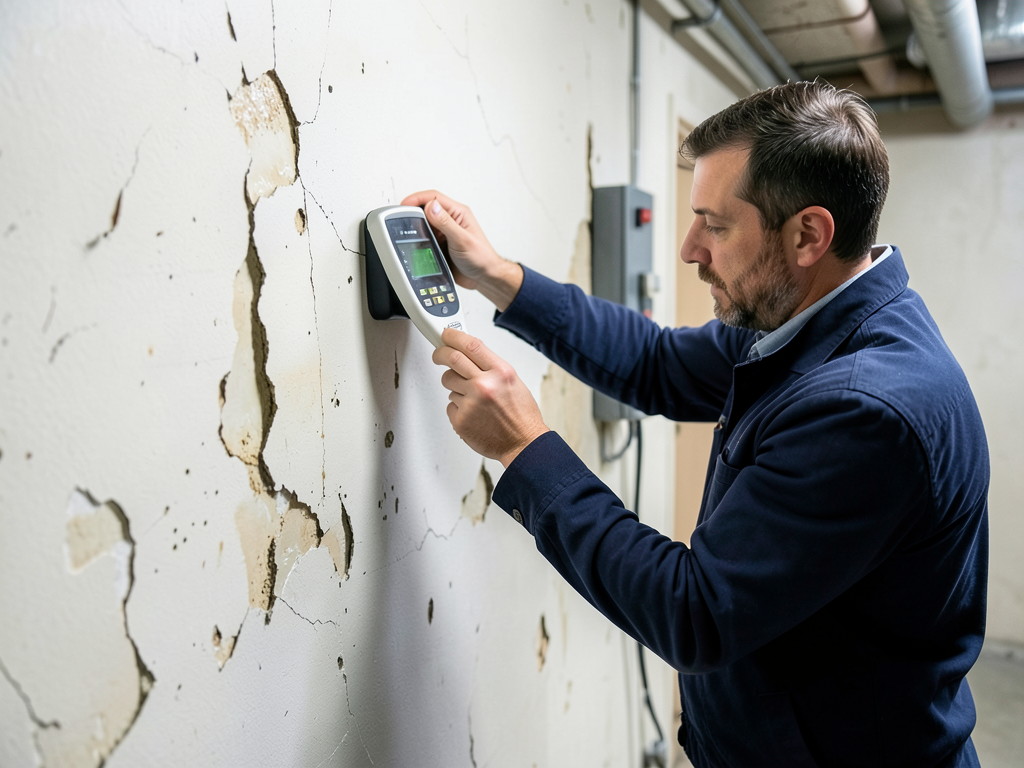
Understanding Actual Cash Value versus Replacement Cost after Water Damage in Your PRP Home When…
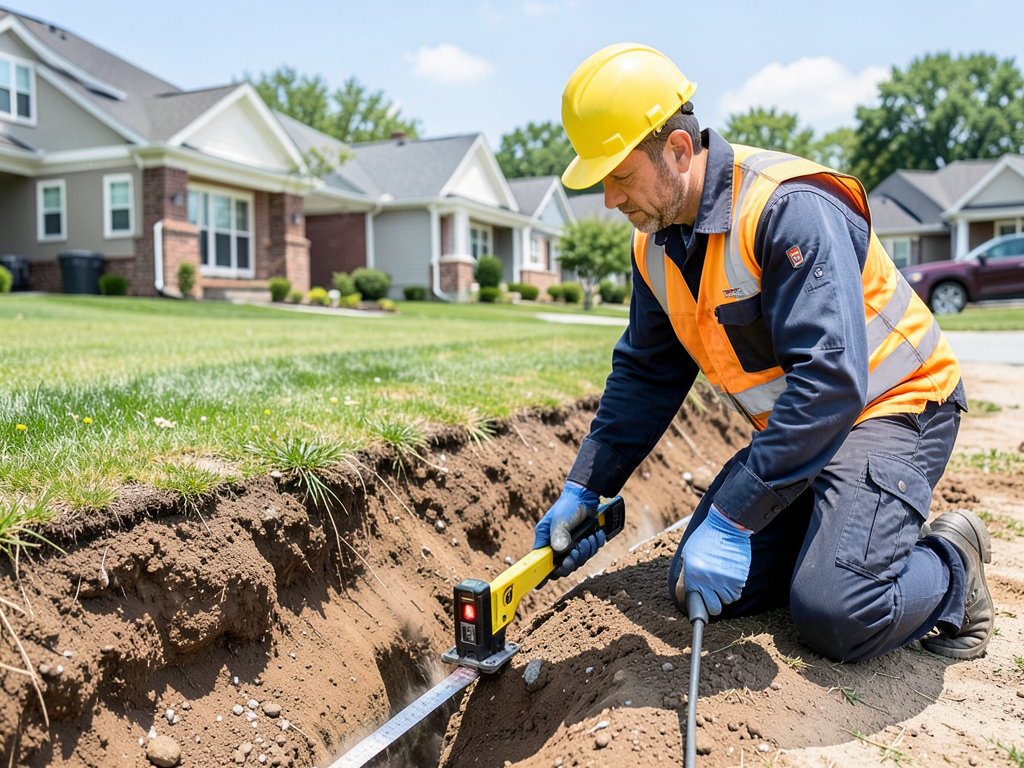
How Foundation Planting and Grading Can Save Your Highview Basement from Flooding Heavy spring rains…
Water damage spreads every minute you wait. Call Elite Water Damage Restoration Louisville now at (502) 370-2711 for immediate dispatch. Our emergency crews respond 24/7 to stop damage, extract water, and start the drying process before mold takes hold.