




Menu

Black Mold Symptoms in Louisville – Expert Diagnosis and Safe Removal Before Health Risks Escalate

Recognizing black mold symptoms early protects your family from serious health complications. Elite Water Damage Restoration Louisville provides thorough mold assessments and safe remediation tailored to Louisville's high-humidity conditions.

Slider Image 1
Slider Image 2
Slider Image 3
Slider Image 4
Slider Image 5
Slider Image 7
Slider Image 8
Slider Image 9
Slider Image 10
Slider Image 11

How Louisville's Climate Creates Perfect Conditions for Toxic Mold Growth

You notice a persistent cough that won't quit. Your kids complain about headaches. Someone in your household battles unexplained fatigue that lingers for weeks. These signs of black mold exposure often get dismissed as seasonal allergies or stress, but Louisville's climate tells a different story.

The Ohio River Valley traps humidity against our region like a wet blanket. Summer months regularly push indoor humidity past 60 percent, even with air conditioning running. Basements in Clifton, Crescent Hill, and the Highlands stay damp year-round because of our clay-heavy soil that holds water against foundation walls. Winter freeze-thaw cycles crack those same foundations, letting groundwater seep into crawl spaces where stachybotrys chartarum thrives in darkness.

Toxic mold health effects don't announce themselves with obvious warnings. Black mold poisoning symptoms creep in slowly. Respiratory irritation starts first. Then come the headaches, the brain fog, the chronic sinus infections that antibiotics can't touch. Children and elderly family members feel the effects fastest because their immune systems work harder to fight the mycotoxins.

You might spot the actual mold growth behind wallpaper in your Germantown bungalow or under the kitchen sink in your Middletown ranch. But often, stachybotrys chartarum symptoms appear in your body before you see the source. The greenish-black colonies hide inside wall cavities, under flooring, or in HVAC ductwork where humid air condenses every summer night.

Black mold health risks escalate the longer exposure continues. Ignoring the symptoms does not make them disappear. The spores multiply. The health effects compound. Professional assessment stops the guessing game and identifies the actual threat level in your home.

How Louisville's Climate Creates Perfect Conditions for Toxic Mold Growth
How We Identify and Remove Black Mold Without Spreading Contamination

How We Identify and Remove Black Mold Without Spreading Contamination

Most homeowners make the problem worse by trying DIY removal. Scrubbing visible mold with bleach sends millions of spores airborne. Those spores travel through your HVAC system and colonize new areas. You need containment protocols before anyone touches the affected material.

We start with moisture mapping using thermal imaging cameras. Black mold does not grow without a water source. Finding that source matters more than removing visible growth. We trace the moisture to its origin, whether that means a pinhole leak in copper piping, condensation from poorly insulated ductwork, or groundwater wicking through your foundation.

Air quality testing with spore trap sampling tells us exactly what we face. Stachybotrys chartarum requires different remediation protocols than Aspergillus or Penicillium species. We send samples to an independent lab for species identification and spore count analysis. This data drives our containment strategy and helps your doctor connect your symptoms to a specific mycotoxin exposure.

Containment comes next. We seal the work area with polyethylene sheeting and create negative air pressure using HEPA-filtered air scrubbers. This prevents cross-contamination to clean areas of your home. Workers wear respirators with P100 filters, not the paper dust masks you buy at hardware stores.

Removal means cutting out affected drywall, insulation, and subflooring. We bag material immediately and remove it through exterior access points when possible. Porous materials like drywall cannot be cleaned. They must go. We then treat framing lumber with antimicrobial solutions and verify clearance with post-remediation testing before reconstruction begins.

The process works because we follow IICRC S520 standards for mold remediation. We document every step with photos and air quality data. Your insurance adjuster gets the evidence needed for your claim. Your family gets a home that passes third-party clearance testing.

What Happens During Your Mold Assessment and Remediation

Black Mold Symptoms in Louisville – Expert Diagnosis and Safe Removal Before Health Risks Escalate
01

Initial Health and Home Evaluation

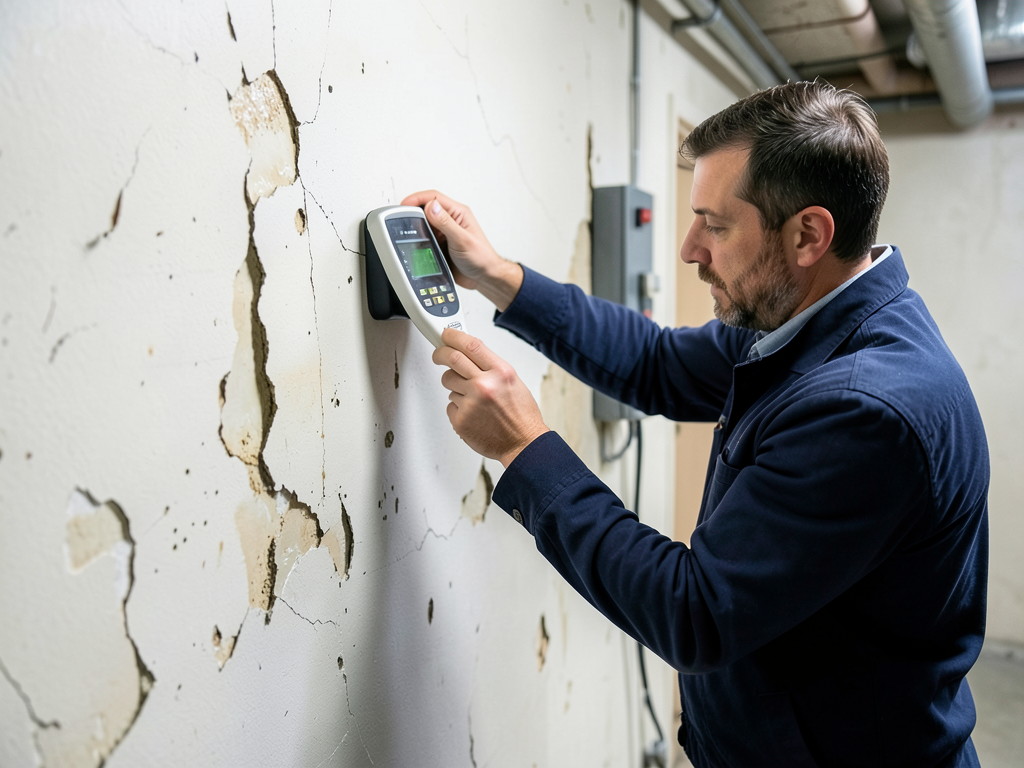
We document your reported symptoms and walk through every room where you notice musty odors, water stains, or visible growth. Moisture meters check wall cavities and subflooring for hidden water intrusion. We photograph all affected areas and map the extent of potential contamination. This evaluation typically takes 60 to 90 minutes and includes attic, crawl space, and mechanical room inspection.
02

Laboratory-Confirmed Spore Analysis

Air samples and surface swabs go to an accredited mycology lab for species identification. Results come back in three to five business days with exact spore counts and species confirmation. This removes all guesswork about whether you face stachybotrys chartarum or less dangerous mold varieties. The lab report gives your physician concrete data for treating your symptoms and provides documentation for insurance claims.
03

Certified Clearance and Prevention

After remediation and reconstruction, an independent hygienist conducts post-remediation verification testing. Your home must pass strict spore count thresholds before we call the job complete. We provide a detailed remediation report with before and after lab results, plus specific recommendations for dehumidification, ventilation improvements, and moisture prevention. Most Louisville homes need supplemental dehumidification to maintain humidity below 50 percent year-round.

Why Louisville Families Trust Elite Water Damage Restoration for Mold Concerns

You cannot fix a mold problem by treating symptoms. The source must go. But finding that source in a 1920s bungalow with balloon framing or a 1960s ranch with no vapor barrier requires someone who understands how Louisville homes were built.

Our technicians know the construction methods common to each neighborhood. Homes in Old Louisville feature plaster walls over wood lath. Water travels horizontally along that lath before showing up as a stain three rooms away from the actual leak. Clifton homes from the 1940s have clay tile drain systems that collapse over time, letting groundwater pool against foundations. Subdivisions built in the 1980s and 1990s east of Bardstown Road often have French drains that failed years ago.

We work directly with Louisville restoration contractors, plumbers, and structural engineers when remediation reveals bigger problems. Your insurance claim needs proper documentation from the first phone call. We photograph everything, log all moisture readings, and provide detailed scope-of-loss reports that adjusters actually accept. Most national franchise operations use generic templates. We write specific narratives tied to your home's actual conditions.

Louisville's building inspection requirements changed significantly after the 1997 flood. Homes rebuilt or renovated after that date should have proper moisture barriers and foundation drainage. But many older homes in the Highlands, Germantown, and Crescent Hill never got those upgrades. We know which vintages and neighborhoods face higher risk. We know which insurance carriers push back on mold claims and how to document your case properly from day one.

Third-party verification protects you from liability if you ever sell your home. Kentucky real estate disclosure laws require you to report known mold problems. Our post-remediation clearance testing from an independent hygienist gives you documentation that the problem was fixed correctly.

What to Expect From Professional Mold Assessment to Final Clearance

Response Time and Availability

We schedule initial assessments within 24 hours of your call. Mold concerns rarely qualify as true emergencies like active flooding, but your symptoms may worsen with continued exposure. We offer evening and weekend appointments for working families. The assessment takes 60 to 90 minutes. Lab results return in three to five business days. Remediation scheduling depends on the scope of work, but most residential projects start within one week of receiving lab confirmation. We coordinate with your insurance adjuster before beginning any removal work.

How the Inspection and Testing Works

The assessment includes visual inspection, moisture mapping with thermal imaging, and air quality sampling. We collect samples from affected areas and from unaffected control areas for comparison. Surface samples use sterile swabs or tape lifts. Air samples use spore trap cassettes calibrated to capture a specific volume of air. You receive a written report explaining findings in plain language, plus the full laboratory analysis with species identification and spore counts. This report documents the problem for your insurance carrier and provides your doctor with exposure data relevant to your symptoms.

The Remediation Outcome

Proper remediation removes all contaminated materials and treats remaining surfaces with antimicrobial solutions. You should notice symptom improvement within days to weeks after the source is removed, though recovery time varies by individual. The affected areas get rebuilt with mold-resistant drywall and proper moisture barriers. We install dehumidification equipment if your home's humidity levels contributed to growth. Your home will smell clean. Air quality testing will show spore counts within normal ranges. Most importantly, your family stops breathing mycotoxins every day.

Preventing Future Growth

We provide a detailed prevention plan specific to your home's construction and moisture issues. This typically includes dehumidifier installation, improved bathroom and kitchen ventilation, and correction of drainage problems around your foundation. We recommend annual humidity monitoring in basements and crawl spaces, especially in older Louisville homes with marginal drainage. Some situations require sump pump installation or exterior French drain systems to manage groundwater intrusion. We connect you with qualified contractors for work outside our scope. Prevention costs less than repeated remediation.

Frequently Asked Questions

You Have Questions,
We Have Answers

What does mold poisoning feel like? +

Mold poisoning triggers respiratory symptoms like persistent coughing, wheezing, and shortness of breath. You may experience chronic headaches, fatigue that does not improve with rest, and sinus congestion that feels unending. Some people develop skin rashes or itchy eyes. Cognitive effects include brain fog, difficulty concentrating, and memory problems. In Louisville's humid climate, these symptoms often worsen during summer months when indoor moisture levels spike. Severity depends on exposure duration and your immune system. Children and those with asthma face higher risk. If symptoms persist after leaving your home, seek medical evaluation and professional mold inspection immediately.

How to get rid of black mold in a house? +

Never attempt DIY black mold removal if the affected area exceeds 10 square feet. Disturbing mold releases spores throughout your home. Professional remediation involves containment barriers, HEPA filtration, antimicrobial treatment, and controlled removal of contaminated materials. The process includes fixing the moisture source, whether it is a leaky roof, basement seepage common in Louisville's clay soil areas, or HVAC condensation. Technicians wear protective gear and use negative air pressure to prevent cross-contamination. After removal, surfaces get treated and tested to verify clearance. Proper remediation protects your family and prevents regrowth in our humid Kentucky climate.

How long does it take to heal from mold toxicity? +

Recovery from mold toxicity varies widely based on exposure duration and individual health. Mild cases may improve within weeks after removing yourself from the contaminated environment. Chronic exposure can require months of recovery. Your body needs time to clear mycotoxins from tissues and organs. Treatment often includes clean air exposure, dietary changes, and sometimes medical detoxification support. Louisville residents dealing with basement mold from groundwater intrusion or crawl space humidity may face longer exposure periods. Complete home remediation is critical. Symptoms can linger if mold remains active. Work with your doctor to monitor recovery progress and address persistent symptoms.

How do I know if I have black mold? +

Black mold appears dark green or black with a slimy texture when wet. It grows on cellulose materials like drywall, wood, and ceiling tiles. You will notice a strong musty odor, often described as earthy or rotten. Common locations include bathrooms, basements, crawl spaces, and areas around windows in Louisville homes. Check behind wallpaper, under carpets, and in HVAC ducts. Water stains, peeling paint, or warped surfaces signal moisture problems that support mold growth. Professional testing identifies species and spore counts. Never touch or disturb suspected mold, as this releases spores into your breathing zone.

What are the 10 warning signs of mold toxicity? +

Watch for chronic fatigue that does not improve with sleep, persistent respiratory issues like coughing or wheezing, and sinus congestion that feels constant. Cognitive symptoms include brain fog, memory problems, and difficulty focusing. Headaches and migraines increase in frequency. Skin irritation, rashes, or unexplained itching develop. Joint pain and muscle aches appear without clear cause. Digestive issues like nausea or changes in appetite occur. Increased sensitivity to light or sound emerges. Mood changes including anxiety or depression worsen. In Louisville's humid environment, these symptoms often intensify during high-moisture seasons. Multiple simultaneous symptoms warrant professional mold inspection.

What kills black mold instantly? +

Nothing kills black mold instantly and safely. Products claiming instant results often mask the problem or spread spores. EPA-registered antimicrobial solutions require contact time to work effectively. Professionals use hospital-grade fungicides combined with physical removal of contaminated materials. Surface cleaning alone fails because mold roots penetrate porous materials like drywall and wood. Louisville's humidity means spores return quickly without moisture control. Bleach only lightens surface stains and does not kill subsurface growth. Effective remediation requires containment, HEPA vacuuming, antimicrobial treatment, material removal, and moisture elimination. Quick fixes create bigger problems. Professional remediation provides lasting results.

Is it safe to sleep in a house with black mold? +

Sleeping in a home with confirmed black mold exposes you to continuous spore inhalation during your most vulnerable hours. Your immune system works hardest during sleep, and mold toxins interfere with this recovery process. Children, elderly residents, and anyone with respiratory conditions face serious health risks. Even healthy adults experience cumulative effects over time. If you discover black mold in Louisville area homes, especially in bedrooms or HVAC systems, relocate temporarily during professional remediation. Close bedroom doors to contaminated areas and run air purifiers as temporary measures only. Professional assessment determines safety. Your health matters more than convenience.

How to test your home for mold? +

Professional mold testing provides accurate species identification and spore count levels. Inspectors use moisture meters to locate hidden water intrusion common in Louisville basements and crawl spaces. Air sampling captures airborne spore concentrations throughout your home. Surface samples identify mold on walls, ceilings, and HVAC components. Infrared cameras detect moisture behind walls without demolition. DIY test kits lack accuracy and miss hidden growth. Professional inspection costs less than health problems or property damage from undetected mold. Inspectors also identify moisture sources, whether roof leaks, plumbing issues, or humidity from our Kentucky climate. Testing guides effective remediation strategy.

Can air purifiers help with mold? +

Air purifiers with true HEPA filters capture mold spores from circulating air but do not eliminate the source. They reduce airborne spore counts temporarily, providing symptom relief during remediation. Place units in affected rooms and run continuously. However, purifiers cannot remove mold growing inside walls, under floors, or in HVAC ducts. Louisville's humidity requires pairing purifiers with dehumidifiers to control moisture below 50 percent. Purifiers work as supplemental tools only. Active mold growth continues releasing spores faster than purifiers can capture them. Professional remediation remains necessary. Use purifiers during and after treatment to maintain air quality while moisture issues get resolved.

Can you test yourself for mold exposure? +

Medical testing can detect mold exposure through blood tests, urine mycotoxin panels, and antibody screenings. Your doctor may order IgE or IgG antibody tests for specific mold species. Urine testing identifies mycotoxin metabolites your body is processing. These tests confirm exposure but do not measure severity or predict recovery time. Results guide treatment approaches. However, testing yourself without professional home inspection misses the critical step of eliminating the source. Louisville residents should coordinate medical testing with professional mold remediation. Your doctor interprets results based on symptoms and exposure history. Medical testing works best alongside confirmed home contamination findings.

Why Louisville's Ohio River Valley Humidity Makes Black Mold a Year-Round Threat

Louisville sits in a geographic bowl where the Ohio River Valley traps moisture against our region. Summer dew points regularly exceed 70 degrees, pushing indoor humidity past safe thresholds even with air conditioning. Basements stay damp because our heavy clay soil does not drain well. Winter brings freeze-thaw cycles that crack foundations and allow groundwater seepage. Spring flooding saturates crawl spaces in low-lying areas near Beargrass Creek and its tributaries. These conditions create constant moisture problems that feed mold growth in homes across every neighborhood, from the Highlands to Middletown to Jeffersontown.

Elite Water Damage Restoration Louisville understands the specific moisture challenges facing homes built in different eras across our region. We know which neighborhoods flood during heavy rain. We know which subdivisions have failing French drains. We know how balloon framing in Old Louisville bungalows allows water to migrate vertically through wall cavities. Our technicians receive ongoing training in IICRC standards for water damage restoration and mold remediation. We maintain relationships with local structural engineers, plumbers, and restoration contractors to handle complex projects that require multiple trades. When your family's health depends on proper remediation, local expertise matters.

Water Damage Services in The Louisville Area

Elite Water Damage Restoration is proud to serve the entire Louisville metropolitan area and surrounding communities. We are committed to providing top-tier water damage solutions to all residents and businesses in our service region. Feel free to explore our service map to confirm your location is within our coverage area or simply give us a call to discuss your specific needs. Our team is ready to help restore your property with speed and professionalism.

Address:
Elite Water Damage Restoration Louisville, 1000 E Kentucky St., Louisville, KY, 40204

Additional Services We Offer

Our news updates

Latest Articles & News from The Blogs

Why those rubber washing machine hoses are a ticking time bomb for your Fern Creek laundry room Every year thousands…

Why those rubber washing machine hoses are a ticking time bomb for your Fern Creek laundry room

Why those rubber washing machine hoses are a ticking time bomb for your Fern Creek laundry room Every year thousands…

Keeping your pets safe from mold and bacteria after a Louisville basement leak

Keeping Your Pets Safe from Mold and Bacteria After a Louisville Basement Leak A basement leak in Louisville creates immediate…

What to do in the first hour after finding a flood in your J-town home

What to do in the first hour after finding a flood in your J-town home Finding water pouring into your…

Contact Us

Your symptoms will not improve until the source is removed. Call Elite Water Damage Restoration Louisville at (502) 370-2711 right now. We will schedule your assessment within 24 hours and provide the lab-confirmed answers you need to protect your family's health.