




Menu

Swollen Baseboards & Trim in Louisville – Expert Diagnosis and Permanent Moisture Control

Elite Water Damage Restoration Louisville identifies the moisture source causing your swollen baseboards and warped trim, then fixes both the symptom and the underlying water intrusion before structural damage spreads.

Slider Image 1
Slider Image 2
Slider Image 3
Slider Image 4
Slider Image 5
Slider Image 7
Slider Image 8
Slider Image 9
Slider Image 10
Slider Image 11

Why Louisville Homes Develop Water Damaged Baseboards

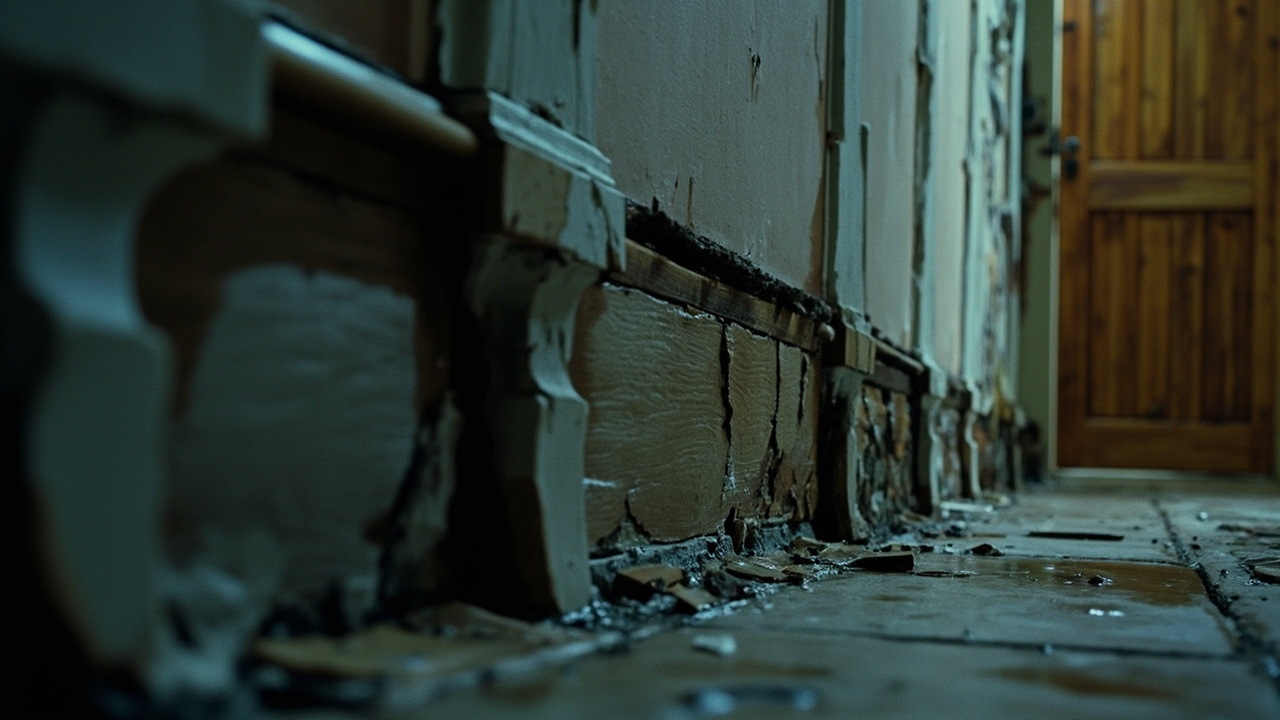
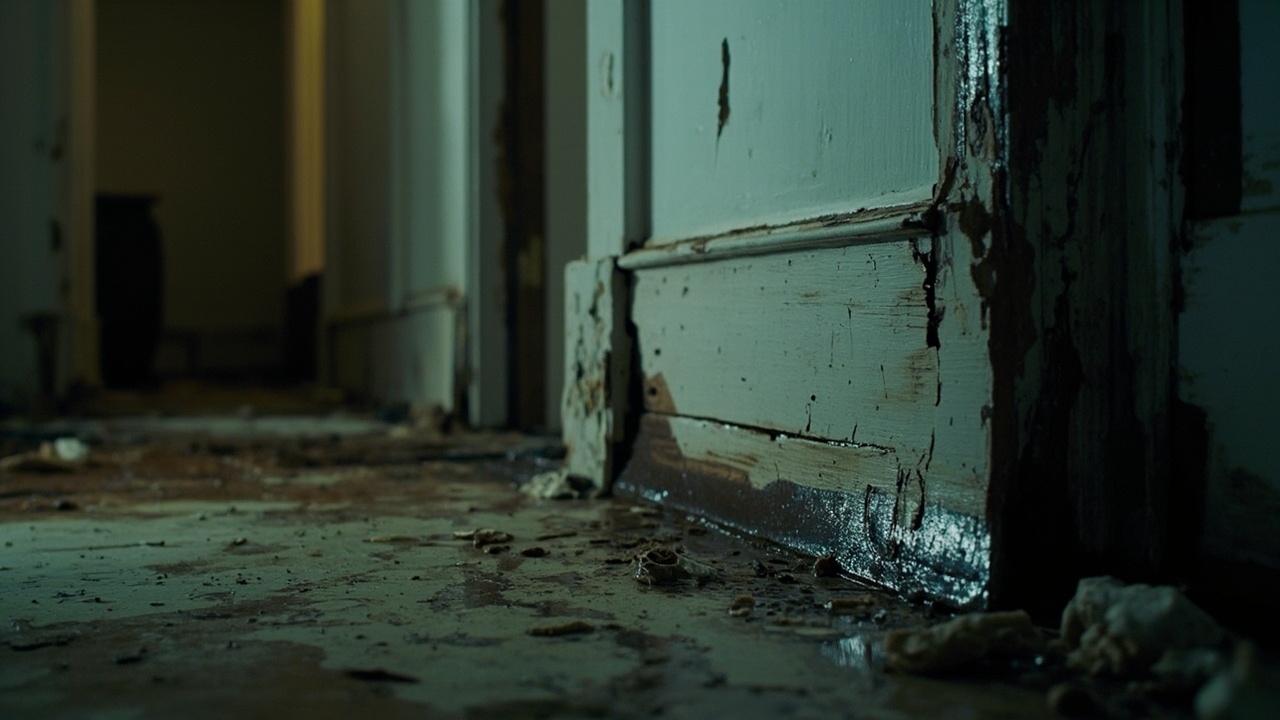
You notice the gap first. Your baseboard molding no longer sits flush against the wall. The paint bubbles. The wood feels spongy when you press it. This is not cosmetic wear. This is active moisture damage.

Louisville's humid subtropical climate creates year-round condensation risks. Summer humidity averages 70 percent, and winter freeze-thaw cycles push groundwater through foundation cracks. Homes in neighborhoods like Crescent Hill and the Highlands, many built on crawl spaces with limited vapor barriers, face chronic moisture infiltration from below. The result is moisture swollen baseboards that expand, crack, and rot.

Expanded MDF trim is particularly vulnerable. Medium-density fiberboard absorbs water like a sponge. Once saturated, it swells irreversibly. You cannot sand it back to shape. You cannot paint over it. Replacement is the only fix.

Warped baseboard molding signals an active leak. The source might be a hidden plumbing failure behind the wall, a compromised window seal, or groundwater wicking up through the slab. The visible bloating is the symptom. The hidden moisture pathway is the problem.

Ignoring bloated wood trim invites mold growth, subfloor rot, and pest intrusion. Termites and carpenter ants target damp wood. Once they establish colonies in your wall cavities, remediation costs multiply. The longer you wait, the more structural elements fail. Water damaged baseboards are your early warning system. Listen to them.

Why Louisville Homes Develop Water Damaged Baseboards
How We Stop the Swelling at the Source

How We Stop the Swelling at the Source

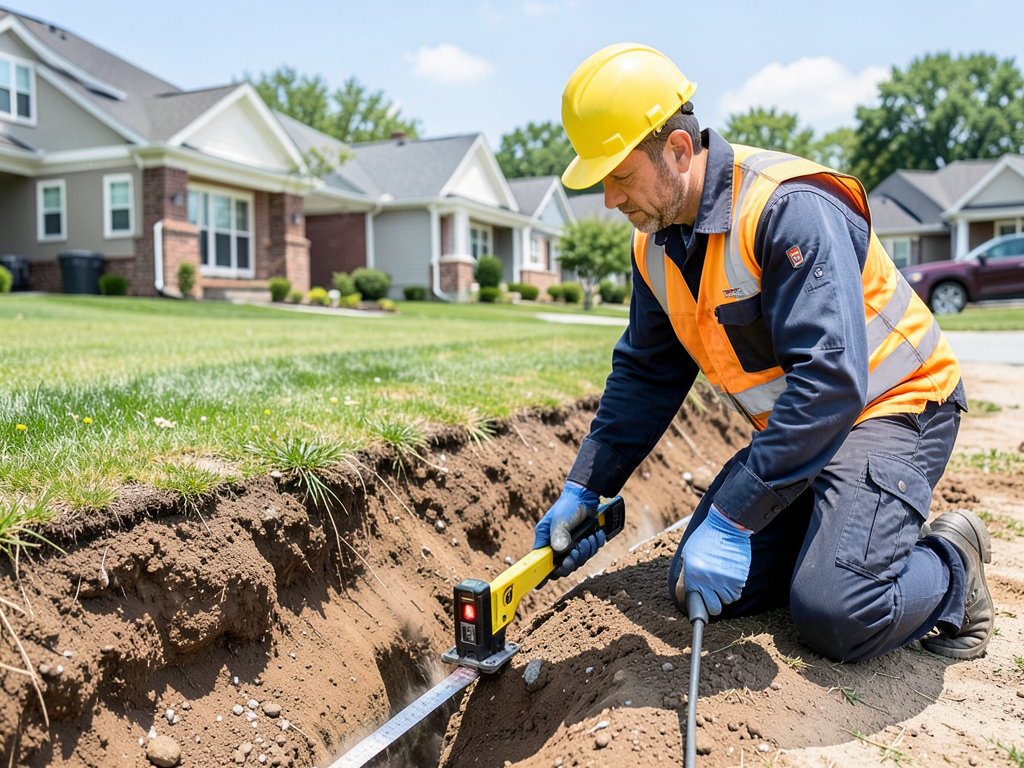
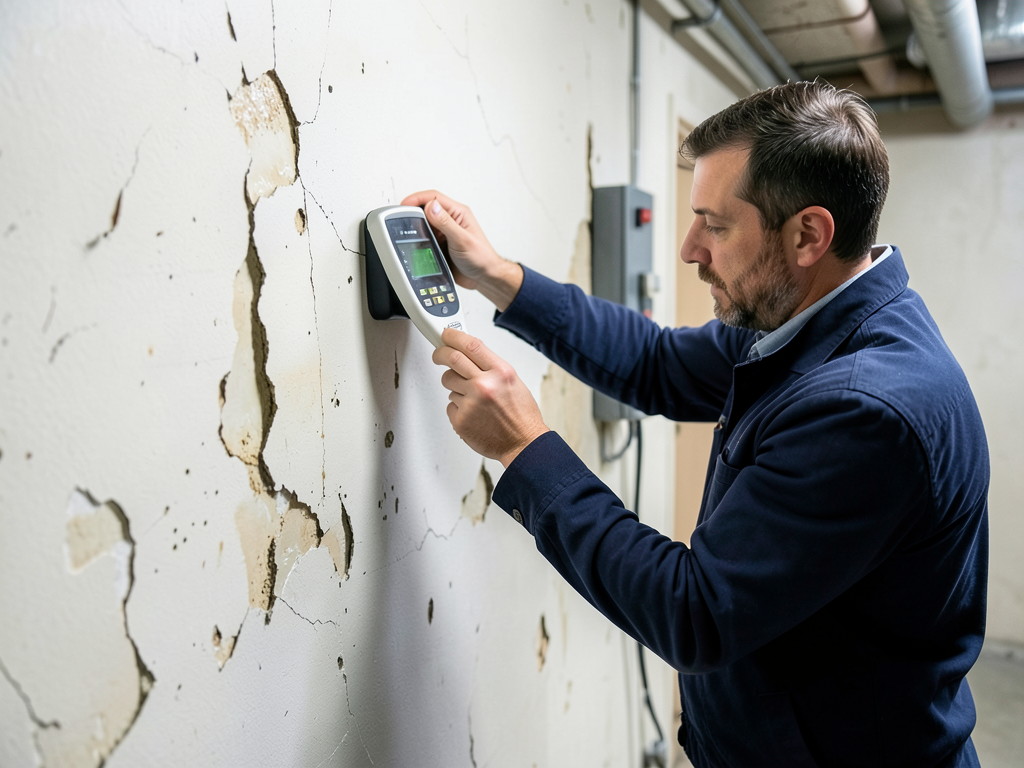
Most contractors replace the trim and leave. We trace the moisture to its origin. Surface fixes fail because the water keeps coming. Our process starts with moisture mapping using non-invasive thermal imaging and pin-type moisture meters. We measure moisture content in the drywall, subfloor, and framing lumber behind the baseboard. This tells us whether the water is rising from below, leaking from within the wall, or condensing on cold surfaces.

If the source is a plumbing leak, we identify the exact pipe section. If it is groundwater intrusion, we evaluate grading, gutter performance, and foundation drainage. If it is condensation, we assess vapor barrier integrity and crawl space ventilation. Each failure mode requires a different intervention.

We do not use box fans and hope. We deploy commercial-grade dehumidifiers and air movers to bring materials back to equilibrium moisture content. Wood should measure below 15 percent. Drywall should read below 1 percent on a moisture meter scale. Anything above that promotes microbial growth.

After drying, we remove all compromised materials. Expanded MDF cannot be salvaged. Warped wood molding loses its structural integrity. We cut away the damaged sections and inspect the framing for hidden rot. If the wall studs show moisture staining or soft spots, we treat or replace them.

We then install moisture-resistant materials where appropriate. In high-risk zones like basements and crawl spaces, we recommend PVC or vinyl baseboards. In living areas, we use kiln-dried lumber with a moisture barrier primer. We seal all penetrations and caulk joints to prevent future intrusion. The goal is not just repair. The goal is prevention.

What Happens When We Address Your Swollen Trim

Swollen Baseboards & Trim in Louisville – Expert Diagnosis and Permanent Moisture Control
01

Moisture Source Investigation

We arrive with thermal cameras and moisture meters to map the water intrusion. We check plumbing lines, foundation walls, window sills, and crawl space conditions. The goal is to identify whether moisture is rising, leaking, or condensing. We document readings in multiple locations to establish a failure pattern. This diagnostic phase prevents guesswork and ensures we fix the root cause, not just the visible damage.
02

Controlled Structural Drying

We deploy commercial dehumidifiers and air movers to pull moisture from wall cavities, subfloors, and framing lumber. We monitor progress with daily moisture readings. Drying takes 48 to 72 hours depending on material saturation levels. We do not remove materials until moisture content drops below industry thresholds. Premature removal traps moisture and accelerates hidden mold growth. Patience during this phase protects your long-term structural integrity.
03

Material Replacement and Sealing

We remove all swollen, warped, or compromised trim and inspect the framing for hidden damage. We replace baseboards with moisture-resistant materials appropriate to the room. We prime all cut edges and seal joints with caulk to block future water entry. We verify that the original moisture source has been corrected before closing walls. The final product is trim that sits flush, looks clean, and will not swell again.

Why Louisville Homeowners Trust Local Water Damage Expertise

Louisville's housing stock includes thousands of pre-1950 homes with pier-and-beam foundations, unvented crawl spaces, and minimal vapor barriers. These construction methods were standard before modern building science. They were not designed for today's humidity loads or energy-efficient HVAC systems that create indoor pressure differentials. If you do not understand how these systems interact, you will misdiagnose the moisture source.

We work in Old Louisville, Germantown, and Butchertown every week. We know the difference between a Victorian with a stone foundation and a 1970s ranch on a slab. We know how Louisville's clay soil shifts during wet winters and how that movement cracks foundation seals. We know which neighborhoods flood during Ohio River overflow events and which ones battle high water tables year-round.

This local knowledge saves you money. We do not waste time chasing ghosts. We do not recommend fixes that fail in Louisville's climate. We have seen what works and what does not after 20 years of responding to water damage calls across Jefferson County.

Elite Water Damage Restoration Louisville operates 24 hours a day because water does not wait for business hours. We carry the equipment, the materials, and the crew capacity to start drying your home the same day you call. Speed matters. Every hour of delayed drying increases mold risk and structural degradation.

We document everything for your insurance claim. We know what adjusters need to see. We photograph damage, log moisture readings, and provide detailed scope-of-work estimates. Most homeowner policies cover sudden plumbing failures. We help you navigate that process so you get the coverage you deserve.

What You Can Expect From Start to Finish

Response Time and Availability

We answer calls 24 hours a day, seven days a week. Most Louisville service calls receive a response within two hours. If you have an active leak or flooding, we prioritize your case and dispatch immediately. Emergency mitigation starts the moment we arrive. We stop the water source, extract standing water, and begin drying. You do not wait days for an appointment. You get action the same day you discover the problem. Speed during the first 48 hours determines whether you face a simple repair or a mold remediation project.

Initial Assessment and Moisture Mapping

We conduct a full moisture inspection using thermal imaging and calibrated moisture meters. We check every surface near the damaged baseboards, including drywall, subfloors, and wall cavities. We document readings in writing and photograph the damage for your records. This assessment typically takes 30 to 60 minutes depending on the size of the affected area. We explain our findings in plain language and outline the scope of work required. You receive a written estimate before we begin any repair work. No surprises.

Quality of Repair and Materials

We do not use the cheapest materials available. We use moisture-resistant products designed for Louisville's climate. Baseboards are kiln-dried lumber or PVC depending on the room. All cut edges receive primer before installation. Joints are caulked to prevent future water entry. We match existing trim profiles so the repair blends seamlessly. The finished product looks original, not patched. We clean the work area and haul away all debris. You get a home that looks better than it did before the damage occurred.

Follow-Up and Prevention Guidance

After repair, we provide written guidance on preventing future moisture problems. This includes gutter maintenance, grading corrections, and crawl space ventilation improvements. We explain what to watch for and when to call us back. If you experience any issues related to our work, we return to address them. We also offer annual moisture inspections for homeowners in high-risk areas. Prevention costs less than repair. Our goal is to keep you out of the emergency cycle so you can focus on living in your home, not fixing it.

Frequently Asked Questions

You Have Questions,
We Have Answers

How to fix swollen baseboards? +

First, identify and stop the water source. Remove the swollen baseboard carefully to prevent wall damage. Check the drywall and studs for moisture using a moisture meter. Dry the area completely with fans and dehumidifiers for 48 to 72 hours. Louisville homes with slab foundations or crawl spaces often trap moisture, so inspect thoroughly. If the baseboard is MDF or particleboard, replace it entirely. Solid wood baseboards may shrink back slightly after drying, but warped boards need replacement. Prime and paint new baseboards before installation to seal against future moisture intrusion.

What is the 7 rule for baseboards? +

The 7 rule refers to a traditional proportion guideline where baseboard height equals roughly 7 percent of your wall height. For standard 8-foot ceilings common in Louisville homes, that means 5 to 7-inch baseboards. Taller ceilings in historic Highlands or Old Louisville properties can support 8 to 10-inch baseboards. This rule balances visual proportion and helps baseboards frame a room without overwhelming the space. Modern design sometimes ignores this guideline, but it remains a reliable starting point for achieving balanced aesthetics in residential spaces.

Why do baseboards swell? +

Baseboards swell when moisture penetrates the material and causes fiber expansion. Common culprits include plumbing leaks, foundation seepage, HVAC condensation, or high humidity. Louisville experiences humid summers with moisture levels exceeding 70 percent, creating perfect conditions for baseboard swelling. MDF and particleboard baseboards absorb water like a sponge and expand rapidly. Poor grading around foundations in clay soil areas can direct rainwater toward walls. Caulk gaps between baseboards and floors can trap moisture instead of allowing evaporation. Once swelling begins, the material rarely returns to its original shape.

Can you repair swollen particle board? +

Swollen particleboard cannot be truly repaired. The material consists of compressed wood particles and resin that permanently deform when saturated. You can sand minor surface swelling after complete drying, but internal damage remains. The board loses structural integrity and paint adhesion. Attempting repairs with wood filler or spackling compound creates a temporary cosmetic fix that fails quickly. Replacement is the only reliable solution. Choose moisture-resistant MDF or solid wood for Louisville basements and bathrooms where humidity remains a constant challenge. Priming all six sides before installation adds critical moisture protection.

What does water damage on baseboards look like? +

Water damage on baseboards shows as visible swelling, warping, or buckling away from the wall. Paint may bubble, crack, or peel. Discoloration appears as dark streaks, yellowish stains, or gray water rings. You might notice a musty odor or soft spots when pressed. MDF baseboards develop a crumbly texture when saturated. In Louisville homes with foundation issues or poor drainage, look for damage concentrated near floor level. Black spots indicate mold growth. The baseboard may separate at joints or corners. Touch the surface—it feels damp or spongy compared to dry sections.

What is the average cost to replace baseboards? +

Baseboard replacement costs vary by material, labor, and room size. Material alone runs from 50 cents to 5 dollars per linear foot depending on quality and style. Basic MDF trim costs less than solid wood or specialty profiles. Labor adds 2 to 4 dollars per linear foot for professional installation. A typical 12 by 15-foot room needs roughly 50 linear feet of baseboard. Total costs range from 125 to 450 dollars per room. Louisville contractors may charge more for historic homes requiring custom millwork or intricate profiles matching original architectural details.

What are common baseboard installation mistakes? +

Common mistakes include skipping primer before installation, which allows moisture absorption. Not acclimating trim to room temperature and humidity causes gaps as wood expands or contracts. Louisville's seasonal humidity swings make acclimation critical. Installers often use nails that are too short, causing trim to pull away. Caulking between baseboard and floor traps moisture instead of allowing airflow. Cutting inside corners with miter joints instead of coping creates gaps. Not measuring wall irregularities leads to visible gaps. Painting after installation without proper surface prep causes peeling when moisture enters through unsealed edges.

What is the current trend for baseboards? +

Current trends favor taller baseboards ranging from 5 to 8 inches in height with simpler, cleaner profiles. White and off-white finishes dominate, even in homes with natural wood trim elsewhere. Flat or slightly beveled profiles replace ornate Victorian styles. Many Louisville homeowners choose moisture-resistant PVC or composite materials for basements and bathrooms. Matching baseboard color to wall color creates a seamless modern look. Contrasting dark baseboards are losing popularity. Thicker baseboards with substantial depth provide better shadow lines and visual weight without excessive ornamentation.

Should baseboards be flush with the floor? +

Baseboards should sit flush to the floor but not tight against it. Leave a small gap, typically the thickness of a credit card, to allow for floor expansion and air circulation. This gap gets filled with paintable caulk for a finished appearance while preventing moisture trapping. Louisville homes with hardwood floors need expansion space because humidity changes cause seasonal movement. If floors are uneven, scribe the baseboard to follow floor contours. Carpet installations tuck beneath the baseboard edge. Tile or vinyl should meet the baseboard cleanly without gaps exceeding one-eighth inch.

Will a swollen wood floor go back to normal? +

Minor swelling from brief water exposure may reverse partially after complete drying. The wood contracts as moisture evaporates, but rarely returns perfectly flat. Cupping, crowning, or warping often remains permanent. Finish flooring like engineered hardwood or laminate sustains irreversible damage when saturated. Solid hardwood has better recovery potential if dried professionally within 48 hours. Louisville's humidity complicates drying because ambient moisture slows evaporation. Subfloor damage prevents proper floor recovery. Professional water extraction, dehumidification, and monitoring provide the best chance for acceptable results. Severe swelling requires floor replacement.

How Louisville's Humidity and Clay Soil Accelerate Baseboard Damage

Louisville averages 77 inches of rain annually, and summer dewpoints regularly exceed 70 degrees. This creates persistent condensation on cool surfaces and drives moisture through porous building materials. Add Louisville's expansive clay soil, which swells when wet and contracts when dry, and you have a perfect storm for foundation movement. Cracks form in slabs and basement walls, allowing groundwater to wick upward into wall cavities. Baseboards sit at the intersection of these forces. They absorb moisture from below and from humid indoor air. Swelling is inevitable unless the moisture pathways are sealed.

Elite Water Damage Restoration Louisville has worked in every Jefferson County neighborhood. We understand the construction methods used in different eras and how they respond to local climate stress. We know which homes need crawl space encapsulation and which need exterior drainage correction. We work with local building inspectors and insurance adjusters who trust our assessments. When you hire a national franchise or an out-of-state crew, you get generic solutions. When you hire us, you get expertise tuned to Louisville's unique conditions. That difference shows in the longevity of our repairs.

Water Damage Services in The Louisville Area

Elite Water Damage Restoration is proud to serve the entire Louisville metropolitan area and surrounding communities. We are committed to providing top-tier water damage solutions to all residents and businesses in our service region. Feel free to explore our service map to confirm your location is within our coverage area or simply give us a call to discuss your specific needs. Our team is ready to help restore your property with speed and professionalism.

Address:
Elite Water Damage Restoration Louisville, 1000 E Kentucky St., Louisville, KY, 40204

Additional Services We Offer

Our news updates

Latest Articles & News from The Blogs

Why those rubber washing machine hoses are a ticking time bomb for your Fern Creek laundry room Every year thousands…

Why those rubber washing machine hoses are a ticking time bomb for your Fern Creek laundry room

Why those rubber washing machine hoses are a ticking time bomb for your Fern Creek laundry room Every year thousands…

Keeping your pets safe from mold and bacteria after a Louisville basement leak

Keeping Your Pets Safe from Mold and Bacteria After a Louisville Basement Leak A basement leak in Louisville creates immediate…

What to do in the first hour after finding a flood in your J-town home

What to do in the first hour after finding a flood in your J-town home Finding water pouring into your…

Contact Us

Swollen baseboards mean active moisture intrusion. Waiting makes it worse. Call Elite Water Damage Restoration Louisville at (502) 370-2711 for same-day moisture mapping and repair. We fix the source, not just the symptom.