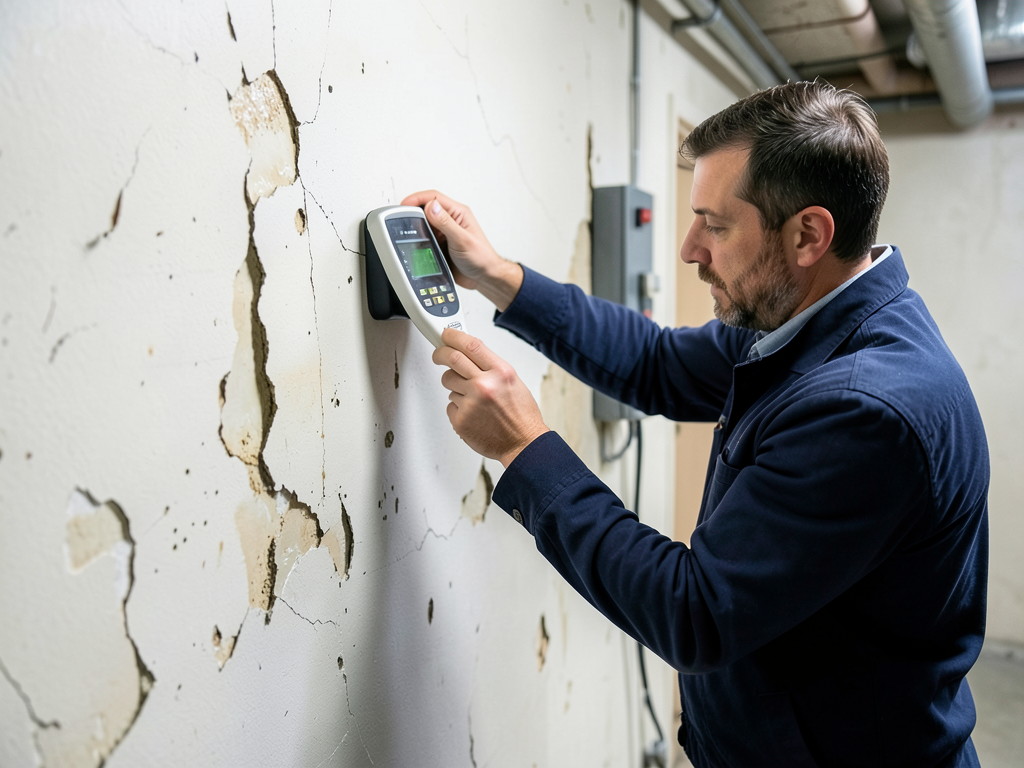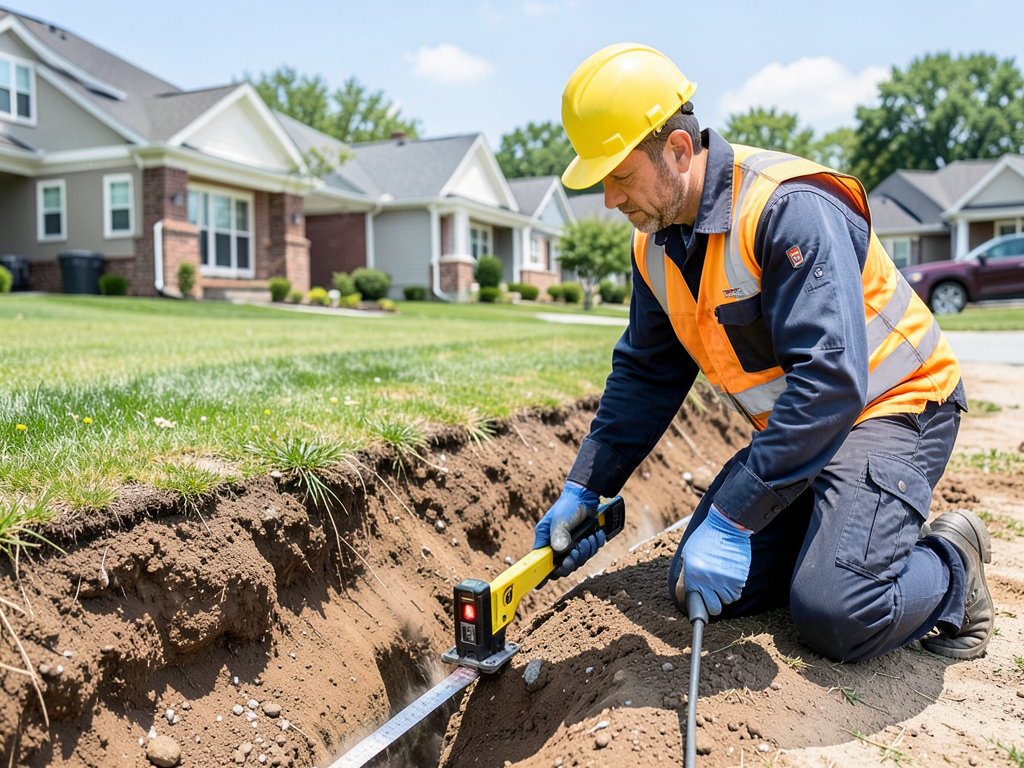







Louisville sits on expansive clay soil that shifts with moisture content. When a water heater ruptures in a basement, water seeps into foundation cracks and migrates laterally through the soil before re-entering the home through other weak points. This creates secondary water intrusion that appears hours after the initial flood. Our crews inspect foundation perimeters and use moisture meters on all basement walls, not just the area near the failed water heater. Louisville's average humidity hovers around 70 percent in summer, which slows evaporation and extends drying time. We adjust dehumidifier capacity and air mover placement to compensate for ambient moisture. Ignoring these local conditions leads to incomplete drying and mold growth.
Elite Water Damage Restoration Louisville has worked with homeowners across Clifton, Crescent Hill, Middletown, and Jeffersontown. We understand the differences between older Butchertown homes with limestone foundations and newer Plainview subdivisions with poured concrete basements. Local building inspectors and insurance adjusters recognize our documentation standards. We follow Kentucky residential building codes and IICRC S500 water damage restoration standards on every job. When you hire a local team with Louisville-specific experience, you avoid the costly mistakes that out-of-town franchises make by applying generic protocols to unique regional conditions. We know this city and how water behaves in its structures.