




Menu

Basement Waterproofing Guide Louisville – Protect Your Foundation From Ohio River Valley Water Intrusion

Comprehensive basement waterproofing techniques designed specifically for Louisville's unique soil composition, seasonal flooding patterns, and high water table challenges that threaten foundation integrity.

Slider Image 1
Slider Image 2
Slider Image 3
Slider Image 4
Slider Image 5
Slider Image 7
Slider Image 8
Slider Image 9
Slider Image 10
Slider Image 11

Why Louisville Basements Face Unique Water Intrusion Challenges

Louisville sits in the Ohio River Valley floodplain, where karst limestone bedrock and seasonal river fluctuations create a perfect storm for basement water problems. The clay-rich soil expands when wet and contracts when dry, creating hydrostatic pressure against foundation walls that forces water through any weakness.

Spring storms dump heavy rainfall that saturates the ground faster than it can drain. The Ohio River's proximity means the water table sits higher here than in most cities. When the river swells during March through May, groundwater rises and pushes against basement floors and walls. Add in the freeze-thaw cycles that crack concrete, and you understand why wet basement solutions become critical for Louisville homeowners.

The karst geology underneath Louisville creates another problem. Water moves through underground limestone channels unpredictably. Your neighbor might have a dry basement while yours floods after the same storm because groundwater follows hidden paths through the bedrock.

Old Louisville homes built before modern waterproofing codes present special challenges. These historic structures often lack proper foundation waterproofing methods. The original builders used lime mortar that deteriorates when exposed to constant moisture. Brick foundations absorb water like sponges.

Understanding how to waterproof a basement starts with recognizing these local conditions. Generic basement sealing techniques fail here because they do not account for Louisville's specific geology and climate. A leaky basement repair guide must address hydrostatic pressure, karst drainage patterns, and seasonal water table fluctuations unique to the Ohio River Valley.

Why Louisville Basements Face Unique Water Intrusion Challenges
Professional Foundation Waterproofing Methods That Work in Louisville

Professional Foundation Waterproofing Methods That Work in Louisville

Effective basement waterproofing requires a multi-layered approach that addresses both exterior water intrusion and interior moisture management. Surface-level fixes like waterproof paint fail because they do not solve the underlying hydrostatic pressure problem.

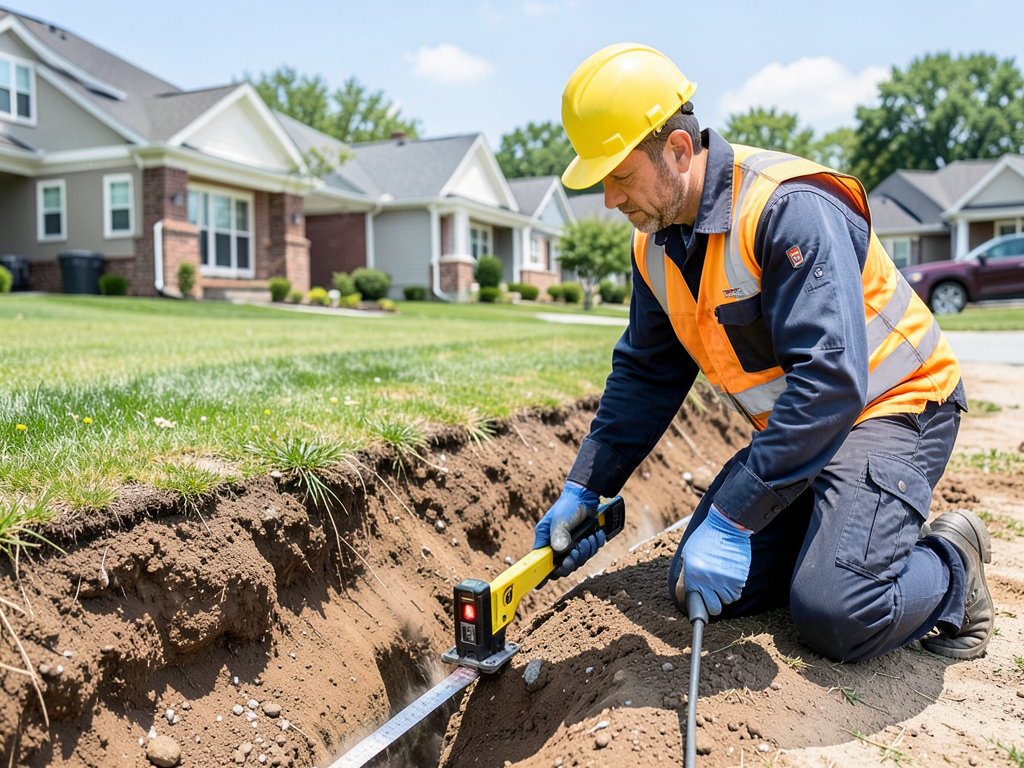
Exterior waterproofing starts with excavation down to the footing. We expose the foundation wall, clean it, then apply a rubberized asphalt membrane or bentonite clay system. This creates a physical barrier that blocks water before it contacts the foundation. We install a perforated drain tile at the footing level that channels water away to a collection point or storm drain.

The excavated area gets backfilled with graded gravel that allows rapid drainage. This reduces hydrostatic pressure by giving water an easy path downward instead of through your wall. Proper grading directs surface water away from the foundation at a minimum two percent slope.

Interior waterproofing addresses water that bypasses exterior defenses. A perimeter drain system, installed at the base of the foundation wall, intercepts water before it rises onto the basement floor. The drain connects to a sump pump basin. We specify pumps with battery backup systems because Louisville storms often cause power outages when you need the pump most.

Vapor barriers on walls control humidity that seeps through concrete via capillary action. Dehumidification systems maintain optimal moisture levels year-round. In basements with active seepage, we inject polyurethane or epoxy resins into cracks under pressure. The material expands to fill voids in the concrete and creates a waterproof seal.

For homes on the karst bedrock, we sometimes need to address subsurface water channels directly. This requires geological assessment to map water flow patterns, then strategic drainage installation that intercepts water before it reaches your foundation.

What Happens During a Professional Basement Waterproofing Project

Basement Waterproofing Guide Louisville – Protect Your Foundation From Ohio River Valley Water Intrusion
01

Foundation Assessment and Diagnostics

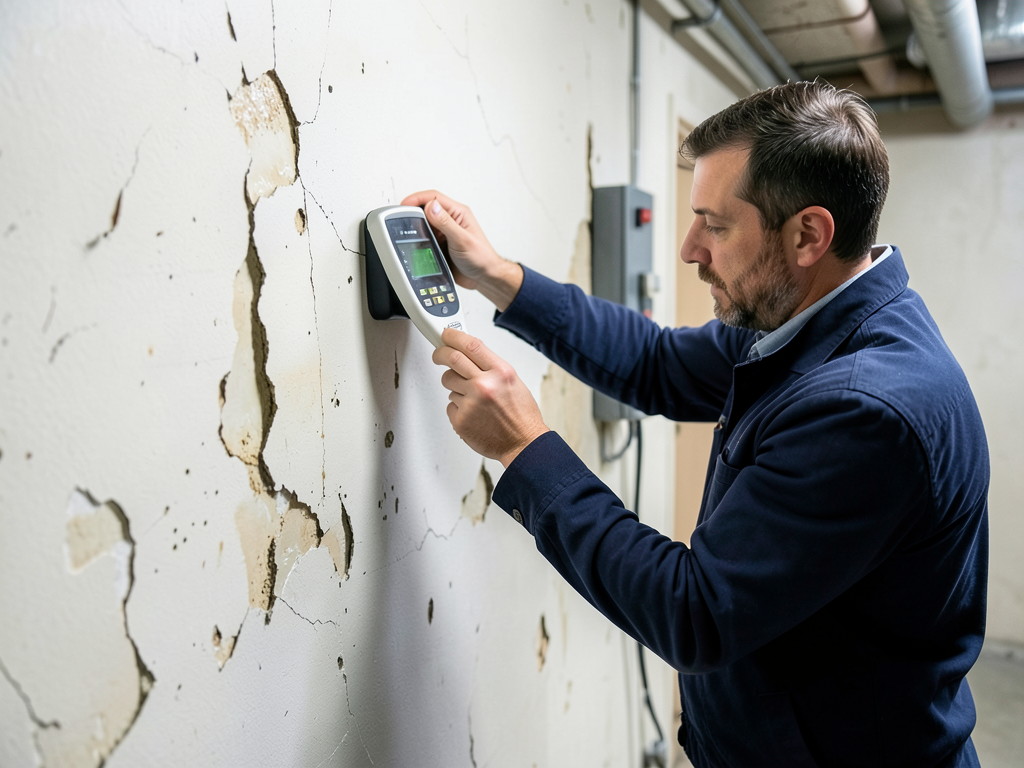
We inspect your basement to identify water entry points, measure moisture levels in walls and floors, and evaluate foundation integrity. Thermal imaging cameras detect hidden moisture inside wall cavities. We test sump pumps, examine exterior grading, check downspout discharge points, and assess whether subsurface drainage exists. This diagnostic phase determines whether you need interior waterproofing, exterior excavation, or both. We also evaluate the karst bedrock impact on your specific property.
02

Installation and Drainage Implementation

The installation phase varies based on your specific needs. Exterior work requires excavation equipment and typically takes three to five days depending on foundation perimeter length. Interior drain systems involve cutting a channel in the floor perimeter, installing perforated pipe, and connecting it to a sump basin. We core through the foundation if needed to route discharge lines. All concrete gets restored with hydraulic cement that cures quickly and resists water penetration better than standard concrete.
03

Testing and Final Verification

After installation, we conduct water testing to verify the system functions correctly. We fill the sump basin to trigger the pump and confirm proper discharge. For exterior systems, we simulate rain conditions with a hose test along the foundation. We document baseline moisture readings and provide guidelines for monitoring system performance. You receive maintenance instructions for pumps, backup batteries, and drainage components. We schedule a follow-up inspection after the first major rainfall to confirm effectiveness.

Why Louisville Property Owners Choose Local Waterproofing Specialists

Louisville's unique geological and hydrological conditions require waterproofing specialists who understand local challenges. A contractor from another region might recommend solutions that work elsewhere but fail here because they do not account for karst limestone, Ohio River water table fluctuations, or the specific clay soil composition.

Elite Water Damage Restoration Louisville has mapped basement water patterns across Butchertown, Germantown, Old Louisville, and the Highlands. We know which neighborhoods sit on bedrock, where the water table runs highest, and which historic districts have brick foundations that need special treatment. This local knowledge prevents costly mistakes.

We understand Louisville's building codes and permitting requirements. The Metropolitan Sewer District has specific regulations about sump pump discharge that differ from surrounding counties. Connecting your discharge to the sanitary sewer violates code and creates fines. We ensure compliance with MSD storm water management requirements.

Our familiarity with local soil reports and flood maps helps us predict how your property will respond to different waterproofing approaches. Properties near Beargrass Creek face different challenges than homes in higher elevation areas like Crescent Hill. We adjust our methods accordingly.

The relationships we maintain with local building inspectors, engineers, and geological consultants mean faster permitting and access to specialized expertise when complex situations arise. When we encounter unusual subsurface water channels through the karst bedrock, we can quickly bring in local hydrogeologists who know Louisville's underground water patterns.

We also understand the architectural styles common here. Shotgun houses require different waterproofing approaches than brick colonials. Our crews have experience working around the mechanical systems and low ceiling heights typical in older Louisville basements.

What to Expect From Professional Basement Waterproofing Services

Project Timeline and Scheduling

Basement waterproofing timelines depend on the scope of work required. Interior perimeter drain systems typically take two to three days for average-sized basements. Exterior excavation and waterproofing requires four to seven days depending on access, foundation depth, and soil conditions. We schedule work during dry weather when possible to prevent complications. Emergency situations where active flooding threatens your property get priority response. We coordinate with you to minimize disruption and can work in phases if you need continued basement access during the project.

Initial Evaluation and Moisture Mapping

The evaluation process includes both visual inspection and diagnostic testing. We use moisture meters to measure water content in concrete, drywall, and framing. Thermal imaging reveals temperature differentials that indicate hidden moisture or air leaks. We document crack patterns, efflorescence locations, and signs of previous water damage. The assessment identifies whether water enters through floor-wall joints, wall cracks, window wells, or hydrostatic pressure through the floor. We provide a detailed report that explains the water intrusion mechanism and recommends appropriate solutions based on your specific situation.

System Performance and Dry Basement Results

A properly installed waterproofing system keeps your basement dry even during heavy Louisville storms and spring flooding. Interior humidity drops to healthy levels between 30 and 50 percent. You can safely finish the basement or use it for storage without worry. The sump pump activates automatically when water enters the drainage system, and the battery backup ensures protection during power outages. Exterior systems prevent water from ever contacting your foundation, eliminating the source rather than just managing symptoms. Your foundation remains stable without the deterioration caused by constant moisture exposure.

Ongoing Maintenance and System Longevity

Waterproofing systems require minimal maintenance when properly installed. Sump pumps should be tested quarterly by pouring water into the basin to confirm operation. Battery backup systems need replacement every three to five years. We recommend annual inspections of exterior drainage to ensure downspouts discharge properly and grading remains effective. Interior drain systems benefit from occasional flushing to remove any sediment accumulation. We offer maintenance plans that include pump testing, battery checks, and drainage inspection. Most quality waterproofing installations provide decades of protection when maintained appropriately.

Frequently Asked Questions

You Have Questions,
We Have Answers

What is the best waterproofing method for basements? +

Interior drainage systems with sump pumps rank as the most reliable method for Louisville basements. This approach captures water before it enters your living space and redirects it outside. You install a perimeter drain along your footer, connect it to a sump basin, and pump water away from your foundation. This method works well in Louisville's clay soil, which expands and contracts with our humidity swings. Exterior waterproofing provides excellent protection but costs more due to excavation. For most Louisville homes, interior drainage plus proper grading delivers the best value and performance.

How much does it cost to waterproof a 1000 sq ft basement? +

Waterproofing a 1000 sq ft basement in Louisville varies based on your specific water issues and chosen solution. Interior drainage with a sump pump costs less than exterior excavation and membrane application. Factors affecting your investment include soil conditions, existing damage, wall material, and whether you need mold remediation. Louisville's clay soil can increase costs if settling has damaged your foundation. Most systems include a sump pump, drainage channels, and wall treatment. Request detailed assessments from multiple local contractors to understand your specific needs and compare solutions appropriate for your home.

What are common waterproofing mistakes? +

Louisville homeowners make several critical waterproofing errors. Relying on paint or sealant alone fails because water pressure will eventually break through. Ignoring exterior grading lets water pool against your foundation instead of draining away. Installing inadequate sump pump capacity leaves you vulnerable during our heavy spring rains. Failing to address humidity creates mold growth even without standing water. DIY installations often miss proper drainage slope or footer connection points. Many homeowners also neglect downspout extensions, directing roof water straight into basement walls. Professional assessment identifies your specific vulnerabilities before water causes expensive structural damage.

Why not use Drylok on basement walls? +

Drylok and similar waterproofing paints trap water inside your concrete walls. In Louisville's humid climate, moisture constantly tries to move through your foundation from the exterior. When paint blocks this natural vapor transmission, water pressure builds behind the coating, causing it to peel or blister. The trapped moisture deteriorates your concrete from within and creates ideal conditions for mold growth. Drylok addresses the symptom, not the cause. Water still penetrates your foundation. You need proper drainage to redirect water away from your walls, not a coating that holds it inside your concrete.

What are the three types of basement waterproofing? +

The three main waterproofing approaches are interior drainage, exterior waterproofing, and drainage improvements. Interior drainage installs a perimeter system along your footer that collects water and pumps it outside through a sump system. Exterior waterproofing excavates around your foundation to apply waterproof membranes and install exterior drain tiles. Drainage improvements include regrading your yard, extending downspouts, and managing surface water before it reaches your foundation. Most Louisville homes benefit from combining interior drainage with exterior improvements. Your specific solution depends on your foundation type, soil conditions, and the severity of your water problems.

Does Drylok ruin concrete? +

Drylok does not ruin concrete immediately, but it creates long-term problems in Louisville basements. The product traps moisture inside your concrete instead of allowing it to breathe naturally. This trapped water accelerates freeze-thaw damage during our winter temperature swings. The coating also hides developing problems like cracks or efflorescence that signal foundation issues. When water pressure builds behind Drylok, it can spall concrete surfaces or cause hidden deterioration. The bigger issue is false security. Homeowners believe they have waterproofed their basement when water still penetrates through the foundation, just hidden behind paint.

Will insurance pay for basement waterproofing? +

Standard homeowners insurance in Louisville does not cover basement waterproofing. Insurance treats waterproofing as preventive maintenance, like replacing your roof before it leaks. Policies typically exclude groundwater seepage, foundation cracks, and poor drainage. Insurance may cover sudden water damage from burst pipes or sewer backups, depending on your policy. Flood insurance through FEMA does not cover waterproofing either. If water damage results from a covered event like a storm, insurance might pay for repairs but not the waterproofing system itself. Document all water problems and discuss coverage specifics with your insurance agent before filing claims.

How to 100% waterproof a basement? +

Complete basement waterproofing requires multiple integrated systems working together. Start with proper exterior grading to direct surface water away from your foundation. Install or extend downspouts at least six feet from your home. Apply exterior waterproof membrane to foundation walls if excavating. Install interior perimeter drainage along your footer to capture any water that penetrates. Connect drainage to a quality sump pump with battery backup for Louisville power outages. Seal wall penetrations and cracks. Add a dehumidifier to control humidity. Address all water sources, exterior and interior. No single product creates a waterproof basement.

How much is it to finish a 2000 sq ft basement? +

This question asks about finishing costs, not waterproofing. Finishing a 2000 sq ft basement in Louisville includes framing, electrical, plumbing, drywall, flooring, and HVAC. Your investment varies based on bathroom additions, wet bars, egress windows, and finish quality. Finishing costs differ significantly from waterproofing costs. You should waterproof before finishing to protect your investment. Installing interior drainage, vapor barriers, and mold-resistant materials adds to your total project budget. Many Louisville contractors offer combined waterproofing and finishing packages. Request separate line items for waterproofing versus cosmetic finishes to understand where your money goes.

Why can't you DIY waterproofing? +

Basement waterproofing requires specialized knowledge of hydrostatic pressure, drainage systems, and foundation structure. DIY attempts fail because homeowners lack proper diagnostic equipment to identify all water sources. Installing perimeter drainage along your footer demands precision. Wrong slope angles or improper connection points make the system useless. Sump pump sizing requires calculating your drainage area and Louisville rainfall rates. You also need proper excavation equipment, concrete cutting tools, and waterproof membrane application skills. Mistakes create worse problems than you started with. Failed DIY waterproofing often costs more to fix than hiring professionals initially.

How Louisville's Karst Geology and Ohio River Proximity Affect Basement Waterproofing

The karst limestone bedrock beneath Louisville creates underground cavities and channels that move water in unpredictable patterns. Unlike areas with solid bedrock or sand, water flows through solution channels in the limestone. This means two adjacent properties can have completely different water intrusion patterns. The Ohio River's seasonal rise and fall directly impacts the local water table. During spring floods, the water table can rise several feet, pushing groundwater up through basement floors and creating hydrostatic pressure against foundation walls. This combination of karst drainage and river influence requires waterproofing strategies that address subsurface water movement, not just surface drainage.

Louisville contractors who specialize in basement waterproofing understand these geological factors and design systems accordingly. We have worked with local geological surveys and hydrological studies that map karst features and water table fluctuations across Jefferson County. This knowledge prevents the common mistake of applying generic waterproofing methods that work in other regions but fail here. Our familiarity with Metropolitan Sewer District regulations ensures your system discharges properly without violating storm water management requirements. Choosing a local waterproofing specialist means you benefit from years of experience solving problems specific to Louisville's unique underground environment.

Water Damage Services in The Louisville Area

Elite Water Damage Restoration is proud to serve the entire Louisville metropolitan area and surrounding communities. We are committed to providing top-tier water damage solutions to all residents and businesses in our service region. Feel free to explore our service map to confirm your location is within our coverage area or simply give us a call to discuss your specific needs. Our team is ready to help restore your property with speed and professionalism.

Address:
Elite Water Damage Restoration Louisville, 1000 E Kentucky St., Louisville, KY, 40204

Additional Services We Offer

Our news updates

Latest Articles & News from The Blogs

Why those rubber washing machine hoses are a ticking time bomb for your Fern Creek laundry room Every year thousands…

Why those rubber washing machine hoses are a ticking time bomb for your Fern Creek laundry room

Why those rubber washing machine hoses are a ticking time bomb for your Fern Creek laundry room Every year thousands…

Keeping your pets safe from mold and bacteria after a Louisville basement leak

Keeping Your Pets Safe from Mold and Bacteria After a Louisville Basement Leak A basement leak in Louisville creates immediate…

What to do in the first hour after finding a flood in your J-town home

What to do in the first hour after finding a flood in your J-town home Finding water pouring into your…

Contact Us

Do not wait until the next storm floods your basement. Call Elite Water Damage Restoration Louisville at (502) 370-2711 for a comprehensive foundation evaluation. We provide detailed assessments, transparent solutions, and waterproofing systems designed specifically for Louisville conditions.