


Menu

Commercial Sewage Cleanup in Louisville | Industrial-Grade Response Minimizes Business Downtime

Elite Water Damage Restoration Louisville deploys certified commercial sewage remediation teams to handle industrial sewage cleanup across Jefferson County facilities, restoring operational capacity while maintaining OSHA compliance and protecting your liability exposure.

Slider Image 1
Slider Image 2
Slider Image 3
Slider Image 4
Slider Image 5
Slider Image 7
Slider Image 8
Slider Image 9
Slider Image 10
Slider Image 11

Louisville's Aging Infrastructure Creates High-Risk Sewage Events for Commercial Properties

Louisville's combined sewer system, built in the 1800s and still servicing the downtown core and Old Louisville districts, creates significant vulnerability for commercial property owners. During heavy rainfall events, the Metropolitan Sewer District infrastructure becomes overwhelmed, causing black water backups in commercial basements, loading docks, and ground-floor operations.

The Ohio River floodplain topography compounds the problem. Properties below the 460-foot elevation contour, particularly in the Butchertown, Portland, and Shippingport neighborhoods, experience hydrostatic pressure that forces sewage through floor drains and sump pits during high water table periods. The freeze-thaw cycles between November and March further stress aging clay pipe connections, creating sudden failure points that release raw sewage into commercial spaces.

Commercial sewage removal demands immediate action because Category 3 water contains pathogenic bacteria, viruses, and parasites. Every hour of exposure increases your liability risk and amplifies structural damage. Porous materials like drywall and insulation absorb contaminants within minutes. Concrete floors, common in Louisville warehouses and manufacturing facilities, appear non-porous but actually wick sewage into micro-fractures, creating permanent odor and microbial reservoirs if not properly treated.

Industrial sewage cleanup differs fundamentally from residential service. You need containment protocols that prevent cross-contamination to unaffected areas, extraction capacity measured in hundreds of gallons per minute, and antimicrobial application that meets EPA registration standards. Commercial sewer backup cleaning requires documentation that satisfies insurance adjusters, health inspectors, and your corporate risk management team. Half-measures create ongoing liability exposure and potential business interruption that exceeds the initial incident cost.

Louisville's Aging Infrastructure Creates High-Risk Sewage Events for Commercial Properties
Containment-First Methodology for Commercial Black Water Extraction

Containment-First Methodology for Commercial Black Water Extraction

Elite Water Damage Restoration Louisville deploys a containment-first protocol that differs from standard water damage response. We establish negative air pressure zones using HEPA-filtered air scrubbers rated for biological containment. This creates directional airflow that prevents aerosolized pathogens from migrating into clean areas of your facility. The approach protects unaffected inventory, prevents secondary contamination of HVAC systems, and allows partial business operations to continue during remediation.

Our commercial sewage remediation process uses truck-mounted extraction systems with 400 CFM vacuum capacity. These units remove standing sewage faster than portable extractors, reducing substrate exposure time and limiting damage migration. We extract from the lowest elevation points first, working systematically toward drainage exits to prevent recontamination of cleaned zones.

After extraction, we apply EPA-registered quaternary ammonium compounds or hydrogen peroxide-based disinfectants depending on substrate type and contamination load. Louisville's high humidity requires careful moisture management post-cleaning. We deploy commercial dehumidifiers that pull 14 pints per kilowatt-hour, maintaining sub-50% relative humidity to prevent secondary mold amplification. Thermal imaging confirms complete drying in wall cavities and under flooring systems before reconstruction begins.

We document every phase with timestamped photography, moisture readings, and microbial sampling if required by your insurance carrier or legal counsel. This creates a defensible record that demonstrates due diligence and proper remediation protocol. For food service facilities, healthcare properties, or any business under regulatory oversight, we coordinate directly with Louisville Metro Health Department inspectors to ensure compliance with Kentucky Administrative Regulations Title 902.

The difference between adequate and professional commercial sewage cleanup becomes apparent during the insurance claim process and when you reopen for business operations.

How Commercial Sewage Remediation Unfolds at Your Louisville Facility

Commercial Sewage Cleanup in Louisville | Industrial-Grade Response Minimizes Business Downtime
01

Emergency Containment Deployment

Our commercial response team arrives with containment barriers, negative air machines, and personal protective equipment within two hours of your call. We isolate the affected zone using 6-mil polyethylene sheeting and create negative pressure differentials to protect uncontaminated areas. This immediate containment limits your loss scope and prevents the sewage event from shutting down your entire operation. We establish decontamination corridors and begin preliminary extraction to stop damage progression while developing the full remediation plan.
02

Complete Extraction and Disinfection

Truck-mounted extraction removes all standing sewage and saturated porous materials that cannot be salvaged. We document pre-loss conditions, remove contaminated baseboard and drywall to the appropriate flood cut height, and extract trapped sewage from wall cavities using injection ports. After physical removal, we apply commercial-grade antimicrobial treatments to all affected surfaces. This two-phase approach eliminates both the contamination source and the microbial load, creating a sanitized environment ready for controlled drying and reconstruction planning.
03

Verification and Clearance Testing

Before we close the project, we conduct moisture verification using penetrating meters and thermal imaging to confirm complete drying. For healthcare, food service, or high-liability properties, we can arrange third-party microbial clearance testing that provides independent verification of successful remediation. You receive a comprehensive report documenting the entire scope of work, all readings, and photographic evidence. This documentation package supports your insurance claim and demonstrates regulatory compliance, protecting your business from future liability claims related to the sewage event.

Why Louisville Commercial Property Managers Choose Local Sewage Remediation Expertise

Elite Water Damage Restoration Louisville maintains commercial relationships with Jefferson County property management firms, industrial facility operators, and multi-tenant building owners because we understand the regulatory environment you operate within. We know Louisville Metro requires permits for certain demolition activities even during emergency remediation. We understand Kentucky's commercial lease law regarding landlord obligations for habitability and how sewage events affect those responsibilities.

Our team has worked in Louisville's diverse commercial building stock, from pre-war warehouses in Smoketown with limestone foundations to modern tilt-wall construction in Bluegrass Commerce Park. This experience matters because remediation protocols differ based on construction type, mechanical system design, and occupancy classification. A sewage backup in a medical office building requires different disinfection protocols and documentation than the same event in a warehouse or retail space.

We maintain direct relationships with Louisville Metro Health Department environmental health specialists. When your sewage event requires regulatory notification or inspection clearance, we facilitate that process and ensure you meet reporting timelines. This local knowledge prevents compliance failures that could delay your reopening or create citation risk.

Our equipment inventory can scale to your project size. We have handled single-suite backups in Watterson Park office buildings and facility-wide sewage floods in Jeffersontown industrial properties exceeding 50,000 square feet. You get the same containment protocols and extraction capacity regardless of project scope.

For multi-location operators, we understand you need consistent service delivery and standardized reporting across your portfolio. We can integrate with your corporate environmental health and safety protocols, use your preferred documentation systems, and coordinate with your national insurance program. Local execution, enterprise-grade accountability.

Business continuity drives every decision we make during commercial sewage cleanup. We schedule work during your off-hours when possible, maintain access to unaffected areas, and compress timelines to minimize revenue interruption.

What to Expect During Commercial Sewage Cleanup in Louisville

Response Time and Deployment Capacity

We maintain commercial response capacity 24 hours daily, including weekends and holidays. Our average on-site arrival time for Louisville Metro commercial properties is under two hours from initial contact. We can deploy multiple technician teams and truck-mounted extraction units simultaneously for large-scale events. You receive a dedicated project manager who serves as your single point of contact throughout the remediation process. This manager coordinates with your insurance adjuster, provides daily progress updates, and manages all subcontractor activities if reconstruction services are required. For facilities requiring immediate containment, we can dispatch an advance team within 60 minutes to begin damage mitigation while the full crew mobilizes.

Initial Assessment and Scope Development

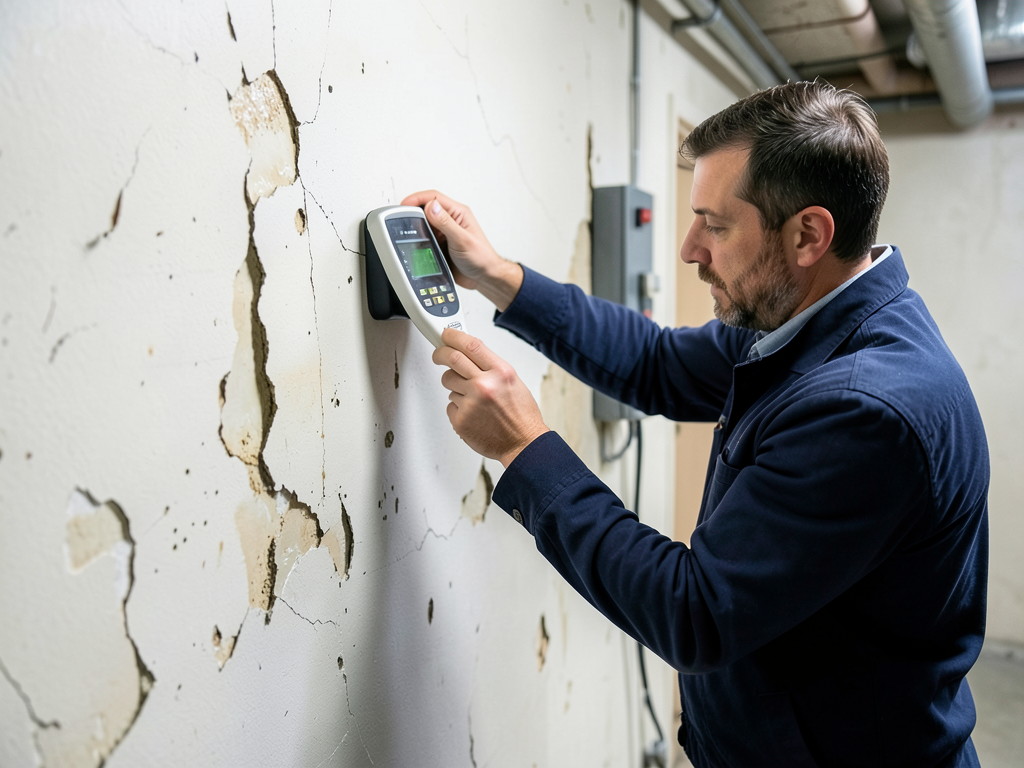
Our initial site assessment documents the contamination source, affected square footage, impacted building systems, and salvageable versus non-salvageable materials. We use moisture meters, thermal imaging, and borescope inspection to identify hidden sewage migration in wall cavities, under flooring systems, and within ceiling plenums. You receive a written scope of work that details all necessary remediation activities, estimated timelines, and equipment deployment. This scope satisfies insurance documentation requirements and provides the cost basis for your claim. We can participate in three-way calls with your adjuster to expedite approval and prevent disputes over covered activities. The assessment typically requires 45 to 90 minutes depending on facility size and complexity.

Final Deliverable and Facility Condition

Your facility returns to a controlled, sanitized condition ready for reconstruction or immediate reoccupancy depending on damage severity. All Category 3 water and contaminated porous materials are removed. Structural surfaces receive EPA-registered antimicrobial treatment and complete drying to below 15% moisture content in wood substrates and below 1% in concrete. You receive documentation including moisture logs, thermal images, disposal manifests for contaminated materials, and photographic progression records. For regulated occupancies, we provide inspection-ready documentation that demonstrates compliance with applicable health codes. If reconstruction is required, we transition directly to that phase using the same project management structure, eliminating coordination gaps and preventing recontamination during rebuild activities.

Post-Remediation Monitoring and Prevention Planning

After project completion, we provide a post-remediation consultation that identifies the failure point causing your sewage event and recommends preventive measures. This might include backflow preventer installation, sump pump redundancy systems, or floor drain maintenance protocols. For properties with recurring sewage risk due to elevation or infrastructure age, we can establish priority response agreements that guarantee equipment availability and expedited dispatch. We maintain your project file for seven years, providing easy access to documentation if you sell the property, refinance, or face a liability claim related to the incident. Our goal is not just remediation, but risk reduction that protects your asset value and operational continuity long-term.

Frequently Asked Questions

You Have Questions,
We Have Answers

How much does it cost to clean up sewage? +

Commercial sewage cleanup costs depend on contamination severity, affected square footage, and structural damage. Expect variables like Category 3 water extraction, antimicrobial treatment, demolition, and disposal fees. Multi-story buildings or facilities with HVAC contamination increase costs. Louisville properties with basement flooding face higher expenses due to excavation and foundation concerns. Business interruption during cleanup also affects total financial impact. Contact a certified restoration contractor for a detailed assessment. Focus on liability reduction and code compliance, not just surface cleaning.

Does insurance cover sewage cleanup? +

Most commercial property policies cover sudden sewage backups under water damage provisions, but exclude gradual seepage or lack of maintenance. Review your policy for sewer backup endorsements and coverage limits. Louisville businesses should verify whether flood policies are required separately due to proximity to the Ohio River. Document everything immediately with photos and detailed logs. Restoration contractors experienced in commercial claims can coordinate directly with adjusters to expedite approval and minimize downtime. Never assume coverage without written confirmation.

How often should sewage be cleaned? +

Commercial sewer lines require inspection and maintenance annually, not just cleaning. High-use facilities like restaurants, healthcare centers, or manufacturing plants may need quarterly camera inspections and jetting. Louisville properties with older cast iron or clay lines should monitor more frequently due to root intrusion and corrosion. Preventive maintenance costs far less than emergency sewage backups and business closures. Schedule cleaning based on usage volume, grease production, and previous line history. Regular maintenance also protects against liability and health code violations.

Are raw sewage fumes harmful? +

Raw sewage releases hydrogen sulfide, methane, and ammonia, all dangerous to employees and occupants. Short-term exposure causes headaches, nausea, and respiratory distress. Prolonged contact can trigger unconsciousness or death in confined spaces. Sewage also carries pathogens like E. coli, hepatitis A, and parasites. Louisville commercial properties must evacuate affected areas immediately and restrict access. OSHA requires proper ventilation and PPE for anyone entering contaminated zones. Never allow untrained staff near sewage, liability and health risks are too high.

Is sewer jetting worth it? +

Sewer jetting is worth it for grease buildup, root intrusion, and debris blockages in commercial lines. Hydro jetting uses high-pressure water to scour pipe walls clean, restoring full flow capacity. Louisville restaurants and food service operations benefit most due to heavy grease production. Jetting prevents costly emergency backups and extends sewer line lifespan. It costs more than snaking but delivers superior results. Combine jetting with camera inspections to verify line condition and identify structural issues before they escalate into failures.

Why is my sewer bill 200 dollars? +

A 200-dollar sewer bill may reflect high water usage, stormwater fees, or Louisville MSD infrastructure assessments. Commercial properties pay based on metered water consumption, assuming most water exits through sewage. Restaurants, laundromats, and industrial users see higher bills. Louisville charges separate stormwater fees based on impervious surface area. Review your bill for usage spikes indicating leaks or inefficiencies. Contact Louisville MSD to verify rate structures and challenge discrepancies. Reducing water waste lowers both water and sewer costs.

What is the average lifespan of a sewer line? +

Commercial sewer lines last 40 to 80 years depending on material and maintenance. Cast iron corrodes faster in Louisville due to soil acidity and moisture. PVC and HDPE lines offer longer lifespans with minimal maintenance. Heavy usage, chemical exposure, and root intrusion accelerate deterioration. Facilities built before 1980 likely have aging infrastructure requiring inspection. Replace failing lines proactively to avoid catastrophic backups and foundation damage. Camera inspections reveal crack progression, offset joints, and bellied sections before total collapse.

How much does sewage insurance cost? +

Sewage backup endorsements for commercial properties cost 200 to 800 dollars annually depending on coverage limits and risk factors. Policies typically cap at 10,000 to 50,000 dollars per incident. Louisville properties near flood zones or with older sewer infrastructure pay higher premiums. Restaurants and medical facilities face increased rates due to contamination liability. Endorsements do not replace flood insurance. Evaluate your exposure based on building age, sewer line condition, and business continuity requirements. Adequate coverage prevents financial devastation from extended closures.

Are trenchless sewer repairs worth it? +

Trenchless sewer repairs are worth it for commercial properties when excavation disrupts operations, parking, or landscaping. Pipe bursting and CIPP lining cost more upfront but eliminate surface destruction and business downtime. Louisville commercial sites with limited access or high traffic benefit most. Trenchless methods work well for lines 4 to 36 inches. Severely collapsed or offset pipes may still require excavation. Evaluate repair scope, line depth, and operational impact before choosing methods. Faster completion reduces revenue loss and liability exposure.

How do professionals clean sewer lines? +

Professionals clean commercial sewer lines using camera inspections, hydro jetting, and mechanical augering. Inspection identifies blockage type, location, and structural defects. Hydro jetting removes grease, scale, and roots with high-pressure water streams up to 4,000 PSI. Cable augering clears solid obstructions mechanical jetting cannot address. Contractors extract debris, sanitize affected areas, and verify flow restoration. Louisville properties with recurring issues receive root treatment or recommend lining. Professional cleaning meets health codes, prevents contamination, and documents compliance for liability protection.

Louisville's Combined Sewer System and Commercial Property Sewage Risk

Louisville operates one of the largest remaining combined sewer systems in the United States, serving approximately 87,000 properties in Jefferson County. This infrastructure combines sanitary sewage with stormwater runoff in the same pipe network. During rainfall events exceeding 0.3 inches per hour, the system reaches capacity and sewage backs up through the lowest drainage points in connected buildings. Commercial properties in the designated Combined Sewer Overflow area, particularly those in Butchertown, Phoenix Hill, and the Central Business District, face significantly higher sewage backup risk than properties served by separated sanitary systems. The Metropolitan Sewer District's ongoing Consent Decree projects will reduce but not eliminate this risk through 2035. Commercial black water extraction becomes a recurring need rather than a one-time event for properties in these service areas.

Elite Water Damage Restoration Louisville maintains relationships with local commercial plumbing contractors, environmental consultants, and industrial hygienists who understand Jefferson County's unique sewage infrastructure challenges. We participate in continuing education through the Kentuckiana Chapter of the Restoration Industry Association, ensuring our protocols align with evolving industry standards and local code requirements. Our technicians hold IICRC Applied Structural Drying and Applied Microbial Remediation certifications specific to commercial applications. When you hire local expertise for industrial sewage cleanup, you get teams familiar with Louisville's building stock, climate patterns, and regulatory environment. This knowledge translates to faster response, appropriate remediation protocols, and documentation that satisfies local inspectors and insurance adjusters who regularly work in this market.

Water Damage Services in The Louisville Area

Elite Water Damage Restoration is proud to serve the entire Louisville metropolitan area and surrounding communities. We are committed to providing top-tier water damage solutions to all residents and businesses in our service region. Feel free to explore our service map to confirm your location is within our coverage area or simply give us a call to discuss your specific needs. Our team is ready to help restore your property with speed and professionalism.

Address:
Elite Water Damage Restoration Louisville, 1000 E Kentucky St., Louisville, KY, 40204

Additional Services We Offer

Our news updates

Latest Articles & News from The Blogs

Why those rubber washing machine hoses are a ticking time bomb for your Fern Creek laundry room Every year thousands…

Why those rubber washing machine hoses are a ticking time bomb for your Fern Creek laundry room

Why those rubber washing machine hoses are a ticking time bomb for your Fern Creek laundry room Every year thousands…

Keeping your pets safe from mold and bacteria after a Louisville basement leak

Keeping Your Pets Safe from Mold and Bacteria After a Louisville Basement Leak A basement leak in Louisville creates immediate…

What to do in the first hour after finding a flood in your J-town home

What to do in the first hour after finding a flood in your J-town home Finding water pouring into your…

Contact Us

Commercial sewage events create liability exposure that grows with every passing hour. Call Elite Water Damage Restoration Louisville now at (502) 370-2711 for immediate commercial response. We deploy containment teams 24 hours daily across Jefferson County. Protect your assets, your employees, and your business continuity.