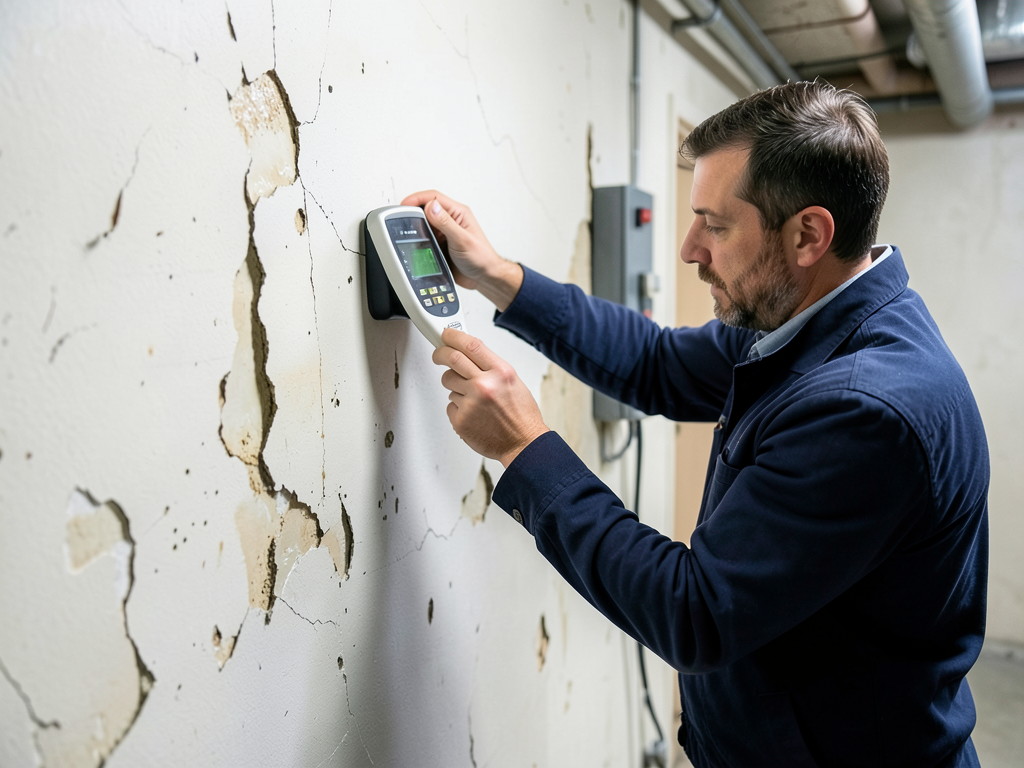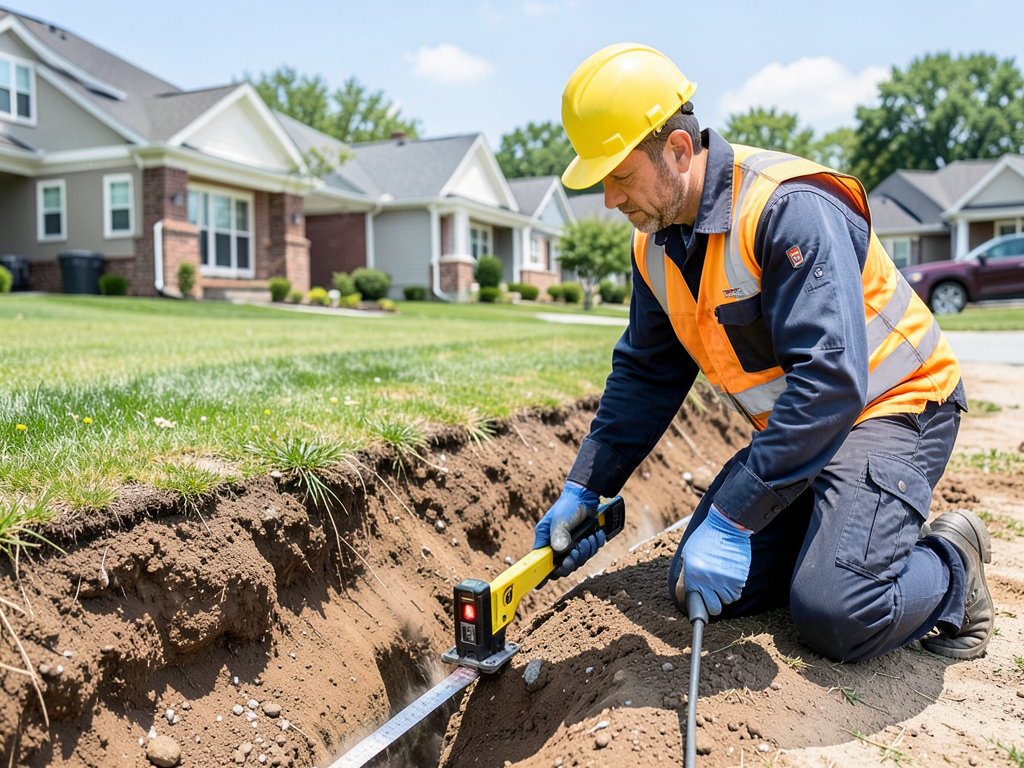







Louisville ranks among the top 20 U.S. cities for pre-1940 housing stock, with entire neighborhoods like Old Louisville featuring Victorian-era construction methods. These homes use materials and techniques that affect how insurance companies evaluate mold damage. Plaster walls absorb moisture more readily than drywall but also resist mold growth on their surface. Balloon framing allows water to travel vertically through wall cavities from roof to foundation, spreading contamination far from the original leak. Stone foundations in homes near Iroquois Park or Cherokee Park wick groundwater during spring flooding, creating chronic moisture problems that blur the line between sudden water damage and ongoing seepage. Adjusters unfamiliar with these construction characteristics may deny claims by claiming the damage was gradual, even when a specific event triggered the mold outbreak.
Elite Water Damage Restoration Louisville has worked in every historic district and knows how to document water damage in older homes to satisfy insurance requirements. We explain construction characteristics that affect damage patterns and provide historical context showing how a recent event caused mold despite underlying moisture issues common to all period homes in Louisville. Our familiarity with local building code interpretations also matters because Jefferson County requires different remediation protocols for historic properties than for modern construction. Insurance companies trust our assessments because we speak their language while advocating for your full coverage. Choosing a restoration company without deep Louisville experience often results in inadequate documentation that gives adjusters reasons to reduce settlements or deny claims entirely.