



Menu

Emergency Mold Containment in Louisville – 24/7 Response Teams Onsite Within 60 Minutes

When mold spreads behind your walls or floods your basement, Elite Water Damage Restoration Louisville dispatches certified technicians immediately to isolate contaminated zones, protect your family's health, and stop structural damage before it compounds.

Slider Image 1
Slider Image 2
Slider Image 3
Slider Image 4
Slider Image 5
Slider Image 7
Slider Image 8
Slider Image 9
Slider Image 10
Slider Image 11

Why Mold Spreads So Fast in Louisville Homes and Businesses

Louisville sits in the Ohio River Valley, where humidity regularly climbs above 70 percent from May through September. Combine that moisture with the city's older housing stock, crawl spaces built on clay soil, and basements prone to seepage, and you have the perfect breeding ground for mold.

When a pipe bursts in Old Louisville or a roof leak saturates insulation in the Highlands, mold colonies can multiply in 24 to 48 hours. You might smell it first, that musty odor creeping through vents. Then you see it: black patches spreading across drywall, fuzzy growth behind baseboards, or discoloration on ceiling tiles.

This is not cosmetic damage. Mold releases spores that circulate through your HVAC system, triggering respiratory issues, headaches, and allergic reactions. For anyone with asthma or compromised immunity, exposure becomes a health crisis.

Urgent mold isolation stops the spread. Immediate mold mitigation prevents cross-contamination. Emergency mold abatement protects your property value. Waiting even 12 hours allows spores to travel from one room to the entire structure.

Louisville's freeze-thaw cycles also crack foundations, letting groundwater seep into basements during heavy rain. The National Weather Service reports the city averages 45 inches of precipitation annually. That water does not just evaporate. It soaks into porous materials like drywall, wood framing, and insulation, creating hidden moisture pockets where mold thrives.

If you suspect mold growth, you need rapid mold containment services before the problem migrates. The longer you wait, the more invasive and expensive the remediation becomes.

Why Mold Spreads So Fast in Louisville Homes and Businesses
How We Contain Mold Before It Spreads to Clean Zones

How We Contain Mold Before It Spreads to Clean Zones

Elite Water Damage Restoration Louisville uses negative air pressure containment to isolate affected areas. We seal off contaminated rooms with polyethylene sheeting and create a vacuum environment using HEPA-filtered air scrubbers. This prevents airborne spores from migrating into unaffected spaces.

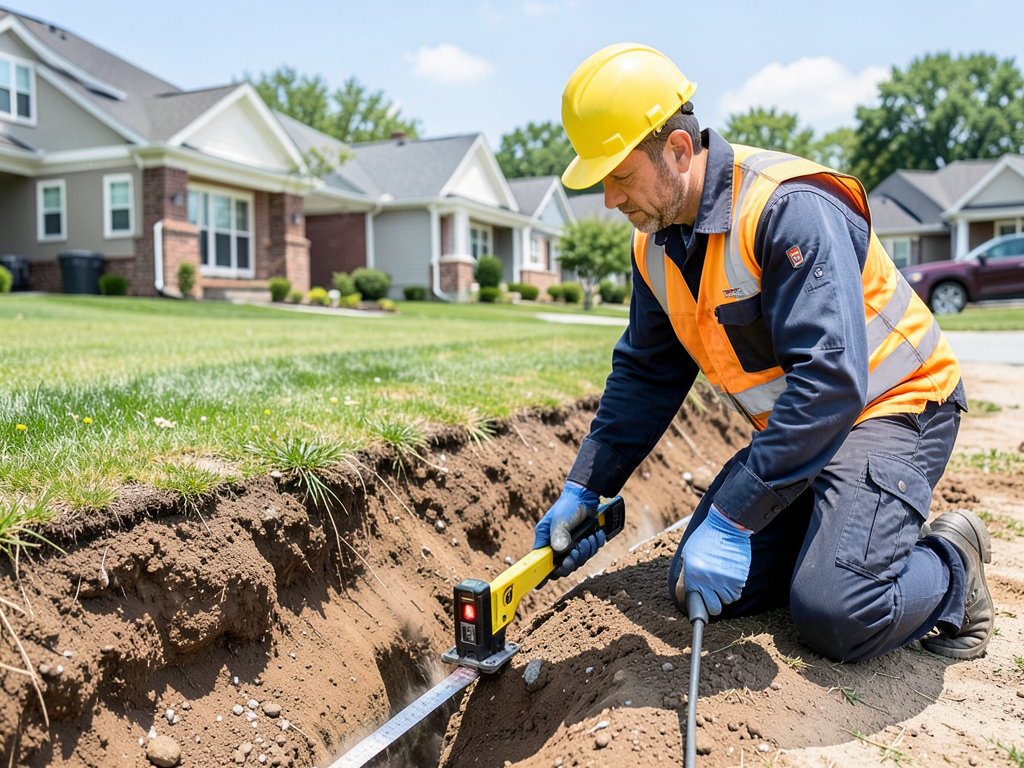
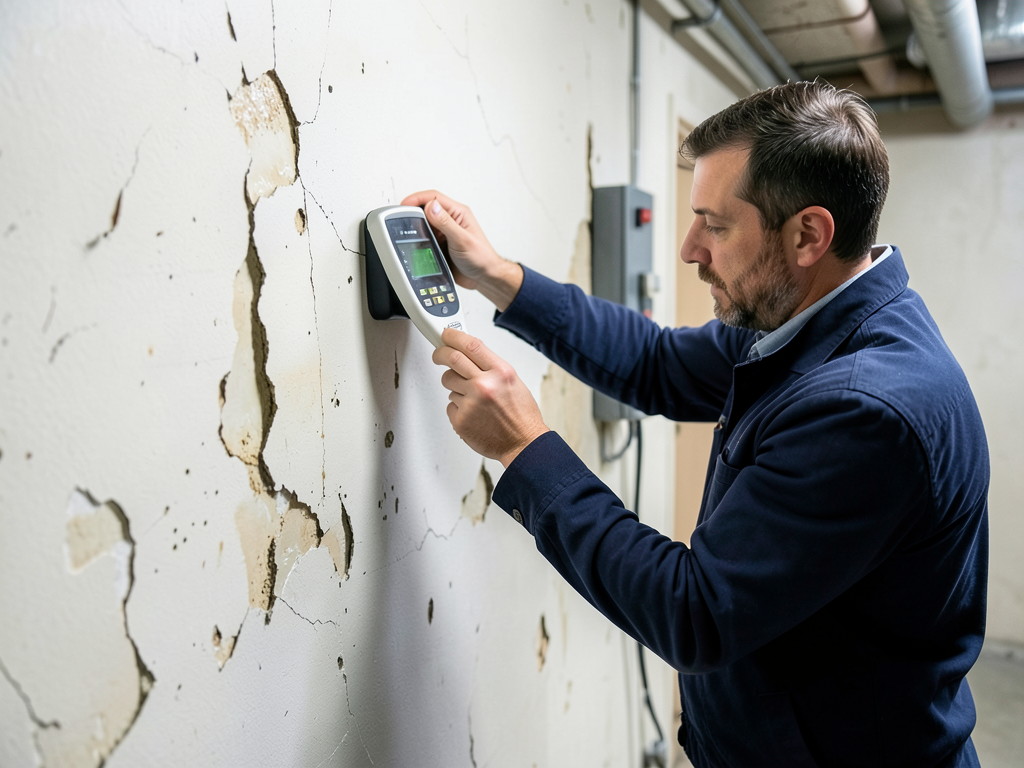
First, we identify the moisture source. Mold does not grow without water. Our technicians use thermal imaging cameras and moisture meters to trace hidden leaks behind walls, under flooring, or in ceiling cavities. We document moisture readings at multiple depths to map the full extent of saturation.

Next, we establish containment barriers. We seal HVAC registers, doorways, and any penetrations in walls or ceilings. We install air scrubbers rated for 99.97 percent particle filtration at 0.3 microns, which captures mold spores, bacteria, and volatile organic compounds released during decomposition.

We then remove porous materials that cannot be salvaged. Drywall, insulation, carpeting, and ceiling tiles saturated for more than 48 hours become biohazard waste. We bag and dispose of contaminated materials according to EPA guidelines, preventing cross-contamination during transport.

For non-porous surfaces like metal ductwork, concrete, or glass, we apply antimicrobial treatments after physical removal of visible growth. This kills residual spores embedded in surface textures.

Finally, we dry the structure using industrial dehumidifiers and air movers. We monitor humidity levels hourly, targeting 30 to 50 percent relative humidity to prevent regrowth. Drying typically takes three to five days, depending on material density and airflow access.

This is 24/7 mold damage containment. We work around the clock because mold does not stop spreading at 5 p.m.

What Happens When You Call for Emergency Containment

Emergency Mold Containment in Louisville – 24/7 Response Teams Onsite Within 60 Minutes
01

Immediate Dispatch and Assessment

You call our emergency line at (502) 370-2711, and our dispatch team logs your location and mold exposure details. We deploy a two-person crew within 60 minutes. Upon arrival, technicians conduct a visual inspection, measure airborne spore concentrations using particle counters, and identify the moisture source fueling growth. You receive a verbal summary of findings and recommended containment scope before work begins.
02

Containment Setup and Extraction

Our team seals off the affected zone with six-mil polyethylene barriers and installs HEPA air scrubbers to create negative air pressure. We remove saturated materials like drywall, insulation, and flooring, placing debris in double-bagged containers. We apply antimicrobial agents to framing, studs, and concrete surfaces. This phase prevents spore migration and eliminates visible colonies. Most containment setups complete within four to six hours.
03

Drying and Clearance Verification

We position commercial dehumidifiers and air movers to extract residual moisture from structural cavities. Technicians monitor humidity and temperature every 12 hours, adjusting equipment placement to accelerate evaporation. Once materials reach equilibrium moisture content below 15 percent, we conduct a post-remediation spore test. If levels fall within EPA acceptable ranges, we issue a clearance certificate and release the containment zone for reconstruction.

Why Louisville Property Owners Trust Elite Water Damage Restoration

We have worked in Louisville long enough to know that mold problems in Crescent Hill look different than mold issues in Butchertown. Older homes in the Highlands have plaster walls and balloon framing, which allows spores to travel vertically through wall cavities. Ranch homes in the East End often have slab foundations with poor vapor barriers, creating condensation issues.

Elite Water Damage Restoration Louisville holds certifications from the Institute of Inspection, Cleaning and Restoration Certification. Our technicians complete annual training in water damage restoration, applied microbial remediation, and structural drying. We follow IICRC S520 standards for mold remediation, which means we use EPA-approved biocides, maintain documentation chains, and adhere to containment protocols designed to protect occupants.

We also understand Louisville's building codes. Jefferson County requires permits for structural drying in commercial buildings and multi-family units. We handle permitting, coordinate with your insurance adjuster, and provide documentation that meets carrier requirements for claim approval.

You are not hiring a franchise that subcontracts local work to untrained crews. You are working with technicians who live in Louisville, who understand how the Ohio River's proximity affects humidity levels, and who have remediated mold in Historic Preservation District homes where material removal requires careful navigation of landmark restrictions.

We also offer direct insurance billing. You do not pay upfront and wait for reimbursement. We communicate directly with your carrier, provide real-time estimates, and ensure your claim includes all necessary containment and drying services. This removes financial uncertainty during an already stressful situation.

When mold threatens your property, you need a team that responds immediately and works correctly the first time.

What You Can Expect During Emergency Mold Containment

Arrival Time and Availability

We operate 24 hours a day, seven days a week. Our average response time in Louisville is 60 minutes from your initial call to crew arrival. During severe weather events like flash flooding along Beargrass Creek or ice dam failures in January, we prioritize calls based on health risk and structural vulnerability. You will receive a callback within five minutes and a confirmed arrival window within 15 minutes. We do not make you wait until Monday morning when mold is already colonizing your walls.

Initial Inspection and Scope Development

Our technicians perform a room-by-room assessment, checking behind baseboards, inside closets, and above ceiling tiles. We use moisture meters to measure water content in drywall, framing, and subfloors. We also test airborne spore concentrations using impaction samplers or tape lifts for surface sampling. You receive a written scope of work that identifies contaminated materials, containment boundaries, and estimated drying time. This assessment typically takes 45 to 90 minutes, depending on property size and access limitations.

Containment Quality and Air Safety

We do not cut corners on containment. Every barrier is sealed with sheathing tape, every air scrubber is equipped with pre-filters and HEPA filters, and every exhaust duct vents outside the structure. We monitor air pressure differentials using manometers to confirm negative pressure is maintained throughout remediation. You will see visible dust suppression, no cross-contamination odors in clean zones, and certified disposal of contaminated materials. Post-remediation air testing confirms spore levels return to baseline before we dismantle containment barriers.

Documentation and Insurance Coordination

We photograph every stage of containment, document moisture readings in daily logs, and provide itemized invoices that align with Xactimate estimating software used by most insurance carriers. If your policy covers mold remediation, we submit claims documentation directly to your adjuster, including pre-loss and post-remediation reports. We also provide a Certificate of Mold Remediation upon project completion, which protects your property value if you sell in the future. This documentation is critical for disclosure requirements in Kentucky real estate transactions.

Frequently Asked Questions

You Have Questions,
We Have Answers

What is the proper containment for mold? +

Proper mold containment uses physical barriers to stop spores from spreading during remediation. Professionals install 6-mil polyethylene sheeting to seal off the affected area, creating negative air pressure with HEPA-filtered air scrubbers. This pulls contaminated air inward and filters it before release. In Louisville homes, where humidity from the Ohio River valley accelerates growth, containment is critical. Entry and exit points use zipper doors or airlock chambers. HVAC systems get sealed to prevent spore circulation. For large infestations over 10 square feet, full containment with decontamination chambers is necessary to protect your family.

What plant removes 78% of airborne mold? +

English ivy removes roughly 78% of airborne mold spores in controlled studies, making it a popular houseplant for air quality. Peace lilies and spider plants also reduce mold counts. But here's the reality for Louisville homeowners: plants alone cannot fix a mold problem. They do not address the moisture source or kill existing colonies on drywall, insulation, or framing. If you see visible growth or smell mustiness after heavy rain or basement flooding, you need professional remediation. Plants are a supplement, not a solution. Call a certified technician to identify the source and eliminate it permanently.

Does FEMA pay for mold remediation? +

FEMA does not directly pay for mold remediation after federally declared disasters. Their Individual Assistance program covers emergency repairs to make your Louisville home safe and habitable, but mold cleanup is typically excluded unless it results from covered structural damage. You must address mold quickly after flooding to prevent it from becoming a chronic issue. Homeowners insurance may cover mold if it stems from a sudden plumbing failure or storm damage, but policies often exclude long-term water intrusion or maintenance neglect. Document everything with photos and get a professional assessment within 48 hours to maximize coverage.

Is mold an OSHA violation? +

Yes. OSHA regulates workplace mold exposure under general duty clauses and respiratory protection standards. Employers must assess hazards, provide proper ventilation, and supply respirators for workers handling contaminated materials. Louisville businesses with water damage or visible growth face liability if employees report symptoms like coughing, headaches, or respiratory distress. OSHA does not have a specific mold exposure limit, but they enforce safety protocols during remediation. If you run a commercial property and discover mold, shut down affected areas immediately and hire certified professionals. Ignoring it puts your team at risk and exposes you to potential citations and lawsuits.

What kills mold permanently? +

Nothing kills mold permanently if moisture remains. You must eliminate the water source first. Professionals use EPA-registered antimicrobial solutions and fungicides to kill surface mold, then remove porous materials like drywall, insulation, and carpet that harbor hidden colonies. In Louisville, high humidity and clay soil create persistent moisture problems. HEPA vacuuming removes dead spores. Encapsulants seal non-porous surfaces after treatment. But if your basement floods again or your crawl space stays damp, mold will return. Fix leaks, improve drainage, and control indoor humidity below 50%. Kill the current growth, then prevent future outbreaks with moisture management.

What are the first signs of mold sickness? +

First signs of mold sickness include persistent coughing, sneezing, and sinus congestion that worsens at home. You may experience headaches, fatigue, itchy eyes, or skin rashes. Louisville residents often mistake symptoms for seasonal allergies, especially during humid summer months. Asthmatics notice increased wheezing and shortness of breath. Some people report brain fog or difficulty concentrating. If symptoms improve when you leave your house and return when you come back, suspect mold. Do not wait. Prolonged exposure worsens reactions and may cause chronic respiratory issues. Get a professional inspection immediately and vacate affected areas until remediation is complete.

How Louisville's Ohio River Humidity Accelerates Mold Growth in Flood Zones

Louisville sits at the intersection of the Ohio River and multiple tributary creeks, including Beargrass Creek and Floyds Fork. When river levels rise during spring storms, backwater flooding pushes into low-lying neighborhoods like Butchertown, Shawnee, and Portland. This floodwater carries silt, bacteria, and organic debris that saturates basements and crawl spaces. Even after water recedes, relative humidity in these structures remains above 60 percent for weeks. Mold spores thrive in this environment, colonizing floor joists, insulation, and drywall within 48 hours. Immediate mold mitigation and urgent mold isolation are not optional in flood-affected areas. They are necessary to prevent long-term structural rot and indoor air quality hazards.

Elite Water Damage Restoration Louisville has remediated mold in Victorian-era homes in Old Louisville, mid-century ranches in the East End, and commercial buildings in NuLu. We understand local construction methods, from pier-and-beam foundations common in pre-1950 homes to slab-on-grade foundations in newer developments. We also navigate Jefferson County permitting requirements for commercial mold remediation and coordinate with Kentucky Department for Public Health guidelines when contamination affects multi-family or public-use buildings. Choosing a local team means working with technicians who recognize Louisville-specific challenges and respond with solutions proven effective in this climate and housing stock.

Water Damage Services in The Louisville Area

Elite Water Damage Restoration is proud to serve the entire Louisville metropolitan area and surrounding communities. We are committed to providing top-tier water damage solutions to all residents and businesses in our service region. Feel free to explore our service map to confirm your location is within our coverage area or simply give us a call to discuss your specific needs. Our team is ready to help restore your property with speed and professionalism.

Address:
Elite Water Damage Restoration Louisville, 1000 E Kentucky St., Louisville, KY, 40204

Additional Services We Offer

Our news updates

Latest Articles & News from The Blogs

Why those rubber washing machine hoses are a ticking time bomb for your Fern Creek laundry room Every year thousands…

Why those rubber washing machine hoses are a ticking time bomb for your Fern Creek laundry room

Why those rubber washing machine hoses are a ticking time bomb for your Fern Creek laundry room Every year thousands…

Keeping your pets safe from mold and bacteria after a Louisville basement leak

Keeping Your Pets Safe from Mold and Bacteria After a Louisville Basement Leak A basement leak in Louisville creates immediate…

What to do in the first hour after finding a flood in your J-town home

What to do in the first hour after finding a flood in your J-town home Finding water pouring into your…

Contact Us

Mold spreads fast. Our teams respond faster. Call Elite Water Damage Restoration Louisville now at (502) 370-2711 for emergency mold containment. We dispatch certified technicians within 60 minutes, isolate contaminated zones, and protect your property 24/7.