


Menu

24/7 Toilet Overflow Cleanup in Louisville | Emergency Response in Under 60 Minutes

Elite Water Damage Restoration Louisville provides rapid toilet overflow remediation with immediate dispatch, advanced sewage extraction equipment, and certified technicians who stop contamination before it spreads through your Louisville home.

Slider Image 1
Slider Image 2
Slider Image 3
Slider Image 4
Slider Image 5
Slider Image 7
Slider Image 8
Slider Image 9
Slider Image 10
Slider Image 11

When Your Toilet Overflows, Every Second Counts

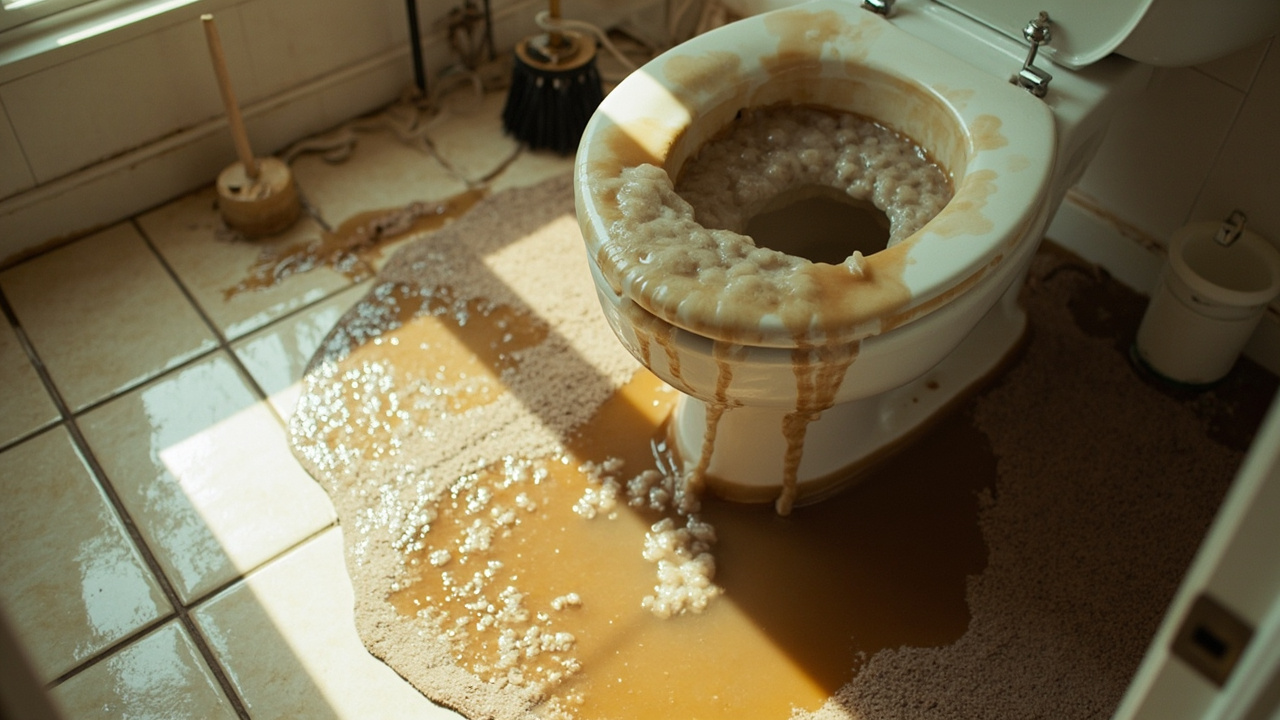
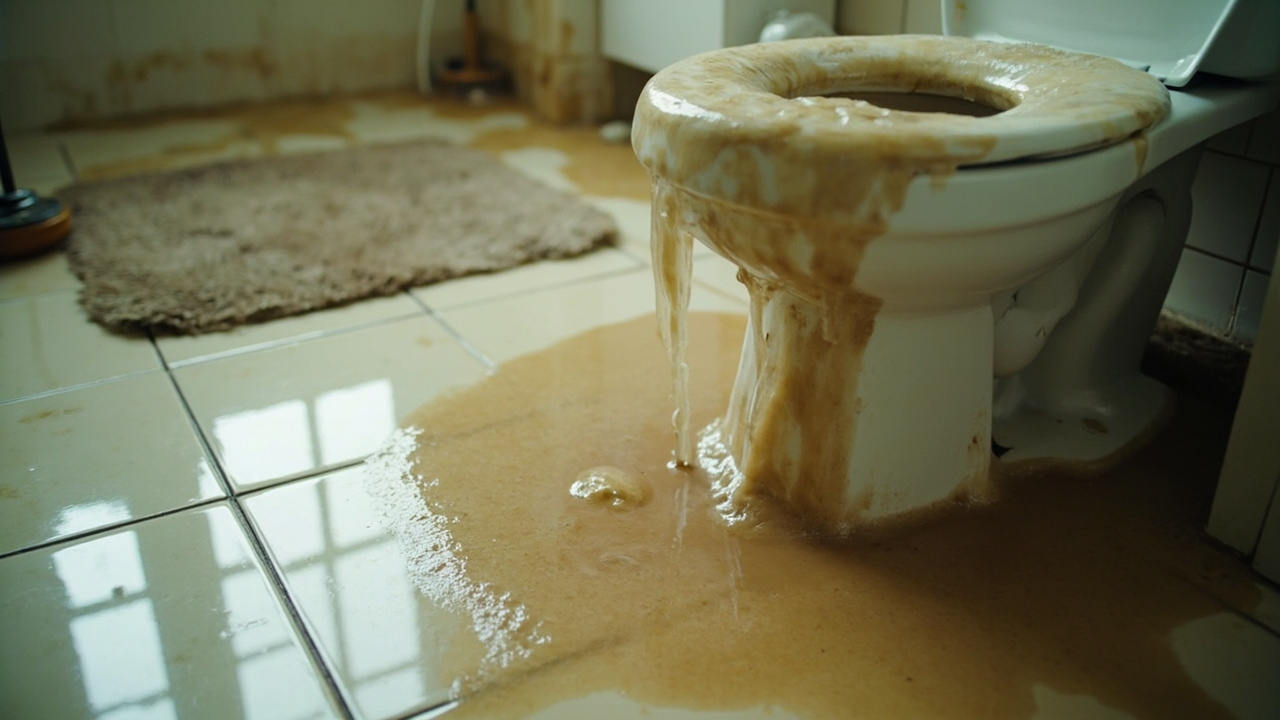
You walk into the bathroom and see water spreading across the floor. The toilet is overflowing and you cannot stop it. Panic sets in. You grab towels, but the water keeps coming. This is not just water. This is contaminated waste that carries bacteria, viruses, and pathogens that threaten your family's health.

Louisville's older housing stock makes this worse. Many homes in Old Louisville, the Highlands, and Germantown were built before modern plumbing codes. Cast iron drain lines corrode over time. Tree roots from Louisville's mature oak and maple canopy infiltrate sewer laterals. Clay soil shifts with our freeze-thaw cycles, cracking pipes underground. When these systems fail, you face more than a mess. You face a biohazard.

Toilet sewage removal must happen immediately. Category 3 water (black water) contains fecal matter, urine, and chemicals. It soaks into subflooring, drywall, and baseboards within minutes. Emergency toilet water extraction stops the spread, but only if you act fast. Waiting even an hour allows contamination to migrate into wall cavities and HVAC ducts. Mold spores activate in 24 to 48 hours in Louisville's humid climate.

Overflowing toilet cleanup is not a DIY project. You need professional-grade extractors, antimicrobial treatments, and containment barriers. You need someone who understands the difference between surface cleaning and true decontamination. You need toilet flood restoration that protects your family and your property value.

When Your Toilet Overflows, Every Second Counts
Our Toilet Overflow Remediation Process

Our Toilet Overflow Remediation Process

We do not just mop up water. We execute a containment and decontamination protocol designed for Category 3 water events. Our technicians arrive with truck-mounted extraction units that remove standing water in minutes, not hours. We use EPA-registered disinfectants that kill pathogens on contact, including E. coli, Salmonella, and Hepatitis A.

Containment is critical. We establish negative air pressure zones to prevent airborne contaminants from spreading to clean areas of your home. HEPA air scrubbers filter particles down to 0.3 microns. This stops cross-contamination while we work. We remove porous materials that cannot be salvaged. Carpet, padding, and drywall that contacted sewage must be disposed of according to Kentucky Department for Environmental Protection guidelines.

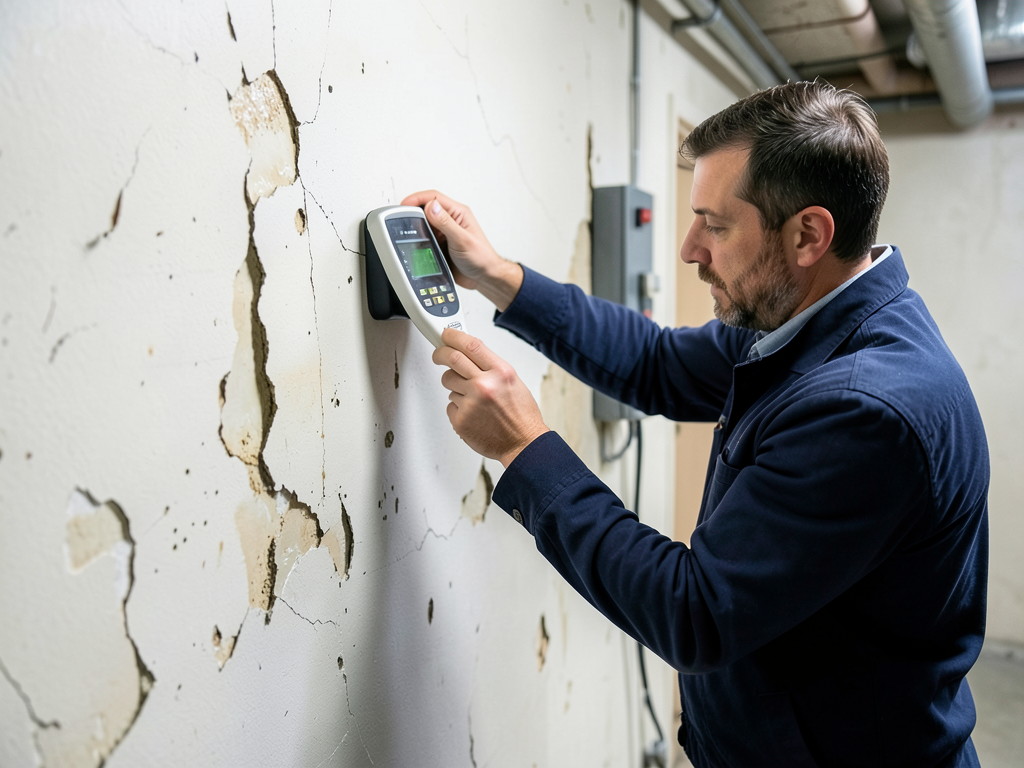
Moisture mapping comes next. We use infrared cameras and moisture meters to identify hidden saturation. Water migrates through capillary action into areas you cannot see. We document every affected zone for insurance purposes and to ensure complete drying. Our industrial dehumidifiers and air movers create the airflow and vapor pressure differential needed to dry structural materials to baseline moisture levels.

Antimicrobial application is the final barrier. We fog affected areas with hospital-grade disinfectants that bond to surfaces and provide residual protection. This is not the same as spraying bleach. We use quaternary ammonium compounds and phenolic disinfectants that meet OSHA bloodborne pathogen standards. Your home is not just dry. It is safe. We verify this with ATP testing that measures biological contamination at the molecular level.

How We Handle Your Emergency Call

24/7 Toilet Overflow Cleanup in Louisville | Emergency Response in Under 60 Minutes
01

Immediate Dispatch and Assessment

You call our emergency line at (502) 370-2711 and speak directly with a technician, not an answering service. We dispatch a crew to your Louisville location within 60 minutes. Our technician arrives with full personal protective equipment and begins source containment. We stop the overflow, assess the extent of contamination, and establish a work zone before any water touches clean areas.
02

Extraction and Decontamination

Truck-mounted extractors remove standing sewage and contaminated water. We apply antimicrobial treatments to all hard surfaces and remove unsalvageable porous materials. Containment barriers and negative air machines prevent pathogen spread. We document moisture levels in floors, walls, and adjacent spaces using thermal imaging and pin-type meters. This data guides our drying strategy and supports your insurance claim.
03

Drying and Verification

Industrial dehumidifiers and air movers run continuously until structural materials return to dry standard. We monitor progress with daily moisture readings and adjust equipment placement as needed. Final verification includes ATP surface testing to confirm biological contamination is eliminated. We provide a certificate of decontamination and a moisture map showing all materials have returned to baseline levels. Your home is safe for reoccupation.

Why Louisville Homeowners Call Elite Water Damage Restoration

We understand Louisville plumbing. We know that homes in Crescent Hill and Cherokee Triangle have galvanized pipes that corrode from the inside out. We know that properties near Beargrass Creek deal with high water tables that stress sewer laterals. We know that Louisville's combined sewer system can cause backflow during heavy rain events. This local knowledge matters when you need emergency toilet water extraction.

Our technicians are IICRC-certified in Water Damage Restoration and Applied Microbial Remediation. This is not entry-level training. These certifications require passing exams on pathogen identification, containment protocols, and drying science. We follow ANSI/IICRC S500 standards for water damage restoration and S520 standards for mold remediation. These are the industry benchmarks that insurance adjusters expect and that protect your claim.

We work directly with your insurance carrier. We document everything with photos, moisture maps, and equipment logs. We provide detailed estimates that break down labor, equipment, and disposal costs. Most Louisville homeowners have coverage for sudden and accidental water damage, including toilet overflows. We handle the paperwork so you can focus on your family.

Speed separates us from competitors. We stock our trucks with extraction equipment, air movers, dehumidifiers, and antimicrobials. We do not need to rent equipment or wait for supplies. We start work immediately. This reduces drying time, limits secondary damage, and lowers your total restoration cost. In Louisville's humid climate, every hour you wait increases the risk of mold growth and structural damage.

What to Expect During Toilet Overflow Cleanup

Emergency Response Time

We commit to 60-minute response times for Louisville and surrounding areas including Jeffersontown, St. Matthews, and Middletown. Our emergency line is staffed 24 hours a day, 365 days a year. You speak with a technician who can answer questions and provide immediate guidance on source control. We arrive with a fully stocked truck ready to begin extraction and containment. No waiting for equipment rentals or supply runs. You get immediate action when minutes matter most.

Contamination Assessment and Documentation

Our assessment identifies the contamination category, affected materials, and migration pathways. We use moisture meters to check subflooring, wall cavities, and adjacent rooms. Thermal imaging reveals hidden saturation that standard inspection misses. We photograph all damage and create a detailed scope of work. This documentation supports your insurance claim and ensures nothing is missed during restoration. You receive a written estimate before work begins, with line-item pricing for extraction, disposal, drying, and decontamination.

Complete Decontamination and Drying

We do not leave until your home is dry and safe. Extraction removes visible water within hours. Drying equipment runs for three to five days depending on saturation levels and material types. We monitor progress daily and adjust equipment as materials dry. Final verification includes moisture readings that meet industry dry standards and ATP testing that confirms surfaces are free of biological contamination. You receive documentation that shows your home is safe for your family.

Post-Restoration Support and Prevention

After drying is complete, we provide recommendations to prevent future overflows. This may include replacing wax rings, upgrading flapper valves, or installing water alarms. We explain warning signs of drain line problems like slow drainage or gurgling sounds. If you need plumbing repairs, we coordinate with licensed plumbers to address underlying issues. Our work comes with detailed documentation for your records and insurance files. You have our contact information for any questions that arise after we leave.

Frequently Asked Questions

You Have Questions,
We Have Answers

Can you pour vinegar in a toilet overflow tube? +

Yes, you can pour white vinegar into the toilet overflow tube to help clean mineral deposits and prevent buildup. Pour one to two cups slowly down the tube, let it sit for 30 minutes, then flush. Vinegar helps dissolve calcium and lime from Louisville's hard water. However, during an active overflow emergency, stop the water first by shutting off the supply valve. Vinegar works for maintenance, not for stopping flooding. If you have significant water damage from a toilet overflow, call a water damage restoration specialist immediately to prevent structural damage and mold growth.

Will toilet overflow cause mold? +

Yes. Toilet overflow water contains bacteria and organic material that feeds mold growth. Mold can appear within 24 to 48 hours on drywall, baseboards, and subflooring if not dried properly. Louisville's humidity makes this worse, especially during summer months. Category 3 water from toilet overflows is especially dangerous because it contains sewage contaminants. You need professional extraction equipment, antimicrobial treatment, and structural drying to prevent mold. Do not rely on fans and towels. If water soaked through flooring or into walls, hidden mold will grow behind surfaces where you cannot see it until health problems start.

How to clean an overflow tube in a toilet? +

Turn off the water supply first. Remove the tank lid and locate the overflow tube, a vertical pipe in the center. Use a small bottle brush or pipe cleaner dipped in white vinegar to scrub inside the tube. Flush vinegar through by pouring water down the tube. For stubborn buildup from Louisville's hard water, use a calcium remover product. Check the flapper valve and fill valve for damage while you are inside the tank. If the overflow tube is cracked or the toilet keeps overflowing despite cleaning, call a plumber before water damage occurs.

What is the best cleaner for toilet rim jets? +

White vinegar works well for light buildup, but for Louisville's hard water deposits clogging rim jets, use a dedicated calcium and lime remover like CLR or a pumice stone. Apply cleaner under the rim, let it sit for 10 minutes, then scrub with a stiff brush. You can also use a small mirror to see the jets and poke a wire through each hole to clear mineral blockages. Slow-flushing toilets with weak flow often have clogged rim jets. Clean them every few months to prevent problems. Never use bleach and acidic cleaners together.

Can I leave vinegar in the toilet tank overnight? +

Yes, leaving white vinegar in the toilet tank overnight is safe and helps dissolve mineral deposits on internal components. Use two to three cups of plain white vinegar. Do not use it in bowls with colored or decorative finishes, as acid can damage some materials over time. This method works well in Louisville because of hard water issues. Flush twice in the morning to clear the vinegar. Do this monthly for maintenance. If your toilet overflows despite regular cleaning, the problem is mechanical or a drain blockage that needs professional attention before flooding causes structural water damage.

What do plumbers recommend for cleaning toilet tanks? +

Plumbers recommend white vinegar or a commercial toilet tank cleaner for regular maintenance. Avoid automatic drop-in tablets with bleach because they corrode rubber flappers and seals, causing leaks and overflows. For Louisville homes with hard water, descaling products help prevent mineral buildup on fill valves and flush mechanisms. Plumbers suggest cleaning tanks every six months by draining them, scrubbing components with a brush, and flushing debris. If you have recurring overflow issues, the fill valve or flapper likely needs replacement. Do not ignore slow leaks. They waste water and can cause hidden damage behind walls.

How do Japanese bathrooms not get mold? +

Japanese bathrooms use fully waterproof construction with floor drains, exhaust fans that run continuously, and antimicrobial coatings on surfaces. Walls and floors are sealed wet room style so water never touches drywall or wood. They also dry the entire bathroom after each use with a squeegee. Louisville homes are built differently with drywall and wood framing that absorb water quickly. You cannot convert a standard bathroom to Japanese-style waterproofing affordably. Instead, focus on ventilation, fixing leaks immediately, and using exhaust fans during and after showers. If toilet overflow water contacts drywall, professional drying is required.

What kills black mold in a toilet? +

Use a bleach-based cleaner or specialized mold remover on hard toilet surfaces. Mix one cup of bleach with one gallon of water, apply it to visible black mold, let it sit for 10 minutes, then scrub and rinse. Wear gloves and ventilate the bathroom. Black mold in toilets usually grows from standing water and high humidity. However, if you see black mold on walls, ceilings, or floors near the toilet, you have a hidden moisture problem or past overflow damage. That mold requires professional remediation, not DIY cleaning, especially in Louisville's humid climate where mold spreads quickly.

Why is my toilet overflowing but not clogged? +

Your toilet may overflow without a visible clog due to a blocked vent pipe, sewer line issue, or faulty fill valve that keeps running. Louisville homes built before 1980 sometimes have cast iron sewer lines with corrosion or root intrusion. A main line blockage causes multiple fixtures to back up. If the water keeps rising even when nothing is clogged in the bowl, shut off the supply valve immediately and call a plumber. Do not keep flushing. If overflow water damaged flooring or soaked into walls, contact a water restoration specialist right away to prevent mold and structural rot.

What are two things you should never flush down a toilet? +

Never flush wipes, even those labeled flushable, or feminine hygiene products. Wipes do not break down like toilet paper and cause blockages in your home's pipes and Louisville's sewer system. They tangle with grease and form clogs that cause backups and overflows. Feminine products absorb water and expand, blocking pipes completely. Also avoid flushing dental floss, cotton swabs, paper towels, and medications. Stick to human waste and toilet paper only. Flushing the wrong items causes expensive plumbing bills and water damage. If you already have an overflow from a blockage, call a restoration professional immediately.

How Louisville's Aging Plumbing Infrastructure Increases Overflow Risk

Louisville has one of the oldest combined sewer systems in the United States. Many neighborhoods built before 1950 have shared storm and sanitary lines that merge before reaching treatment plants. During heavy rain, these systems become overwhelmed. Sewage backs up through floor drains and toilets, especially in lower-lying areas near the Ohio River. Tree roots from Louisville's mature urban forest infiltrate clay sewer laterals, creating blockages that cause sudden overflows. Homes in historic districts often have original cast iron drain lines that have corroded from decades of use. These factors make emergency toilet water extraction a common need for Louisville homeowners.

Elite Water Damage Restoration Louisville understands these local challenges because we work in these neighborhoods every day. We know which areas are prone to sewer backups during storm events. We know that Louisville's clay soil expands and contracts with moisture changes, stressing underground pipes. We know that the Louisville and Jefferson County Metropolitan Sewer District has specific requirements for sewage disposal. Our technicians follow Kentucky Department for Environmental Protection protocols for Category 3 water handling. When you choose local expertise for toilet overflow remediation, you get technicians who understand your home's unique vulnerabilities and how to address them correctly.

Water Damage Services in The Louisville Area

Elite Water Damage Restoration is proud to serve the entire Louisville metropolitan area and surrounding communities. We are committed to providing top-tier water damage solutions to all residents and businesses in our service region. Feel free to explore our service map to confirm your location is within our coverage area or simply give us a call to discuss your specific needs. Our team is ready to help restore your property with speed and professionalism.

Address:
Elite Water Damage Restoration Louisville, 1000 E Kentucky St., Louisville, KY, 40204

Additional Services We Offer

Our news updates

Latest Articles & News from The Blogs

Why those rubber washing machine hoses are a ticking time bomb for your Fern Creek laundry room Every year thousands…

Why those rubber washing machine hoses are a ticking time bomb for your Fern Creek laundry room

Why those rubber washing machine hoses are a ticking time bomb for your Fern Creek laundry room Every year thousands…

Keeping your pets safe from mold and bacteria after a Louisville basement leak

Keeping Your Pets Safe from Mold and Bacteria After a Louisville Basement Leak A basement leak in Louisville creates immediate…

What to do in the first hour after finding a flood in your J-town home

What to do in the first hour after finding a flood in your J-town home Finding water pouring into your…

Contact Us

Do not wait for contamination to spread. Call Elite Water Damage Restoration Louisville now at (502) 370-2711. Our emergency crews are standing by 24/7 to respond to your Louisville home. We arrive in under 60 minutes with the equipment and expertise to stop the damage and protect your family.