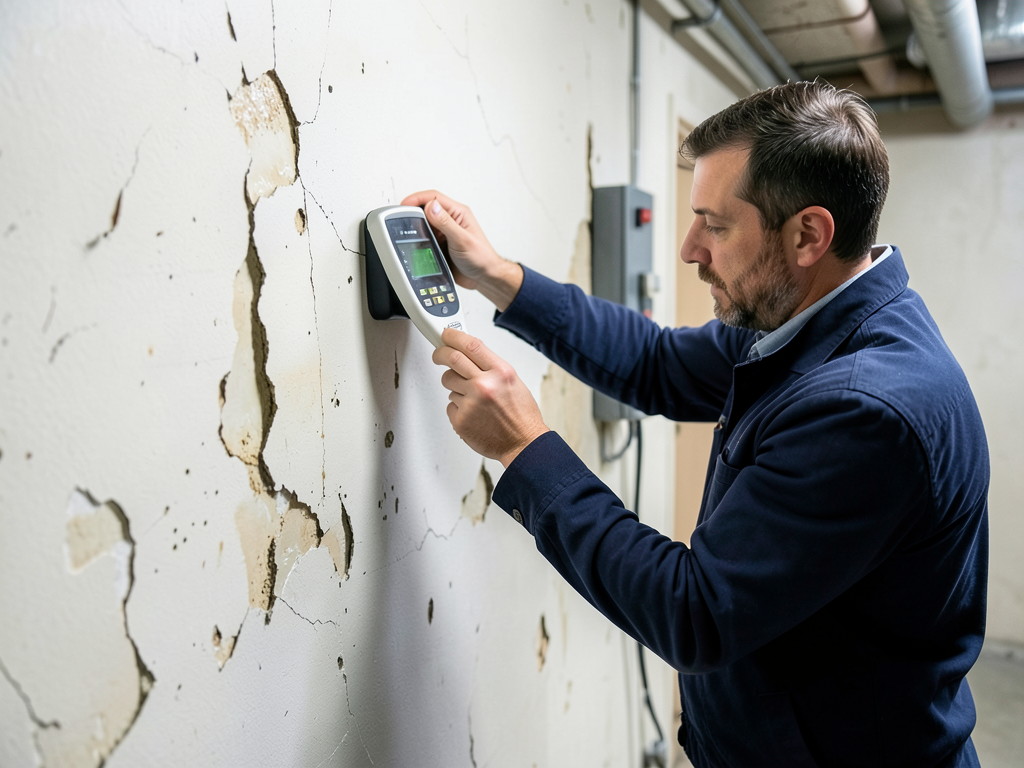






Louisville averages 46 inches of rain annually, with relative humidity above 70 percent for much of May through September. The Ohio River creates a microclimate that traps moisture-laden air in the valley. Homes without whole-house dehumidification cannot maintain indoor humidity below 60 percent during summer, even with air conditioning running continuously. Mold begins colonizing drywall and wood surfaces when humidity stays above 60 percent for 48 hours. Basements in Cherokee Triangle and Germantown see persistent condensation on foundation walls during humid months, creating black mold spots on drywall near floor joists. Older homes with knob-and-tube wiring lack wall insulation, allowing warm, humid outdoor air to contact cool interior surfaces and condense inside wall cavities.
Louisville building codes require mold remediation contractors to follow EPA and IICRC guidelines, but enforcement is inconsistent. Many homeowners hire general handymen who lack proper containment equipment and training. These surface-level cleanups leave contaminated materials in place, allowing fungal growth to return within weeks. Elite Water Damage Restoration follows IICRC S520 standards for mold remediation, which specify containment protocols, proper disposal methods, and verification testing. We work with local environmental testing labs when third-party clearance testing is required for insurance or legal purposes. Our familiarity with Louisville's housing stock means we understand where moisture intrusion is most likely in different neighborhoods and construction types.