




Menu

Water Stains on Drywall in Louisville – Expert Diagnosis Stops Hidden Mold Before It Spreads

Those brown water spots on your walls are not just cosmetic damage. Our certified water damage specialists identify the hidden moisture source causing water stains on drywall, eliminate the threat, and restore your Louisville home before structural damage takes hold.

Slider Image 1
Slider Image 2
Slider Image 3
Slider Image 4
Slider Image 5
Slider Image 7
Slider Image 8
Slider Image 9
Slider Image 10
Slider Image 11

Why Water Stains on Drywall Are a Serious Warning Sign in Louisville Homes

Louisville's humid subtropical climate creates the perfect environment for water stains on drywall to escalate from minor discoloration to a full-blown mold infestation. When you spot brown water spots on walls or yellow stains on drywall, the visible damage is only part of the problem. Behind that moisture discoloration on sheetrock, water is saturating the paper backing, creating a breeding ground for microbial growth.

The Ohio River valley's high humidity levels mean that once water penetrates your drywall, it does not evaporate quickly. Wet patches on plasterboard continue to absorb moisture from the air, expanding the damage zone day by day. Water marks on ceiling panels often indicate active roof leaks or attic condensation, both common in Louisville's older neighborhoods where homes feature outdated ventilation systems and aging roofing materials.

Most homeowners assume a small water stain is harmless. They paint over it or wait to see if it spreads. This is a mistake. That discoloration signals ongoing water intrusion, and the longer you wait, the more extensive the hidden damage becomes. The gypsum core inside your drywall begins to crumble. Wooden studs behind the wall absorb moisture and soften. Electrical wiring becomes exposed to water. What started as a cosmetic blemish transforms into a structural and safety hazard.

In Louisville's historic districts like Old Louisville and the Highlands, many homes feature plaster walls over wood lath, which makes water damage even more insidious. Water travels horizontally through the lath, causing damage far beyond the visible stain.

Why Water Stains on Drywall Are a Serious Warning Sign in Louisville Homes
How We Identify and Eliminate the Real Cause of Your Water Stains

How We Identify and Eliminate the Real Cause of Your Water Stains

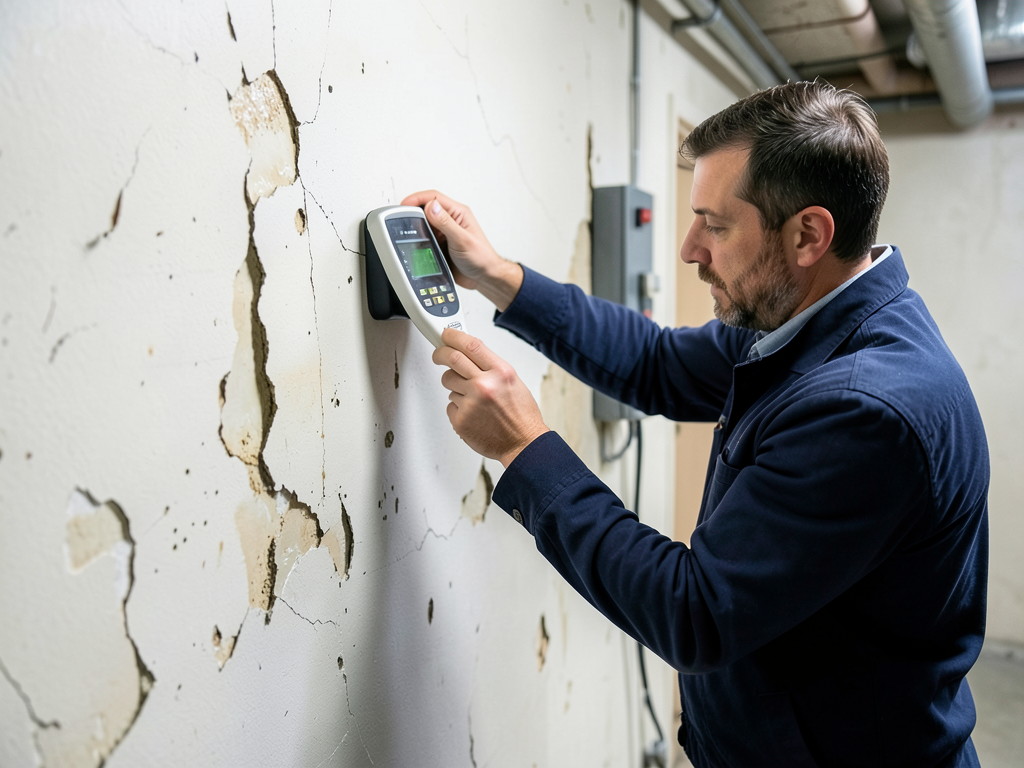
Brown water spots on walls are symptoms, not the disease. Our technicians use thermal imaging cameras and moisture meters to trace the water source, whether it originates from a roof leak, plumbing failure, or condensation buildup. We do not patch over stains and hope for the best. We solve the underlying problem.

Once we locate the moisture source, we assess the saturation level of the affected drywall and surrounding building materials. Gypsum board with moisture content above 17 percent must be removed. Studs and framing lumber get tested for structural integrity. If moisture has migrated into insulation, we extract and replace it to prevent long-term mold colonization.

Louisville homes built before 1980 often have galvanized steel plumbing that corrodes from the inside out, causing pinhole leaks that manifest as yellow stains on drywall in unexpected locations. We pressure-test your plumbing system to identify weak points before they cause catastrophic flooding. For roof-related stains, we inspect not just the shingles but the underlayment, flashing around chimneys and dormers, and attic ventilation systems that contribute to condensation issues.

After removing compromised materials, we apply antimicrobial treatments to all exposed surfaces. This is critical in Louisville's humid climate, where mold spores germinate within 24 to 48 hours of water exposure. We then dry the cavity using commercial-grade dehumidifiers and air movers, monitoring moisture levels until they return to baseline. Only after complete drying do we proceed with reconstruction, using mold-resistant drywall in high-risk areas.

What Happens When You Call Us About Water Stains

Water Stains on Drywall in Louisville – Expert Diagnosis Stops Hidden Mold Before It Spreads
01

Rapid Response Assessment

We arrive at your Louisville property within hours of your call, equipped with moisture detection technology to map the full extent of water intrusion. Our technicians photograph all damage, document moisture readings in multiple locations, and provide you with a written assessment that identifies the water source, affected materials, and scope of necessary repairs before any work begins.
02

Source Mitigation and Drying

We stop the water at its source, whether that means emergency roof tarping, plumbing isolation, or HVAC condensate line repair. Contaminated drywall gets removed down to the studs, and we establish a controlled drying environment using negative air pressure to prevent cross-contamination. Antimicrobial foggers treat all cavities, and we monitor humidity levels every 12 hours until complete desiccation is achieved.
03

Reconstruction and Prevention

After confirming zero residual moisture, we rebuild using moisture-resistant materials appropriate for Louisville's climate. New drywall receives mold-inhibiting primer before finish coats. We provide documentation of all moisture readings, before-and-after photos, and specific recommendations to prevent recurrence, such as improved attic ventilation or gutter extensions to redirect water away from your foundation.

Why Louisville Homeowners Trust Our Water Damage Expertise

Elite Water Damage Restoration Louisville understands the specific challenges of maintaining homes in this region. We have worked in every neighborhood from Crescent Hill to Shively, and we recognize how Louisville's building styles and environmental conditions create unique water intrusion patterns.

Homes in the Highlands often experience water stains from ice dams during winter freezes, a result of inadequate attic insulation common in early 20th-century construction. Properties near Beargrass Creek face elevated groundwater that causes foundation seepage and basement moisture that migrates upward through walls. Ranch homes in the East End frequently develop condensation stains from oversized HVAC systems that short-cycle and fail to dehumidify properly.

We are familiar with Louisville's building codes and work directly with insurance adjusters who service this market. When we document water damage, we provide the detailed moisture mapping and photographic evidence that expedites claims processing. Our estimates align with Xactimate pricing used by major carriers, eliminating the back-and-forth that delays restoration.

You will not get a salesperson on your initial call. You get a certified water damage technician who can answer technical questions about vapor barriers, dew point calculations, and psychrometric drying principles. We explain what we find in plain language, but we back it up with the science that insurance companies and structural engineers respect. Our goal is not just to remove stains. Our goal is to restore your home to a verifiably dry, safe condition and identify the systemic issues that caused the problem.

What to Expect When We Handle Your Water Stain Emergency

Immediate Response Time

We dispatch a technician to your Louisville property within two to four hours of your call, regardless of whether you contact us at noon or midnight. Water damage progresses exponentially in the first 24 hours, and we treat every case as time-sensitive. Our trucks carry moisture meters, thermal cameras, and emergency drying equipment, so we begin mitigation on the first visit. You receive a written scope of work before we start any tearout or reconstruction.

Comprehensive Moisture Mapping

Our assessment goes far beyond the visible stain. We use infrared thermography to detect temperature differentials that indicate hidden moisture, and we take invasive moisture readings by inserting probe sensors into wall cavities and subflooring. You get a detailed report showing moisture percentages in every affected material, plus a color-coded diagram of your home that shows exactly where water has traveled. This documentation is critical for insurance claims and for verifying complete drying.

Certified Dry Guarantee

We do not close out a project based on visual inspection. We close out based on objective moisture data. Every material must return to its baseline moisture content, which we verify using calibrated hygrometers and pin-type moisture meters. You receive a certificate of drying that documents final moisture readings, which protects you if mold issues arise later. Our reconstruction work meets Louisville building code standards, and we pull permits when required for structural repairs or electrical work.

Post-Restoration Monitoring

After reconstruction, we schedule a follow-up visit 30 days later to recheck moisture levels and confirm no new water intrusion has occurred. If the original water source was related to plumbing or roofing, we provide specific maintenance recommendations to prevent recurrence. You also receive a written overview of warning signs to watch for, such as musty odors or new discoloration, along with direct contact information for our team if concerns arise.

Frequently Asked Questions

You Have Questions,
We Have Answers

How do you get water stains out of drywall? +

First, fix the water source. Let the drywall dry completely, which can take 3-7 days depending on Louisville's humidity levels. Once dry, apply a stain-blocking primer like Kilz or Zinsser to prevent bleed-through. Sand lightly, then paint with two coats of matching paint. If the stain bleeds through primer, the drywall has absorbed tannins from the water and needs replacement. Surface stains disappear with proper sealing. Deep stains that persist after priming indicate structural damage that requires professional evaluation.

How to tell if water is leaking behind drywall? +

Look for these warning signs in your Louisville home: water stains that grow larger over time, paint that bubbles or peels, soft or spongy drywall when pressed, musty odors near walls, or visible mold growth. Check for discoloration along baseboards or ceiling lines. Use a moisture meter to detect hidden wetness behind the surface. Louisville's high humidity can mask slow leaks, so unexplained increases in your water bill also signal hidden problems. Thermal imaging cameras reveal temperature differences caused by moisture inside walls.

Are water stains permanent on walls? +

Water stains are permanent if not treated properly. The discoloration comes from minerals, sediment, or organic material in the water. Once dry, these deposits remain visible through standard paint. You must apply stain-blocking primer to seal the discoloration before repainting. Without proper sealing, stains bleed through new paint within days. If the drywall paper has delaminated or the gypsum core stayed wet long enough to break down, the damage becomes structural. At that point, cosmetic fixes fail and replacement becomes necessary.

Does water stained drywall need to be replaced? +

It depends on how long water contacted the drywall and the water type. Drywall exposed to clean water for under 48 hours can often be dried and saved. Water-saturated drywall that stayed wet longer than 48 hours loses structural integrity as the gypsum core dissolves. Louisville's humidity slows drying, increasing mold risk. Sewage or contaminated water requires immediate removal regardless of time. If drywall crumbles when touched, shows visible mold, or sags noticeably, replacement is mandatory. Professional moisture testing determines salvageability.

Is drywall ruined once it gets wet? +

Not always. Drywall can survive minor water exposure if dried within 48 hours using fans and dehumidifiers. The gypsum core absorbs water like a sponge, but proper drying restores its structure if caught early. Problems arise when drywall stays saturated. The paper facing delaminates, gypsum crumbles, and mold colonizes within 24-48 hours. Louisville's humid climate accelerates deterioration. Ceiling drywall is more vulnerable than walls because gravity pulls water through it faster. Clean water is less destructive than contaminated water. Quick action determines outcome.

Can I paint over water stains on drywall? +

Never paint directly over water stains. The discoloration will bleed through latex or oil-based paint within days. You must first apply stain-blocking primer designed to seal water marks. Products like Kilz or Zinsser BIN contain shellac or synthetic polymers that prevent bleed-through. Apply two coats of primer if the stain is dark. Let it dry completely, then paint normally. If stains reappear after priming, the drywall has deeper damage requiring replacement. Skipping primer wastes time and money on failed paint jobs.

How long can drywall be wet before mold? +

Mold can begin growing on wet drywall within 24-48 hours, especially in Louisville's humid climate where moisture evaporates slowly. Spores are always present in the air and need only moisture and organic material to colonize. Drywall paper provides food, and trapped moisture creates ideal conditions. Temperature above 60 degrees accelerates growth. Visible mold appears as black, green, or brown spots. Musty odors often develop before visual signs. Once mold establishes, it spreads through drywall and requires professional remediation. Fast drying prevents colonization.

Can plumbers detect leaks behind walls? +

Yes. Licensed plumbers use specialized tools to locate hidden leaks without demolition. Acoustic leak detection listens for water movement inside walls. Thermal imaging cameras reveal temperature changes caused by escaping water. Tracer gas testing introduces detectable gas into pipes, then sensors pinpoint where it escapes. Moisture meters measure wetness levels in building materials. Video pipe inspection shows cracks or breaks inside drain lines. These methods save Louisville homeowners from unnecessary wall demolition. Professional leak detection costs less than repairing damage from undetected leaks that worsen over time.

Does home insurance cover leak detection? +

Most Louisville homeowners policies do not cover leak detection as a standalone service. Insurance typically covers sudden, accidental water damage and the resulting repairs, but not the cost to find the leak source. If a pipe bursts and floods your home, insurance pays for water extraction, drying, and reconstruction. The plumber bill to locate and fix the leak often falls to you. Some policies include equipment breakdown coverage that helps with mechanical failures. Review your policy declarations page or call your agent to confirm coverage before hiring specialists.

Why do I have water marks on my walls but no leak? +

Water marks without visible leaks often come from condensation, past leaks that self-sealed, or intermittent problems. Louisville's temperature swings cause condensation inside walls when warm humid air meets cold surfaces. Check for poor insulation or vapor barrier failures. Roof leaks can appear only during wind-driven rain. Plumbing leaks may occur only when specific fixtures run. HVAC condensate lines can drip intermittently. Historic leaks leave permanent stains even after pipes self-seal with mineral deposits. Moisture meters and thermal imaging reveal hidden sources that visual inspection misses.

How Louisville's Humidity and Rainfall Make Water Stains a Year-Round Threat

Louisville receives an average of 45 inches of rainfall annually, concentrated in spring and early summer when severe thunderstorms overwhelm gutters and roof drainage systems. The city's high relative humidity, often exceeding 70 percent in summer months, prevents wet drywall from drying naturally. This combination means that even minor leaks from condensation or small roof penetrations create persistent moisture discoloration on sheetrock that worsens over time. Homes near the floodplain or with poor lot grading face additional risk from groundwater seepage that causes water marks on ceiling joists in basements and crawl spaces.

Elite Water Damage Restoration Louisville has built relationships with local insurance agents, building inspectors, and contractors throughout Jefferson County. We understand the construction methods used in different eras of Louisville's development, from the balloon-framed Victorians in Old Louisville to the slab-on-grade ranch homes in Fern Creek. This local knowledge allows us to anticipate hidden damage patterns and provide accurate restoration timelines. When you hire a national franchise or out-of-state contractor, you get generic protocols. When you hire us, you get expertise shaped by years of working in Louisville's specific environmental and architectural context.

Water Damage Services in The Louisville Area

Elite Water Damage Restoration is proud to serve the entire Louisville metropolitan area and surrounding communities. We are committed to providing top-tier water damage solutions to all residents and businesses in our service region. Feel free to explore our service map to confirm your location is within our coverage area or simply give us a call to discuss your specific needs. Our team is ready to help restore your property with speed and professionalism.

Address:
Elite Water Damage Restoration Louisville, 1000 E Kentucky St., Louisville, KY, 40204

Additional Services We Offer

Our news updates

Latest Articles & News from The Blogs

How to properly drain your outdoor faucets in Louisville to prevent an indoor pipe burst Water expands about 9% when…

How to properly drain your outdoor faucets in Louisville to prevent an indoor pipe burst

How to properly drain your outdoor faucets in Louisville to prevent an indoor pipe burst Water expands about 9% when…

Why drying the subfloor is more important than drying your actual hardwood in a Prospect home

Why drying the subfloor is more important than drying your actual hardwood in a Prospect home When water floods your…

Simple ways to test your Louisville sump pump before the spring rainy season hits

Simple ways to test your Louisville sump pump before the spring rainy season hits Your Louisville basement sits on heavy…

Contact Us

Water stains do not fix themselves. Every day you wait allows moisture to spread deeper into your walls and create conditions for mold growth. Call Elite Water Damage Restoration Louisville at (502) 370-2711 right now. We will have a technician at your door today with the tools to identify the source and stop the damage.