




La Grange sits in the humid Ohio River Valley climate where temperature swings create perfect conditions for water damage year-round. Winter freezes burst pipes in crawl spaces and attics when temperatures drop below 20 degrees, which happens frequently from December through February. Spring brings heavy rainfall that overwhelms gutters and causes basement seepage in older homes near Harrods Creek and Floyd's Fork watersheds.
The clay-heavy soil throughout Oldham County does not drain well. Water pools against foundations in neighborhoods like Creekside and English Station, creating hydrostatic pressure that forces moisture through basement walls. Homes built before 1990 often lack proper vapor barriers and drainage systems, making them vulnerable to chronic moisture problems.
Summer humidity above 70 percent combines with air conditioning condensation to create mold-friendly environments inside walls and ductwork. HVAC systems in La Grange work overtime during hot months, and when drain lines clog or drip pans overflow, water damage spreads quietly behind drywall. Homeowners near the I-71 corridor face additional risk from aging infrastructure and water line breaks that can flood entire blocks without warning.
We built our reputation in the Louisville metro by responding faster and working smarter than any competitor. While other companies schedule appointments, we dispatch certified technicians immediately when you call our emergency line. Our crews arrive at La Grange properties within one hour, carrying truck-mounted extraction equipment and commercial dehumidifiers that stop water damage from spreading.
Every technician holds IICRC Water Damage Restoration certification and completes annual training on the latest drying protocols and moisture detection technology. We use thermal imaging cameras to find hidden water pockets inside walls and ceilings that handheld meters miss. This precision prevents mold growth and secondary damage that show up weeks later with less experienced companies.
Insurance companies know our documentation meets adjuster requirements on the first submission. We photograph every stage of damage, track moisture readings daily, and provide detailed estimates that match industry pricing standards. Most claims get approved without dispute because we follow IICRC S500 standards exactly as written. You never pay out of pocket while waiting for reimbursement because we bill insurance directly.
Our warehouse stocks replacement materials that match La Grange home styles, from oak hardwood flooring to period-correct trim molding for historic properties near downtown. We coordinate with local contractors for reconstruction work, keeping your project on schedule without delays from material orders or subcontractor availability. One call handles everything from emergency water extraction to final paint touch-ups.

Our crews dispatch immediately when you call, arriving at La Grange properties within one hour with truck-mounted extraction equipment and commercial drying systems. Fast response prevents mold growth and reduces total damage by stopping water from spreading to unaffected areas of your home.

Every team member holds current Water Damage Restoration certification and completes annual training on moisture detection and structural drying protocols. We use thermal imaging and professional-grade meters to find hidden water that causes long-term problems other companies miss during initial assessment.
We handle all claim documentation, adjuster communication, and billing coordination so you never pay upfront costs. Our estimates follow IICRC standards and industry pricing guidelines that insurance companies accept without dispute, getting your claim approved faster with fewer complications.
From emergency water removal through final reconstruction, we manage every phase of your recovery under one contract. Our warehouse stocks materials that match La Grange home styles, and we coordinate with local contractors to rebuild your property exactly as it was before damage occurred.
Water damage takes many forms, and each requires specific equipment and expertise to resolve properly. A basement flood from a sump pump failure needs different treatment than a slow leak from a toilet supply line. Elite Water Damage Restoration Louisville deploys the right tools and protocols for every situation, from extracting standing water to repairing structural damage.
Our service categories cover emergency water removal when disaster strikes, targeted moisture remediation for ongoing problems, and complete reconstruction to restore your property. We handle residential properties throughout La Grange, from single-family homes to condominiums and rental properties. Commercial clients trust us for office buildings, retail spaces, and multi-unit facilities where downtime costs thousands per day.
Every job starts with moisture assessment using thermal imaging and deep-reading meters to map the full extent of water intrusion. We create a detailed drying plan that targets affected areas while protecting undamaged portions of your property. Our crews monitor progress daily, adjusting equipment placement and runtime based on moisture readings until structures return to industry-standard dry levels.
When flooding strikes from burst pipes, appliance failures, or storm damage, our emergency crews dispatch immediately with truck-mounted extraction equipment and portable pumps. We remove standing water from all surfaces, pull saturated carpeting and padding, and set up commercial dehumidifiers to start structural drying within the first hour. Fast water removal prevents mold growth, floor buckling, and secondary damage that doubles repair costs when response gets delayed.
Hidden moisture inside walls, subfloors, and ceiling cavities causes long-term problems that surface weeks after visible water disappears. We use thermal imaging cameras and penetrating moisture meters to locate trapped water, then position air movers and commercial dehumidifiers to dry structural materials thoroughly. Daily monitoring ensures drying progresses properly until all affected materials reach stable moisture content that prevents mold growth and wood rot.
After water damage cleanup completes, most properties need reconstruction to replace damaged materials and restore finished surfaces. Our crews handle drywall replacement, flooring installation, trim carpentry, and paint finishing to return your home to pre-loss condition. We stock materials that match La Grange architectural styles and coordinate all trades under one contract, eliminating the hassle of managing multiple contractors through separate bids and schedules.
La Grange's climate and geography create specific water damage risks that catch homeowners off guard. The Ohio River Valley humidity combines with temperature extremes to stress plumbing systems and building materials year-round. Older homes near downtown and along Westport Road face infrastructure challenges from aging pipes and inadequate drainage systems installed decades ago.
Clay soil throughout Oldham County expands when wet and contracts during dry periods, creating foundation movement that cracks basement walls and floor slabs. Spring storms dump heavy rainfall that overwhelms gutters and grades, sending water toward foundations instead of away from structures. Understanding these local risk factors helps homeowners recognize warning signs before minor moisture problems turn into major damage requiring extensive repairs.
Many water damage incidents start small with slow drips or minor seepage that goes unnoticed for weeks. By the time visible damage appears, moisture has already compromised structural materials and created conditions for mold growth. Regular inspection of vulnerable areas prevents small problems from becoming insurance claims.
Winter temperatures below 20 degrees freeze water inside pipes in unheated crawl spaces, attics, and exterior walls. When ice expands, it ruptures copper and PEX lines that flood homes with hundreds of gallons before homeowners discover the break. Insulation and heat tape prevent freezing in vulnerable locations throughout your property.
Heavy clay soil around La Grange foundations does not drain properly after rainfall. Water pools against basement walls, creating hydrostatic pressure that forces moisture through porous concrete and mortar joints. Chronic seepage damages floor coverings, wall finishes, and stored belongings while creating perfect conditions for mold growth in finished basement spaces.
Air conditioning systems in La Grange run constantly during summer months, generating gallons of condensation daily. When drain lines clog with algae or drip pans crack, water overflows into ceilings, walls, and ductwork. Damage spreads silently behind finished surfaces until stains appear or ceilings collapse from saturated drywall and insulation.
Washing machines, dishwashers, and water heaters connect to supply lines that weaken over time from constant pressure and mineral buildup. When braided steel or plastic supply lines fail, water floods at full household pressure until someone shuts off the main valve. Second-floor laundry rooms cause particularly severe damage when water cascades through multiple levels.
Water damage creates stress and uncertainty. You need clear answers about what happens next, how long repairs take, and what costs look like. Elite Water Damage Restoration Louisville eliminates confusion by walking you through every phase of the restoration process before work begins.
When you call our emergency line, a trained dispatcher answers immediately and asks specific questions about your water damage situation. We gather information about water source, affected areas, and property access to dispatch the right equipment and crew size for your needs. You receive a confirmed arrival time within minutes of hanging up.
Our project manager contacts you while crews travel to your location, explaining what happens during the initial assessment and what decisions you need to make about contents, utilities, and temporary relocation if necessary. We respect your time by showing up when promised and working efficiently to minimize disruption to your household. Communication continues throughout the project with daily updates on drying progress and timeline adjustments if complications arise.
Our crews arrive within 60 minutes carrying moisture detection equipment, extraction tools, and commercial drying systems. The crew chief conducts a thorough inspection using thermal imaging cameras and moisture meters to map all affected areas, including hidden water inside walls and subfloors. You receive a detailed explanation of damage severity, required services, and estimated timeline before any work begins. We photograph everything for insurance documentation and answer all questions about the restoration process.
Structural drying takes three to seven days depending on materials affected and humidity conditions. Our technicians visit your property daily to record moisture readings, adjust equipment placement, and verify drying progresses properly. You receive text or email updates after each visit showing current moisture levels and remaining time estimates. We explain any timeline changes immediately if unexpected moisture pockets appear or weather conditions slow the drying process.
Every phase gets photographed and logged in detailed reports that satisfy insurance company requirements. We provide your carrier with moisture readings, equipment logs, and itemized estimates within 24 hours of starting work. Our billing department handles all communication with adjusters, answers their questions, and negotiates coverage disputes on your behalf. You never chase paperwork or wonder about claim status because we manage the entire process from first contact through final payment.
Every water damage job follows the same proven protocol that gets properties dry, prevents mold growth, and restores your home efficiently. We refined this process over thousands of projects to eliminate wasted time and maximize results.
Crews arrive with truck-mounted extraction equipment and portable pumps to remove standing water from all affected areas. We pull saturated carpeting and padding, extract water from hardwood floors, and vacuum moisture from tile and concrete surfaces. Air movers and commercial dehumidifiers start running immediately to begin structural drying. This first phase typically completes within four to six hours depending on water volume and property size.
Commercial dehumidifiers and air movers run continuously for three to seven days to dry wall cavities, subfloors, and structural framing. Technicians visit daily to record moisture readings with thermal cameras and penetrating meters, adjusting equipment placement based on drying progress. We document everything for insurance purposes and keep you updated on timeline. Drying completes when all materials reach stable moisture content that prevents mold growth.
After structures dry completely, our crews replace damaged materials and restore finished surfaces. This includes new drywall, flooring installation, trim carpentry, and paint finishing. We match existing materials and finishes so repairs blend seamlessly with undamaged areas. The reconstruction phase timeline depends on damage extent, but most projects complete within one to two weeks after drying finishes.
Professional water damage restoration follows strict protocols established by the Institute of Inspection Cleaning and Restoration Certification. The IICRC S500 Standard guides every decision we make about equipment selection, drying goals, and antimicrobial treatment. These standards exist because improper restoration creates health hazards and structural failures that show up months after visible damage disappears.
Water damage gets classified into three categories based on contamination level. Category 1 clean water from supply lines requires basic extraction and drying. Category 2 gray water from appliance overflows contains bacteria that requires antimicrobial treatment. Category 3 black water from sewage backups or flooding demands aggressive disinfection and often material removal to protect occupant health. We test water source when contamination level seems uncertain and adjust protocols accordingly.
Moisture content determines when drying completes. Wood framing should measure below 15 percent moisture content on a deep-reading pin meter. Concrete and masonry need readings below 4 percent on a calibrated moisture meter. Drywall moisture content should match adjacent unaffected areas within 2 percentage points. We never rely on surface drying or time estimates alone because hidden moisture causes mold growth and material failure weeks after equipment gets removed.
Air movement and dehumidification work together to dry structural materials properly. Air movers create evaporation by moving air across wet surfaces at high velocity. Dehumidifiers remove moisture from air so it can continue absorbing water from materials. The ratio of air movers to dehumidifiers depends on affected area size, material types, and outdoor humidity conditions. We calculate equipment needs using IICRC formulas that account for all variables affecting drying time.
Kentucky building codes require permits for structural repairs that involve plumbing, electrical, or load-bearing modifications. We pull permits when reconstruction work triggers code requirements and coordinate inspections to keep projects legal and on schedule. Oldham County inspection procedures get factored into timeline estimates so you know exactly when work completes and occupancy resumes.
The S500 Standard establishes moisture content goals for different building materials and requires daily monitoring until readings reach stable levels. We follow these protocols exactly, using calibrated meters and thermal imaging to verify complete drying. This prevents mold growth and structural damage that happens when moisture gets sealed inside walls and subfloors prematurely.
Clean water from supply lines, gray water from appliances, and black water from sewage each require different treatment protocols. Contamination level determines whether materials get dried and saved or removed and replaced. We test water source when category seems unclear and adjust antimicrobial treatment and material removal based on actual contamination present.
Effective drying requires specific ratios of air movers to dehumidifiers based on affected area size and moisture load. Undersized equipment extends drying time and increases costs. Oversized equipment wastes energy without improving results. We calculate equipment needs using industry formulas that account for cubic footage, material types, and environmental conditions unique to your property.
Reconstruction work often requires permits from Oldham County for plumbing repairs, electrical modifications, or structural changes. We handle all permit applications and coordinate required inspections so your project stays legal and maintains proper insurance coverage. Code compliance protects your investment and prevents problems when you sell your property.
Professional water damage restoration guidance for La Grange homeowners covering emergency response protocols, structural drying requirements, and insurance claim procedures. Elite Water Damage Restoration Louisville explains common water damage sources in Oldham County including freeze-thaw pipe bursts, clay soil foundation seepage, and HVAC condensate failures. Video details IICRC S500 drying standards, moisture detection methods using thermal imaging, and proper equipment ratios for effective water removal and structural drying in residential properties.
Elite Water Damage Restoration Louisville provides emergency water damage services throughout La Grange and the greater Oldham County area. Our crews respond quickly to properties in established neighborhoods like Creekside, where newer construction still faces water damage risks from appliance failures and plumbing breaks. English Station residents trust us for basement flooding issues common to homes built near Floyd's Fork tributary areas where water tables rise during heavy spring rainfall.
Historic properties near downtown La Grange require special attention to preserve original architectural details and materials during restoration. We stock period-correct trim, hardwood flooring, and plaster repair supplies that match homes built in the early 1900s along Main Street and Walnut Street. Older infrastructure in this area means frequent supply line breaks and sewage backups that demand fast response to prevent extensive damage to irreplaceable woodwork and finishes.
Properties along the US-42 corridor and Westport Road face different challenges from commercial development and increased traffic density. Water main breaks affect entire blocks when aging municipal infrastructure fails during freeze-thaw cycles. Our truck-mounted extraction equipment handles large-scale flooding that overwhelms residential gear, getting businesses and homes back in operation quickly.
Subdivisions near I-71 like Arbor Green and Harmony Lake experience typical suburban water damage from HVAC condensate failures, water heater ruptures, and washing machine supply line breaks. Three- to five-year-old homes in these developments still have warranty coverage on major systems, but water damage restoration falls on homeowners regardless of equipment age. We coordinate with builders and warranty companies to document equipment failures properly while focusing on immediate damage mitigation.
Rural properties east toward Crestwood and Pewee Valley present access challenges that require specialized equipment and longer response times. We maintain relationships with local contractors throughout Oldham County who assist with temporary repairs and utility shutoffs when properties sit on large acreage far from main roads. Our service area extends throughout the county because water damage does not respect city limits, and rural homeowners deserve the same professional response as residents closer to town.
Water damage restoration in La Grange addresses flooding, leaks, and moisture problems in homes and businesses. Professionals extract standing water, dry affected areas, and prevent mold growth. The process includes inspection, water removal, dehumidification, cleaning, and repairs. Response time matters because water spreads quickly through floors, walls, and belongings. Most restoration companies in La Grange offer 24/7 emergency services. They work with your insurance company to document damage and streamline claims. Quick action within 24-48 hours prevents secondary damage like warped floors, stained ceilings, and structural weakening.
Water damage falls into three categories. Category 1 involves clean water from supply lines or rain. Category 2 means contaminated water from appliances or toilets. Category 3 includes sewage or floodwater with dangerous bacteria. La Grange homes face risks from heavy rainfall, burst pipes, sump pump failures, and appliance leaks. Older properties near waterways need extra attention during storms. Professionals use moisture meters and thermal imaging to find hidden water in walls and subfloors. They classify damage to determine proper safety equipment and cleaning methods for your situation.
Professional restoration typically takes 3-7 days for minor incidents and 2-4 weeks for major flooding. Timeline depends on water amount, affected materials, and property size. Technicians remove water in hours, but drying takes longer. Hardwood floors need 3-5 days minimum. Drywall and insulation often require replacement if saturated beyond 48 hours. La Grange's humidity levels affect drying time. Professionals monitor moisture daily with specialized equipment. You get detailed timelines after initial inspection. Weather conditions and material types impact final completion dates. Quick response shortens overall restoration time significantly.
Water damage restoration in La Grange addresses flooding, leaks, and moisture problems in homes and businesses. Professionals extract standing water, dry affected areas, and prevent mold growth. The process includes inspection, water removal, dehumidification, cleaning, and repairs. Response time matters because water spreads quickly through floors, walls, and belongings. Most restoration companies in La Grange offer 24/7 emergency services. They work with your insurance company to document damage and streamline claims. Quick action within 24-48 hours prevents secondary damage like warped floors, stained ceilings, and structural weakening.
Water damage falls into three categories. Category 1 involves clean water from supply lines or rain. Category 2 means contaminated water from appliances or toilets. Category 3 includes sewage or floodwater with dangerous bacteria. La Grange homes face risks from heavy rainfall, burst pipes, sump pump failures, and appliance leaks. Older properties near waterways need extra attention during storms. Professionals use moisture meters and thermal imaging to find hidden water in walls and subfloors. They classify damage to determine proper safety equipment and cleaning methods for your situation.
Professional restoration typically takes 3-7 days for minor incidents and 2-4 weeks for major flooding. Timeline depends on water amount, affected materials, and property size. Technicians remove water in hours, but drying takes longer. Hardwood floors need 3-5 days minimum. Drywall and insulation often require replacement if saturated beyond 48 hours. La Grange's humidity levels affect drying time. Professionals monitor moisture daily with specialized equipment. You get detailed timelines after initial inspection. Weather conditions and material types impact final completion dates. Quick response shortens overall restoration time significantly.
Watch for water stains on ceilings and walls. Check for warped or buckling floors. Notice musty odors in basements or crawl spaces. Look for peeling paint or wallpaper. Feel for soft spots in drywall or trim. Observe increased humidity or condensation on windows. Listen for dripping sounds behind walls. Check utility bills for unexplained spikes indicating hidden leaks. La Grange homes built before 1980 have higher risk due to aging pipes. Inspect areas around water heaters, washing machines, and under sinks regularly. Early detection saves you from expensive structural repairs.
Most homeowner policies cover sudden and accidental water damage like burst pipes or appliance malfunctions. They typically exclude gradual damage from neglect or lack of maintenance. Flood damage requires separate flood insurance through FEMA or private carriers. Sewer backup needs additional coverage in most policies. La Grange sits in varying flood zones, so check your specific risk. Document everything with photos and videos immediately. Keep receipts for emergency repairs. Restoration companies provide detailed reports for your claim. Review your policy annually to understand coverage limits, deductibles, and exclusions before problems occur.
Turn off electricity to affected areas if safe to do so. Stop the water source if possible. Move furniture and belongings to dry areas. Remove standing water with towels or a wet vacuum. Open windows for ventilation if weather permits. Take photos and videos for insurance documentation. Call your insurance company to report the damage. Contact a restoration professional within hours. Do not use household fans on wet carpets, as this spreads moisture. Avoid walking on wet floors to prevent falls. Remove area rugs and padding. La Grange residents should act immediately to minimize damage.
Technicians arrive with truck-mounted extractors, industrial dehumidifiers, and air movers. They inspect damage with moisture meters and thermal cameras. Crews extract standing water, then position drying equipment strategically. They remove unsalvageable materials like soaked drywall and insulation. Antimicrobial treatments prevent mold growth. Teams monitor moisture levels daily, adjusting equipment as needed. They document the process with photos and readings for insurance. After complete drying, crews clean and sanitize surfaces. Final steps include odor removal and minor repairs. La Grange properties receive customized treatment plans based on specific damage patterns and building materials.
Mold grows within 24-48 hours in wet conditions. Black mold produces harmful spores causing respiratory problems, headaches, and allergic reactions. Visible mold indicates widespread hidden growth behind surfaces. Professional remediation includes containment, air filtration, removal of affected materials, and treatment with antimicrobial solutions. La Grange's humid climate accelerates mold development. Restoration companies test for mold during water damage assessment. They follow EPA guidelines for safe removal. Proper drying prevents future growth. Never paint over or clean mold yourself without proper protection. Complete remediation addresses both visible mold and airborne spores throughout your property.
Inspect and maintain your roof annually. Clean gutters and downspouts twice yearly. Check washing machine hoses every six months and replace every five years. Install water leak detectors near appliances and water heaters. Insulate pipes in unheated areas before winter. Test sump pumps before rainy seasons. Seal basement walls and foundation cracks. Replace old water heaters before they fail. Monitor water pressure to prevent pipe stress. La Grange homeowners should winterize outdoor faucets and sprinkler systems. Schedule plumbing inspections every few years. Address small leaks immediately before they become major problems.
Look for certified technicians with IICRC training in water restoration. Verify 24/7 emergency availability with rapid response times. Check reviews from La Grange customers on independent platforms. Ask about commercial-grade equipment and moisture monitoring technology. Confirm they handle insurance communication and documentation. Choose companies with experience in your specific damage type. Verify they follow industry standards for drying and sanitization. Ask about antimicrobial treatments and mold prevention measures. Get written estimates outlining scope, timeline, and process. Select local La Grange companies familiar with regional building codes and common water issues.
Watch for water stains on ceilings and walls. Check for warped or buckling floors. Notice musty odors in basements or crawl spaces. Look for peeling paint or wallpaper. Feel for soft spots in drywall or trim. Observe increased humidity or condensation on windows. Listen for dripping sounds behind walls. Check utility bills for unexplained spikes indicating hidden leaks. La Grange homes built before 1980 have higher risk due to aging pipes. Inspect areas around water heaters, washing machines, and under sinks regularly. Early detection saves you from expensive structural repairs.
Most homeowner policies cover sudden and accidental water damage like burst pipes or appliance malfunctions. They typically exclude gradual damage from neglect or lack of maintenance. Flood damage requires separate flood insurance through FEMA or private carriers. Sewer backup needs additional coverage in most policies. La Grange sits in varying flood zones, so check your specific risk. Document everything with photos and videos immediately. Keep receipts for emergency repairs. Restoration companies provide detailed reports for your claim. Review your policy annually to understand coverage limits, deductibles, and exclusions before problems occur.
Turn off electricity to affected areas if safe to do so. Stop the water source if possible. Move furniture and belongings to dry areas. Remove standing water with towels or a wet vacuum. Open windows for ventilation if weather permits. Take photos and videos for insurance documentation. Call your insurance company to report the damage. Contact a restoration professional within hours. Do not use household fans on wet carpets, as this spreads moisture. Avoid walking on wet floors to prevent falls. Remove area rugs and padding. La Grange residents should act immediately to minimize damage.
Technicians arrive with truck-mounted extractors, industrial dehumidifiers, and air movers. They inspect damage with moisture meters and thermal cameras. Crews extract standing water, then position drying equipment strategically. They remove unsalvageable materials like soaked drywall and insulation. Antimicrobial treatments prevent mold growth. Teams monitor moisture levels daily, adjusting equipment as needed. They document the process with photos and readings for insurance. After complete drying, crews clean and sanitize surfaces. Final steps include odor removal and minor repairs. La Grange properties receive customized treatment plans based on specific damage patterns and building materials.
Mold grows within 24-48 hours in wet conditions. Black mold produces harmful spores causing respiratory problems, headaches, and allergic reactions. Visible mold indicates widespread hidden growth behind surfaces. Professional remediation includes containment, air filtration, removal of affected materials, and treatment with antimicrobial solutions. La Grange's humid climate accelerates mold development. Restoration companies test for mold during water damage assessment. They follow EPA guidelines for safe removal. Proper drying prevents future growth. Never paint over or clean mold yourself without proper protection. Complete remediation addresses both visible mold and airborne spores throughout your property.
Inspect and maintain your roof annually. Clean gutters and downspouts twice yearly. Check washing machine hoses every six months and replace every five years. Install water leak detectors near appliances and water heaters. Insulate pipes in unheated areas before winter. Test sump pumps before rainy seasons. Seal basement walls and foundation cracks. Replace old water heaters before they fail. Monitor water pressure to prevent pipe stress. La Grange homeowners should winterize outdoor faucets and sprinkler systems. Schedule plumbing inspections every few years. Address small leaks immediately before they become major problems.
Look for certified technicians with IICRC training in water restoration. Verify 24/7 emergency availability with rapid response times. Check reviews from La Grange customers on independent platforms. Ask about commercial-grade equipment and moisture monitoring technology. Confirm they handle insurance communication and documentation. Choose companies with experience in your specific damage type. Verify they follow industry standards for drying and sanitization. Ask about antimicrobial treatments and mold prevention measures. Get written estimates outlining scope, timeline, and process. Select local La Grange companies familiar with regional building codes and common water issues.
Elite Water Damage Restoration is proud to serve the entire Louisville metropolitan area and surrounding communities. We are committed to providing top-tier water damage solutions to all residents and businesses in our service region. Feel free to explore our service map to confirm your location is within our coverage area or simply give us a call to discuss your specific needs. Our team is ready to help restore your property with speed and professionalism.
Address:
La Grange, KY, 40031

Why You Should Call a Restoration Expert instead of a General Contractor after a NuLu Pipe Burst \n\n When water floods your NuLu loft or gallery space, every minute counts. The burst pipe in your…

What to Do When Your Sump Pump Alarm Goes Off in the Middle of a…
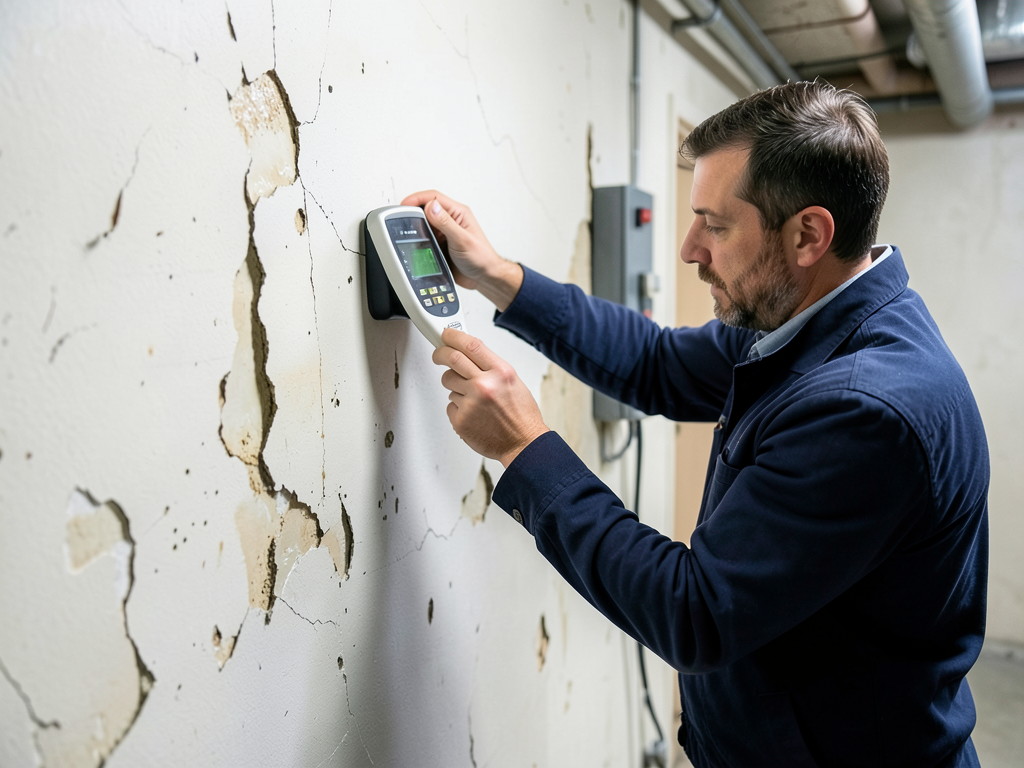
Understanding Actual Cash Value versus Replacement Cost after Water Damage in Your PRP Home When…
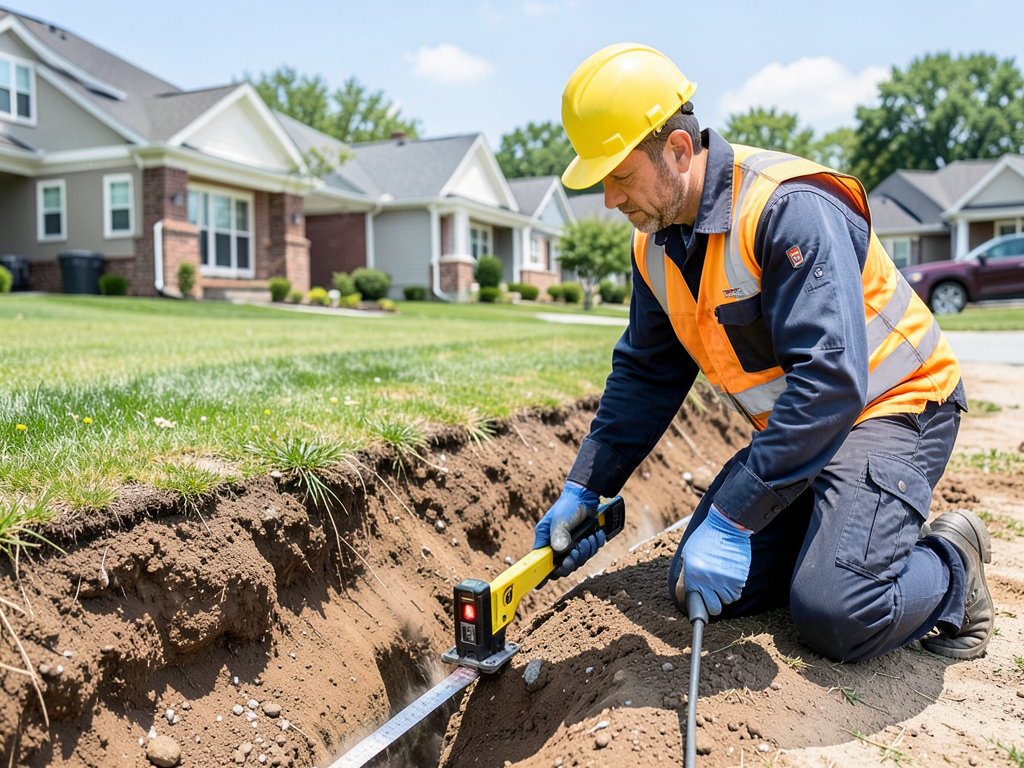
How Foundation Planting and Grading Can Save Your Highview Basement from Flooding Heavy spring rains…
Water damage gets worse every hour you wait. Call Elite Water Damage Restoration Louisville at (502) 370-2711 right now for emergency response within 60 minutes. Our IICRC-certified crews stop damage from spreading, dry your property completely, and handle all insurance paperwork from start to finish.