


Menu

Sanitization & Odor Removal in Louisville – Eliminate Lingering Smells and Microbial Threats After Water Damage

Elite Water Damage Restoration Louisville delivers complete sanitization and odor removal using antimicrobial treatment and advanced deodorization techniques to restore safe, clean indoor air quality after water intrusion events.

Slider Image 1
Slider Image 2
Slider Image 3
Slider Image 4
Slider Image 5
Slider Image 7
Slider Image 8
Slider Image 9
Slider Image 10
Slider Image 11

Why Water Damage Leaves Lasting Odors and Health Risks in Louisville Homes

Water damage does not stop when the standing water disappears. In Louisville, high humidity and seasonal temperature swings create perfect conditions for microbial growth and persistent odors. When floodwater, sewage backups, or hidden leaks saturate drywall, carpet, or subflooring, bacteria and mold spores colonize porous materials within 24 to 48 hours. These microorganisms release volatile organic compounds that produce musty, sour, or chemical odors.

You may notice the smell weeks after the visible water is gone. That is because moisture remains trapped in wall cavities, under flooring, or inside HVAC ductwork. Louisville's proximity to the Ohio River and its low-lying neighborhoods near Butchertown and Germantown mean many homes face recurring moisture intrusion from seasonal flooding or groundwater seepage. Every water event introduces contaminants like soil bacteria, animal waste, or sewage pathogens that require professional disinfection and deodorization.

Surface cleaning or masking odors with air fresheners does not address the root problem. Microbial colonies remain active, releasing allergens and irritants that affect respiratory health. Children, elderly residents, and anyone with asthma or immune sensitivities face elevated risk. Proper sanitizing and deodorizing requires antimicrobial treatment of affected materials, removal of contaminated porous substrates, and targeted odor abatement using hydroxyl generators or thermal fogging. Without this level of intervention, odor control services only provide temporary relief while the underlying contamination continues to spread.

Why Water Damage Leaves Lasting Odors and Health Risks in Louisville Homes
How Professional Antimicrobial Treatment and Odor Abatement Work

How Professional Antimicrobial Treatment and Odor Abatement Work

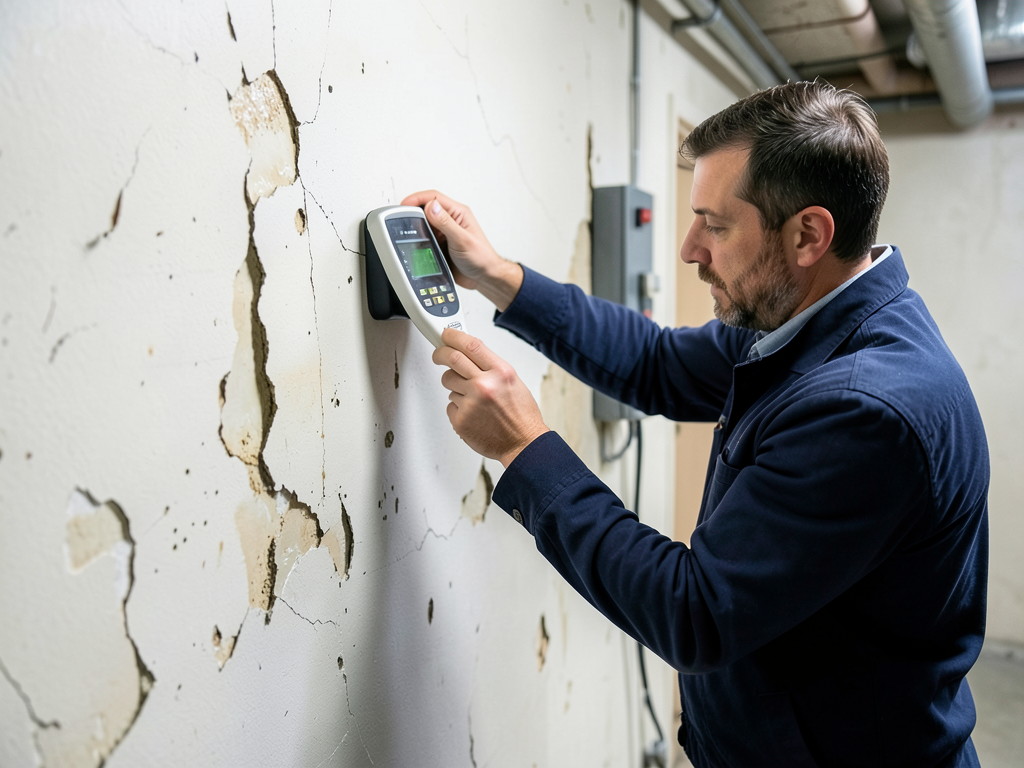
Effective sanitization begins with identifying every contaminated surface and material. We use moisture meters and thermal imaging cameras to locate hidden water pockets inside walls, under flooring, and within ceiling cavities. Once we map the full extent of contamination, we classify the water source. Category 1 water comes from clean sources like supply line breaks. Category 2 water contains moderate contamination from appliance overflows or washing machine leaks. Category 3 water carries sewage, floodwater, or other gross contaminants requiring aggressive antimicrobial treatment.

For Category 2 and 3 events, we apply EPA-registered antimicrobial agents to all affected non-porous surfaces. These solutions kill bacteria, viruses, and fungal spores on contact. Porous materials like carpet padding, drywall, and insulation often require removal because microbial colonies penetrate deep into the substrate where topical disinfection cannot reach. We then treat the exposed structural framing and subflooring with antimicrobial coatings to prevent recolonization during the drying phase.

Odor abatement uses different techniques depending on the source. Hydroxyl generators produce safe oxidizing molecules that break down organic odor compounds at the molecular level. Thermal fogging disperses deodorizing particles into every crack and porous surface, neutralizing odors embedded in wood, concrete, and other building materials. For severe sewage or decomposition odors, we use ozone treatment in unoccupied spaces to oxidize volatile organic compounds. Each method targets specific odor molecules, which is why we match the treatment to the contamination type. Generic odor control services that only mask smells leave the problem unresolved.

What Happens During Your Sanitization and Odor Removal Service

Sanitization & Odor Removal in Louisville – Eliminate Lingering Smells and Microbial Threats After Water Damage
01

Contamination Assessment and Mapping

We inspect the entire affected area using moisture detection equipment and document every contaminated surface. This includes hidden spaces like wall cavities, crawlspaces, and HVAC ducts. We classify the water category to determine the correct antimicrobial protocol. You receive a detailed scope of work outlining which materials require disinfection and deodorization and which need removal. This transparency prevents surprises and ensures insurance adjusters understand the full extent of necessary sanitization work.
02

Antimicrobial Application and Material Removal

We apply EPA-registered antimicrobial treatments to all salvageable surfaces and remove contaminated porous materials that cannot be effectively disinfected. Structural framing and subflooring receive protective antimicrobial coatings to prevent mold growth during drying. We contain work areas with plastic sheeting and negative air pressure to prevent cross-contamination. All removed materials are bagged and disposed of according to local waste management regulations. This phase eliminates the biological hazards causing persistent odors and health risks.
03

Targeted Odor Neutralization

After antimicrobial treatment and drying are complete, we deploy odor abatement equipment matched to your specific contamination type. Hydroxyl generators run continuously in occupied spaces to break down residual odor compounds. Thermal fogging penetrates porous surfaces to neutralize embedded smells. For severe cases, we schedule ozone treatment in unoccupied areas. We verify odor elimination through direct assessment before closing the project. You receive documentation of all sanitizing and deodorizing procedures performed, which supports insurance claims and provides assurance of complete remediation.

Why Louisville Property Owners Trust Elite Water Damage Restoration for Complete Sanitization

Sanitization and odor removal require understanding how Louisville's climate and building stock affect water damage outcomes. Many homes in the Highlands, Crescent Hill, and Old Louisville feature balloon framing and plaster walls that trap moisture and spread contamination vertically through wall cavities. Newer construction in Prospect and Middletown uses oriented strand board sheathing that swells and delaminates when saturated, requiring aggressive drying and antimicrobial treatment to prevent mold colonization.

We understand how Louisville's humid summers slow evaporation rates and create extended windows for microbial growth. Basement flooding from Ohio River backwater or storm sewer overflows introduces Category 3 contamination requiring full disinfection protocols. We work directly with local insurance adjusters who understand the regional flooding patterns and accept our documentation without dispute.

Our antimicrobial treatment protocols exceed IICRC S500 standards for water damage restoration. We do not subcontract sanitization work to general cleaning crews. Our technicians hold IICRC Applied Microbial Remediation certification and understand the difference between cosmetic cleaning and true disinfection. We use commercial-grade antimicrobial agents that remain effective through the drying phase, preventing recolonization as moisture levels drop.

We also understand Louisville's building codes regarding mold remediation and sewage cleanup. Projects affecting rental properties or commercial buildings require specific documentation for Metro Health Department compliance. We provide the chain-of-custody records and treatment logs that satisfy regulatory requirements. You receive a detailed sanitization report documenting every surface treated, every material removed, and every odor abatement method deployed. This documentation protects your property value and provides legal protection if future occupants raise health concerns.

What to Expect During Your Sanitization and Odor Removal Project

Rapid Response and Immediate Assessment

We dispatch technicians to Louisville properties within two hours of your call. Microbial contamination begins within 24 hours of water intrusion, so speed determines whether materials can be salvaged or require removal. We conduct moisture mapping and contamination assessment on the first visit, providing a written scope of work before starting any sanitization procedures. You understand exactly which surfaces require antimicrobial treatment, which materials need removal, and what odor abatement methods we will deploy. Emergency sanitization services are available 24 hours a day for sewage backups and Category 3 water events where immediate health risks exist.

Thorough Documentation for Insurance and Compliance

Every sanitization project includes photo documentation showing contamination extent before treatment, antimicrobial application during work, and final conditions after odor abatement. We provide detailed material inventories listing every item removed and every surface disinfected. This documentation supports insurance claims and satisfies adjuster requirements for antimicrobial treatment costs. For commercial properties and rental units, we provide compliance reports that meet Metro Health Department standards for mold remediation and sewage cleanup. You receive written certification that all affected areas have been properly sanitized and deodorized according to IICRC standards.

Complete Odor Elimination, Not Temporary Masking

We verify odor elimination through direct assessment before closing any project. If residual odors persist after initial treatment, we deploy additional odor abatement equipment at no extra charge until complete neutralization is achieved. You do not pay for temporary results. Our hydroxyl generators, thermal fogging equipment, and ozone machines target specific odor molecules rather than masking smells with fragrances. We treat every porous surface where volatile organic compounds have penetrated, including subflooring, wall framing, and concrete foundations. The result is permanently clean indoor air quality without lingering musty or chemical smells.

Post-Treatment Monitoring and Prevention Guidance

After completing sanitization and odor removal, we conduct follow-up moisture readings to confirm all affected materials have dried to acceptable levels. We provide written guidance on preventing future microbial growth, including ventilation improvements, dehumidification strategies, and plumbing maintenance schedules. For properties with recurring moisture problems, we offer monitoring services using remote moisture sensors that alert you to hidden leaks before major contamination develops. You also receive direct contact information for our project manager, allowing you to request verification inspections if any odors return during the first 90 days after treatment completion.

Frequently Asked Questions

You Have Questions,
We Have Answers

What is the most powerful odor eliminator? +

Industrial-grade hydroxyl generators and ozone machines are the most powerful odor eliminators used by professionals. These tools break down odor molecules at the source rather than masking them. Hydroxyl generators work safely in occupied spaces and handle smoke, mold, and decomposition smells. Ozone machines require evacuation during treatment but penetrate porous materials like drywall and subflooring. In Louisville's humid climate, moisture amplifies odors, so combining these tools with HEPA filtration and thermal fogging delivers permanent results. Consumer products like baking soda or charcoal bags provide temporary relief but cannot eliminate embedded odors from water damage or sewage.

What do nursing homes use to get rid of pee smell? +

Nursing homes rely on enzymatic cleaners specifically formulated to break down uric acid crystals. These cleaners contain bacteria that consume the organic compounds causing the smell. Facilities also use hydroxyl generators for continuous air treatment and absorbent pads treated with odor-neutralizing compounds. Surface disinfection with quaternary ammonium compounds kills bacteria that contribute to ammonia smells. In Louisville, where humidity accelerates bacterial growth, facilities often combine enzyme treatments with dehumidification. Professional restoration teams use similar methods for severe urine contamination in homes, treating subfloors and wall cavities where urine penetrates beyond visible surfaces.

How do I permanently get rid of a bad smell in my house? +

Permanent odor removal requires locating and eliminating the source. Inspect your HVAC system, crawl spaces, and areas behind appliances where mold, rodents, or stagnant water hide. Louisville's clay soil and high water tables cause foundation moisture that creates musty smells. Remove contaminated materials like soaked insulation or damaged drywall. Clean all surfaces with appropriate solutions, then use a hydroxyl generator to neutralize airborne molecules. Seal cracks and improve ventilation to prevent recurrence. If the smell persists after DIY efforts, call a restoration professional who uses thermal imaging to find hidden moisture and contamination you cannot see.

What do nurses use to block smells? +

Nurses apply mentholated ointment under their nostrils to block overwhelming smells during patient care. This creates a barrier against offensive odors without interfering with breathing. Some use essential oil rollers with peppermint or eucalyptus for similar effects. Medical-grade respirators with activated carbon filters provide stronger protection during wound care or handling decomposition cases. These personal solutions work for temporary exposure but do not address source odors. In restoration work, technicians wear half-face respirators with organic vapor cartridges when handling sewage or decomposition, protecting against both smell and airborne pathogens that threaten health during cleanup.

What kills all smells? +

No single product kills all smells because different odors require different chemical treatments. Enzymatic cleaners break down organic odors like urine and decay. Ozone and hydroxyl generators oxidize smoke and chemical smells. Thermal fogging penetrates porous materials with deodorizing particles. Activated carbon adsorbs volatile organic compounds. In Louisville, where flood damage and humidity create complex odor problems, professionals assess the contamination type before choosing treatment methods. Sewage requires disinfection and enzyme treatment. Fire smoke needs ozone or hydroxyl treatment. Mold demands source removal and antimicrobial application. Proper odor elimination matches the chemistry to the problem.

What do hotels use to make the room smell good? +

Hotels use HVAC scent diffusion systems that disperse signature fragrances through air handlers. These systems release measured amounts of scent throughout guest rooms and lobbies. Housekeeping also uses linen sprays and plug-in diffusers for immediate refreshment. High-end properties invest in ozone treatments between guests to eliminate previous occupants' smells before adding pleasant scents. The key difference from masking is thorough cleaning first. Hotels strip bedding, shampoo carpets, and sanitize surfaces before scenting. In Louisville's hospitality industry, properties near the Ohio River combat humidity-related mustiness with dehumidification before applying any fragrance products.

How do professionals remove urine smells? +

Professionals use moisture meters and UV lights to map urine contamination beyond visible stains. Treatment starts with extracting liquid from carpets and padding using truck-mounted equipment. Enzyme cleaners break down uric acid crystals in carpet fibers and subfloors. For severe contamination, technicians remove padding and seal concrete or wood subfloors with odor-blocking primers. Hydroxyl generators treat the air while surfaces dry. In Louisville homes with crawl spaces, urine often seeps through flooring into insulation below, requiring subfloor treatment. The process takes 24 to 72 hours depending on saturation depth. Rushed treatments leave crystals that reactivate when humidity rises.

What do morticians use to block smells? +

Morticians apply creams containing wintergreen, clove, and eucalyptus oils under their noses during embalming procedures. Facilities also use industrial air scrubbers with activated carbon and HEPA filters to clean the air continuously. Embalming chemicals themselves, including formaldehyde, mask decomposition odors while preserving tissue. For transport and storage, morticians use absorbent compounds and odor-neutralizing sprays in body bags. Restoration professionals responding to unattended death scenes in Louisville use similar personal protection plus full respirators. The focus shifts from blocking smells to complete removal through biohazard cleaning, ozone treatment, and disposal of contaminated materials following Kentucky health regulations.

Is vinegar or hydrogen peroxide better for urine? +

Neither vinegar nor hydrogen peroxide fully eliminates urine odor alone. Vinegar neutralizes alkaline urine salts but does not break down uric acid crystals that cause persistent smell. Hydrogen peroxide oxidizes some organic compounds but lacks enzyme action needed for complete removal. Enzymatic cleaners specifically designed for urine outperform both by breaking down all odor-causing molecules. For Louisville homeowners dealing with pet accidents, combine enzyme treatment with extraction to remove liquid from carpet padding. Vinegar works for fresh surface spills on hard floors. Hydrogen peroxide helps with discoloration. For contamination that has penetrated subflooring, professional treatment prevents recurring smells.

What is the hardest smell to get rid of in a house? +

Decomposition smell from unattended death or animal carcasses is the hardest odor to eliminate. The smell penetrates drywall, insulation, and HVAC ductwork as body fluids seep into porous materials. Smoke from protein fires runs a close second because particles embed deep in fabrics and wood. In Louisville, flood water carrying sewage creates similarly stubborn odors when it saturates wall cavities. These situations require removing contaminated materials, sealing affected surfaces, and using ozone or hydroxyl treatment for extended periods. Masking never works. Complete remediation often includes replacing drywall, insulation, and flooring where fluids penetrated beyond salvageable surfaces.

How Louisville's Ohio River Flooding and Humidity Impact Sanitization Needs

Louisville properties face elevated sanitization challenges due to seasonal Ohio River flooding and high ambient humidity. Neighborhoods near the river including Butchertown, Portland, and Shively experience recurring flood events that introduce Category 3 contamination requiring aggressive antimicrobial treatment. Even properties outside flood zones face moisture intrusion from groundwater seepage through limestone bedrock common throughout Jefferson County. This persistent moisture creates favorable conditions for mold growth and bacterial colonization. Summer humidity regularly exceeds 70 percent, slowing evaporation rates and extending the window for microbial proliferation after water damage events.

Local building codes and Metro Health Department regulations establish specific standards for mold remediation and sewage cleanup that affect sanitization procedures. Properties built before 1980 may contain asbestos in flooring and drywall compounds, requiring specialized handling during material removal. Historic homes in Old Louisville and the Highlands feature plaster walls and balloon framing that hide moisture intrusion and require invasive inspection to locate all contaminated areas. Our technicians understand these local construction methods and regulatory requirements. We provide the documentation and treatment protocols that satisfy insurance adjusters familiar with Louisville's flooding patterns and the aggressive sanitization measures required for complete remediation.

Water Damage Services in The Louisville Area

Elite Water Damage Restoration is proud to serve the entire Louisville metropolitan area and surrounding communities. We are committed to providing top-tier water damage solutions to all residents and businesses in our service region. Feel free to explore our service map to confirm your location is within our coverage area or simply give us a call to discuss your specific needs. Our team is ready to help restore your property with speed and professionalism.

Address:
Elite Water Damage Restoration Louisville, 1000 E Kentucky St., Louisville, KY, 40204

Additional Services We Offer

Our news updates

Latest Articles & News from The Blogs

Why those rubber washing machine hoses are a ticking time bomb for your Fern Creek laundry room Every year thousands…

Why those rubber washing machine hoses are a ticking time bomb for your Fern Creek laundry room

Why those rubber washing machine hoses are a ticking time bomb for your Fern Creek laundry room Every year thousands…

Keeping your pets safe from mold and bacteria after a Louisville basement leak

Keeping Your Pets Safe from Mold and Bacteria After a Louisville Basement Leak A basement leak in Louisville creates immediate…

What to do in the first hour after finding a flood in your J-town home

What to do in the first hour after finding a flood in your J-town home Finding water pouring into your…

Contact Us

Do not let microbial contamination and persistent odors compromise your indoor air quality. Call Elite Water Damage Restoration Louisville at (502) 370-2711 for immediate assessment and professional sanitization services. We respond to Louisville properties 24 hours a day.