




Menu

Rapid Response Flood Extraction in Louisville – Emergency Crews Dispatched in Under 60 Minutes

When flooding hits your Louisville property, every minute counts. Our rapid response flood extraction teams deploy immediately with industrial-grade pumps and water removal equipment to stop the damage before it spreads through your structure.

Slider Image 1
Slider Image 2
Slider Image 3
Slider Image 4
Slider Image 5
Slider Image 7
Slider Image 8
Slider Image 9
Slider Image 10
Slider Image 11

Louisville's Flash Flooding and River Proximity Create Urgent Water Damage Scenarios

Louisville sits at the confluence of the Ohio River and multiple tributaries. When heavy rains hit the region, water has nowhere to go. The combination of clay-heavy soil that won't absorb runoff and outdated storm drainage in older neighborhoods like Old Louisville and the Highlands turns minor storms into basement floods within minutes.

You don't have time to wait. Standing water starts damaging drywall, insulation, and subflooring in under 24 hours. Within 48 hours, mold spores begin colonizing wet surfaces. By 72 hours, structural wood members can start weakening. The humid Louisville climate accelerates every stage of this deterioration process.

Emergency water removal services are not optional when you are standing in six inches of water. They are the only defense against thousands of dollars in structural repairs and potential health hazards. 24/7 flood extraction teams use truck-mounted pumps capable of removing hundreds of gallons per minute, not the small shop-vacs that leave water trapped in wall cavities.

Immediate flood pumping protects your foundation from hydrostatic pressure that causes cracks and shifting. Urgent water cleanup prevents electrical hazards and sewage contamination from mixing with floodwaters. Every hour you wait, the damage compounds. When you call for emergency water damage extraction, you are buying back time your property does not have.

The question is not whether you need help. The question is how fast that help arrives.

Louisville's Flash Flooding and River Proximity Create Urgent Water Damage Scenarios
How Professional Flood Extraction Stops Damage at the Source

How Professional Flood Extraction Stops Damage at the Source

Elite Water Damage Restoration Louisville uses a tiered extraction approach based on water volume and contamination level. We start with a rapid damage assessment to identify the water source, shut off supply lines if needed, and classify the water category. Category 1 is clean water from supply lines. Category 2 is gray water from appliances. Category 3 is black water containing sewage or outdoor contaminants. This classification dictates our extraction protocol and safety measures.

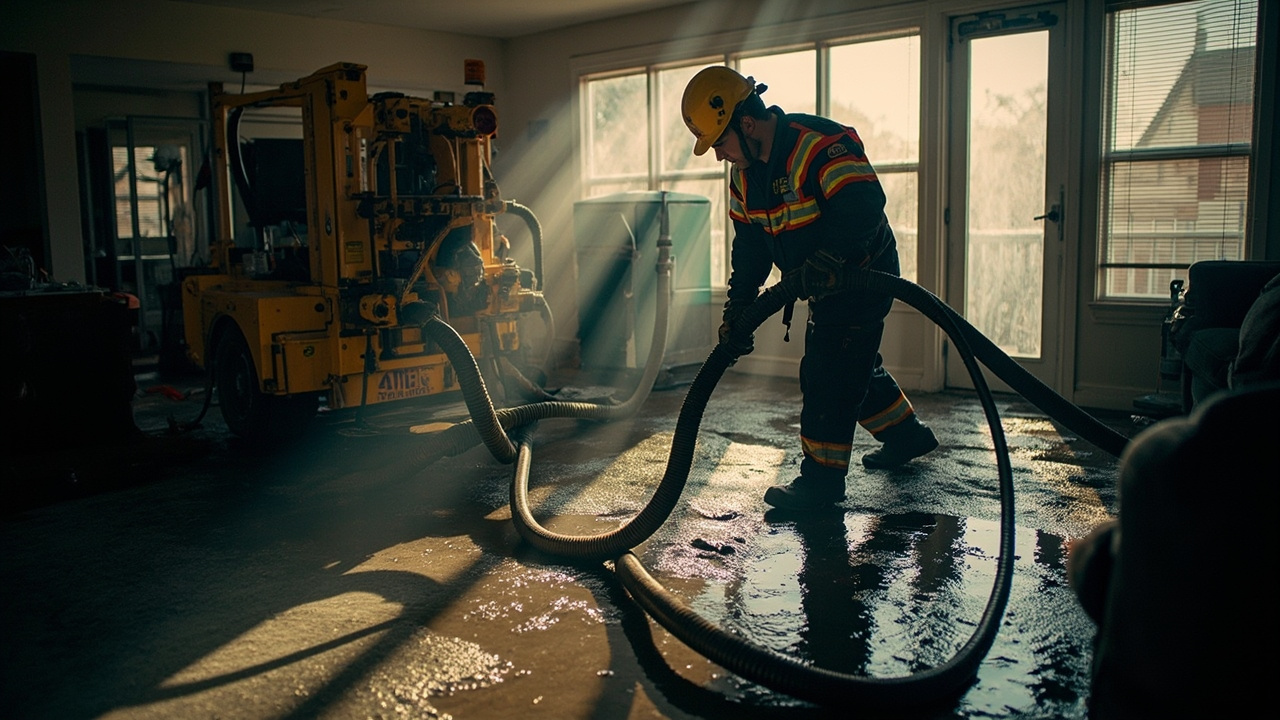
Our truck-mounted extractors generate enough vacuum force to pull water from carpet padding, subfloors, and crawl spaces without tearing up your property. We use thermal imaging cameras to detect moisture hidden behind walls and under flooring. You cannot see this trapped water, but it will destroy your structure if left untreated.

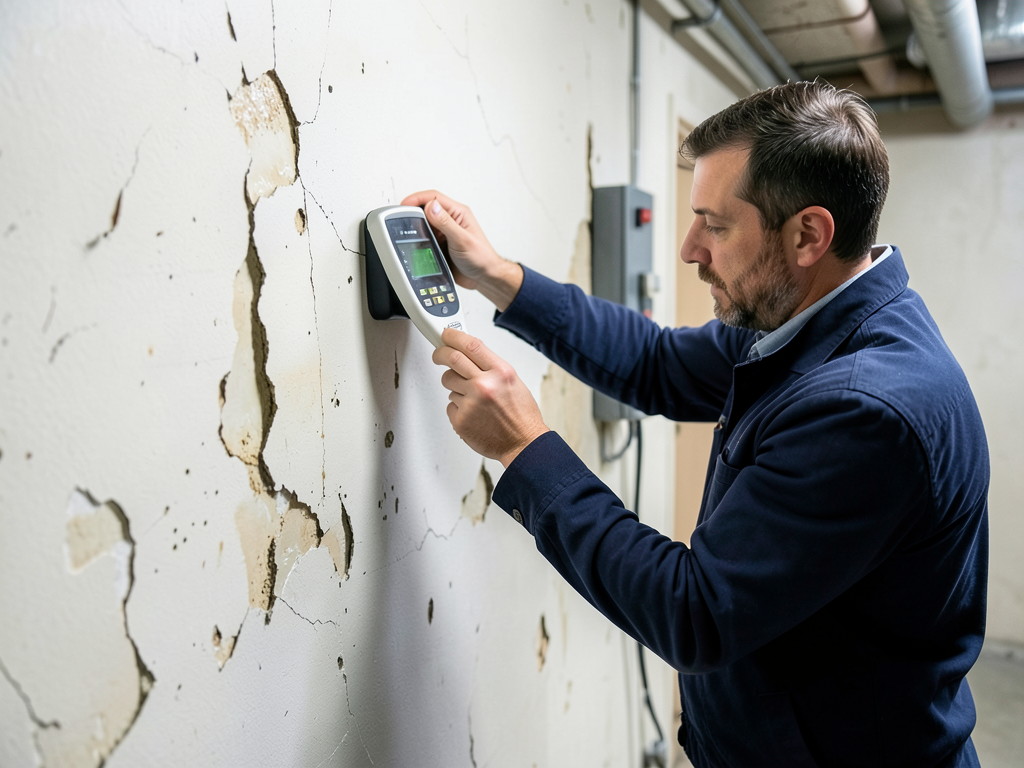
After bulk water removal, we deploy commercial air movers and dehumidifiers to eliminate residual moisture. We monitor moisture levels in structural materials using pin-type and non-invasive meters. Drywall should read below 15 percent moisture content. Wood framing should read below 19 percent. Anything higher and you are creating conditions for mold growth and wood rot.

We document everything for your insurance claim. Detailed moisture readings, photo evidence, and equipment logs create the paper trail your adjuster needs to approve the claim. Most Louisville homeowners do not realize their policy covers emergency water removal services if the damage resulted from a sudden event like a pipe burst or storm surge.

Professional extraction is not about mopping up water. It is about using calibrated equipment and scientific drying protocols to return your property to pre-loss condition.

What Happens When You Call for Emergency Flood Extraction

Rapid Response Flood Extraction in Louisville – Emergency Crews Dispatched in Under 60 Minutes
01

Immediate Dispatch and Assessment

When you call our emergency line, we dispatch a crew to your Louisville property within 60 minutes. Our technicians arrive with truck-mounted extraction units, moisture meters, and thermal imaging equipment. We perform a rapid damage assessment to identify the water source, measure the affected area, and classify the contamination level. This initial assessment determines our extraction strategy and equipment deployment.
02

High-Volume Water Removal

We deploy industrial pumps and extractors to remove standing water from all affected areas. Our truck-mounted units pull hundreds of gallons per minute from basements, crawl spaces, and saturated flooring. We extract water from carpet padding and subfloors without demolition when possible. Thermal imaging identifies hidden moisture pockets behind walls and under cabinets. We document moisture readings in structural materials for insurance purposes and baseline measurements.
03

Structural Drying and Monitoring

After bulk water removal, we position commercial air movers and dehumidifiers to dry structural materials. We monitor moisture levels daily using pin-type and non-invasive meters until all readings return to normal ranges. Drywall must read below 15 percent. Wood framing must read below 19 percent. We adjust equipment placement based on drying progress. Once structures pass final moisture inspection, we provide documentation for your insurance claim and restoration contractors.

Why Louisville Properties Need Local Flood Extraction Experts

Elite Water Damage Restoration Louisville understands how water behaves in this region's unique building stock. The older homes in areas like Cherokee Triangle and Crescent Hill have balloon framing that allows water to travel vertically through wall cavities. Ranch homes built in the 1960s and 1970s often have inadequate vapor barriers, which means moisture saturates insulation and subflooring quickly. Newer construction in subdivisions like Norton Commons may have better moisture management, but the clay soil underneath still causes foundation issues when water pools against basement walls.

We know which Louisville neighborhoods flood during heavy rains. We know how the Ohio River's flood stage affects properties near Waterfront Park and the Portland neighborhood. We know that Jefferson County's building codes require specific moisture barriers in below-grade spaces. This local knowledge shapes how we extract water and dry structures.

Our crews train on the specific challenges Louisville's climate creates. Summer humidity above 70 percent slows evaporation and extends drying times. We compensate by using more dehumidification capacity than standard protocols recommend. We understand how freeze-thaw cycles damage foundation walls, which means we check for structural cracks that allow water intrusion during our assessment.

When you hire a national franchise, you get generic protocols designed for average conditions. When you hire Elite Water Damage Restoration Louisville, you get extraction strategies proven in hundreds of local properties. We have relationships with Louisville insurance adjusters who know our documentation meets their requirements. We know which local contractors can handle the restoration work after we finish drying your structure.

Local expertise matters when water is destroying your property by the hour.

What You Can Expect During Emergency Flood Extraction

Response Time and Availability

Our emergency flood extraction crews are available 24 hours a day, 365 days per year. When you call our Louisville dispatch line, we commit to on-site arrival within 60 minutes for most Jefferson County locations. Our trucks carry industrial extraction equipment, not rental units we need to pick up. We start removing water the moment we arrive. No waiting for business hours. No delayed response while we coordinate with other offices. Your call triggers immediate crew dispatch with all necessary equipment already loaded. Weekend floods, holiday storms, and middle-of-the-night pipe bursts all receive the same rapid response protocol.

Initial Assessment and Documentation

Before we start extraction, our technicians perform a comprehensive damage assessment. We identify the water source and stop it if possible. We classify the water contamination level, which determines safety protocols and disposal requirements. We measure the affected square footage and document all damage with photos and moisture readings. We use thermal imaging to detect hidden moisture in walls, ceilings, and subfloors. This assessment creates the foundation for your insurance claim. We provide detailed documentation that meets Jefferson County adjuster requirements. You receive a written scope of work before extraction begins, so you understand exactly what we will do to dry your property.

Extraction Results and Completion

Our extraction process removes all standing water and reduces structural moisture to safe levels. We measure success using moisture meters, not visual inspection. Drywall readings below 15 percent moisture content. Wood framing readings below 19 percent moisture content. Concrete readings appropriate for the material density. We do not pull equipment until these targets are met. You receive a completion report with before and after moisture readings, equipment logs showing drying progress, and photo documentation of the dried structure. This report goes directly to your insurance company and restoration contractors. Your property will be ready for repairs with no hidden moisture that could cause mold growth or structural damage later.

Insurance Coordination and Follow-Up

We work directly with your insurance carrier to streamline the claims process. Our documentation meets Louisville adjuster requirements for emergency water removal services. We provide detailed moisture logs, equipment placement diagrams, and before and after photos that support your claim. We can attend adjuster inspections to explain our extraction process and answer technical questions. Most Louisville homeowners policies cover sudden water damage events like pipe bursts, appliance failures, and storm-related flooding. We help you understand your coverage and document everything needed for claim approval. After extraction completes, we provide referrals to trusted Louisville restoration contractors who can handle repairs. We remain available to answer moisture questions during your restoration process.

Frequently Asked Questions

You Have Questions,
We Have Answers

What is the average insurance payout for water damage? +

Average insurance payouts for water damage in Louisville range widely based on the source and severity. Sudden pipe bursts or appliance failures typically result in payouts between $2,500 and $11,000 nationally. However, flood damage from the Ohio River or flash flooding requires separate flood insurance and varies dramatically. Your payout depends on your policy limits, deductible, and documentation quality. Start mitigation immediately to prevent mold growth in Louisville's humid climate. Document everything with photos and videos. Most carriers require professional extraction and drying reports to approve claims, so contact a certified restoration company within 24 hours.

What is the immediate response to a flood? +

Stop the water source if possible and shut off electricity to affected areas. Do not enter standing water without confirming power is off. Move valuables to dry areas and begin water removal immediately using pumps or wet vacuums. Louisville's humidity accelerates mold growth within 24 to 48 hours, making speed critical. Contact a 24/7 emergency flood extraction team immediately. Open windows if weather permits to increase airflow. Document all damage with photos before cleanup begins for insurance purposes. Do not delay. Every minute counts in preventing structural damage and mold colonization in your home or business.

Who is the largest restoration company? +

Several national franchises operate across the country, but size does not equal speed or local expertise. Large chains often subcontract work or prioritize corporate accounts over residential emergencies. For Louisville homeowners facing Ohio River flooding or storm damage, you need a team that understands local building codes, Kentucky insurance requirements, and our regional climate challenges. Local restoration companies often respond faster because they are already in your community. They know which neighborhoods flood during heavy rain and understand the clay soil foundation issues common in older Louisville homes. Choose availability and expertise over brand recognition during emergencies.

Will insurance cover flash floods? +

Standard homeowners insurance does not cover flash floods. You need a separate flood insurance policy through the National Flood Insurance Program or a private carrier. Flash floods are classified as flooding, which means water damage from external sources like storms, rivers, or surface runoff. Even if you live outside FEMA flood zones in Louisville, flash flooding can occur during severe thunderstorms or when the Ohio River crests. Many Louisville neighborhoods experienced unexpected flooding during recent severe weather. If you have flood coverage, file your claim immediately. Start extraction and drying right away to minimize damage, even before your adjuster arrives.

How long does it take for flood insurance to pay out? +

Flood insurance claims through NFIP typically take 30 to 60 days to process and pay out after you file. Private flood insurers may move faster. Your timeline depends on adjuster availability, documentation completeness, and claim complexity. During widespread Louisville flooding events affecting multiple properties, delays extend further. Do not wait for payment to begin mitigation. Water damage worsens rapidly in our humid climate. Most restoration companies work directly with insurance carriers and offer payment plans or direct billing arrangements. Document everything, respond quickly to adjuster requests, and start emergency extraction immediately to prevent secondary damage that could complicate your claim.

What not to say to a home claims adjuster? +

Never speculate about damage causes or admit fault. Avoid saying the damage has been ongoing or that you delayed reporting it. Do not exaggerate losses or provide estimates yourself. Never say you are unsure about details. Instead, stick to facts and documented evidence. Do not accept the first settlement offer without reviewing your policy carefully. Avoid casual conversation about unrelated home issues, as adjusters document everything. In Louisville, do not mention previous flooding unless directly asked and documented. Never sign anything without reading it completely. Let your restoration company provide technical assessments and moisture readings. Your job is documentation, not diagnosis.

What does flood insurance cover? +

Flood insurance covers direct physical losses from flooding, including structural damage to your building, electrical and plumbing systems, furnaces, water heaters, and built-in appliances. It also covers debris removal and certain foundation elements. Contents coverage is separate and optional. Flood policies do not cover temporary housing, landscaping, currency, or moisture damage that could have been prevented. In Louisville, basement coverage is extremely limited. Finished basements only receive actual cash value, not replacement cost. Flood insurance does not cover mold remediation if you delay mitigation. This makes immediate extraction and drying essential, even if your claim is still processing.

What is the first thing you should do after a flood? +

Ensure your safety first. Turn off electricity if you can do so safely. Do not enter standing water without confirming power is disconnected. Contact a 24/7 emergency flood extraction service immediately. Every hour delays mold growth in Louisville's humidity. While waiting for professionals, document all damage with photos and videos from multiple angles. Move salvageable items to dry areas. Do not throw away damaged materials until your insurance adjuster documents them. Begin water removal if you have equipment, but professional extraction is critical for hidden moisture in walls, subfloors, and insulation. Speed prevents permanent structural damage and health hazards.

What are the 4 steps of emergency response? +

Emergency response follows four steps. Assessment identifies hazards and damage extent. Stabilization stops further damage through water extraction, tarping, or board-up. Mitigation reduces loss severity using industrial drying equipment and antimicrobial treatments. Recovery restores your property to pre-loss condition through repairs and reconstruction. During Louisville flood emergencies, assessment must account for electrical hazards and contaminated floodwater from the Ohio River or sewer backups. Stabilization happens within hours, not days, because our climate accelerates mold growth. Certified restoration teams handle all four steps using moisture meters, thermal imaging, and commercial dehumidifiers. Do not attempt this yourself during major flooding events.

Is SERVPRO a good restoration company? +

SERVPRO is a national franchise with locations across the country. Individual franchises vary in quality, response time, and expertise. What matters during a Louisville flood emergency is local availability, certified technicians, and equipment readiness. Look for IICRC-certified companies with commercial-grade extraction equipment, thermal imaging technology, and 24/7 local dispatch. Ask about average response times to your specific neighborhood. Verify they understand Kentucky insurance requirements and Louisville building codes. Check recent reviews from your area, not national ratings. During emergencies, a responsive local team with proper certifications beats brand recognition. Focus on who can arrive fastest with the right equipment and expertise.

Why Louisville's Clay Soil and River Proximity Demand Immediate Flood Response

Louisville's clay-heavy soil creates unique challenges during flood events. Clay does not absorb water like sandy or loamy soils. Instead, it becomes saturated quickly and forces water to pool on the surface or flow toward structures. When heavy rains hit, this runoff overwhelms storm drains and floods basements within minutes. Properties near the Ohio River face additional risk from rising water tables that push groundwater up through foundation cracks and floor drains. Immediate flood pumping is not optional in these conditions. The longer water sits against your foundation, the more hydrostatic pressure builds. This pressure causes foundation cracks, floor heave, and structural shifting that costs tens of thousands to repair.

Elite Water Damage Restoration Louisville has extracted water from hundreds of local properties. We understand how Louisville's building stock responds to flooding. We know which neighborhoods have combined sewer systems that back up during heavy rains. We know how the region's humidity affects drying times and equipment requirements. We maintain relationships with Jefferson County building inspectors and insurance adjusters who trust our documentation. When you hire local flood extraction experts, you get professionals who have solved the exact problem you are facing in properties just like yours. We do not need to learn Louisville's unique challenges on your property. We already know them.

Water Damage Services in The Louisville Area

Elite Water Damage Restoration is proud to serve the entire Louisville metropolitan area and surrounding communities. We are committed to providing top-tier water damage solutions to all residents and businesses in our service region. Feel free to explore our service map to confirm your location is within our coverage area or simply give us a call to discuss your specific needs. Our team is ready to help restore your property with speed and professionalism.

Address:
Elite Water Damage Restoration Louisville, 1000 E Kentucky St., Louisville, KY, 40204

Additional Services We Offer

Our news updates

Latest Articles & News from The Blogs

Why those rubber washing machine hoses are a ticking time bomb for your Fern Creek laundry room Every year thousands…

Why those rubber washing machine hoses are a ticking time bomb for your Fern Creek laundry room

Why those rubber washing machine hoses are a ticking time bomb for your Fern Creek laundry room Every year thousands…

Keeping your pets safe from mold and bacteria after a Louisville basement leak

Keeping Your Pets Safe from Mold and Bacteria After a Louisville Basement Leak A basement leak in Louisville creates immediate…

What to do in the first hour after finding a flood in your J-town home

What to do in the first hour after finding a flood in your J-town home Finding water pouring into your…

Contact Us

Every minute costs you money in additional damage. Call Elite Water Damage Restoration Louisville right now at (502) 370-2711. Our emergency crews will dispatch immediately with industrial extraction equipment. We arrive within 60 minutes and start removing water the moment we assess your property. Do not wait.