


Menu

Carpet Water Extraction in Louisville – Fast Response Before Mold Takes Hold

Expert carpet water removal teams serving Louisville metro neighborhoods with truck-mounted extraction equipment and thermal imaging to pull water from padding and subfloors before secondary damage spreads.

Slider Image 1
Slider Image 2
Slider Image 3
Slider Image 4
Slider Image 5
Slider Image 7
Slider Image 8
Slider Image 9
Slider Image 10
Slider Image 11

Why Louisville Carpets Trap More Water Than You Think

Louisville sits in a humid continental climate zone where relative humidity regularly exceeds 70 percent, especially during spring and summer months. When water hits carpet in this environment, absorption happens fast. The Ohio River floodplain soil beneath many Louisville homes contains high clay content, which means foundation cracks and groundwater seepage are common. Water does not just sit on the surface. It wicks down into carpet padding, then into subfloors, creating a reservoir you cannot see or reach with a shop vacuum.

Flooded carpet extraction is not about surface moisture. The average residential carpet holds up to two gallons of water per square yard once padding saturates. In Louisville's humidity, that water will not evaporate on its own. Mold spores begin colonizing damp organic materials within 24 to 48 hours. Wet carpet extraction requires removing the bulk of the water quickly, then drying what remains with industrial airflow and dehumidification. A standard household fan will not drop relative humidity below the mold growth threshold. You need controlled drying with equipment calibrated to local dew points.

Water damage carpet extraction also addresses contamination. If the source was a toilet overflow, washing machine supply line, or storm runoff, you are dealing with Category 2 or Category 3 water. That carpet now carries bacteria, pathogens, and chemical residues. Proper emergency carpet water removal includes antimicrobial treatment and sometimes carpet replacement if padding has been compromised beyond safe restoration.

Why Louisville Carpets Trap More Water Than You Think
How Professional Carpet Water Removal Works in Louisville Homes

How Professional Carpet Water Removal Works in Louisville Homes

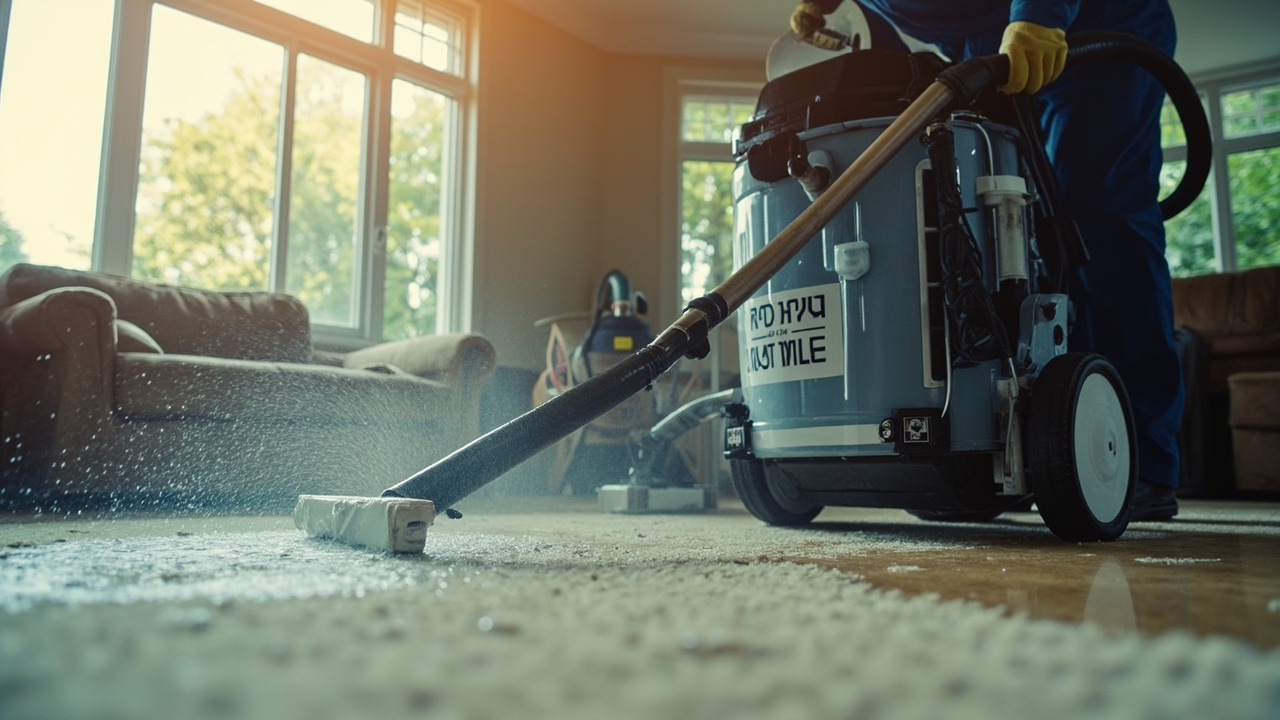
Elite Water Damage Restoration Louisville uses truck-mounted extraction units capable of pulling 200 gallons per hour from carpet and padding. These systems generate higher vacuum pressure than portable units, which is critical when dealing with thick pad or multi-layer carpeting common in Louisville's older brick homes and ranch-style properties. The process starts with moisture mapping using infrared thermal cameras. This identifies wet zones you cannot see, especially along tack strips and under baseboards where water pools.

After initial extraction, we pull baseboards and drill weep holes if needed to release trapped water from wall cavities. This is common in Louisville homes with plaster walls or older drywall that absorbs water through capillary action. We then position low-grain refrigerant dehumidifiers and axial air movers to create controlled evaporation. The goal is to drop the moisture content in carpet backing and padding below 15 percent, which is the threshold for microbial growth in this region's humidity.

We do not guess at drying progress. Moisture meters track grain weight in the air and material moisture content in real time. If padding has been saturated for more than 12 hours or if the water source was contaminated, we remove and dispose of padding, treat the subfloor with antimicrobial agents, and allow it to dry independently before reinstalling new pad and re-stretching carpet. This prevents delamination and odor issues that show up weeks later when improper drying allows bacteria to colonize the carpet backing.

What Happens During Emergency Carpet Water Extraction

Carpet Water Extraction in Louisville – Fast Response Before Mold Takes Hold
01

Initial Water Extraction

Technicians position truck-mounted extraction wands across saturated carpet, making multiple slow passes to pull water from fibers and padding. This phase removes 80 to 90 percent of standing water. Thermal imaging identifies hidden saturation under furniture or along walls. We document moisture levels with readings from the carpet surface, padding layer, and subfloor to establish a drying baseline.
02

Controlled Environment Drying

Dehumidifiers lower ambient humidity while air movers create airflow across carpet surfaces to accelerate evaporation. We seal off affected rooms when necessary to control air exchange and prevent moisture from migrating into unaffected areas. HVAC systems may be adjusted or isolated to prevent spreading humidity. Daily moisture readings track drying progress and verify that relative humidity stays below mold growth thresholds specific to Louisville's climate conditions.
03

Final Verification and Treatment

Once moisture readings reach safe levels, antimicrobial treatments are applied to carpet and subfloors if contamination was present. We verify that no hidden moisture remains in wall cavities or underlayment. Final moisture documentation confirms that all materials have returned to normal dry standards. Carpet is groomed and furniture can be safely returned. If padding was replaced, carpet is re-stretched to eliminate wrinkles or buckling that occurs after water exposure.

Why Louisville Homeowners Choose Local Carpet Water Extraction Experts

Water damage in Louisville often stems from regional factors that out-of-town companies miss. Flash flooding along Beargrass Creek, sewer backups in Old Louisville's combined stormwater systems, and foundation seepage in neighborhoods like Highlands and Crescent Hill require local knowledge. Elite Water Damage Restoration Louisville has worked in these areas long enough to know where water enters homes, how it moves through older construction, and what secondary damage to expect.

Insurance claims in Kentucky require specific documentation to meet state adjuster standards. We photograph moisture readings, document equipment placement, and provide detailed drying logs that satisfy claims requirements from major carriers operating in Jefferson County. We also understand local building codes related to water damage repair and can coordinate with city inspectors if structural drying involves wall removal or subfloor replacement.

Louisville's housing stock includes everything from shotgun houses in Germantown to mid-century brick ranches in Fern Creek. Each construction type responds differently to water intrusion. Hardwood subfloors common in pre-1950s homes require different drying protocols than plywood subfloors in newer construction. We adjust extraction methods, drying times, and equipment based on what is actually under your carpet, not generic assumptions. You also get faster response times because our teams are already in Louisville, not dispatched from Lexington or Cincinnati when you call.

Trust matters when someone is tearing up your floors and running equipment in your home for days. Local reputation is built on jobs done right, not corporate marketing. You can verify our work with neighbors who have used us, not anonymous online reviews.

What to Expect During Professional Carpet Water Extraction

Response Time and Availability

Emergency carpet water removal teams are available 24 hours a day in Louisville. Response time averages 60 to 90 minutes from your call to arrival on site. Speed matters because every hour of standing water increases padding saturation and subfloor damage. Nights, weekends, and holidays do not change response protocols. You get the same truck-mounted extraction equipment and certified technicians regardless of when flooding occurs. Initial extraction begins immediately upon arrival. We do not wait for insurance approval to start pulling water.

Damage Assessment and Moisture Mapping

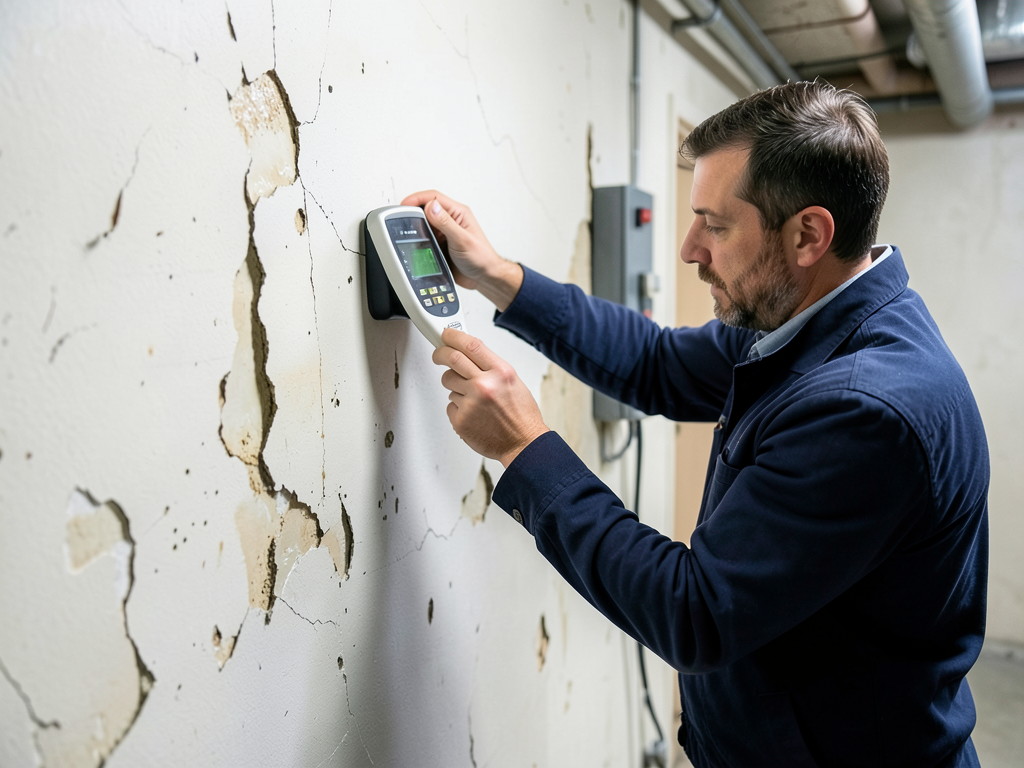
Technicians use thermal imaging cameras to identify wet areas that are not visible to the naked eye. Moisture meters measure water content in carpet fibers, padding, and subfloors. We test for contamination if the water source is questionable. You receive a written assessment that documents affected square footage, moisture levels, equipment needed, and estimated drying time. This report supports insurance claims and gives you a clear picture of what restoration involves. We also identify any safety hazards like electrical risks or structural concerns before work begins.

Drying Results and Quality Standards

Drying typically takes three to five days depending on saturation levels, humidity, and airflow in the affected space. Final moisture readings must meet IICRC S500 standards before equipment is removed. You receive documentation showing moisture levels at the start of the job and at completion. Carpet should feel dry to the touch, have no odor, and show no signs of mold growth. Subfloors should register below 12 percent moisture content. Any antimicrobial treatments applied are EPA-registered and safe for occupied spaces once dry.

Follow-Up and Post-Drying Support

After equipment is removed, we conduct a final walkthrough to ensure all materials have dried properly and no hidden moisture remains. If padding was replaced or carpet re-stretched, we verify that installation meets manufacturer standards. You receive copies of all moisture logs and treatment records for your insurance file. Follow-up calls check for any odor development or moisture return in the weeks after drying. If mold appears despite proper drying, we investigate the source at no additional diagnostic charge. Proper carpet water extraction should leave no lingering issues.

Frequently Asked Questions

You Have Questions,
We Have Answers

How to extract water from carpet? +

Start by removing standing water with a wet vacuum or towels. Blot the carpet thoroughly, pressing down to pull moisture from the padding. Lift the carpet edges and aim fans at the underside to promote airflow. Run a dehumidifier to reduce humidity levels, which prevents mold growth. For significant flooding in Louisville homes, professional extractors use truck-mounted systems that pull thousands of gallons from carpet and padding. They also inject antimicrobial treatments to address bacteria from Ohio River basin humidity. DIY methods work for small spills, but floods require industrial equipment to prevent permanent damage.

How much does it cost to extract water from carpet? +

Professional carpet water extraction in Louisville typically ranges based on affected square footage, water category, and damage severity. Clean water from a burst pipe costs less than sewage contamination. Padding replacement, antimicrobial treatment, and dehumidification add to the total. Most Louisville restoration companies charge per square foot or offer flat rates for standard rooms. Emergency service calls during night hours or weekends may include surcharges. Insurance often covers extraction costs if the damage stems from a covered peril like sudden pipe failure. Get a detailed estimate that breaks down labor, equipment, and materials before work begins.

What draws urine out of carpet? +

Enzymatic cleaners break down uric acid crystals that cause lingering odors in carpet fibers. These biological formulas digest the organic compounds rather than masking the smell. Apply the enzyme solution generously to penetrate the carpet backing and padding where urine collects. Professionals use UV lights to locate all contaminated areas, then extract the liquid with hot water extraction equipment. For severe pet urine damage in Louisville homes, padding replacement is often necessary because urine soaks through to the subfloor. Baking soda can absorb fresh moisture, but enzymes are required to eliminate the odor permanently.

How long can carpet be wet before mold? +

Mold spores begin colonizing wet carpet within 24 to 48 hours, especially in Louisville's humid climate where indoor moisture levels stay high year-round. The padding beneath carpet holds water longer than surface fibers, creating an ideal breeding ground for mold. Basements and ground-floor rooms face higher risk due to concrete moisture transfer. If your carpet stays wet beyond 48 hours, mold remediation becomes necessary alongside extraction. Act immediately after water damage occurs. Professional extraction within the first 24 hours dramatically reduces mold risk and salvages your carpet investment. Delay turns a fixable problem into a health hazard.

What draws fluid out of carpet? +

Professional water extractors use powerful suction to pull fluid from carpet fibers and padding. Truck-mounted systems generate high vacuum pressure that removes gallons per minute. Portable extractors work for smaller jobs or upper floors. Air movers and dehumidifiers work together to draw remaining moisture through evaporation. The airflow accelerates drying while dehumidifiers capture water vapor before it condenses elsewhere. In Louisville's humid environment, dehumidification is critical because ambient moisture slows natural drying. Professionals also inject drying agents that absorb residual water from padding. This combination of extraction, airflow, and dehumidification ensures thorough moisture removal.

How long does it take carpet to dry after flooding? +

Drying time depends on water volume, humidity levels, and equipment used. With professional extraction and drying equipment, most carpets dry within 12 to 24 hours. Louisville's high humidity extends drying times compared to arid climates, so dehumidifiers run continuously. Thick padding or dense carpet fibers may need 48 hours. Basements take longer due to concrete moisture and poor ventilation. Without professional equipment, carpets can stay damp for days, inviting mold growth. Air movers positioned strategically create cross-ventilation that speeds evaporation. Temperature also matters. Warmer air holds more moisture, so heating the space helps.

What tool to remove water from carpet? +

Professionals use truck-mounted carpet extractors that combine hot water injection with powerful vacuum suction. These systems remove significantly more water than consumer-grade shop vacuums. Portable extractors handle upper floors or areas inaccessible to truck mounts. Air movers create high-velocity airflow across carpet surfaces to accelerate drying. Dehumidifiers capture moisture from the air to prevent reabsorption. Moisture meters measure water content in carpet and padding to confirm dryness. Thermal imaging cameras detect hidden water pockets behind walls or under padding. For DIY efforts, wet-dry vacuums provide basic extraction, but they lack the power to remove water from padding.

Does insurance cover water remediation? +

Homeowners insurance typically covers water damage from sudden, accidental events like burst pipes, appliance malfunctions, or roof leaks. Flood damage from rising water requires separate flood insurance, which matters for Louisville properties near the Ohio River or in floodplains. Gradual leaks or maintenance issues are usually excluded. Review your policy for water damage coverage limits and deductibles. Most Louisville restoration companies work directly with insurance adjusters and handle claims documentation. They photograph damage, prepare estimates, and communicate with your carrier. Document everything with photos before cleanup begins to support your claim.

How much does it cost to remove 1000 square feet of carpet? +

Carpet removal costs depend on disposal fees, labor rates, and carpet type. Removal alone is less expensive than full replacement. Water-damaged carpet often requires padding replacement too, which adds cost. Louisville disposal fees vary by contractor and landfill requirements. Some companies include removal in their restoration bid, while others charge separately. Wet carpet weighs significantly more than dry, increasing labor time. Stairs, tight corners, and furniture moving affect pricing. If the subfloor needs treatment for mold or moisture damage, expect additional charges. Get itemized quotes that separate removal, disposal, and any subfloor work.

What do professional carpet cleaners use for urine? +

Professional carpet cleaners use enzymatic treatments specifically formulated for pet urine. These enzymes break down uric acid into carbon dioxide and water, eliminating odor at the molecular level. They apply the solution, then extract it with hot water extraction systems that reach deep into padding. UV detection lights reveal all contaminated areas invisible to the eye. For severe contamination, professionals may remove carpet and treat the subfloor with sealants. Louisville restoration companies often combine enzyme treatments with antimicrobial agents to prevent bacterial growth. Oxidizing agents provide an alternative that chemically neutralizes odor compounds without enzymes.

How Louisville's Humidity and Clay Soil Complicate Carpet Water Damage

Louisville averages 45 inches of annual rainfall with peak precipitation during spring months when severe thunderstorms dump several inches in hours. The city sits in the Ohio River valley where morning dew points regularly hit 70 degrees Fahrenheit from May through September. This creates an environment where wet carpet does not air dry on its own. Without mechanical dehumidification, relative humidity inside a flooded room will stay above 60 percent for days, which is ideal for mold colonization. The clay-heavy soil under much of Louisville also causes foundation movement and hydrostatic pressure against basement walls, leading to chronic seepage that saturates carpet repeatedly in finished lower levels.

Elite Water Damage Restoration Louisville has worked in neighborhoods from Portland to Jeffersontown, addressing water damage in homes built across nine decades of construction methods. We understand how older homes in areas like Cherokee Triangle have crawl spaces prone to moisture intrusion and how newer subdivisions in eastern Jefferson County deal with inadequate lot grading. Local expertise means knowing which Louisville properties have combined sewer systems that back up during heavy rain and which subdivisions installed sump pumps that fail when power goes out. Choosing a local company ensures your carpet water extraction addresses the actual cause, not just the symptom.

Water Damage Services in The Louisville Area

Elite Water Damage Restoration is proud to serve the entire Louisville metropolitan area and surrounding communities. We are committed to providing top-tier water damage solutions to all residents and businesses in our service region. Feel free to explore our service map to confirm your location is within our coverage area or simply give us a call to discuss your specific needs. Our team is ready to help restore your property with speed and professionalism.

Address:
Elite Water Damage Restoration Louisville, 1000 E Kentucky St., Louisville, KY, 40204

Additional Services We Offer

Our news updates

Latest Articles & News from The Blogs

Why those rubber washing machine hoses are a ticking time bomb for your Fern Creek laundry room Every year thousands…

Why those rubber washing machine hoses are a ticking time bomb for your Fern Creek laundry room

Why those rubber washing machine hoses are a ticking time bomb for your Fern Creek laundry room Every year thousands…

Keeping your pets safe from mold and bacteria after a Louisville basement leak

Keeping Your Pets Safe from Mold and Bacteria After a Louisville Basement Leak A basement leak in Louisville creates immediate…

What to do in the first hour after finding a flood in your J-town home

What to do in the first hour after finding a flood in your J-town home Finding water pouring into your…

Contact Us

Standing water is damaging your subfloors right now. Call (502) 370-2711 for emergency carpet water removal. Elite Water Damage Restoration Louisville has truck-mounted extraction units ready to deploy across the metro area today.