




Menu

How to Handle Insurance Claims in Louisville – Get Maximum Coverage for Water Damage Without the Runaround

Filing a water damage claim doesn't have to drain your time or leave you shortchanged. Elite Water Damage Restoration Louisville walks you through every step, documents your loss correctly, and fights for full compensation so you can restore your property faster.

Slider Image 1
Slider Image 2
Slider Image 3
Slider Image 4
Slider Image 5
Slider Image 7
Slider Image 8
Slider Image 9
Slider Image 10
Slider Image 11

Why Louisville Water Damage Claims Get Denied or Underpaid

Louisville sits at the convergence of the Ohio River and Beargrass Creek. Flash flooding from sudden spring thunderstorms and ice dam failures after freeze-thaw cycles create recurring water intrusion problems. Your policy covers sudden and accidental water damage, but insurance adjusters look for reasons to minimize payouts.

The water damage insurance claim process starts the moment you discover the problem. Delayed documentation gives insurers ammunition to deny coverage. They argue the damage was gradual or caused by deferred maintenance. Mold growth from Louisville's humid summers complicates filing a water damage claim because adjusters classify fungal contamination as a secondary issue not covered under standard policies.

Navigating water restoration claims requires understanding policy language. Most homeowners don't know the difference between Category 1 clean water and Category 3 black water. Adjusters use this confusion to undervalue claims. They classify sewage backups from aging sewer laterals in Old Louisville as maintenance issues rather than sudden failures.

Tips for water damage insurance claims include photographing everything before mitigation starts. Take wide-angle shots showing the entire affected area, then close-ups of damaged materials. Document the source of the water. If a supply line burst, photograph the failed component and the water meter to establish timeline.

Managing water mitigation claims means coordinating documentation, estimates, and communication with your adjuster while stopping active damage. You have 24 to 48 hours to begin mitigation before secondary damage voids coverage. Most Louisville homeowners wait too long or start work without proper documentation. Both mistakes cost thousands in denied reimbursements.

Why Louisville Water Damage Claims Get Denied or Underpaid
How Elite Water Damage Restoration Louisville Maximizes Your Settlement

How Elite Water Damage Restoration Louisville Maximizes Your Settlement

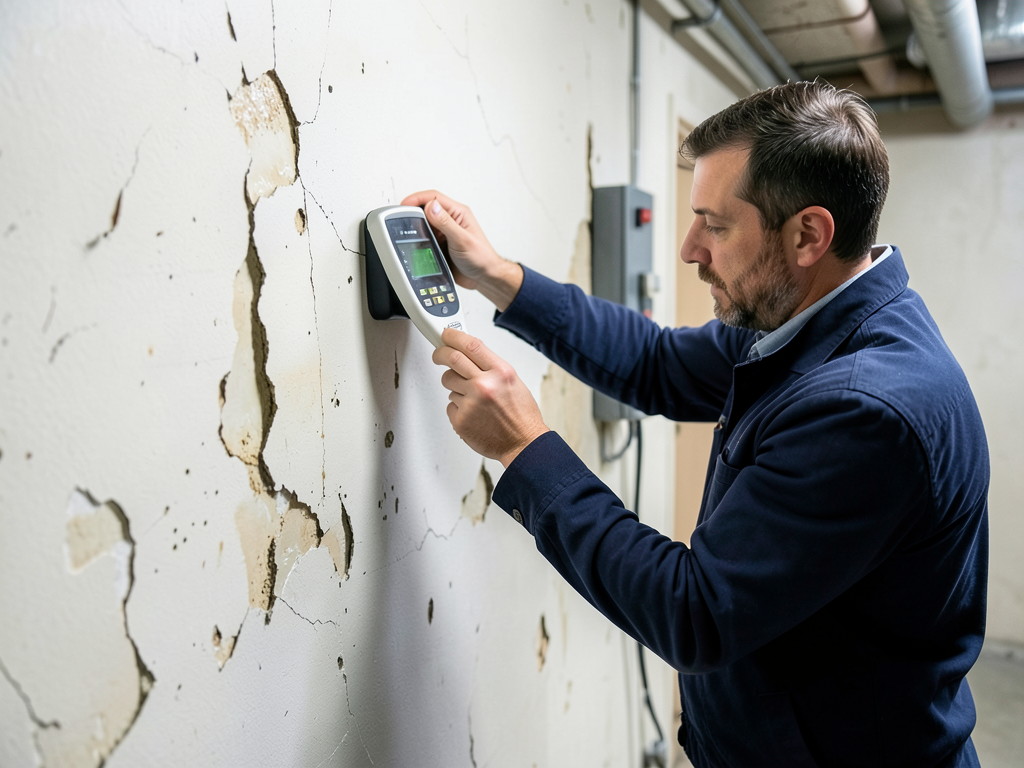
We document losses using the same software adjusters use. Xactimate pricing ensures your estimate matches what the insurance company expects to pay. We photograph moisture readings from thermal imaging cameras and moisture meters calibrated to IICRC S500 standards. This creates an irrefutable record of affected materials.

Our technicians understand how to separate covered damage from excluded damage. When we extract water from a finished basement in Highlands, we document which materials sustained acute damage from the flood versus which materials show preexisting water stains. This distinction determines whether the adjuster approves full structural drying or partial mitigation.

We handle communication with your adjuster. Insurance companies ask leading questions designed to establish policyholder negligence. When an adjuster asks how long water sat before you called, the wrong answer triggers a gradual damage exclusion. We provide factual timelines supported by our dispatch records and moisture documentation.

Elite Water Damage Restoration Louisville itemizes every step of the water damage insurance claim process. We separate emergency services from restoration work. Emergency mitigation includes water extraction, antimicrobial treatment, and structural drying. Restoration includes demolition of unsalvageable materials, rebuild, and contents cleaning. Adjusters approve emergency services faster than restoration costs.

We challenge lowball estimates. If your adjuster authorizes two air movers for a 1,200-square-foot basement, we provide psychrometric calculations proving you need six air movers and two dehumidifiers to achieve adequate air changes per hour. Filing a water damage claim requires technical arguments backed by industry standards. We provide both.

What Happens During Your Claim

How to Handle Insurance Claims in Louisville – Get Maximum Coverage for Water Damage Without the Runaround
01

Immediate Loss Documentation

We arrive within two hours of your call. Our crew photographs the loss before touching anything. We measure moisture content in walls, floors, and structural members using calibrated pin-type and non-invasive meters. We document the water source, affected square footage, and material saturation levels. This evidence package goes to your insurer within four hours of arrival.
02

Estimate and Adjuster Coordination

We prepare a detailed Xactimate estimate broken into emergency mitigation and restoration phases. We schedule a meeting with your adjuster to walk the loss. During this inspection, we explain our moisture mapping, discuss necessary demolition, and justify equipment placement. We answer technical questions about drying science and industry standards. Most adjusters approve our scope after this meeting.
03

Payment Negotiation and Completion

Your insurer issues an initial payment for emergency services, then a final payment after restoration. We review both checks for accuracy. If the settlement falls short, we provide supplemental documentation showing why additional work was necessary. We handle depreciation disputes and advocate for full replacement cost value. You don't close your claim until we confirm the settlement covers all documented damages.

Why Louisville Property Owners Trust Our Claims Expertise

Elite Water Damage Restoration Louisville works with every major insurance carrier operating in Jefferson County. We know which adjusters require psychrometric charts and which approve scopes based on visual inspection alone. This experience accelerates approvals and reduces back-and-forth negotiations.

Louisville's historic architecture requires specialized documentation. When water damages plaster walls and hardwood floors in a Crescent Hill Victorian, we document the cost difference between modern drywall replacement and period-appropriate lime plaster restoration. Insurance companies try to apply standard replacement costs to historic materials. We provide contractor bids proving actual restoration costs exceed generic estimates.

We understand Kentucky insurance regulations. State law requires insurers to acknowledge claims within 10 days and issue payment within 30 days of reaching agreement. When carriers delay, we reference KRS 304.12-235 and file complaints with the Department of Insurance. This regulatory pressure moves stalled claims forward.

Our technicians hold IICRC Water Damage Restoration and Applied Structural Drying certifications. When we testify to moisture intrusion patterns or structural drying timelines, adjusters recognize our credentials. This professional authority prevents disputes over necessary services.

Navigating water restoration claims means understanding depreciation schedules. Your policy pays actual cash value upfront, then recoverable depreciation after you complete repairs. Many Louisville homeowners don't know they must submit final invoices to recover depreciation. We track these deadlines and ensure you receive full replacement cost value.

We've handled claims for commercial properties in Butchertown, multifamily buildings downtown, and single-family homes in Prospect. This range of experience means we understand claim complexities across property types and coverage limits.

What to Expect When Working With Us on Your Claim

Immediate Response and Documentation

We dispatch crews 24/7 across the Louisville metro area. You'll receive a two-hour arrival window. Our technicians begin documentation immediately, photographing the loss from multiple angles and recording moisture readings in a detailed site diagram. We upload this evidence package to a secure portal you and your adjuster can access. Emergency mitigation begins as soon as documentation is complete. We don't wait for adjuster approval to extract standing water or place drying equipment. Kentucky law requires policyholders to mitigate damages to prevent further loss.

Transparent Estimates and Adjuster Meetings

You receive an itemized Xactimate estimate within 24 hours. This estimate breaks down labor, materials, and equipment costs using the same unit prices insurance companies reference. We explain each line item in plain language so you understand what you're paying for. We coordinate directly with your adjuster to schedule a joint inspection. During this meeting, we walk through the affected areas, explain our drying strategy, and answer questions about our scope of work. This transparency prevents disputes later in the process.

Complete Restoration and Final Inspection

After your insurer approves the scope, we begin restoration. You receive daily updates on demolition progress, material orders, and rebuild timelines. We coordinate subcontractors for electrical, plumbing, and HVAC work when necessary. Final restoration includes paint, flooring, and trim matching your existing finishes. We conduct a final walkthrough with you to confirm satisfaction before requesting final payment from your insurer. You receive documentation of all work performed, including post-restoration moisture readings confirming structural drying met IICRC standards.

Claim Advocacy and Supplement Negotiation

Insurance adjusters often approve partial scopes, then require supplements for additional damage discovered during demolition. We handle all supplement requests with supporting documentation. If your adjuster denies necessary work, we provide technical justification citing industry standards and policy language. We've successfully negotiated thousands in additional coverage for Louisville homeowners by challenging initial denials. You don't pay out of pocket for covered damages. We continue advocating until your settlement accurately reflects the full cost of restoration.

Frequently Asked Questions

You Have Questions,
We Have Answers

What not to say during an insurance claim? +

Never admit fault or use phrases like "I think" or "maybe." Avoid exaggerating damage or downplaying it. Do not agree to recorded statements without reviewing your policy first. Never say the damage is "not that bad" or speculate about causes you are unsure of. Stick to facts only. In Louisville, where water damage from burst pipes or flooding is common, avoid saying you "delayed cleanup" or "waited to call." Insurers look for policy violations. Document everything with photos and dates. Let your adjuster and restoration company communicate technical details. Your job is to report what happened, not diagnose or negotiate on the spot.

What is the 80% rule in insurance? +

The 80% rule means you must insure your home for at least 80% of its replacement cost to receive full reimbursement for partial losses. If you underinsure, the payout gets reduced proportionally. For example, if your Louisville home needs $200,000 to rebuild but you only carry $120,000 in coverage, you will not get full compensation even for smaller claims. Many older Louisville neighborhoods with rising property values face this gap. Insurers penalize underinsurance to encourage accurate coverage. Review your policy limits annually. Louisville's humid climate and aging housing stock make replacement costs higher than you think. Update coverage as home values rise.

What are the 3 D's of insurance claims? +

The three Ds are Delay, Deny, and Defend. Insurance companies often delay claim processing to pressure you into settling low. They may deny valid claims using technicalities or policy language. If you push back, they defend their decision through legal or procedural roadblocks. In Louisville, water damage claims from storms or pipe bursts often face scrutiny over "pre-existing conditions" or "maintenance neglect." Insurers will delay inspections or request excessive documentation. Know your policy, document everything immediately, and push back on unfair delays. If you face denial, ask for written explanations. Many Louisville homeowners win appeals by providing clear evidence and timelines.

What are the 7 rules of insurance? +

The seven rules are utmost good faith, insurable interest, indemnity, subrogation, contribution, proximate cause, and loss minimization. Utmost good faith means honesty from both parties. Insurable interest means you must own or have financial stake in what you insure. Indemnity prevents profit from claims. Subrogation lets insurers recover costs from responsible third parties. Contribution applies when multiple policies cover the same loss. Proximate cause determines if damage is covered. Loss minimization requires you to prevent further damage. In Louisville, loss minimization matters after water damage. You must act fast to dry out and prevent mold, or insurers may reduce payouts for "negligence."

What's the biggest mistake people often make when dealing with an insurance claim? +

The biggest mistake is failing to document damage immediately. Homeowners wait to take photos, discard damaged items, or start repairs before the adjuster arrives. In Louisville, where humidity accelerates mold growth after water damage, delays hurt your claim and your health. Take photos and videos from multiple angles before touching anything. Save damaged materials if safe. Get a professional damage assessment quickly. Another mistake is accepting the first offer without question. Adjusters often lowball. Get independent estimates. Many Louisville residents lose thousands by not challenging initial payouts. Document everything, act fast, and do not assume the insurer has your best interest in mind.

What insurance adjusters won't tell you? +

Adjusters will not tell you that their first offer is negotiable. They will not explain all the coverage you are entitled to or mention policy provisions that favor you. They will not disclose that you can hire a public adjuster or get independent estimates. In Louisville, adjusters may downplay storm or flood damage as "wear and tear" to deny claims. They will not tell you that you can dispute their findings or that claim denials can be appealed. They work for the insurer, not you. Read your policy carefully. Ask direct questions. Get second opinions on damage assessments. Document all communication. You have more leverage than they imply.

How much is a $500,000 life insurance policy for a 70 year old man? +

This question does not relate to property insurance claims for water damage in Louisville. Life insurance premiums vary based on health, policy type, and carrier. If you need help filing a water damage or property insurance claim in Louisville, contact a local restoration professional who can document damage and assist with your claim. For life insurance questions, consult a licensed insurance agent. Focus on protecting your Louisville home from water damage by maintaining gutters, inspecting pipes, and acting fast after leaks. Proper documentation and immediate response improve claim outcomes. If you face claim issues, get professional help to navigate the process and maximize your payout.

What does it mean if the coverage limits are $250000 / $500,000? +

Those are liability coverage limits. The first number, $250,000, is the maximum payout per person injured in an incident. The second number, $500,000, is the total maximum payout per incident, regardless of how many people are injured. This applies to auto and homeowner liability policies. In Louisville, if someone slips on your flooded basement stairs during a water damage event and gets injured, your liability coverage responds. If your negligence caused water damage to a neighbor's property, this coverage helps pay for repairs. Higher limits protect your assets if you are sued. Review limits annually. Louisville homeowners with older properties face higher liability exposure from slip hazards and structural issues.

How do insurance companies determine home replacement value? +

Insurers calculate replacement value using local construction costs, square footage, materials, and labor rates. They factor in your home's age, features, and local building codes. In Louisville, replacement costs include foundation work for clay soil conditions, humidity-resistant materials, and compliance with local codes. Insurers use software and local contractor estimates. They do not use market value or what you paid. Louisville's older housing stock often has higher rebuild costs due to custom features, lead paint abatement, and updated electrical systems. Request a replacement cost appraisal every few years. Inflation and labor shortages drive costs up. Underinsuring leaves you financially exposed after total loss events.

What are 5 reasons a claim may be denied? +

Claims get denied for policy exclusions, late reporting, lack of documentation, pre-existing damage, and failure to mitigate further loss. In Louisville, water damage claims often face denial if the insurer claims gradual damage, poor maintenance, or flood exclusions apply. Insurers deny claims for missing photos, inconsistent statements, or gaps in your timeline. They deny if you did not act fast to stop water spread or dry out areas. Read your policy exclusions carefully. Report damage immediately. Document everything with time-stamped photos. Get professional assessments. Many denials are overturned on appeal with proper evidence. Know your rights and challenge unfair denials with facts and documentation.

How Louisville's Ohio River Proximity Affects Water Damage Claims

Louisville's location along the Ohio River creates unique flood risk that complicates the water damage insurance claim process. Standard homeowners policies exclude flood damage, but cover sudden plumbing failures and rain intrusion through roof leaks. After heavy spring storms, adjusters scrutinize losses near Waterfront Park and Shawnee Park to determine whether damage resulted from rising river levels or interior plumbing failures. Elite Water Damage Restoration Louisville documents water source and intrusion points to establish coverage. We photograph failed sump pumps, overwhelmed gutters, and burst supply lines to prove sudden and accidental loss rather than excluded flood damage.

Jefferson County building codes require proper moisture barriers and drainage systems, but many older Louisville homes predate these regulations. When filing a water damage claim on a property in Old Louisville or Germantown, adjusters look for deferred maintenance to deny coverage. We work with local contractors familiar with historic preservation requirements and Louisville's unique construction methods. This local expertise helps us demonstrate that water intrusion resulted from sudden failure rather than gradual deterioration. Our relationships with Jefferson County building inspectors and local public adjusters give us credibility when navigating water restoration claims.

Water Damage Services in The Louisville Area

Elite Water Damage Restoration is proud to serve the entire Louisville metropolitan area and surrounding communities. We are committed to providing top-tier water damage solutions to all residents and businesses in our service region. Feel free to explore our service map to confirm your location is within our coverage area or simply give us a call to discuss your specific needs. Our team is ready to help restore your property with speed and professionalism.

Address:
Elite Water Damage Restoration Louisville, 1000 E Kentucky St., Louisville, KY, 40204

Additional Services We Offer

Our news updates

Latest Articles & News from The Blogs

How to properly drain your outdoor faucets in Louisville to prevent an indoor pipe burst Water expands about 9% when…

How to properly drain your outdoor faucets in Louisville to prevent an indoor pipe burst

How to properly drain your outdoor faucets in Louisville to prevent an indoor pipe burst Water expands about 9% when…

Why drying the subfloor is more important than drying your actual hardwood in a Prospect home

Why drying the subfloor is more important than drying your actual hardwood in a Prospect home When water floods your…

Simple ways to test your Louisville sump pump before the spring rainy season hits

Simple ways to test your Louisville sump pump before the spring rainy season hits Your Louisville basement sits on heavy…

Contact Us

Don't let insurance companies minimize your water damage loss. Call Elite Water Damage Restoration Louisville at (502) 370-2711 right now. We'll document your damage, handle adjuster communication, and fight for maximum coverage. Available 24/7 across the Louisville metro area.