




Menu

Signs of Hidden Mold in Louisville – Expert Detection Guides to Protect Your Home and Health

Our comprehensive mold detection resources help Louisville property owners identify symptoms of concealed mold before it threatens indoor air quality, structural integrity, and family health in our humid climate.

Slider Image 1
Slider Image 2
Slider Image 3
Slider Image 4
Slider Image 5
Slider Image 7
Slider Image 8
Slider Image 9
Slider Image 10
Slider Image 11

Why Louisville Homes Harbor Hidden Mold Growth

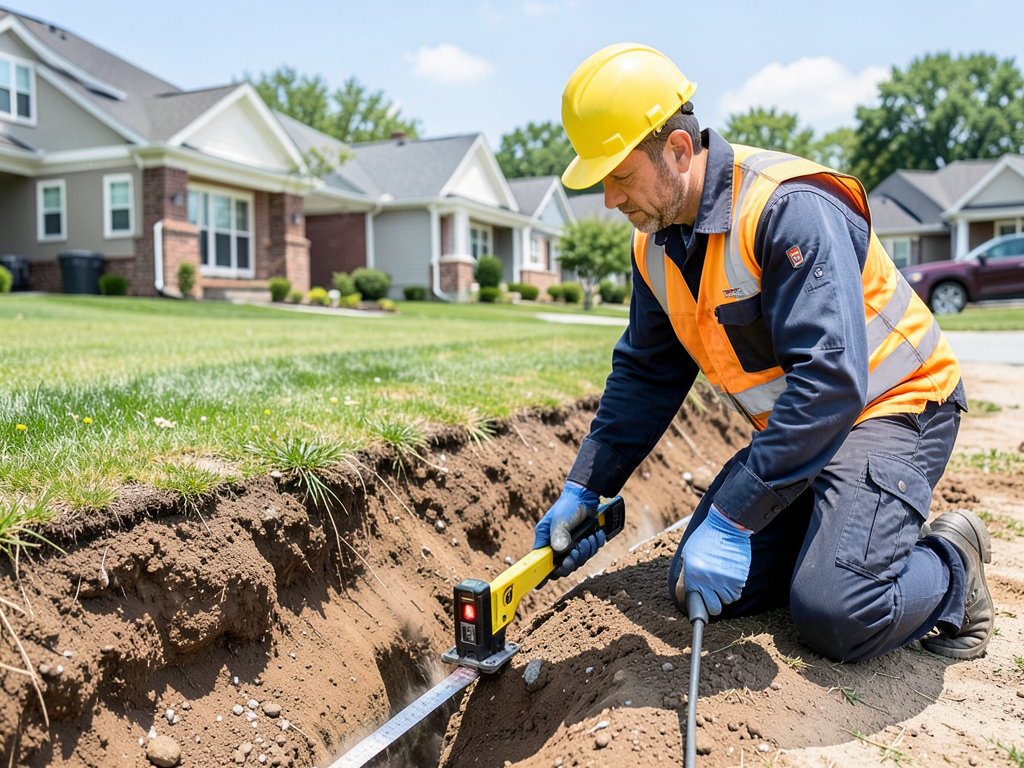
Louisville's position along the Ohio River creates a perfect breeding ground for mold. The Ohio Valley's humid subtropical climate means summer humidity regularly exceeds 70 percent, while winter freeze-thaw cycles drive condensation deep into wall cavities. When spring storms flood crawl spaces across Clifton, Old Louisville, and the Highlands, that standing water creates invisible mold colonies behind drywall and under flooring.

The challenge lies in detection. Indicators of invisible mold often appear weeks after water intrusion subsides. You notice a musty smell in the basement but see no visible growth. Your allergies flare up inside the house but improve outdoors. These symptoms of concealed mold signal a larger problem festering behind surfaces.

Many Louisville homes built before 1980 lack proper vapor barriers. The clay soil common throughout Jefferson County shifts during wet seasons, creating foundation cracks that channel groundwater into basements. That moisture migrates upward through capillary action, feeding mold growth inside exterior walls. Historic homes in Old Louisville face additional risks due to original plaster walls that trap moisture between layers.

Detecting hidden mold requires understanding where Louisville's climate attacks your home. The evidence of unseen mold appears as peeling paint near floor joists, warped baseboards after heavy rain, or persistent condensation on windows facing north. These signs of mold behind walls demand immediate investigation before spores spread through HVAC systems and compromise indoor air quality throughout your property.

Why Louisville Homes Harbor Hidden Mold Growth
Professional Mold Detection Methods That Find What You Cannot See

Professional Mold Detection Methods That Find What You Cannot See

Surface inspection misses 80 percent of mold problems. Professional detection combines multiple diagnostic approaches to map hidden growth accurately.

Thermal imaging reveals temperature differentials that indicate moisture accumulation. When water saturates insulation or drywall, those areas register cooler than surrounding surfaces. Infrared cameras identify these cold spots without invasive drilling, showing exactly where moisture feeds mold colonies behind finished surfaces.

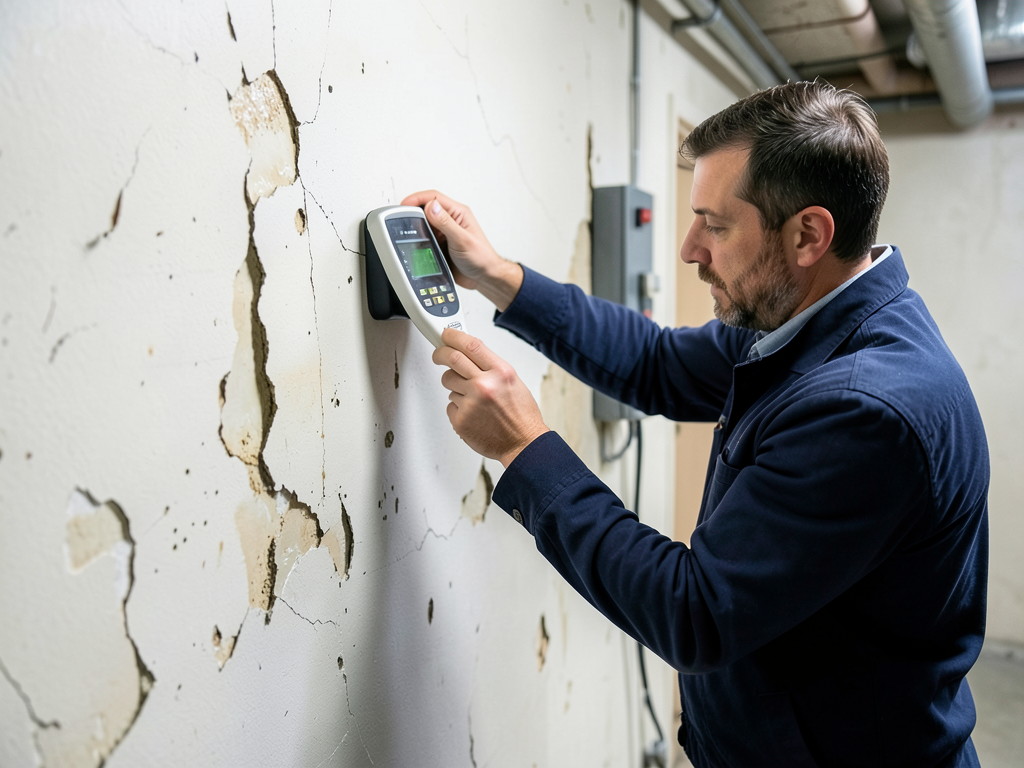
Moisture meters measure water content in building materials. Wood framing should register below 16 percent moisture content. Readings above 20 percent indicate active water intrusion and probable mold growth. Pin-type meters penetrate surfaces for subsurface readings, while non-invasive meters scan larger areas quickly to identify problem zones.

Air sampling captures airborne spore counts. A spore trap collects air samples that get analyzed in a laboratory to identify mold species and concentration levels. Comparing indoor samples to outdoor baseline readings determines if your home has elevated mold levels. This quantitative data proves the scope of contamination for insurance claims and remediation planning.

Borescope inspection accesses hidden cavities through small access holes. The fiber-optic camera snake navigates inside walls, above ceilings, and under floors to visually confirm mold growth. This minimally invasive technique eliminates guesswork, showing the exact location and extent of contamination before remediation begins.

Elite Water Damage Restoration Louisville combines these detection methods to create a complete picture of hidden mold. We document findings with detailed reports that guide effective remediation strategies tailored to your property's specific contamination patterns.

What Happens During a Hidden Mold Assessment

Signs of Hidden Mold in Louisville – Expert Detection Guides to Protect Your Home and Health
01

Initial Property Investigation

We walk through your property documenting visible water damage, moisture sources, and air quality concerns. You explain when problems started, which rooms smell musty, and where you notice allergy symptoms worsening. This intake process identifies high-risk areas for focused testing. We examine attics, crawl spaces, basements, and mechanical rooms where Louisville's humidity creates ideal mold conditions. Our technicians note building materials, ventilation systems, and previous water damage that contribute to hidden mold growth.
02

Diagnostic Testing Protocol

Thermal imaging scans exterior walls and ceilings to map moisture patterns. Moisture meters test suspected areas for elevated water content in framing, drywall, and subfloors. Air samples capture spore counts in affected rooms and baseline outdoor readings for comparison. When thermal imaging reveals hidden moisture, we deploy borescope cameras through small inspection holes to visually confirm mold presence. Each test generates documented evidence showing contamination location, severity, and mold species present.
03

Detailed Assessment Report

You receive a comprehensive report within 48 hours showing all findings with photos, thermal images, moisture readings, and laboratory spore analysis. The report identifies every contaminated area, explains how moisture entered those spaces, and outlines remediation scope required to eliminate the mold. We include cost factors for remediation, moisture source correction, and preventive measures. This documentation supports insurance claims and gives you a clear action plan to restore healthy indoor air quality.

Why Louisville Property Owners Trust Our Mold Detection Expertise

Mold detection requires specific knowledge of Louisville's building patterns and climate challenges. We understand how Ohio Valley humidity attacks homes differently than desert or mountain climates. Our technicians recognize how Louisville's clay soil shifts foundations, creating the hairline cracks that channel groundwater into basements. We know which neighborhoods flood during spring storms and which historic districts have aging drainage systems that fail during heavy rain.

Local building codes changed multiple times over the past 50 years. Homes built before vapor barrier requirements harbor moisture differently than modern construction. Old Louisville's historic properties use plaster walls and horsehair insulation that trap moisture in ways modern drywall does not. The Highlands features balloon-frame construction that creates vertical channels where mold spreads rapidly between floors. Cherokee Park area homes sit on sloped lots where surface water runs toward foundations. We account for these location-specific factors when investigating hidden mold.

Our thermal imaging equipment detects temperature differentials as small as 0.1 degrees Fahrenheit. This sensitivity reveals moisture problems other companies miss with less sophisticated tools. We calibrate moisture meters daily to ensure accurate readings, and we maintain strict chain-of-custody protocols for air samples sent to accredited laboratories. This attention to detail produces reliable data you can trust for major remediation decisions.

Elite Water Damage Restoration Louisville trains continuously on emerging detection technologies and remediation protocols. We participate in industry conferences, maintain certifications, and invest in advanced diagnostic equipment. When you need accurate answers about hidden mold, our local expertise and professional-grade tools deliver the clarity required to protect your property investment and family health.

What You Get From Professional Mold Detection

Rapid Assessment Availability

We schedule mold assessments within 24 hours of your call. Our technicians arrive with all diagnostic equipment ready to begin testing immediately. Most assessments complete in two to four hours depending on property size and complexity. Air sample laboratory analysis takes 48 to 72 hours, after which you receive the complete report. For urgent situations involving severe water damage or health concerns, we prioritize your assessment and expedite laboratory processing. This quick turnaround gets you answers fast so remediation can begin before mold spreads further through your property.

Comprehensive Testing Approach

Our assessment combines visual inspection, thermal imaging, moisture mapping, air sampling, and borescope investigation. We test all suspected areas plus common hidden mold locations you might overlook. The thermal camera scans every exterior wall and ceiling. Moisture meters test framing, insulation, and finished surfaces. Air samples capture spore counts in multiple rooms for comparison analysis. We photograph all findings and create floor plans showing contaminated zones. This multi-layered approach eliminates guesswork and reveals the complete scope of hidden mold growth throughout your property.

Actionable Documentation

You receive a detailed report showing exactly where mold hides, which species are present, and how severe the contamination measures. Thermal images highlight moisture sources feeding the growth. Laboratory reports quantify airborne spore concentrations. Our findings include specific remediation recommendations with scope of work details. The documentation format meets insurance company requirements and provides contractors with clear guidance for remediation work. You get answers you can act on immediately, not vague assessments that leave you guessing about next steps or project costs.

Post-Remediation Verification Testing

After remediation completes, we return to verify all mold was removed successfully. Clearance testing uses the same diagnostic protocols to confirm moisture levels returned to normal ranges and airborne spore counts match outdoor baseline levels. Visual inspection with borescope cameras ensures no hidden growth remains. This verification protects you from incomplete remediation that allows mold to return. The clearance report provides peace of mind and documented proof that your property meets healthy indoor air quality standards. We stand behind our detection accuracy with follow-up testing that confirms the problem is truly resolved.

Frequently Asked Questions

You Have Questions,
We Have Answers

How do I tell if my house has hidden mold? +

Look for visible signs first. Check discolored patches on walls, ceilings, or baseboards. Smell musty odors in basements, crawl spaces, or bathrooms. Feel for damp spots around windows, HVAC vents, or plumbing. Louisville's high humidity makes attics and basements vulnerable. Inspect behind appliances and under sinks. Peeling wallpaper or bubbling paint signals trapped moisture. If you see warped flooring or water stains, mold often grows underneath. Test suspicious areas with a moisture meter. Hidden mold thrives in places you do not check often.

What are signs of mold sickness? +

Watch for respiratory symptoms. Persistent coughing, wheezing, or shortness of breath indicates exposure. You may develop sinus congestion, runny nose, or throat irritation that does not go away. Skin rashes and itchy eyes are common reactions. Fatigue and headaches worsen when you are home but improve when you leave. Some people experience memory problems or difficulty concentrating. Symptoms intensify in damp rooms or during Louisville's humid summer months. If multiple household members feel sick indoors but better outdoors, suspect mold. Seek medical evaluation if symptoms persist.

Can mold make a baby cough? +

Yes. Babies are vulnerable to mold spores because their respiratory systems are still developing. Mold exposure causes persistent coughing, wheezing, and congestion in infants. You may notice your baby struggles to breathe or coughs more at night. Louisville's humidity creates conditions where mold grows quickly in nurseries, especially near windows or poorly ventilated areas. If your baby's cough does not improve with typical treatments, inspect the home for hidden mold. Black spots on walls, musty smells, or visible water damage near the crib are red flags. Consult your pediatrician immediately.

Can mold cause twitching? +

Mold exposure can trigger neurological symptoms, including muscle twitching. Mycotoxins from certain mold species affect the nervous system. You may experience involuntary muscle spasms, tremors, or eye twitching. These symptoms often accompany headaches, brain fog, and fatigue. If twitching started after moving into a new home or after water damage in Louisville, investigate for mold. Check areas with previous leaks or flooding. Not everyone reacts this way, but sensitive individuals show neurological signs. Medical evaluation is critical to rule out other causes. Address mold remediation if confirmed.

Can I test for mold in the air myself? +

DIY air testing kits exist, but they have limitations. You can purchase spore traps or petri dish kits from hardware stores. These capture airborne mold but do not identify species or concentration levels accurately. Louisville's outdoor mold counts are naturally high, which skews results. Professional testing uses calibrated equipment and compares indoor versus outdoor samples. Laboratories identify specific mold types and toxicity levels. If you suspect hidden mold, invest in professional air quality testing. Results guide remediation efforts. Surface testing is often more reliable than air samples for pinpointing hidden growth.

How do you get rid of mold that you can't see? +

You cannot eliminate hidden mold without finding it first. Use moisture meters to locate damp areas behind walls or under floors. Infrared cameras detect temperature differences indicating moisture buildup. Once located, remove affected materials like drywall, insulation, or subflooring. Apply antimicrobial treatments to structural elements. Fix the moisture source immediately. Louisville's humidity requires dehumidifiers and improved ventilation. HVAC systems spread spores, so replace filters and clean ducts. Professionals use containment barriers and HEPA vacuums to prevent cross-contamination. Never just paint over hidden mold. Address the root cause or it returns.

How do I test my house for mold? +

Start with a visual inspection. Check basements, crawl spaces, attics, and bathrooms for discoloration or water stains. Smell for musty odors in closets or behind furniture. Use a moisture meter to test walls and floors, especially after Louisville's heavy spring rains. Professional mold inspections include air sampling, surface testing, and thermal imaging. Inspectors identify mold species and concentration levels. Laboratory analysis confirms toxicity. If you have unexplained health symptoms or visible water damage, hire a certified mold inspector. Testing costs less than remediation, and results guide targeted removal efforts.

Can air purifiers remove mold spores? +

Air purifiers with HEPA filters capture mold spores but do not solve the problem. They reduce airborne spore counts temporarily, which helps with symptoms. However, purifiers do not remove mold growing on surfaces or inside walls. You must eliminate the source. In Louisville homes, mold returns quickly without moisture control. Use air purifiers as a supplemental tool during remediation, not a replacement. Place them in bedrooms or living areas while addressing hidden growth. Replace filters regularly. Combine purifiers with dehumidifiers and proper ventilation. They improve air quality but do not kill active mold colonies.

What kills mold naturally? +

White vinegar kills about 82 percent of mold species. Spray undiluted vinegar on hard surfaces, let it sit for an hour, then scrub and rinse. Baking soda mixed with water creates a mild abrasive cleaner. Hydrogen peroxide (3 percent solution) works on porous materials. Tea tree oil is antifungal but expensive. These methods work for small, surface-level mold on tiles or countertops. They fail on hidden mold or contaminated drywall. Louisville's humidity means mold returns without fixing leaks or improving airflow. Natural solutions do not replace professional remediation for widespread growth.

How do I tell if mold is in my lungs? +

You cannot self-diagnose mold in your lungs. Symptoms include persistent cough, chest tightness, shortness of breath, and fever. You may cough up discolored mucus or experience wheezing that worsens over time. Fungal lung infections require medical imaging like chest X-rays or CT scans. Doctors order sputum cultures or blood tests to identify mold species. If you have been exposed to heavy mold in Louisville and develop respiratory distress, seek medical care immediately. Conditions like aspergillosis or chronic pulmonary infections need antifungal medications. Do not wait. Early treatment prevents permanent lung damage.

How Ohio River Humidity Creates Louisville's Hidden Mold Crisis

Louisville sits at a geographic inflection point where the Ohio River Valley traps humid air masses for extended periods. Summer dew points regularly exceed 70 degrees, creating indoor relative humidity above 60 percent even with air conditioning running. This persistent moisture saturates building materials and feeds mold growth inside wall cavities where air cannot circulate. Winter temperature swings between freezing nights and 50-degree afternoons drive condensation into attics and crawl spaces. Spring flooding along Beargrass Creek and the Ohio River saturates foundations with groundwater that wicks upward into framing. These climate patterns make detecting hidden mold essential for every Louisville property owner who wants to maintain structural integrity and healthy indoor air.

Elite Water Damage Restoration Louisville has investigated thousands of local properties since our founding. We know which neighborhoods flood regularly, which building eras lack proper moisture barriers, and which construction materials Louisville's climate attacks most aggressively. Our technicians live in these communities. We understand the challenges Old Louisville historic homes face with original plaster walls, how Clifton area basements flood during heavy rain, and why Highlands properties built on sloped lots develop foundation moisture problems. This local expertise means we know exactly where to look for hidden mold in your specific property type and neighborhood, finding problems other companies miss.

Water Damage Services in The Louisville Area

Elite Water Damage Restoration is proud to serve the entire Louisville metropolitan area and surrounding communities. We are committed to providing top-tier water damage solutions to all residents and businesses in our service region. Feel free to explore our service map to confirm your location is within our coverage area or simply give us a call to discuss your specific needs. Our team is ready to help restore your property with speed and professionalism.

Address:
Elite Water Damage Restoration Louisville, 1000 E Kentucky St., Louisville, KY, 40204

Additional Services We Offer

Our news updates

Latest Articles & News from The Blogs

How to properly drain your outdoor faucets in Louisville to prevent an indoor pipe burst Water expands about 9% when…

How to properly drain your outdoor faucets in Louisville to prevent an indoor pipe burst

How to properly drain your outdoor faucets in Louisville to prevent an indoor pipe burst Water expands about 9% when…

Why drying the subfloor is more important than drying your actual hardwood in a Prospect home

Why drying the subfloor is more important than drying your actual hardwood in a Prospect home When water floods your…

Simple ways to test your Louisville sump pump before the spring rainy season hits

Simple ways to test your Louisville sump pump before the spring rainy season hits Your Louisville basement sits on heavy…

Contact Us

Hidden mold multiplies daily. Call Elite Water Damage Restoration Louisville at (502) 370-2711 right now to schedule your comprehensive assessment. We will find the mold you cannot see and give you a clear action plan to eliminate it.