




Menu

Condensation on Windows & Walls in Louisville – Expert Diagnosis and Permanent Moisture Control

Elite Water Damage Restoration Louisville identifies the root cause of condensation on windows & walls, stops ongoing moisture damage, and prevents mold growth before structural problems escalate.

Slider Image 1
Slider Image 2
Slider Image 3
Slider Image 4
Slider Image 5
Slider Image 7
Slider Image 8
Slider Image 9
Slider Image 10
Slider Image 11

Louisville's Climate Creates Perfect Conditions for Interior Condensation

You wake up to weeping window panes. By afternoon, you notice damp drywall patches near exterior walls. Louisville's humid summers and sharp temperature swings create ideal conditions for interior glass condensation and moisture buildup on walls.

The Ohio River Valley traps humidity. When warm, moist indoor air contacts cold window glass or exterior wall surfaces, condensation forms. This is not just annoying. Window sweating signals deeper issues with ventilation, insulation, or vapor barriers. Left unchecked, moisture buildup leads to mold colonization, drywall deterioration, and wood rot in wall cavities.

Many Louisville homes built before modern building codes lack proper vapor barriers. Historic neighborhoods like Old Louisville and Crescent Hill feature single-pane windows and plaster walls that cannot handle today's HVAC-driven indoor humidity levels. Modern homes face different problems. Tightly sealed construction traps moisture without adequate mechanical ventilation.

You might think condensation is seasonal. It is not. Winter condensation forms when heated indoor air meets frozen glass. Summer condensation occurs when air conditioning chills walls below the dew point. Both scenarios drive water into porous materials.

The longer moisture sits, the worse the damage. Drywall paper feeds mold. Wood framing absorbs water and swells. Paint blisters and peels. What starts as window sweating becomes a structural liability. You need a diagnostic approach that identifies why moisture forms and how to stop it permanently.

Louisville's Climate Creates Perfect Conditions for Interior Condensation
How We Stop Condensation at the Source

How We Stop Condensation at the Source

Elite Water Damage Restoration Louisville does not just wipe down windows. We use thermal imaging cameras to map surface temperatures across walls and glazing. Cold spots reveal where insulation has failed or where thermal bridging allows heat transfer. We measure indoor relative humidity with calibrated hygrometers and compare it to outdoor conditions. This data tells us if your HVAC system is undersized, if your home lacks proper air exchange, or if a hidden water source is raising indoor humidity.

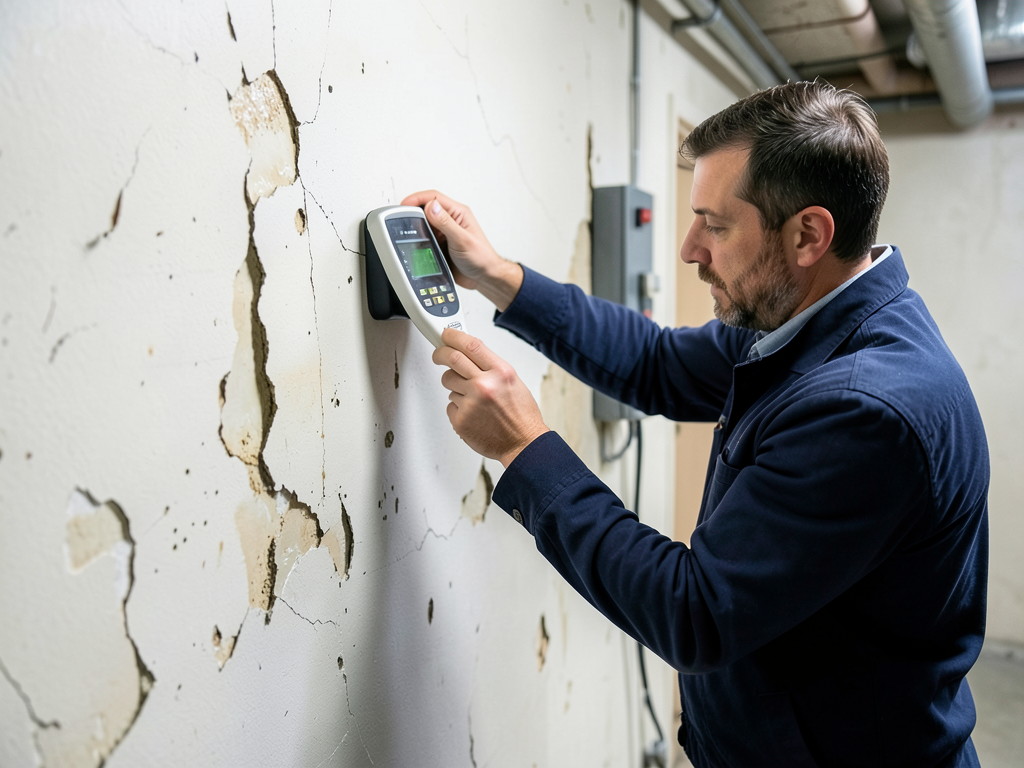
We inspect wall cavities behind damp drywall patches using moisture meters that penetrate six inches deep. If readings exceed 17 percent moisture content, we know active water intrusion is occurring. We differentiate between condensation and hidden leaks from plumbing, roof penetrations, or foundation seepage. Misdiagnosis wastes money. If the problem is a leaking pipe, no amount of ventilation will fix it.

After diagnosing the moisture source, we implement targeted solutions. We improve ventilation with exhaust fans in bathrooms and kitchens. We seal air leaks around windows and doors to prevent warm indoor air from contacting cold surfaces. If insulation is missing or compressed, we recommend wall cavity or attic upgrades. For homes with chronic high humidity, we specify whole-house dehumidifiers tied into HVAC systems.

We also address existing damage. Moldy drywall gets removed and replaced. Wood framing is dried to below 15 percent moisture content and treated with antimicrobial coatings. We do not mask symptoms. We eliminate the conditions that allow condensation to form.

What Happens When You Call Us About Condensation

Condensation on Windows & Walls in Louisville – Expert Diagnosis and Permanent Moisture Control
01

Moisture Mapping Assessment

We arrive with thermal imaging cameras and moisture detection equipment. We map every window, wall, and suspected problem area. You get a written report with moisture readings, thermal images, and a diagnosis. This is not a guess. We show you exactly where moisture is forming and why it happens.
02

Source Identification

We differentiate between condensation and hidden leaks. We inspect HVAC performance, insulation integrity, and ventilation adequacy. If a plumbing leak or roof intrusion is contributing, we identify it. You get a clear explanation of what is driving moisture buildup on walls and how each factor contributes to the problem.
03

Remediation and Prevention

We remove water-damaged materials and dry structural components to safe levels. We install or improve ventilation systems and seal air leaks. You get a home that stays dry year-round. We provide written documentation of repairs and recommend maintenance steps to prevent future condensation. Your moisture problem is solved, not just covered up.

Why Louisville Homeowners Trust Elite Water Damage Restoration

Louisville's building stock ranges from 19th-century shotgun houses to modern subdivisions in Jeffersontown and Middletown. Each era has different vulnerabilities. Historic homes lack vapor barriers and have minimal wall insulation. Mid-century homes have inadequate ventilation by today's standards. Newer homes are sealed tight but lack proper mechanical air exchange. We understand these differences.

We work throughout Jefferson County and know local construction methods. We know which neighborhoods have basements prone to high humidity due to water table proximity. We understand how Louisville's clay soil affects foundation drainage and how that contributes to basement moisture that rises into living spaces. We have worked on homes near Cherokee Park, in Germantown, and across Prospect. We know what works here.

When you call Elite Water Damage Restoration Louisville, you get technicians who interpret moisture problems in the context of local climate and building practices. We do not apply cookie-cutter solutions. A home in the Highlands needs a different approach than a ranch house in Fern Creek. We tailor recommendations to your home's age, construction type, and actual conditions.

We also coordinate with local HVAC contractors, insulation specialists, and window replacement companies when comprehensive solutions are needed. You get honest referrals and a team that works together. We do not upsell unnecessary services. If improved ventilation solves your condensation problem, we tell you. If you need wall insulation upgrades, we explain why and provide clear options. You make informed decisions based on accurate diagnosis and transparent recommendations.

What to Expect When You Work With Us

Rapid Response and Availability

Condensation problems escalate quickly. Mold can colonize damp drywall in 48 hours. We schedule assessments within 24 hours of your call. Most diagnostic visits happen the same day or next morning. You do not wait a week while moisture damage worsens. Our technicians arrive on time with calibrated equipment. We spend 60 to 90 minutes on the initial assessment. You get a verbal summary on-site and a written report within 24 hours. If immediate remediation is needed, we can begin work the same day.

Comprehensive Diagnostic Evaluation

We do not charge for diagnostic assessments when you proceed with recommended repairs. We use FLIR thermal cameras to detect temperature differentials across wall and window surfaces. We measure indoor and outdoor humidity levels and calculate dew point temperatures. We inspect attics, crawl spaces, and basements for contributing moisture sources. You get a full picture of why condensation is forming. We explain findings in plain language and show you the data. You understand the problem before we recommend solutions.

Quality Repairs and Material Removal

If drywall or insulation is saturated, we remove it. We do not dry moldy materials in place. We cut clean lines and remove damaged sections to solid framing. We dry wood framing to below 15 percent moisture content using commercial dehumidifiers and air movers. We treat framing with antimicrobial coatings and install new insulation and drywall. Seams are taped, finished smooth, and primed. You get walls that match existing finishes. Work areas are protected with plastic sheeting and cleaned daily.

Follow-Up Monitoring and Guidance

After repairs, we schedule a follow-up visit during the next high-humidity period to verify condensation has stopped. We provide written guidance on maintaining proper indoor humidity levels and operating ventilation systems. If you need ongoing monitoring, we offer seasonal check-ins. You are not left guessing if the problem is solved. We document baseline moisture readings and compare them over time. If new issues develop, we address them promptly. Your investment is protected with clear communication and accountability.

Frequently Asked Questions

You Have Questions,
We Have Answers

How to stop condensation on windows and walls? +

Lower indoor humidity by running exhaust fans in bathrooms and kitchens during cooking or showering. Use a dehumidifier to keep levels between 30-50 percent. Improve ventilation by cracking windows occasionally, even in winter. Ensure dryer vents exhaust outside. In Louisville's humid climate, you may need to run dehumidifiers year-round, not just in summer. Check weatherstripping around doors and windows. If condensation persists after these steps, you may have hidden moisture intrusion or failing window seals that need professional inspection.

Is it normal to have condensation on the inside of house windows? +

Some minor condensation is normal during Louisville's cold winter mornings, especially if you cook or shower without ventilation. However, persistent or heavy condensation signals excess indoor humidity. Older single-pane windows show condensation more readily than double-pane units. If you see water pooling on sills or frost forming, your humidity levels are too high. This excess moisture can migrate into walls and ceilings, causing hidden mold growth and structural damage. Address the root cause quickly to prevent long-term problems.

Does condensation always indicate a problem? +

Not always. Light, temporary condensation during temperature swings is normal. However, recurring condensation indicates imbalanced humidity levels or poor ventilation. In Louisville, our seasonal humidity fluctuations make homes vulnerable to moisture buildup. Condensation becomes a problem when it persists, appears on multiple surfaces, or leads to water staining, peeling paint, or musty odors. These signs suggest moisture is penetrating building materials, creating conditions for mold growth and wood rot. Investigate any pattern of condensation immediately.

Does condensation on windows mean the house is too cold? +

Not necessarily. Condensation forms when warm, moist indoor air contacts cold surfaces. While cold windows trigger condensation, the real culprit is high indoor humidity. You could have a warm house but still see condensation if humidity is excessive from cooking, showering, or poor ventilation. In Louisville, homes with crawl spaces often pull humid air from below, raising indoor moisture levels regardless of temperature. Check your thermostat and humidity levels together. If both are normal, inspect for hidden water intrusion.

Should I wipe condensation off windows? +

Wiping condensation temporarily removes moisture but does not fix the problem. Water will return until you address high indoor humidity or poor ventilation. Repeatedly wiping can damage window frames and sills, especially wood, by trapping moisture in joints. Instead, run a dehumidifier, improve air circulation, and identify moisture sources. If condensation pools on sills, dry them thoroughly to prevent rot and mold. In Louisville's older homes, persistent window condensation often signals failing weatherstripping or hidden leaks requiring professional assessment.

What to put on walls to stop condensation? +

Apply vapor barrier paint or primer to interior walls in high-moisture areas like bathrooms and basements. These coatings reduce moisture penetration into drywall and plaster. Improve ventilation with exhaust fans and dehumidifiers. Insulate exterior walls properly to raise surface temperatures and reduce condensation. In Louisville, many older homes lack adequate wall insulation, making condensation worse during winter. If walls show persistent moisture, check for hidden leaks, failed gutters, or foundation drainage issues. Surface treatments help, but you must eliminate the moisture source first.

Does condensation on windows mean poor insulation? +

Condensation on windows can indicate poor insulation, but it signals high indoor humidity more often. Single-pane or older double-pane windows with failing seals allow cold to penetrate, creating cold glass surfaces where moisture condenses. However, even well-insulated windows will fog if indoor humidity exceeds 50 percent. In Louisville, drafty windows and inadequate attic insulation contribute to cold interior surfaces. If condensation appears between double-pane glass, the seal has failed. Assess both humidity levels and insulation quality to determine the true cause.

Why is there condensation on my bedroom walls? +

Bedroom condensation usually results from poor ventilation combined with moisture from breathing and body heat. Closed doors and windows trap humid air overnight. In Louisville, humid summers and cold winters create ideal conditions for condensation. Check for sources like leaking windows, inadequate insulation, or hidden plumbing leaks within walls. Run a dehumidifier and crack a window slightly for airflow. If condensation appears on exterior walls, insulation may be insufficient. Persistent wall moisture leads to mold growth and requires immediate professional inspection.

What are signs of excessive condensation? +

Watch for water pooling on windowsills, foggy windows that never clear, peeling paint or wallpaper, water stains on ceilings or walls, musty odors, visible mold spots, and warped wood trim. In Louisville homes, excessive condensation often appears first in bathrooms, kitchens, and basements. You may notice black mold in window corners or along baseboards. Damp carpets, rusting metal fixtures, and increased allergy symptoms also signal moisture problems. If you see these signs, measure indoor humidity immediately and inspect for hidden leaks.

Why Louisville's Humidity and Temperature Swings Make Condensation Control Critical

Louisville sits in the humid subtropical zone with average summer humidity above 70 percent. The Ohio River adds moisture to the air year-round. Winter temperatures drop below freezing while indoor heating raises interior humidity from cooking, showering, and breathing. This creates the perfect storm for interior glass condensation and damp drywall patches. Single-pane windows in older homes cannot resist heat transfer. Cold glass surfaces drop below the dew point and water condenses instantly. Modern homes with tight building envelopes trap moisture without adequate mechanical ventilation. You cannot fix condensation by opening windows in winter or summer. You need controlled ventilation and proper insulation.

Elite Water Damage Restoration Louisville understands local building practices and climate challenges. We have worked on hundreds of Louisville homes and know which solutions deliver lasting results. We comply with Jefferson County building codes when we perform structural repairs. We coordinate with local inspectors when permits are required. We use materials rated for high-humidity environments and install them according to manufacturer specifications. You get repairs that pass inspection and stand up to Louisville's weather. We are part of this community and stake our reputation on every job we complete.

Water Damage Services in The Louisville Area

Elite Water Damage Restoration is proud to serve the entire Louisville metropolitan area and surrounding communities. We are committed to providing top-tier water damage solutions to all residents and businesses in our service region. Feel free to explore our service map to confirm your location is within our coverage area or simply give us a call to discuss your specific needs. Our team is ready to help restore your property with speed and professionalism.

Address:
Elite Water Damage Restoration Louisville, 1000 E Kentucky St., Louisville, KY, 40204

Additional Services We Offer

Our news updates

Latest Articles & News from The Blogs

Why those rubber washing machine hoses are a ticking time bomb for your Fern Creek laundry room Every year thousands…

Why those rubber washing machine hoses are a ticking time bomb for your Fern Creek laundry room

Why those rubber washing machine hoses are a ticking time bomb for your Fern Creek laundry room Every year thousands…

Keeping your pets safe from mold and bacteria after a Louisville basement leak

Keeping Your Pets Safe from Mold and Bacteria After a Louisville Basement Leak A basement leak in Louisville creates immediate…

What to do in the first hour after finding a flood in your J-town home

What to do in the first hour after finding a flood in your J-town home Finding water pouring into your…

Contact Us

Moisture problems do not fix themselves. Call Elite Water Damage Restoration Louisville at (502) 370-2711 today. We will schedule a diagnostic assessment and show you exactly why condensation is forming. You get honest answers and effective solutions. Call now.