



Middletown sits in Jefferson County where Ohio River flooding, seasonal thunderstorms, and humid Kentucky summers create persistent moisture problems for homeowners and businesses. The area's clay soil drains poorly, causing water to pool around foundations during heavy rain events common from March through June. When storms dump two to three inches in an hour, older neighborhoods near Eastwood and English Station Road experience basement flooding as drainage systems overwhelm.
The humid subtropical climate means moisture lingers long after initial water intrusion. Summer dew points regularly exceed 70 degrees, creating ideal conditions for mold growth within 24 to 48 hours of water exposure. Homes built before 2000 often lack proper vapor barriers, making them vulnerable to hidden moisture accumulation in crawl spaces and wall cavities. Ice dams form on roofs during winter freezes, causing melt water to seep under shingles and into attics. Burst pipes are common when temperatures drop below 20 degrees, which happens several times each winter in Middletown. Water heater failures, washing machine hose breaks, and toilet overflows add to the constant threat property owners face in this region.
Elite Water Damage Restoration Louisville has served Jefferson County for over a decade, responding to thousands of water emergencies across Middletown and surrounding communities. Our teams know the difference between a slab foundation flood in a newer subdivision near Worthington Lane and a crawl space issue in an older home near Shelbyville Road. We understand how Middletown's specific building stock and soil conditions affect water damage patterns.
Our technicians hold IICRC certifications in water damage restoration and applied structural drying. We do not send undertrained helpers to your emergency. Every crew member can read moisture meters, operate industrial drying equipment, and make real-time decisions about demolition needs and antimicrobial treatment. We own our extraction equipment, air movers, and dehumidifiers. This means no waiting for rental companies or sharing equipment between jobs. Your emergency gets dedicated resources immediately.
We operate as a direct insurance billing partner with major carriers, which eliminates the stress of upfront payment for most customers. Our estimators photograph and document every affected area using the same software adjusters use, which speeds approval and prevents disputes. We also provide detailed moisture maps and daily drying logs that prove to underwriters we followed proper protocols. When insurance falls short, we offer transparent pricing with no hidden fees. You know the cost before work begins, and we do not add surprise charges when the job is done. Our reputation in Middletown is built on showing up fast, communicating clearly, and leaving properties dry and safe.

We station crews near Middletown with fully stocked trucks ready for immediate dispatch. You call, we roll. Our average arrival time is under 90 minutes because we know water damage accelerates every hour. Fast response means less destruction, lower repair costs, and a better chance of saving your belongings before they become total losses.

Every technician on our crews holds current IICRC certification in water damage restoration and applied structural drying. We do not send untrained helpers to manage your crisis. Our team members understand moisture science, psychrometry, and proper drying techniques. They use thermal imaging and moisture meters to find hidden water that leads to mold and rot if missed.
We work as a direct billing partner with major insurance carriers, which means most customers pay nothing upfront. Our estimators document damage using the same software adjusters use, eliminating disputes and speeding claim approval. We handle the paperwork, follow up with your adjuster, and fight for full coverage of necessary repairs so you can focus on recovery.
We have dried hundreds of Middletown basements, crawl spaces, and commercial buildings. We know how clay soil affects foundation drainage, which neighborhoods flood during heavy storms, and how older homes near Eastwood respond differently to water intrusion than newer construction near Worthington. This local experience means faster, more accurate restoration decisions for your specific property type.
Water emergencies take many forms, from sudden pipe bursts to slow roof leaks that go unnoticed for weeks. Elite Water Damage Restoration Louisville handles every scenario with the right equipment, training, and approach. Our service range covers emergency water extraction, structural drying, mold remediation, content restoration, and full reconstruction. We respond to residential homes, commercial buildings, churches, and rental properties across Middletown.
Our approach divides into three core service categories based on the urgency and scope of damage. Emergency response focuses on immediate water removal and damage mitigation to stop ongoing destruction. Restoration services address the cleanup, drying, and repair needed to return your property to pre-loss condition. Specialized remediation handles contaminated water, mold growth, and hazardous conditions that require advanced protocols and safety measures. Each category uses different equipment, techniques, and timelines. Understanding which service you need helps set proper expectations and ensures we deploy the right resources to your emergency.
When water is actively flooding your property, you need extraction crews on site within minutes, not hours. We dispatch teams with truck-mounted pumps and portable extractors to remove standing water from basements, crawl spaces, and flooded rooms. Our technicians locate the water source, stop the flow, and begin emergency board-up or tarping if needed. We pull saturated carpets, move furniture to dry areas, and set up air movers and dehumidifiers to start the drying process before structural damage worsens. This immediate response service runs around the clock because water emergencies do not follow business hours.
After water extraction, affected materials must reach proper dryness levels to prevent mold, rot, and structural failure. Our certified technicians use moisture meters and thermal imaging to map wetness in walls, floors, and ceilings. We position industrial air movers and commercial dehumidifiers to create controlled airflow that pulls moisture from building materials. Daily monitoring tracks drying progress until readings meet industry standards. This process typically takes three to five days but varies based on water category, affected materials, and humidity levels. We provide detailed drying logs for insurance documentation.
Sewage backups, toilet overflows, and floodwater from outside sources contain dangerous bacteria, viruses, and pathogens that require specialized cleanup protocols. Our teams wear protective equipment and use EPA-registered antimicrobial treatments to sanitize affected areas. We remove contaminated materials that cannot be safely cleaned, including drywall, insulation, and carpeting. Air scrubbers with HEPA filters remove airborne contaminants during the cleanup process. This work follows IICRC S500 standards for category 3 water damage to protect your health and meet insurance requirements for proper remediation.
Middletown's climate, soil, and housing stock create specific patterns of water damage that property owners encounter repeatedly. Understanding these common issues helps you recognize warning signs before minor problems become major disasters. The Ohio River valley's humidity and seasonal storms create persistent moisture challenges that affect foundations, roofs, and crawl spaces. Older homes lack modern waterproofing, while newer construction sometimes cuts corners on drainage systems.
Jefferson County receives 45 inches of rain annually, with intense thunderstorms dumping several inches in short periods during spring and summer. This overwhelms aging sewer systems and causes basement backups in neighborhoods built before 1980. Winter freeze-thaw cycles crack foundation walls and burst exposed pipes. High humidity during summer months means any water intrusion leads quickly to mold growth if not dried properly. These factors combine to create the persistent water damage issues Middletown residents deal with year after year.
Heavy rain overwhelms basement waterproofing in older Middletown neighborhoods where clay soil drains poorly. Water seeps through foundation cracks and floor joints, flooding finished basements and damaging furnaces, water heaters, and stored belongings. Sump pump failures during power outages make flooding worse. Without immediate extraction and drying, mold grows on drywall and carpeting within 48 hours.
When temperatures drop below 20 degrees, exposed pipes in crawl spaces, attics, and exterior walls freeze and rupture. The break often goes unnoticed until temperatures rise and water floods through ceilings and walls. A single burst pipe can release hundreds of gallons before you discover the problem. Quick shutoff and immediate water removal prevent catastrophic damage to flooring, insulation, and electrical systems.
Ice dams form when heat escapes through poorly insulated roofs, melting snow that refreezes at the eaves. This ice blocks proper drainage, forcing melt water under shingles and into attics. Water stains appear on ceilings and runs down interior walls. Storm damage from high winds tears shingles loose, creating entry points for rain. These slow leaks cause hidden damage in attic insulation and wall cavities before you notice interior staining.
Rubber washing machine hoses degrade after five to seven years and burst without warning, flooding laundry rooms and adjacent spaces. Water heaters rust through after 10 to 15 years, releasing 40 to 50 gallons across basement floors. These failures happen when you are away from home, allowing water to spread through multiple rooms before discovery. Fast response limits damage to flooring and prevents water from migrating into wall cavities.
Water emergencies create stress and confusion. You need clear information about what happens next, how long restoration takes, and what the process involves. Elite Water Damage Restoration Louisville operates with full transparency from your first call through final walkthrough. You speak directly with experienced team members who explain your situation, outline the response plan, and answer questions without technical jargon or evasion.
Our process follows insurance industry standards and IICRC protocols, but we communicate in plain language about what we find, what needs to be done, and what your options are. You receive daily updates during multi-day drying projects. We document everything with photos, moisture readings, and detailed notes that protect you during the insurance claims process. Our goal is to remove uncertainty and keep you informed at every stage so you can make good decisions about your property.
When you call our emergency line, a real person answers and dispatches a crew to your Middletown property within 90 minutes. Our technician arrives with extraction equipment, moisture meters, and thermal imaging to assess the full scope of damage. We explain what we find in clear terms, show you the affected areas, and outline the restoration plan. You receive a written estimate before work begins so you know exactly what to expect. We never start without your approval.
Multi-day drying projects require daily monitoring to track moisture levels and adjust equipment placement. Our project manager contacts you each day with updates on drying progress, moisture readings, and timeline adjustments. You are welcome to visit the property during work hours to see progress firsthand. We answer your questions, explain what our equipment is doing, and discuss any new findings that affect the scope of work. You never wonder what is happening or when the job will be finished.
We photograph every stage of the restoration process and maintain detailed logs of moisture readings, equipment placement, and work performed. This documentation supports your insurance claim and proves we followed proper protocols. Before we consider the job complete, we verify all affected materials have reached acceptable dryness levels using calibrated meters. You receive a final report with before and after photos, moisture readings, and confirmation that your property is dry and safe. We do not leave until you are satisfied.
We have refined our response system through thousands of water damage projects across Middletown. This three-phase approach ensures nothing gets missed and every property receives the thorough restoration it needs to prevent future problems.
Your call triggers immediate crew dispatch to your Middletown property. Our technicians arrive with truck-mounted pumps and portable extractors to remove standing water from all affected areas. We locate and stop the water source, whether that means shutting off supply lines, tarping damaged roofs, or coordinating with plumbers for repairs. We extract water from carpets, pull wet padding, and remove saturated materials that cannot be saved. Air movers and dehumidifiers begin drying within the first hour of arrival to stop damage progression.
Once standing water is removed, we map moisture in walls, floors, and ceilings using thermal imaging and penetrating meters. Industrial dehumidifiers pull moisture from the air while air movers create airflow across wet surfaces. We monitor progress daily, taking moisture readings and adjusting equipment placement to target stubborn wet spots. This controlled drying process typically takes three to five days depending on materials affected and initial saturation levels. We maintain detailed logs for insurance documentation.
After all materials reach proper dryness levels, we clean and sanitize affected areas with antimicrobial treatments. We remove equipment, dispose of damaged materials, and prepare your property for reconstruction if needed. Our teams can handle repairs including drywall replacement, flooring installation, and painting to return your property to pre-loss condition. You receive final documentation including moisture verification readings and photos showing completed work. We perform a final walkthrough to ensure you are satisfied before closing the project.
Water damage restoration is not just removing visible water and pointing fans at wet spots. Proper drying requires understanding psychrometry, material science, and moisture behavior in building assemblies. The IICRC S500 Standard guides our approach to water damage restoration with specific protocols for different water categories and classes of damage. These standards exist because improper drying creates hidden moisture problems that lead to mold growth, wood rot, and structural failure months after the initial incident.
Middletown's humid climate complicates drying because summer dew points above 70 degrees reduce evaporation rates. When outdoor air contains nearly as much moisture as the wet materials inside your home, standard ventilation drying fails. This is why we use commercial dehumidifiers that mechanically remove moisture from the air, creating a vapor pressure gradient that pulls water from saturated materials. Our equipment removes 10 to 20 gallons of water per day from the air, maintaining indoor humidity below 50 percent even when outdoor humidity exceeds 80 percent.
Material density determines drying time. Drywall dries in two to four days with proper airflow and dehumidification. Hardwood flooring takes five to seven days because water penetrates deep into the wood grain. Concrete requires weeks to fully dry because water migrates slowly through the dense material. We use penetrating moisture meters that measure water content below the surface, not just surface dampness. This prevents premature equipment removal that leaves hidden moisture to cause problems later. Insurance companies require final moisture readings below 16 percent for wood and below 4 percent on concrete moisture meters before paying for restoration completion. We document these readings to prove proper drying and protect you from denied claims.
Water damage falls into three categories based on contamination level. Category 1 is clean water from supply lines or rain. Category 2 contains contaminants from washing machines, dishwashers, or toilet tanks. Category 3 is grossly contaminated water from sewage, flooding, or prolonged standing water. Each category requires different cleaning protocols and safety measures. Category 3 always requires antimicrobial treatment and removal of porous materials that absorbed contaminated water.
Restoration costs depend on water volume, affected square footage, contamination level, and materials involved. Extracting clean water from a concrete basement costs less than drying saturated hardwood floors or replacing wet drywall. Category 3 sewage cleanup requires disposal of contaminated materials and extensive antimicrobial treatment. Multi-story water damage costs more because water spreads through floors and ceilings. Most insurance policies cover sudden water damage but exclude gradual leaks or maintenance issues.
Complete structural drying takes three to seven days for most residential water damage. Simple concrete basement flooding dries fastest. Saturated hardwood floors, plaster walls, and wet insulation require longer drying times. We cannot speed the process beyond what physics allows without risking improper drying. Insurance companies base timelines on IICRC standards, which specify minimum drying times for different materials. Removing equipment too early saves money short-term but causes expensive mold remediation later.
The IICRC sets standards for water damage restoration that insurance companies and building codes reference. Technicians must complete certification courses and pass exams covering water science, drying techniques, and contamination protocols. Insurance companies prefer working with IICRC-certified firms because certification proves technicians follow industry standards. Our entire team maintains current IICRC credentials in water damage restoration, applied structural drying, and microbial remediation to ensure we meet all professional requirements.
Professional water damage restoration services in Middletown, Kentucky from Elite Water Damage Restoration Louisville. This video covers emergency water extraction, structural drying processes, contaminated water cleanup, and insurance claim procedures. Learn about common water damage issues affecting Middletown properties including basement flooding, burst pipes, and storm damage. Explains IICRC standards for proper water removal and moisture control specific to Jefferson County's climate and construction types.
Elite Water Damage Restoration Louisville maintains rapid response capability across all Middletown neighborhoods and the greater eastern Jefferson County region. Our crews operate from strategically located facilities that put us within minutes of most properties during emergencies. We have restored water-damaged homes and businesses throughout the historic neighborhoods near Eastwood, the established residential areas along Shelbyville Road, and the newer subdivisions near Worthington Lane and English Station Road.
Each section of Middletown presents different restoration challenges based on construction era, soil conditions, and elevation. Properties near Eastwood often feature older construction with crawl space foundations that flood during heavy storms when clay soil becomes saturated. The established neighborhoods along Shelbyville Road contain homes built in the 1960s through 1980s with finished basements vulnerable to sump pump failures and foundation seepage. Newer construction near Worthington Lane typically sits on slab foundations less prone to flooding but faces different issues with burst pipes in attics and water heater failures.
We also serve the commercial corridor along Shelbyville Road where restaurants, retail stores, and office buildings face unique water damage challenges from roof leaks, HVAC condensate problems, and plumbing failures in multi-tenant buildings. Our experience restoring everything from small ranch homes to large commercial facilities means we understand how water behaves in different building types and construction styles common to this area.
Our service area extends beyond Middletown proper to include Anchorage, Lyndon, Hurstbourne, and Douglass Hills. We respond to properties near the Jefferson County line in Oldham County and travel south to serve homes near Jeffersontown and Fern Creek when needed. The Middletown region sits in the heart of our primary service territory, which means you get priority dispatch and the fastest possible response times regardless of where your property is located. We know the neighborhoods, understand local building patterns, and have relationships with adjusters who work this territory regularly. This local knowledge translates to faster, more efficient restoration that gets you back to normal sooner.
Water damage restoration costs in Middletown vary based on the severity and source of the damage. Small leaks affecting one room typically range from a few hundred to several thousand dollars. Extensive flooding, sewage backups, or multi-story damage can cost significantly more. Key cost factors include water category (clean, gray, or black water), affected square footage, materials damaged, and labor hours required. Most insurance policies cover sudden and accidental water damage. Get a professional inspection and detailed estimate before any work begins. Documenting everything helps with insurance claims and ensures you understand what you are paying for.
Yes. Professional water damage restoration in Middletown prevents far more expensive problems down the road. Water spreads quickly through drywall, flooring, and structural elements. Without proper extraction and drying, you risk mold growth, wood rot, foundation damage, and electrical hazards. Middletown's humid climate accelerates these issues. DIY approaches often miss hidden moisture in wall cavities and subfloors, leading to mold within 48 hours. Professional restoration includes moisture mapping, industrial-grade equipment, antimicrobial treatments, and documentation for insurance. The upfront cost protects your home's value, your family's health, and prevents structural failure that could cost tens of thousands later.
Water damage restoration includes emergency water extraction, structural drying, dehumidification, mold prevention, and damage repair. Technicians first assess the damage category and source. They extract standing water using pumps and vacuums, then deploy air movers and commercial dehumidifiers to dry affected materials. Moisture meters track progress in walls, floors, and ceilings. Antimicrobial treatments prevent mold and bacteria growth. Damaged drywall, insulation, flooring, and trim get removed and replaced. Contents like furniture and documents are inventoried and dried when salvageable. The final step includes odor removal and restoration to pre-loss condition. Documentation throughout supports your insurance claim.
Water damage restoration costs in Middletown vary based on the severity and source of the damage. Small leaks affecting one room typically range from a few hundred to several thousand dollars. Extensive flooding, sewage backups, or multi-story damage can cost significantly more. Key cost factors include water category (clean, gray, or black water), affected square footage, materials damaged, and labor hours required. Most insurance policies cover sudden and accidental water damage. Get a professional inspection and detailed estimate before any work begins. Documenting everything helps with insurance claims and ensures you understand what you are paying for.
Yes. Professional water damage restoration in Middletown prevents far more expensive problems down the road. Water spreads quickly through drywall, flooring, and structural elements. Without proper extraction and drying, you risk mold growth, wood rot, foundation damage, and electrical hazards. Middletown's humid climate accelerates these issues. DIY approaches often miss hidden moisture in wall cavities and subfloors, leading to mold within 48 hours. Professional restoration includes moisture mapping, industrial-grade equipment, antimicrobial treatments, and documentation for insurance. The upfront cost protects your home's value, your family's health, and prevents structural failure that could cost tens of thousands later.
Water damage restoration includes emergency water extraction, structural drying, dehumidification, mold prevention, and damage repair. Technicians first assess the damage category and source. They extract standing water using pumps and vacuums, then deploy air movers and commercial dehumidifiers to dry affected materials. Moisture meters track progress in walls, floors, and ceilings. Antimicrobial treatments prevent mold and bacteria growth. Damaged drywall, insulation, flooring, and trim get removed and replaced. Contents like furniture and documents are inventoried and dried when salvageable. The final step includes odor removal and restoration to pre-loss condition. Documentation throughout supports your insurance claim.
Financing availability varies by contractor and location. Many water damage restoration companies in Middletown work with third-party financing providers to offer payment plans for qualified customers. These arrangements help when you face high out-of-pocket costs or insurance deductibles. Options may include deferred interest or fixed monthly payments. Always ask about financing terms, interest rates, and approval requirements upfront. Some contractors accept major credit cards or work directly with your insurance adjuster to minimize your immediate expenses. Read all financing agreements carefully before signing. Focus first on choosing a qualified restoration company, then explore payment options that fit your situation.
Most homeowners insurance policies cover sudden and accidental water damage in Middletown. Covered events include burst pipes, appliance malfunctions, roof leaks from storm damage, and sudden plumbing failures. Insurance typically does not cover gradual damage from neglect, lack of maintenance, or flooding from external sources. You need separate flood insurance for rising water from heavy rains or nearby waterways. Your policy will specify coverage limits, deductibles, and exclusions. Document everything with photos and keep all receipts. Professional restoration companies in Middletown work directly with insurance adjusters, provide detailed estimates, and help navigate the claims process to maximize your coverage.
Water damage restoration timelines depend on damage severity, affected materials, and drying conditions. Minor water damage in Middletown may take three to five days for complete drying and initial repairs. Extensive flooding affecting multiple rooms or floors can take one to three weeks. Structural drying typically requires 72 hours minimum with professional equipment running continuously. Middletown's humidity can extend drying times if not properly managed. Additional time is needed for reconstruction after materials are removed. The company you choose should provide a realistic timeline during the initial assessment. Faster is not always better. Proper drying prevents mold and structural issues that surface later.
The average water damage insurance claim in the United States ranges from several thousand to over ten thousand dollars. Claim amounts in Middletown depend on the damage source, affected area, and necessary repairs. Small toilet overflows or appliance leaks generate lower claims. Burst pipes affecting multiple rooms, sewage backups, or roof leaks during storms create higher claims. Your specific claim amount depends on your coverage limits, deductible, and whether damage is covered under your policy. Insurance adjusters evaluate the extent of damage, necessary repairs, and replacement costs. Keep detailed records and photos. Working with a professional restoration company ensures accurate estimates and proper documentation for your adjuster.
Mold begins growing within 24 to 48 hours after water damage in Middletown. The exact timeline depends on temperature, humidity, and material type. Porous materials like drywall, carpet, and insulation provide ideal environments for mold spores. Middletown's humid climate accelerates growth. Visible mold may not appear immediately, but spores colonize hidden areas inside walls and under flooring. Once mold takes hold, it spreads rapidly and releases allergens and irritants. This is why immediate water extraction and drying are critical. Professional restoration companies use moisture meters to find hidden water and deploy dehumidifiers to keep humidity below mold-friendly levels. Speed matters.
Call a water restoration company immediately after discovering water damage in your Middletown home. Do not wait. Call when you see standing water, ceiling stains, buckled flooring, or soaked carpets. Call after burst pipes, appliance failures, sewage backups, or storm damage. Call if you smell musty odors or notice discoloration on walls. The first 24 to 48 hours determine whether you face simple repairs or extensive mold remediation and structural damage. Shut off the water source if possible and move valuables to dry areas. Do not attempt DIY drying for significant damage. Professional equipment and expertise prevent secondary damage that costs far more than immediate professional help.
Insurance pays for water damage if the cause is sudden and accidental under your homeowners policy. Covered perils in Middletown include burst pipes, appliance leaks, plumbing failures, and storm-related roof leaks. Gradual damage from poor maintenance, seepage, or neglect is excluded. Flooding from external sources requires separate flood insurance. Your policy defines coverage limits, deductibles, and specific exclusions. File your claim immediately, document all damage with photos, and keep receipts. Professional restoration companies work with adjusters, provide detailed scopes of work, and ensure repairs meet standards. Review your policy annually and understand what is covered before disaster strikes.
Financing availability varies by contractor and location. Many water damage restoration companies in Middletown work with third-party financing providers to offer payment plans for qualified customers. These arrangements help when you face high out-of-pocket costs or insurance deductibles. Options may include deferred interest or fixed monthly payments. Always ask about financing terms, interest rates, and approval requirements upfront. Some contractors accept major credit cards or work directly with your insurance adjuster to minimize your immediate expenses. Read all financing agreements carefully before signing. Focus first on choosing a qualified restoration company, then explore payment options that fit your situation.
Most homeowners insurance policies cover sudden and accidental water damage in Middletown. Covered events include burst pipes, appliance malfunctions, roof leaks from storm damage, and sudden plumbing failures. Insurance typically does not cover gradual damage from neglect, lack of maintenance, or flooding from external sources. You need separate flood insurance for rising water from heavy rains or nearby waterways. Your policy will specify coverage limits, deductibles, and exclusions. Document everything with photos and keep all receipts. Professional restoration companies in Middletown work directly with insurance adjusters, provide detailed estimates, and help navigate the claims process to maximize your coverage.
Water damage restoration timelines depend on damage severity, affected materials, and drying conditions. Minor water damage in Middletown may take three to five days for complete drying and initial repairs. Extensive flooding affecting multiple rooms or floors can take one to three weeks. Structural drying typically requires 72 hours minimum with professional equipment running continuously. Middletown's humidity can extend drying times if not properly managed. Additional time is needed for reconstruction after materials are removed. The company you choose should provide a realistic timeline during the initial assessment. Faster is not always better. Proper drying prevents mold and structural issues that surface later.
The average water damage insurance claim in the United States ranges from several thousand to over ten thousand dollars. Claim amounts in Middletown depend on the damage source, affected area, and necessary repairs. Small toilet overflows or appliance leaks generate lower claims. Burst pipes affecting multiple rooms, sewage backups, or roof leaks during storms create higher claims. Your specific claim amount depends on your coverage limits, deductible, and whether damage is covered under your policy. Insurance adjusters evaluate the extent of damage, necessary repairs, and replacement costs. Keep detailed records and photos. Working with a professional restoration company ensures accurate estimates and proper documentation for your adjuster.
Mold begins growing within 24 to 48 hours after water damage in Middletown. The exact timeline depends on temperature, humidity, and material type. Porous materials like drywall, carpet, and insulation provide ideal environments for mold spores. Middletown's humid climate accelerates growth. Visible mold may not appear immediately, but spores colonize hidden areas inside walls and under flooring. Once mold takes hold, it spreads rapidly and releases allergens and irritants. This is why immediate water extraction and drying are critical. Professional restoration companies use moisture meters to find hidden water and deploy dehumidifiers to keep humidity below mold-friendly levels. Speed matters.
Call a water restoration company immediately after discovering water damage in your Middletown home. Do not wait. Call when you see standing water, ceiling stains, buckled flooring, or soaked carpets. Call after burst pipes, appliance failures, sewage backups, or storm damage. Call if you smell musty odors or notice discoloration on walls. The first 24 to 48 hours determine whether you face simple repairs or extensive mold remediation and structural damage. Shut off the water source if possible and move valuables to dry areas. Do not attempt DIY drying for significant damage. Professional equipment and expertise prevent secondary damage that costs far more than immediate professional help.
Insurance pays for water damage if the cause is sudden and accidental under your homeowners policy. Covered perils in Middletown include burst pipes, appliance leaks, plumbing failures, and storm-related roof leaks. Gradual damage from poor maintenance, seepage, or neglect is excluded. Flooding from external sources requires separate flood insurance. Your policy defines coverage limits, deductibles, and specific exclusions. File your claim immediately, document all damage with photos, and keep receipts. Professional restoration companies work with adjusters, provide detailed scopes of work, and ensure repairs meet standards. Review your policy annually and understand what is covered before disaster strikes.
Elite Water Damage Restoration is proud to serve the entire Louisville metropolitan area and surrounding communities. We are committed to providing top-tier water damage solutions to all residents and businesses in our service region. Feel free to explore our service map to confirm your location is within our coverage area or simply give us a call to discuss your specific needs. Our team is ready to help restore your property with speed and professionalism.
Address:
Middletown, KY, 40243

Why You Should Call a Restoration Expert instead of a General Contractor after a NuLu Pipe Burst \n\n When water floods your NuLu loft or gallery space, every minute counts. The burst pipe in your…

What to Do When Your Sump Pump Alarm Goes Off in the Middle of a…
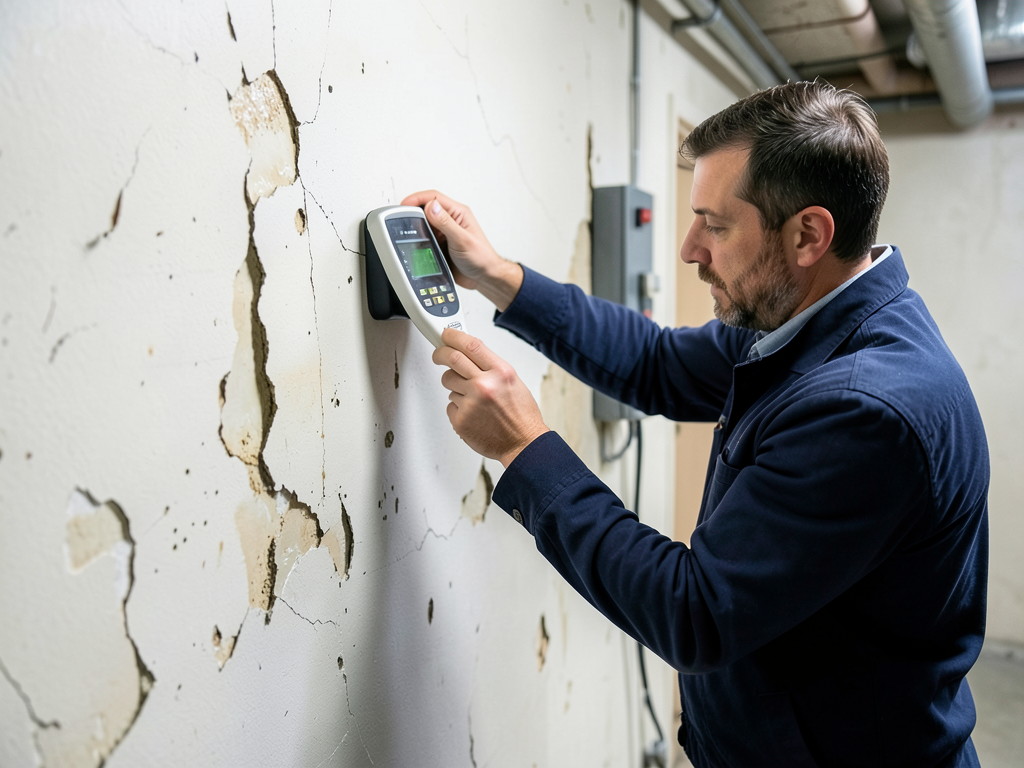
Understanding Actual Cash Value versus Replacement Cost after Water Damage in Your PRP Home When…
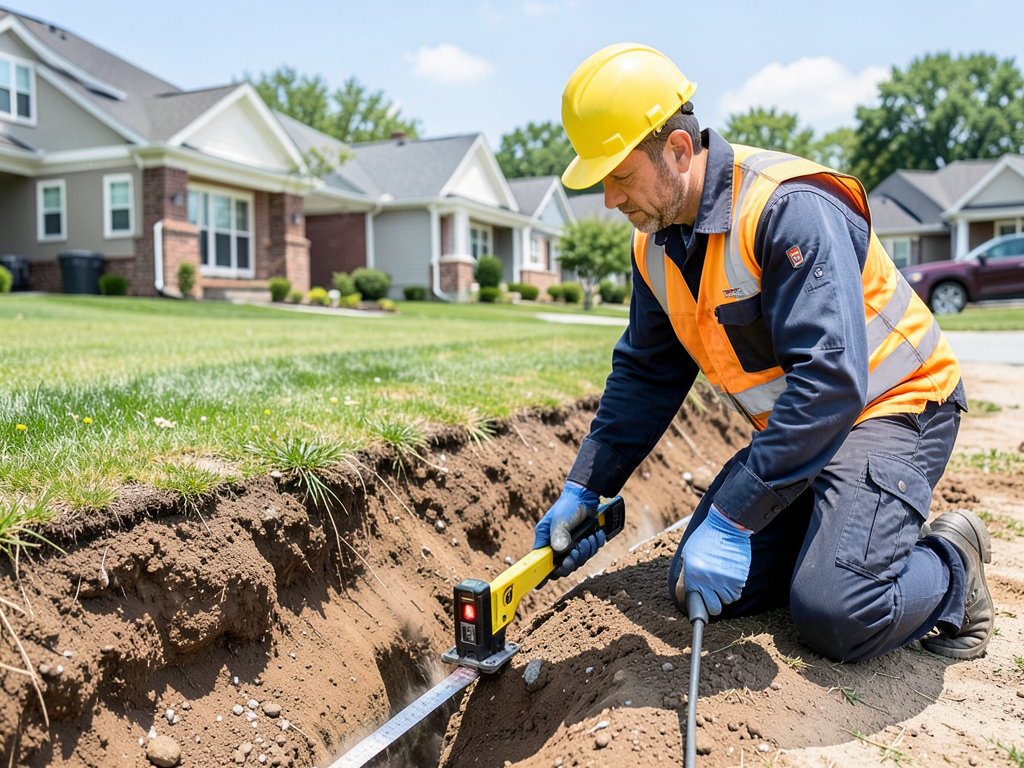
How Foundation Planting and Grading Can Save Your Highview Basement from Flooding Heavy spring rains…
Water damage gets worse every hour you wait. Our crews are standing by 24/7 to respond to your Middletown emergency. Call (502) 370-2711 now for immediate dispatch and stop the damage before it destroys your property.