


Menu

Water Mitigation vs Restoration in Louisville – Understanding the Critical Difference That Saves Your Property

Learn exactly when you need water mitigation versus full restoration in Louisville, and why confusing the two can cost you thousands in preventable damage and insurance complications.

Slider Image 1
Slider Image 2
Slider Image 3
Slider Image 4
Slider Image 5
Slider Image 7
Slider Image 8
Slider Image 9
Slider Image 10
Slider Image 11

Why Louisville Property Owners Misunderstand Water Damage Response

You walk into your Louisville basement after a heavy storm and find standing water. Your first call might be for "water damage restoration," but that term covers two completely different phases of work. This confusion costs property owners in the St. Matthews, Highlands, and Okolona neighborhoods thousands of dollars every year.

The difference between water mitigation and restoration determines your insurance coverage, your out-of-pocket costs, and whether secondary damage like mold takes hold in your structure. Louisville's climate creates specific urgency. Our humid summers mean you have 24 to 48 hours before mold spores activate. Our freeze-thaw cycles in winter create burst pipe scenarios where the clock starts ticking the moment you discover the problem.

Water damage mitigation vs restoration breaks down to timing. Mitigation happens first. It stops the damage from spreading. Restoration happens second. It rebuilds what was destroyed. Most Louisville homeowners skip straight to thinking about reconstruction when they should focus on immediate damage control.

The Ohio River valley's humidity compounds this confusion. Water remediation vs restoration discussions often blur together because our climate makes every water intrusion urgent. You cannot start rebuilding until you complete mitigation. The clay soil common throughout Jefferson County holds moisture against foundations, which means exterior water problems often become interior emergencies faster than in drier regions.

When you call for help, you need a team that understands mitigation vs reconstruction as two distinct phases, each requiring different equipment, different techniques, and different insurance documentation.

Why Louisville Property Owners Misunderstand Water Damage Response
How Professional Water Damage Response Actually Works

How Professional Water Damage Response Actually Works

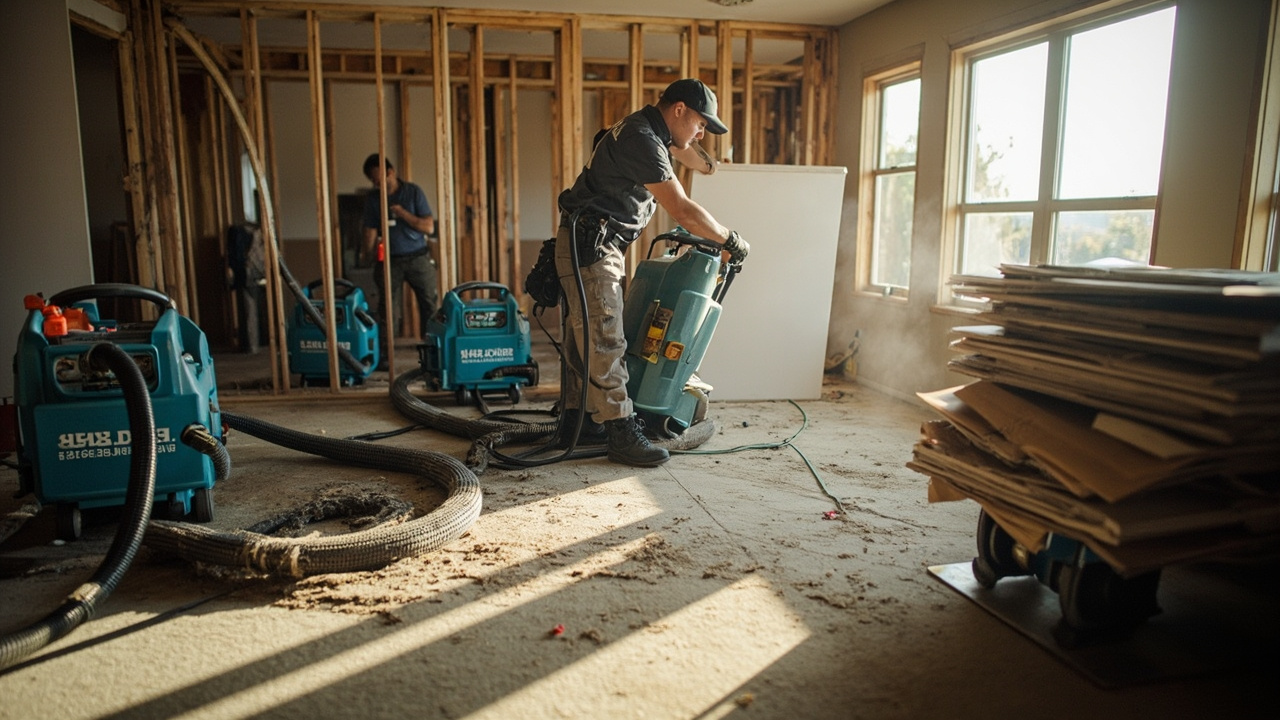
Water cleanup vs water repair represents the clearest way to understand the two-phase approach. Elite Water Damage Restoration Louisville responds to your emergency with mitigation equipment first: truck-mounted extractors, industrial dehumidifiers, air movers, and moisture meters. This is not repair work. This is damage control.

Mitigation targets three goals: remove standing water, extract moisture from porous materials, and create airflow that prevents microbial growth. We document moisture readings in your drywall, subfloor, and framing. These readings dictate when mitigation ends and restoration begins. Insurance adjusters require this documentation to separate the two phases on your claim.

Restoration starts only after we verify your structure meets industry drying standards. This phase includes drywall replacement, flooring installation, trim work, and paint. Different crews. Different timelines. Different skills.

Louisville's historic homes in Old Louisville and Crescent Hill require specialized mitigation approaches. Plaster walls absorb water differently than modern drywall. Hardwood floors over crawl spaces need different extraction methods than slab foundations. We adjust our equipment based on your building's construction, not a one-size-fits-all protocol.

The technical distinction matters for your insurance claim. Mitigation falls under emergency services coverage with minimal deductible application in many policies. Restoration triggers your full deductible and may involve depreciation calculations. We provide separate estimates for each phase so you understand your financial responsibility before work begins.

Most Louisville contractors blur these lines to simplify their sales process, but that approach creates claim denials and coverage gaps that leave you paying for work your policy should cover.

What Happens When You Call for Water Damage Help

Water Mitigation vs Restoration in Louisville – Understanding the Critical Difference That Saves Your Property
01

Emergency Assessment and Extraction

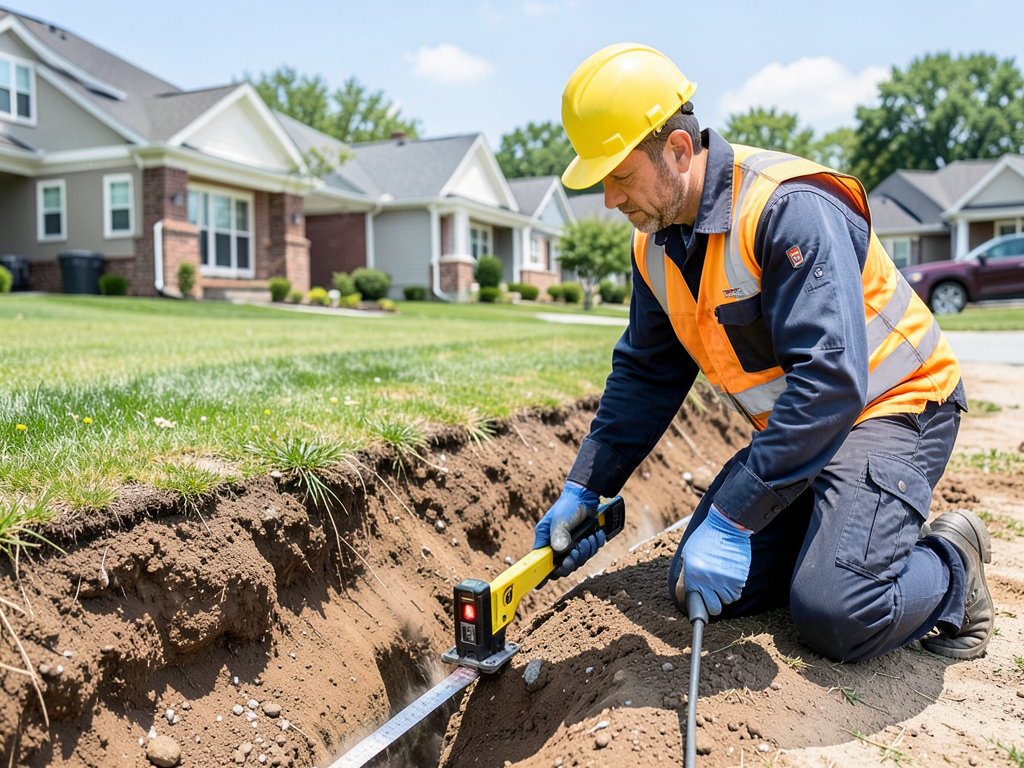
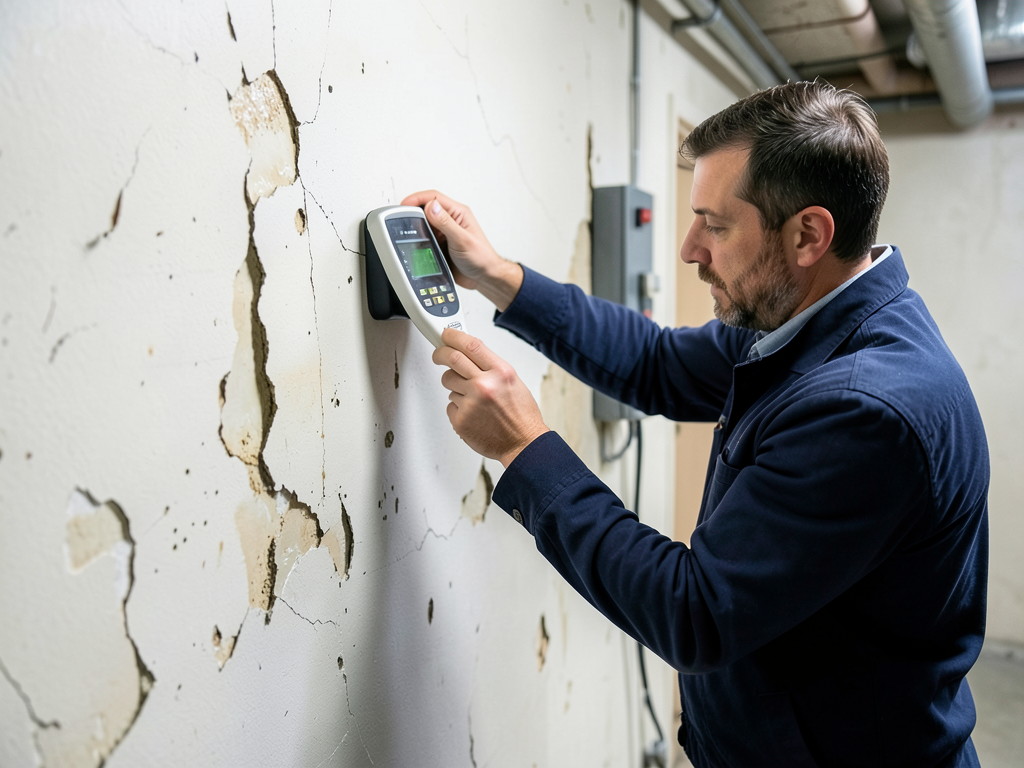
We arrive within hours to evaluate the water source, contamination level, and spread pattern. Our technicians use thermal imaging cameras to locate hidden moisture in cavities and assess which materials need immediate attention. Truck-mounted extractors remove standing water while we document pre-mitigation conditions with photos and moisture readings that protect your insurance claim. This phase addresses the immediate threat.
02

Drying and Monitoring

Industrial dehumidifiers and air movers run continuously while we monitor moisture levels twice daily. Louisville's humidity means we adjust equipment placement as readings change. We target specific moisture content thresholds in wood framing and concrete based on material type. This phase takes three to seven days depending on the extent of saturation. Insurance requires daily logs showing progress toward complete drying before restoration approval.
03

Restoration Planning and Execution

Once moisture readings meet industry standards, we provide a detailed restoration estimate covering all damaged materials. This includes drywall, insulation, flooring, trim, and paint. You review this estimate with your insurance adjuster before we begin reconstruction. Our restoration crews rebuild your space to match existing finishes, working with your adjuster to ensure proper depreciation and recoverable depreciation handling. The goal is returning your property to pre-loss condition.

Why Louisville Property Owners Choose Elite Water Damage Restoration

Louisville's building characteristics require local knowledge that out-of-town franchises lack. Our team understands how water moves through pier and beam foundations common in Germantown. We know which Clifton neighborhood homes have cast iron drain lines prone to failure. We recognize when a Butchertown property's brick foundation is wicking groundwater versus experiencing an acute plumbing failure.

This local expertise changes our mitigation strategy. A ranch home on a concrete slab in Fern Creek needs different drying protocols than a two-story colonial with a basement in Anchorage. We do not run the same equipment configuration on every job. We adjust based on your building's construction, your HVAC system's capabilities, and the outdoor humidity levels the day we start work.

Jefferson County's building codes influence our restoration work. We pull permits when structural drying exposes code violations in older homes. We coordinate with local inspectors who know our work quality. These relationships speed your project timeline and prevent the delays that happen when restoration contractors ignore permitting requirements.

Insurance companies trust our documentation because we separate mitigation and restoration clearly on every estimate. We use Xactimate pricing, which matches what adjusters use, eliminating the back-and-forth negotiations that delay other contractors' projects. Our mitigation certificates include moisture maps, equipment logs, and daily readings that satisfy even the most detail-focused adjusters.

You need a Louisville company that works in this market year-round, not a seasonal operator who disappears when storm season ends. We maintain our equipment fleet locally. Our technicians live in Jefferson County. When you call six months after restoration with a question, we answer. That relationship matters when you face the stress of property damage.

What to Expect During Your Water Damage Response

Response Time and Availability

We answer emergency calls 24 hours a day because water damage does not wait for business hours. You can expect a technician on-site within two to four hours of your call, depending on your location in the Louisville metro. Our trucks carry extraction and drying equipment, so mitigation starts the moment we arrive. We do not schedule a later appointment to bring equipment. Time drives every mitigation decision. The faster we remove water and start drying, the less restoration you need. Weekend and overnight emergencies receive the same response priority as weekday calls. You speak directly with a technician who will be on-site, not a call center operator reading a script.

Initial Evaluation and Scope Documentation

Your first meeting includes a complete assessment of affected areas using moisture meters and thermal cameras. We identify the water source, determine the contamination category, and map the extent of moisture intrusion. You receive a written mitigation plan outlining equipment placement, expected drying time, and daily monitoring schedule. We photograph all affected areas before starting work. This documentation protects your insurance claim and establishes baseline conditions. You will understand which materials we can save through drying and which materials require removal. We answer your questions about the process, insurance coverage, and timeline before any equipment runs. This transparency eliminates surprises during the claim process.

Quality Standards and Final Results

Mitigation concludes when all materials reach industry-standard moisture content levels verified by our meters. We provide a completion certificate with final readings that your insurance company requires before approving restoration. Restoration work matches your existing finishes using comparable materials. We do not upgrade without your approval and insurance agreement. Paint matches are color-matched to existing walls. Flooring transitions blend seamlessly with undamaged areas. Texture matching on ceilings and walls receives the same attention as structural repairs. Our goal is making the damage invisible once restoration completes. You should not be able to identify where water damage occurred after we finish. Quality control inspections happen before we call the job complete.

Post-Restoration Support and Monitoring

We provide moisture readings and drying certificates that remain in your property records for future buyers or insurance underwriting. If you notice any issues within 30 days of completion, we return to evaluate and address concerns at no additional charge. This is not a warranty on materials, which come from manufacturers, but a commitment to proper installation and thorough drying. We also provide guidance on preventing future water damage based on what caused your current situation. This might include recommendations for sump pump installation, grading adjustments, or plumbing upgrades. You receive our direct contact information for questions that arise months after restoration. Our relationship does not end when we collect final payment.

Frequently Asked Questions

You Have Questions,
We Have Answers

What is the difference between water restoration and mitigation? +

Water mitigation is the emergency response that stops water damage from getting worse. You extract standing water, dry affected areas, and prevent mold growth. Mitigation happens first, within 24-48 hours of the incident. Water restoration comes after mitigation. Restoration repairs and rebuilds what the water damaged. You replace drywall, flooring, or structural framing. Mitigation saves what you can. Restoration returns your Louisville home to pre-loss condition. Both processes work together, but mitigation is the critical first step that limits how much restoration you need.

What is the difference between restoration and remediation of water? +

Restoration and remediation address different problems after water damage. Restoration rebuilds and repairs physical damage to your property. You replace subflooring, patch drywall, repaint walls, and restore functional spaces. Remediation treats contamination or hazards that water created. If your Louisville basement flooded with sewage or stagnant water grew mold, remediation removes those health threats using specialized cleaning protocols and antimicrobial treatments. Restoration focuses on construction repair. Remediation focuses on eliminating biological or chemical hazards. Many water damage projects require both processes to make your property safe and functional again.

What is mitigation and restoration? +

Mitigation reduces damage severity immediately after an incident. You stop active leaks, remove standing water, and stabilize the environment to prevent secondary damage like mold or structural weakening. Mitigation happens in the first 24-72 hours. Restoration comes next and rebuilds what was damaged. You repair structural elements, replace materials, and return the property to pre-loss condition. In Louisville, where humidity accelerates mold growth, fast mitigation is critical. Mitigation is emergency damage control. Restoration is the repair process. You need both to fully recover from water damage.

What is included in water mitigation? +

Water mitigation includes emergency water extraction using truck-mounted or portable pumps, moisture detection with infrared cameras and meters, structural drying with industrial air movers and dehumidifiers, and antimicrobial treatment to prevent mold. Technicians remove wet materials like carpet padding or saturated insulation that cannot be saved. They document the damage for insurance claims with photos and moisture readings. In Louisville properties with crawl spaces or basements, mitigation includes checking for standing water in hidden areas. The goal is stopping damage progression and creating dry conditions within 3-5 days.

What is the average cost of water mitigation? +

Water mitigation costs in Louisville range from several hundred dollars for minor incidents to several thousand for major flooding. The price depends on water volume, affected square footage, contamination level, and drying time required. A burst pipe in one bathroom costs less than a flooded basement. Clean water from a supply line is cheaper to address than sewage backup requiring remediation protocols. Most mitigation companies charge for equipment setup, daily equipment rental, labor hours, and antimicrobial treatment. Contact your insurance provider immediately, as most homeowners policies cover mitigation costs for sudden water damage.

What are the 4 types of Mitigation? +

The four types of mitigation in water damage are structural drying, which removes moisture from building materials. Contents drying, which salvages furniture, documents, and personal items. Dehumidification, which pulls moisture from the air to prevent secondary damage. Antimicrobial application, which stops mold and bacteria growth. Louisville properties often need aggressive dehumidification due to regional humidity levels. Each mitigation type uses specific equipment and techniques. Structural drying uses air movers and wall cavity drying systems. Contents drying may include pack-out services. Effective mitigation combines all four approaches based on your specific damage scenario.

Does homeowners insurance cover water restoration? +

Most homeowners insurance covers water restoration if the damage resulted from a sudden, accidental event like a burst pipe, appliance malfunction, or roof leak during a storm. Louisville homeowners typically see coverage for mitigation and restoration costs minus your deductible. Insurance does not cover damage from neglect, gradual leaks you ignored, or flooding from external water sources like the Ohio River. Flood damage requires separate flood insurance. Sewer backup coverage is often an optional endorsement. Review your policy's water damage exclusions. Document everything immediately and contact your insurer within 24 hours of discovery.

Is restoration the same as remediation? +

Restoration and remediation are not the same. Restoration repairs physical damage to your property. You rebuild walls, replace flooring, repaint surfaces, and restore functionality. Remediation eliminates hazards like mold, sewage contamination, or bacterial growth that water created. Remediation uses specialized protocols including containment barriers, HEPA filtration, antimicrobial chemicals, and safe disposal of contaminated materials. A Louisville home with clean water damage needs restoration. The same home with Category 3 water from a sewer backup needs remediation before restoration begins. Remediation addresses health threats. Restoration addresses structural repairs.

What are the 4 types of remediation? +

The four main types of remediation in water damage are microbial remediation, which removes mold and bacteria. Chemical remediation, which neutralizes contaminants in Category 2 or 3 water. Structural remediation, which treats compromised building materials. Contents remediation, which salvages or disposes of affected belongings. In Louisville, where high humidity accelerates microbial growth, remediation often starts within 48 hours of water exposure. Each type follows industry protocols for containment, removal, treatment, and verification. Professional remediation protects your health and prevents contamination from spreading during the restoration process.

What are 5 examples of mitigation? +

Five mitigation examples are extracting standing water with pumps to prevent subfloor saturation. Installing air movers and dehumidifiers to dry structural materials within 72 hours. Removing wet insulation and carpet padding that cannot be salvaged. Applying antimicrobial treatments to wood framing and drywall to stop mold colonization. Creating containment barriers to isolate affected areas and prevent moisture migration. Louisville properties often need crawl space drying and HVAC system checks during mitigation. Each action stops damage progression. Fast mitigation reduces restoration costs and prevents health hazards like mold in Jefferson County's humid climate.

How Louisville's Climate and Building Styles Affect Water Damage Response

Louisville sits in a humid subtropical climate zone where summer dew points regularly exceed 70 degrees. This atmospheric moisture means your structure never fully dries on its own after water intrusion. Mold growth starts faster here than in arid climates. The difference between water mitigation and restoration becomes more critical because delayed mitigation allows fungal colonization that forces complete material removal during restoration. Our location along the Ohio River creates unique humidity challenges in crawl spaces and basements. Historic neighborhoods with pre-1950 construction feature balloon framing and plaster walls that absorb water differently than modern materials. These factors require Louisville-specific mitigation protocols that national companies often miss.

Elite Water Damage Restoration Louisville maintains relationships with local insurance adjusters, building inspectors, and restoration industry groups that improve your project outcomes. We understand Jefferson County's permitting requirements for structural repairs following water damage. Our technicians recognize the difference between water damage restoration in a Highlands shotgun house versus a Prospect subdivision home. This local expertise means proper equipment selection, accurate drying timelines, and restoration estimates that reflect Louisville's labor and material costs. When you choose a company that specializes in this market, you avoid the learning curve that costs out-of-town contractors time and costs you money through extended mitigation periods or improper restoration techniques.

Water Damage Services in The Louisville Area

Elite Water Damage Restoration is proud to serve the entire Louisville metropolitan area and surrounding communities. We are committed to providing top-tier water damage solutions to all residents and businesses in our service region. Feel free to explore our service map to confirm your location is within our coverage area or simply give us a call to discuss your specific needs. Our team is ready to help restore your property with speed and professionalism.

Address:
Elite Water Damage Restoration Louisville, 1000 E Kentucky St., Louisville, KY, 40204

Additional Services We Offer

Our news updates

Latest Articles & News from The Blogs

Why those rubber washing machine hoses are a ticking time bomb for your Fern Creek laundry room Every year thousands…

Why those rubber washing machine hoses are a ticking time bomb for your Fern Creek laundry room

Why those rubber washing machine hoses are a ticking time bomb for your Fern Creek laundry room Every year thousands…

Keeping your pets safe from mold and bacteria after a Louisville basement leak

Keeping Your Pets Safe from Mold and Bacteria After a Louisville Basement Leak A basement leak in Louisville creates immediate…

What to do in the first hour after finding a flood in your J-town home

What to do in the first hour after finding a flood in your J-town home Finding water pouring into your…

Contact Us

Water damage worsens every hour you wait. Call Elite Water Damage Restoration Louisville at (502) 370-2711 for immediate assessment and mitigation. We respond 24/7 to stop damage before it spreads through your property.