




Menu

Burst Pipe Water Damage in Louisville – Expert Restoration When Every Minute Counts

Elite Water Damage Restoration Louisville delivers rapid-response burst pipe water cleanup across the metro, stopping flooding fast and preventing structural damage before it spreads through your property.

Slider Image 1
Slider Image 2
Slider Image 3
Slider Image 4
Slider Image 5
Slider Image 7
Slider Image 8
Slider Image 9
Slider Image 10
Slider Image 11

Why Burst Pipes Cause Catastrophic Damage in Louisville Homes

A ruptured pipe water damage event in Louisville is not just about the water you see. It is about what is happening behind your drywall, under your floors, and inside your insulation.

Louisville's climate swings create unique risks. Winter freeze-thaw cycles stress aging copper pipes in pre-1980s homes throughout the Highlands and Crescent Hill. When temperatures drop below 20 degrees for extended periods, then spike back to 50 degrees within 48 hours, pipes expand and contract. The weakest point gives out. You wake up to burst pipe flooding in your basement or crawl space.

Summer humidity compounds the problem. Louisville sits at the intersection of hot, humid air masses moving up from the Gulf and cooler air sliding down from the Great Lakes. Indoor condensation forms on cold water lines. Over years, this moisture corrodes galvanized steel pipes common in homes built before 1960. The corrosion thins the pipe wall. Water pressure does the rest.

The geology matters too. Louisville sits on karst limestone bedrock. When a pipe bursts in your basement, water does not just pool on the surface. It seeps into microfractures in your foundation, migrating laterally through porous limestone. You might see water damage from burst pipe in one corner of your basement, but the moisture has already traveled 15 feet through your foundation wall.

Broken pipe water damage also triggers secondary problems. Wet insulation loses R-value. Drywall wicks moisture vertically through capillary action. Wood framing begins microbial growth within 48 hours. The initial water event is just the start. The real damage happens in the days after if you do not extract, dry, and dehumidify correctly.

Why Burst Pipes Cause Catastrophic Damage in Louisville Homes
How We Stop Burst Pipe Water Damage from Becoming Structural Disaster

How We Stop Burst Pipe Water Damage from Becoming Structural Disaster

Elite Water Damage Restoration Louisville does not just remove standing water. We reverse the moisture migration that is already happening inside your building envelope.

When we arrive on-site for burst pipe water cleanup, our first action is thermal imaging. We use FLIR infrared cameras to map the moisture intrusion pattern. You cannot see water inside a wall cavity, but thermal imaging reveals temperature differentials caused by evaporative cooling. This tells us exactly where the water traveled after the pipe burst. We document this with photos that insurance adjusters accept as proof of loss.

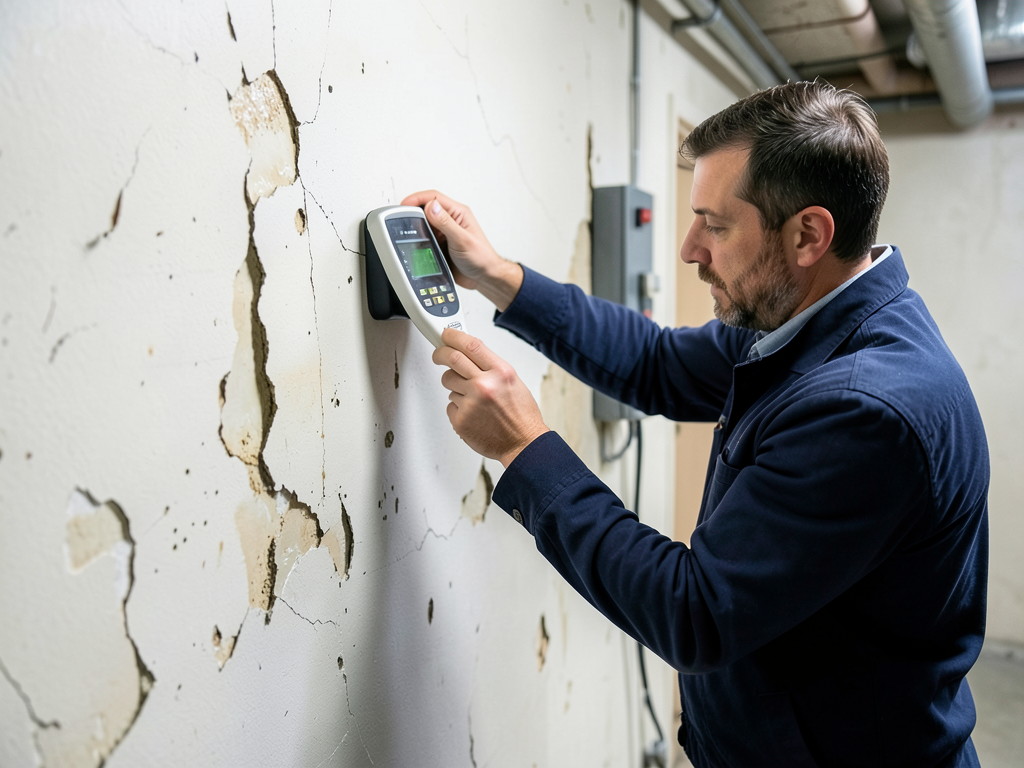
Next, we measure moisture content using penetrating and non-penetrating meters. We test drywall, framing lumber, subfloors, and insulation. We record baseline readings room by room. This creates a data map that guides our drying strategy and proves to your insurance company that mitigation was necessary.

Our extraction process uses truck-mounted pumps capable of removing 300 gallons per minute. For burst pipe flooding in finished basements, we pull back carpet and pad within the first two hours. Carpet pad is a sponge. If it sits wet for more than four hours, the tack strips rust and the subfloor delaminates. We extract the pad, then pull moisture from the subfloor using injection drying techniques.

We do not rely on air movers alone. Louisville's humidity means slow evaporation. We deploy commercial-grade dehumidifiers that remove 16 gallons of moisture per day. We create negative air pressure to force humid air out of wall cavities. We monitor daily with hygrometers until all affected materials return to dry standard (less than 15 percent moisture content for wood framing, less than 1 percent for drywall).

We also address contamination. If the ruptured pipe water damage involved a drain line or sewer backup, we treat all affected surfaces with EPA-registered antimicrobials. We remove porous materials that cannot be disinfected.

What Happens During Emergency Burst Pipe Restoration

Burst Pipe Water Damage in Louisville – Expert Restoration When Every Minute Counts
01

Immediate Water Shutoff

We locate and isolate the water source within minutes of arrival. If the main shutoff valve is corroded or inaccessible, we use pipe clamps or compression fittings to stop the flow at the break point. Our trucks carry emergency repair kits for copper, PEX, and galvanized steel. We stop the flooding first, then assess the damage footprint. Every gallon we prevent from entering your home reduces drying time and saves structural materials.
02

Strategic Water Extraction

We extract standing water using submersible pumps and weighted wands that pull moisture from carpet and pad. For water damage from burst pipe that has migrated into wall cavities, we drill small weep holes at the base of drywall to drain trapped water. We remove baseboards to access the wall-to-floor junction where water accumulates. In crawl spaces, we pump out standing water and remove wet insulation that will never dry properly.
03

Controlled Structural Drying

We position air movers and dehumidifiers based on psychrometric calculations specific to your property. We monitor temperature, relative humidity, and dew point hourly. Drying is not complete when surfaces feel dry. We use moisture meters to confirm that framing lumber, subfloors, and drywall have returned to acceptable moisture levels. We document the entire drying process with daily logs that satisfy insurance requirements and protect you from future mold liability.

Why Louisville Property Owners Trust Elite Water Damage Restoration

We know Louisville buildings because we work in them every day. We understand the construction methods that were standard in different eras. Homes in Old Louisville have plaster walls on wood lath. These walls hold moisture differently than modern drywall. We adjust our drying protocols accordingly. We do not remove plaster unless it has delaminated from the lath. We dry it in place using indirect heat and controlled air movement.

We also know the plumbing systems common to each neighborhood. Homes in St. Matthews and Middletown built in the 1970s often have polybutylene pipes. These gray plastic pipes were installed in thousands of Louisville homes between 1978 and 1995. They are prone to sudden failure. If we find polybutylene during burst pipe water cleanup, we document it and recommend full replacement before you experience another failure.

Our familiarity with Louisville's municipal water pressure matters too. The Louisville Water Company maintains higher-than-average water pressure in some zones to serve elevated areas like Anchorage and Prospect. High pressure accelerates pipe wear. If you experienced broken pipe water damage in these areas, we check the pressure at your main and recommend a pressure-reducing valve if it exceeds 80 PSI.

We work directly with your insurance company. We know what documentation Louisville adjusters require. We photograph the damage before we touch anything. We inventory all affected contents. We provide detailed estimates that separate emergency mitigation from reconstruction. We do not inflate scope to pad the claim. We document actual damage and necessary repairs using Xactimate software that adjusters recognize as industry standard.

We also coordinate with local plumbers who can make permanent repairs once we complete drying. We do not hold your property hostage. We complete mitigation, verify dryness, and hand off to your chosen contractor or plumber for final repairs.

What You Can Expect During Burst Pipe Restoration

Rapid Emergency Response

We answer calls 24 hours a day. When you call about burst pipe flooding, you speak with a technician who can dispatch immediately, not an answering service. Our average response time to Louisville metro addresses is under 90 minutes. For overnight emergencies, we arrive with truck-mounted extraction equipment and enough dehumidifiers to start the drying process immediately. You do not wait until morning. We begin damage mitigation the moment we arrive. Fast response prevents secondary damage and reduces overall restoration costs.

Detailed Damage Assessment

We walk through your property with thermal imaging cameras and moisture meters before we start work. We explain exactly what we find and why specific materials must be removed or dried in place. We show you the moisture readings on affected framing and subfloors. We photograph everything for documentation. You receive a written scope of work that outlines the mitigation plan, estimated drying time, and what to expect during the process. We answer questions clearly without using jargon designed to confuse or upsell.

Complete Structural Drying

You receive a property that is verified dry, not just one that looks dry. We do not pull equipment prematurely to move to the next job. We monitor daily until moisture readings in all affected materials meet IICRC S500 dry standards. We leave dehumidifiers running until hardwood floors, wall cavities, and insulation register dry on our meters. We provide you with a certificate of drying completion that documents final moisture levels. This protects you if moisture-related issues appear later and gives your insurance company proof that mitigation was completed properly.

Post-Restoration Follow-Up

We do not disappear after the equipment comes out. We schedule a follow-up inspection 72 hours after drying completion to verify that no moisture has returned. If you are proceeding with reconstruction, we coordinate with your contractor to ensure they understand what was dried and what needs replacement. We keep all documentation on file for one year in case your insurance company or mortgage lender requires verification. If you notice musty odors or other concerns in the weeks after restoration, you can call us for a re-inspection at no charge.

Frequently Asked Questions

You Have Questions,
We Have Answers

Will insurance cover water damage from burst pipe? +

Most homeowners insurance policies cover sudden and accidental water damage from burst pipes. This includes structural damage and personal property loss. Coverage typically applies if you maintained heat in the home and took reasonable precautions. If the pipe burst due to neglect or lack of maintenance, your claim may be denied. Review your specific policy for exclusions and limits. Document everything immediately with photos and videos. Contact your insurance adjuster within 24 hours. In Louisville, freeze-thaw cycles create unique claim scenarios, so prompt reporting and professional documentation matter.

How many hours below freezing to freeze pipes? +

Pipes can freeze in as little as 6 hours when temperatures drop to 20 degrees Fahrenheit or below. Exposed pipes in unheated crawl spaces, attics, or exterior walls freeze faster. Louisville experiences sudden temperature swings, especially in January and February, which catch homeowners off guard. Wind chill accelerates freezing. Pipes in older homes with poor insulation face higher risk. The freeze point depends on pipe location, insulation quality, and water flow. Standing water freezes quicker than moving water. Even brief cold snaps below 20 degrees warrant protective action.

Who is responsible for burst water pipes? +

Homeowners are responsible for burst pipes within their property boundaries. This includes all plumbing inside walls, under slabs, and in crawl spaces. The water utility owns the main line up to your meter. If the burst occurs between the street and your home, responsibility depends on local ordinances. In multi-unit buildings, landlords typically handle plumbing failures unless tenant negligence caused the burst. Renters should immediately notify property management. For Louisville homes with aging infrastructure, maintenance records help determine liability. Your insurance policy defines coverage limits regardless of fault.

What to do immediately after a pipe bursts? +

Shut off the main water valve immediately. It sits near your water meter or where the main line enters your home. Move furniture and valuables away from standing water. Turn off electricity to affected areas if water contacts outlets or appliances. Call a licensed plumber to repair the pipe. Contact a water damage restoration company within 1 hour to prevent mold growth. Document everything with photos and videos for insurance. Do not delay. In Louisville's humid climate, mold colonies establish within 24 to 48 hours after water exposure.

What is the average insurance payout for water damage? +

The average insurance payout for water damage ranges from $2,000 to $15,000, but payouts vary widely based on damage extent, policy limits, and deductibles. Basement flooding or multi-story damage pushes costs higher. Your payout depends on structural repairs, content replacement, and temporary living expenses if needed. Insurance adjusters assess actual cash value versus replacement cost. Many Louisville homeowners underestimate secondary damage like hidden wall cavities and subfloor saturation. Professional documentation and detailed estimates strengthen your claim. Mitigation costs like emergency water extraction are typically reimbursable.

Do insurance companies pay out for burst pipes? +

Yes, insurance companies pay for burst pipe damage if the policy covers sudden and accidental water loss. You must prove you took reasonable steps to prevent freezing, such as maintaining heat or dripping faucets during cold snaps. Claims get denied for neglect, gradual leaks, or vacation home policies without proper winterization. Submit your claim immediately with detailed documentation. In Louisville, insurance adjusters see frequent freeze-related claims during winter. Professional restoration invoices and moisture readings provide evidence insurers need. Your deductible applies, and payout depends on coverage limits and policy type.

At what temperature should I drip my faucets? +

Set your thermostat to at least 55 degrees Fahrenheit when away from home. Begin dripping faucets when Louisville temperatures drop to 20 degrees or below. Open cabinet doors under sinks to allow warm air circulation around pipes. A pencil-thin stream prevents pressure buildup and keeps water moving through vulnerable pipes. Focus on faucets connected to exterior walls or unheated spaces. Both hot and cold lines should drip. The minimal water cost outweighs potential burst pipe damage. Louisville residents should monitor forecasts closely during January and February cold snaps.

What are signs of pipe damage after freezing? +

Watch for reduced water pressure, which signals partial blockage from ice expansion. Discolored or metallic-tasting water indicates internal pipe corrosion after freezing. Visible frost on exposed pipes means ice formation occurred. Listen for unusual clanking or banging when turning on faucets. Check for moisture stains on ceilings and walls. Warped drywall or bubbling paint suggests hidden leaks. Foul odors point to trapped moisture. In Louisville homes with crawl spaces, inspect for standing water or damp insulation. Even small cracks worsen over time, so schedule a plumber inspection after hard freezes.

What type of pipes burst most easily? +

Copper pipes burst more easily than PEX or CPVC because copper is rigid and cannot expand. Pipes in uninsulated exterior walls, attics, and crawl spaces face the highest risk. Supply lines under pressure burst more violently than drain lines. Older galvanized steel pipes corrode internally, weakening structural integrity. In Louisville, many older homes still have copper supply lines in vulnerable locations. PEX flexible piping handles freeze-thaw cycles better. Pipe diameter matters too. Smaller half-inch lines freeze faster than three-quarter-inch lines. Location and insulation quality matter more than material alone.

How much does a plumber cost to fix a burst pipe? +

Plumbers in Louisville charge $150 to $450 for burst pipe repairs, depending on pipe location, material, and access difficulty. Simple exposed pipe fixes cost less than cutting into walls or ceilings. Emergency after-hours service adds premium fees. Replacing galvanized pipes with copper or PEX increases costs. This estimate covers only the plumbing repair, not water damage restoration. Drywall repair, flooring replacement, and mold remediation are separate expenses. Always get written estimates from licensed plumbers. Insurance may cover repair costs if the burst qualifies as sudden and accidental damage.

How Louisville's Freeze-Thaw Cycles Increase Burst Pipe Risk

Louisville experiences an average of 25 freeze-thaw cycles each winter. Temperatures drop below freezing overnight, then climb above 40 degrees during the day. This repeated expansion and contraction stresses older plumbing systems, particularly in homes built before copper pipe became standard. The Ohio River Valley humidity adds another layer of risk. Condensation forms on cold pipes in unheated crawl spaces and attics. Over time, this moisture corrodes joints and fittings. When pressure spikes during morning showers or dishwasher cycles, the weakest connection fails. The result is ruptured pipe water damage that floods basements and crawl spaces within minutes.

Elite Water Damage Restoration Louisville maintains relationships with local plumbers and insurance adjusters throughout Jefferson County. We understand Louisville Water Company pressure zones and how they affect pipe longevity in different neighborhoods. We know which subdivisions have clay soil that causes foundation shifting and pipe stress. We document damage using methods that Louisville adjusters recognize and accept. This local knowledge speeds your claim approval and gets restoration moving faster. National franchises send technicians who do not know Old Louisville from Germantown. We know your neighborhood because we work here every day.

Water Damage Services in The Louisville Area

Elite Water Damage Restoration is proud to serve the entire Louisville metropolitan area and surrounding communities. We are committed to providing top-tier water damage solutions to all residents and businesses in our service region. Feel free to explore our service map to confirm your location is within our coverage area or simply give us a call to discuss your specific needs. Our team is ready to help restore your property with speed and professionalism.

Address:
Elite Water Damage Restoration Louisville, 1000 E Kentucky St., Louisville, KY, 40204

Additional Services We Offer

Our news updates

Latest Articles & News from The Blogs

Why those rubber washing machine hoses are a ticking time bomb for your Fern Creek laundry room Every year thousands…

Why those rubber washing machine hoses are a ticking time bomb for your Fern Creek laundry room

Why those rubber washing machine hoses are a ticking time bomb for your Fern Creek laundry room Every year thousands…

Keeping your pets safe from mold and bacteria after a Louisville basement leak

Keeping Your Pets Safe from Mold and Bacteria After a Louisville Basement Leak A basement leak in Louisville creates immediate…

What to do in the first hour after finding a flood in your J-town home

What to do in the first hour after finding a flood in your J-town home Finding water pouring into your…

Contact Us

Broken pipe water damage spreads fast. Call Elite Water Damage Restoration Louisville now at (502) 370-2711. We answer 24/7 and dispatch immediately to stop flooding and start drying your property before structural damage sets in.