



Menu

Allergic Reactions in Home in Louisville – Fast Mold Detection and Water Damage Remediation

Elite Water Damage Restoration Louisville identifies hidden water damage allergy triggers and household mold allergies at their source, stopping indoor mold symptoms before they compromise your family's health.

Slider Image 1
Slider Image 2
Slider Image 3
Slider Image 4
Slider Image 5
Slider Image 7
Slider Image 8
Slider Image 9
Slider Image 10
Slider Image 11

Why Louisville Homes Trigger More Allergic Reactions Than You Think

You wake up congested. Your kids rub their eyes all morning. Someone in your house has developed a persistent cough that won't quit. You blame pollen or seasonal allergies, but the real culprit is hiding in your walls, crawlspace, or attic.

Louisville's humid subtropical climate creates a perfect breeding ground for household mold allergies. Summer humidity routinely tops 70 percent, and our proximity to the Ohio River means moisture does not just pass through. It lingers. When that moisture meets poor ventilation in older homes or settles into basements after spring flooding, you get water damage allergy triggers that activate year-round.

Indoor mold symptoms often mimic seasonal allergies, which is why so many families ignore them. Sneezing, itchy eyes, throat irritation, and breathing difficulties get chalked up to ragweed or tree pollen. But if symptoms persist indoors, especially in basements or bathrooms, you are dealing with mold exposure symptoms caused by hidden water intrusion.

Mildew allergic reactions start small. A musty smell in the laundry room. Discoloration on drywall. Peeling paint near windows. These are not cosmetic issues. They signal active moisture problems feeding mold colonies behind surfaces you cannot see. In Louisville's older housing stock, particularly in neighborhoods like Old Louisville or Germantown, outdated plumbing and poor crawlspace ventilation compound the problem.

Water damage does not announce itself with a flood. Most of the time, it creeps in through roof leaks, foundation cracks, or condensation around HVAC systems. By the time you notice allergic reactions in your home, mold has been growing for weeks or months.

Why Louisville Homes Trigger More Allergic Reactions Than You Think
How We Eliminate Water Damage Allergy Triggers at the Source

How We Eliminate Water Damage Allergy Triggers at the Source

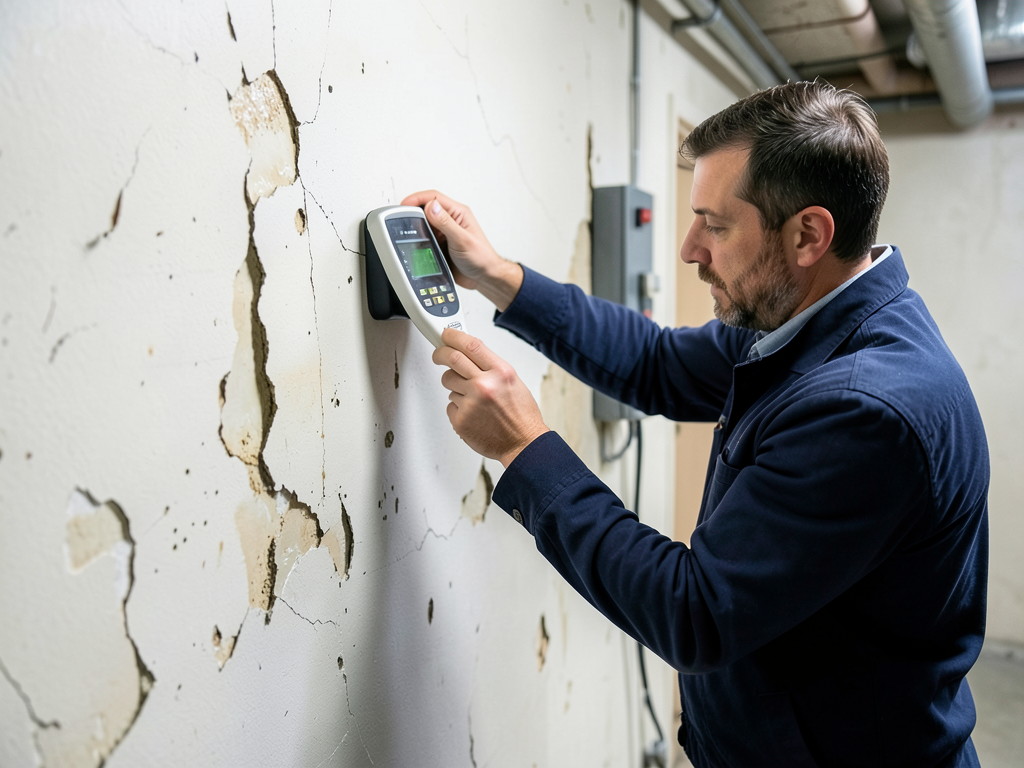
Cleaning visible mold does not fix the problem. You have to stop the moisture feeding it, remove contaminated materials, and treat affected areas with antimicrobial solutions that prevent regrowth. Elite Water Damage Restoration Louisville uses thermal imaging cameras and moisture meters to find hidden water intrusion that standard inspections miss.

We start with a full moisture mapping of your home. This identifies active leaks, condensation zones, and areas with elevated humidity levels above 60 percent. We check behind baseboards, inside wall cavities, under flooring, and in attic insulation. Most household mold allergies stem from water damage in places you never look.

Once we locate the moisture source, we address it immediately. That might mean sealing foundation cracks, repairing roof penetrations, or rerouting drainage away from your home's perimeter. Stopping the water stops the mold. Then we remove affected materials. Drywall, insulation, and subflooring that has been saturated cannot be saved. We extract it, bag it, and dispose of it properly to prevent cross-contamination.

After removal, we treat all affected surfaces with EPA-registered antimicrobial agents. These solutions kill mold spores on contact and create a residual barrier against regrowth. We also use HEPA-filtered air scrubbers during remediation to capture airborne spores that trigger mildew allergic reactions. This prevents spores from spreading to unaffected areas of your home.

Finally, we dry the structure completely using commercial dehumidifiers and air movers. We monitor moisture levels daily until all materials reach equilibrium, typically 48 to 72 hours. If your crawlspace or basement shows chronic humidity issues, we install vapor barriers and recommend encapsulation to prevent future mold exposure symptoms.

What Happens During Your Mold and Water Damage Assessment

Allergic Reactions in Home in Louisville – Fast Mold Detection and Water Damage Remediation
01

Moisture Detection and Mapping

We use infrared thermal imaging and pin-type moisture meters to scan your home for hidden water intrusion. This non-invasive testing identifies problem areas behind walls, under floors, and in ceiling cavities without demolition. We document moisture levels in every affected zone and photograph thermal anomalies that indicate active leaks or condensation buildup. This data drives our remediation strategy.
02

Containment and Safe Removal

We isolate the work area using plastic sheeting and negative air pressure to prevent mold spores from migrating. All contaminated materials are removed, bagged in 6-mil polyethylene, and disposed of according to EPA guidelines. We treat structural elements like studs and joists with antimicrobial solutions, then verify clearance using air quality testing. HEPA filtration runs continuously during this phase to capture airborne particulates.
03

Structural Drying and Prevention

We deploy commercial-grade dehumidifiers and air movers to dry affected areas to industry standards, monitoring daily until moisture content drops below 15 percent. Once drying is complete, we apply encapsulants to wood framing and recommend long-term moisture control solutions like crawlspace encapsulation or improved ventilation. You receive a full moisture map and remediation report documenting pre- and post-treatment conditions.

Why Louisville Families Trust Elite Water Damage Restoration

Most restoration companies treat the symptom. We fix the cause. That distinction matters in Louisville, where high humidity and aging housing stock create recurring mold problems. If you only remove visible mold without addressing the water source, you will see regrowth within months.

We have worked in every type of structure Louisville offers. Shotgun houses in Germantown with raised crawlspaces. Brick colonials in St. Matthews with finished basements. Mid-century ranches in Highview with slab-on-grade foundations. Each building type has specific vulnerabilities. Older homes often lack vapor barriers. Newer construction sometimes has improperly installed housewrap that traps moisture in wall cavities. We know what to look for because we have seen it hundreds of times.

Our team understands Louisville's seasonal moisture patterns. Spring flooding along Beargrass Creek and the Ohio River can saturate crawlspaces and basements. Summer humidity drives condensation in poorly ventilated attics. Fall temperature swings create dew point conditions inside exterior walls. These are not random problems. They follow predictable cycles, and we know how to interrupt them.

We also know local building practices. Many Louisville homes were built before modern moisture management standards. That means missing flashing around chimneys, inadequate crawlspace ventilation, and outdated plumbing that leaks slowly for years before failing catastrophically. When we assess your home, we are not just looking at the immediate problem. We are identifying the systemic issues that allowed mold to take hold in the first place.

You get transparency throughout the process. We explain what we find, why it happened, and what it takes to fix it permanently. No upselling. No scare tactics. Just straightforward answers from technicians who have spent years solving water damage problems in Louisville homes.

What to Expect When You Call Elite Water Damage Restoration Louisville

Same-Day Response for Urgent Cases

We prioritize calls involving active water intrusion or severe allergic reactions. If you have a visible leak, wet drywall, or family members experiencing respiratory distress, we dispatch a team within hours. For non-emergency assessments, we schedule appointments within 24 to 48 hours. Our trucks carry moisture detection equipment, containment supplies, and initial remediation tools so we can start work immediately if conditions require it. You do not wait days while mold continues to grow.

Thorough Moisture and Mold Inspection

Your assessment includes thermal imaging, moisture mapping, and visual inspection of all accessible areas. We check attics, crawlspaces, basements, bathrooms, and exterior grading. We document findings with photos and moisture readings, then provide a written scope of work detailing what needs to be addressed. If air quality testing is necessary to confirm mold species or spore concentration, we coordinate with third-party labs. You receive a full report outlining the problem, the recommended solution, and an estimated timeline.

Complete Remediation and Structural Drying

Remediation timelines depend on the extent of contamination and the size of the affected area. Small bathroom mold jobs take one to two days. Whole-house water damage can take a week or more. We remove all compromised materials, treat structural elements, and dry the space to industry standards. You get daily updates on moisture levels and drying progress. Once remediation is complete, we verify clearance with final moisture readings and provide documentation for insurance claims if needed.

Prevention Recommendations and Follow-Up

After remediation, we identify the changes needed to prevent recurrence. That might include installing a sump pump, improving attic ventilation, or encapsulating your crawlspace with a vapor barrier. We do not push unnecessary upgrades, but we will tell you what conditions led to the mold growth and what you can do to stop it from happening again. We also offer follow-up inspections three to six months after remediation to confirm moisture levels remain stable and no regrowth has occurred.

Frequently Asked Questions

You Have Questions,
We Have Answers

What in my house is giving me allergies? +

Common culprits include dust mites in bedding and carpets, mold spores from Louisville's high humidity, pet dander, cockroach droppings, and pollen tracked indoors. Water damage in basements or crawl spaces creates mold growth that spreads allergens through your HVAC system. Louisville's clay soil and seasonal flooding increase moisture intrusion, making mold a persistent problem. Check behind refrigerators, under sinks, in attics, and around windows for hidden mold. Your furnace filter may also be circulating dust and allergens if not changed regularly. Indoor air quality testing can pinpoint specific triggers affecting your respiratory system.

How do I find out what I'm allergic to in my house? +

Start by scheduling an allergy test with your doctor. Skin prick tests or blood work identify specific allergens. At home, remove potential triggers one at a time. Wash bedding in hot water weekly to eliminate dust mites. Remove carpeting or vacuum with HEPA filters. Check for visible mold in bathrooms, basements, and around windows. Louisville's humidity often causes hidden mold behind drywall or in HVAC ducts. Run a dehumidifier to keep indoor humidity below 50 percent. If symptoms improve after removing a specific item or cleaning an area, you have found your trigger.

How do you treat an allergy cough? +

Allergy coughs respond to antihistamines, which block histamine release causing throat irritation. Use saline nasal rinses to flush allergens from nasal passages before they drip down your throat. Run a humidifier if Louisville's winter heating dries out your airways, but keep humidity below 50 percent to prevent mold. Avoid dairy, which thickens mucus. Drink warm water with honey to soothe throat inflammation. If mold triggers your cough, professional remediation may be necessary. Persistent coughs lasting beyond two weeks need medical evaluation to rule out infections or respiratory conditions.

Why am I having allergic reactions all of a sudden? +

Sudden allergic reactions often indicate new allergen exposure or increased sensitivity. Water damage from Louisville's recent storms may have introduced mold into your walls or HVAC system. Seasonal pollen counts spike in spring and fall, overwhelming your immune system. Your furnace may be circulating dust after sitting unused. New furniture, carpets, or cleaning products release volatile organic compounds that trigger reactions. Stress, illness, or hormonal changes can lower your allergy threshold. Check for roof leaks, basement moisture, or plumbing issues that create mold growth. Professional water damage inspection identifies hidden sources affecting your indoor air quality.

What is causing my allergies to flare up in my house so bad I can't breathe? +

Severe reactions causing breathing difficulty indicate high allergen concentration or mold exposure. Louisville's humidity creates ideal conditions for mold growth in basements, crawl spaces, and behind walls. Check for musty odors, visible mold, or water stains indicating active moisture problems. Your HVAC system may be spreading mold spores throughout your home. Dust mite populations explode in humid environments. Cockroach infestations release potent allergens through droppings. This requires immediate professional assessment. Water damage restoration professionals can locate hidden moisture sources, remove mold safely, and restore healthy indoor air quality. Do not ignore breathing difficulties.

How to identify indoor allergies? +

Track when symptoms worsen. If you sneeze more at home than outside, you have indoor allergies. Morning symptoms point to dust mites in bedding. Symptoms in specific rooms indicate localized mold or pet dander. Louisville's seasonal allergies peak in spring and fall, but year-round symptoms suggest indoor triggers. Notice if symptoms improve after vacuuming, which stirs up allergens. Check for nasal congestion, itchy eyes, throat irritation, or skin rashes. Musty smells indicate mold growth from water damage. Professional indoor air quality testing measures allergen levels and identifies specific triggers affecting your respiratory health.

Can I test my house for allergies? +

Yes. Professional indoor air quality testing measures mold spores, dust mites, pet dander, and volatile organic compounds. DIY mold test kits from hardware stores provide basic screening but lack accuracy. Professional testing uses air sampling and surface swabs to identify specific allergen types and concentrations. Louisville's high humidity makes mold testing critical after water damage or flooding. Moisture meters detect hidden water intrusion behind walls. HVAC inspection reveals whether your ductwork circulates allergens. Testing provides data to guide remediation efforts and verify cleanup success. Insurance may cover testing costs related to water damage claims.

Do air purifiers help with allergies? +

Air purifiers with HEPA filters remove 99.97 percent of airborne particles including dust, pollen, pet dander, and mold spores. They improve air quality but do not address moisture problems causing mold growth. In Louisville's humid climate, combine purifiers with dehumidifiers to prevent mold reproduction. Place purifiers in bedrooms where you spend most time. Change filters regularly for effectiveness. Purifiers cannot remove allergens embedded in carpets, bedding, or furniture. They work best alongside source removal. Professional water damage restoration addresses underlying moisture issues that air purifiers cannot fix. Consider whole-house filtration systems for comprehensive coverage.

Can you have an allergic reaction to something in the air? +

Absolutely. Airborne allergens include mold spores, pollen, dust mites, pet dander, and volatile organic compounds from cleaning products or building materials. Louisville's humidity allows mold spores to remain airborne longer, triggering respiratory reactions. Your HVAC system circulates these allergens throughout your home. Symptoms include sneezing, congestion, itchy eyes, and breathing difficulty. Water damage creates concentrated mold spore release into the air. Some people react to formaldehyde from pressed wood furniture or carpeting. Professional air quality testing identifies specific airborne triggers. HEPA filtration and moisture control reduce airborne allergen concentrations effectively.

How to tell if it's an allergy cough? +

Allergy coughs are dry, persistent, and triggered by postnasal drip. They worsen at night when lying down allows mucus to drain into your throat. You will notice throat tickling rather than chest congestion. Allergy coughs come with sneezing, itchy eyes, or nasal congestion. They improve with antihistamines but not cough suppressants. Infection coughs produce colored mucus and come with fever or body aches. Louisville's seasonal pollen spikes and indoor mold growth commonly trigger allergy coughs. If your cough persists beyond three weeks or worsens despite treatment, see a doctor to rule out infections or respiratory conditions.

How Louisville's Climate and Housing Stock Fuel Indoor Mold Allergies

Louisville sits in a humidity bowl. The Ohio River to the north and prevailing southwesterly winds create moisture loads that rarely drop below 60 percent during summer months. When outdoor humidity combines with poor ventilation in older homes, indoor relative humidity climbs above the 55 percent threshold where mold thrives. Basements in neighborhoods like Crescent Hill and Clifton often show chronic condensation on foundation walls because they were built before modern waterproofing standards. Crawlspaces in Jeffersontown and Middletown lack vapor barriers entirely, allowing ground moisture to evaporate directly into floor joists and subflooring. These are not design flaws you can ignore. They directly cause water damage allergy triggers that affect your family every day.

Elite Water Damage Restoration Louisville has worked in this market long enough to recognize patterns other companies miss. We know which HVAC configurations cause condensation in ductwork. We know how Louisville's clay soil shifts during freeze-thaw cycles and cracks foundation walls. We know the common roof penetration failures in older homes with asphalt shingle roofs. This local knowledge means faster diagnosis and more effective solutions. When you call a national chain, you get a technician reading from a manual. When you call us, you get a team that understands how Louisville homes fail and how to fix them permanently.

Water Damage Services in The Louisville Area

Elite Water Damage Restoration is proud to serve the entire Louisville metropolitan area and surrounding communities. We are committed to providing top-tier water damage solutions to all residents and businesses in our service region. Feel free to explore our service map to confirm your location is within our coverage area or simply give us a call to discuss your specific needs. Our team is ready to help restore your property with speed and professionalism.

Address:
Elite Water Damage Restoration Louisville, 1000 E Kentucky St., Louisville, KY, 40204

Additional Services We Offer

Our news updates

Latest Articles & News from The Blogs

Why those rubber washing machine hoses are a ticking time bomb for your Fern Creek laundry room Every year thousands…

Why those rubber washing machine hoses are a ticking time bomb for your Fern Creek laundry room

Why those rubber washing machine hoses are a ticking time bomb for your Fern Creek laundry room Every year thousands…

Keeping your pets safe from mold and bacteria after a Louisville basement leak

Keeping Your Pets Safe from Mold and Bacteria After a Louisville Basement Leak A basement leak in Louisville creates immediate…

What to do in the first hour after finding a flood in your J-town home

What to do in the first hour after finding a flood in your J-town home Finding water pouring into your…

Contact Us

If your family is dealing with persistent allergic reactions at home, do not wait for symptoms to worsen. Call Elite Water Damage Restoration Louisville at (502) 370-2711 for a same-day moisture assessment. We find the water damage you cannot see and eliminate it before it compromises your health.