




Menu

Flood Cleanup & Extraction in Louisville – Fast Response Teams Dispatch Within 60 Minutes

Elite Water Damage Restoration Louisville deploys certified technicians around the clock to stop flood damage progression, extract standing water, and protect your property from secondary mold growth before it escalates.

Slider Image 1
Slider Image 2
Slider Image 3
Slider Image 4
Slider Image 5
Slider Image 7
Slider Image 8
Slider Image 9
Slider Image 10
Slider Image 11

Why Louisville Properties Face Unique Flood Risks

Louisville sits at the confluence of the Ohio River and multiple tributaries, making properties here vulnerable to seasonal flooding, flash flood events, and water table surges after heavy rain. The city's low-lying neighborhoods near Beargrass Creek and Pond Creek see water intrusion more frequently than higher elevations in the Highlands or St. Matthews.

Spring storms dump several inches of rain in hours. Saturated clay soil common throughout Jefferson County cannot absorb water quickly. Water pools around foundations, seeps through basement walls, and overwhelms sump pumps. Older homes in areas like Old Louisville and Germantown feature limestone basements that wick moisture, creating ideal conditions for rapid mold colonization within 24 to 48 hours.

When flood water enters your property, every hour counts. Water migrates through drywall, insulation, and subflooring. Electrical systems become hazardous. Sewage backups introduce Category 3 contamination that requires specialized handling. Emergency water extraction must begin immediately to prevent structural compromise and health risks.

You need flood damage restoration that understands Louisville's specific challenges. The wrong approach leaves moisture trapped in wall cavities and crawl spaces. Elite Water Damage Restoration Louisville uses thermal imaging to detect hidden saturation, commercial-grade extractors to remove standing water, and industrial dehumidifiers calibrated for our regional humidity levels. We protect what you have built while the clock is ticking.

Why Louisville Properties Face Unique Flood Risks
How We Execute Emergency Flood Cleanup in Louisville

How We Execute Emergency Flood Cleanup in Louisville

Our water mitigation services start with rapid triage. When you call, we dispatch a crew with truck-mounted extraction units and portable pumps. We arrive prepared to handle everything from burst pipes to river overflow.

First, we establish safety. We shut off electrical circuits in affected areas and identify structural hazards. We then classify the water source. Clean water from supply lines requires different protocols than gray water from appliances or black water from sewage backups. Each category dictates our containment and disposal methods.

We deploy submersible pumps for deep standing water and high-capacity extractors for carpeting and padding. Our truck-mounted units generate enough vacuum force to pull water from concrete slabs and hardwood subflooring. We remove unsalvageable materials like saturated drywall and insulation to expose framing for proper drying.

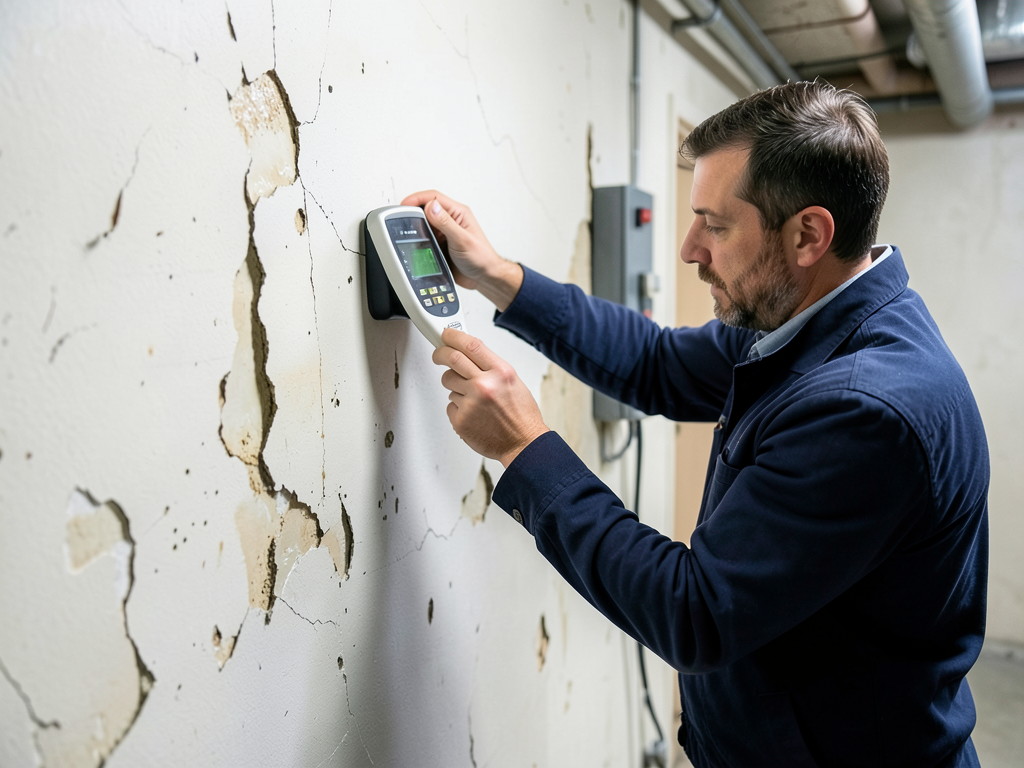
Moisture mapping comes next. We use pin-type and non-invasive meters to measure water content in wood, drywall, and masonry. Thermal cameras reveal temperature differentials that indicate trapped moisture behind walls. This data guides our equipment placement.

We position axial air movers to create airflow across wet surfaces and place low-grain refrigerant dehumidifiers to extract moisture from the air. In basements and crawl spaces with high humidity, we use desiccant dehumidifiers that perform better in cooler temperatures. We monitor conditions daily, adjusting equipment until moisture levels return to normal.

Our water removal services include antimicrobial application on affected surfaces to inhibit microbial growth while drying occurs. We document everything for insurance claims, including photo evidence, moisture readings, and equipment logs.

What Happens During Your Flood Cleanup Service

Flood Cleanup & Extraction in Louisville – Fast Response Teams Dispatch Within 60 Minutes
01

Emergency Assessment and Containment

Our team arrives and immediately evaluates the water source, contamination level, and affected areas. We stop the water intrusion if possible, establish safety protocols, and set up containment barriers to prevent cross-contamination. We document pre-loss conditions and develop an extraction plan based on the specific water category and materials involved in your Louisville property.
02

Water Extraction and Removal

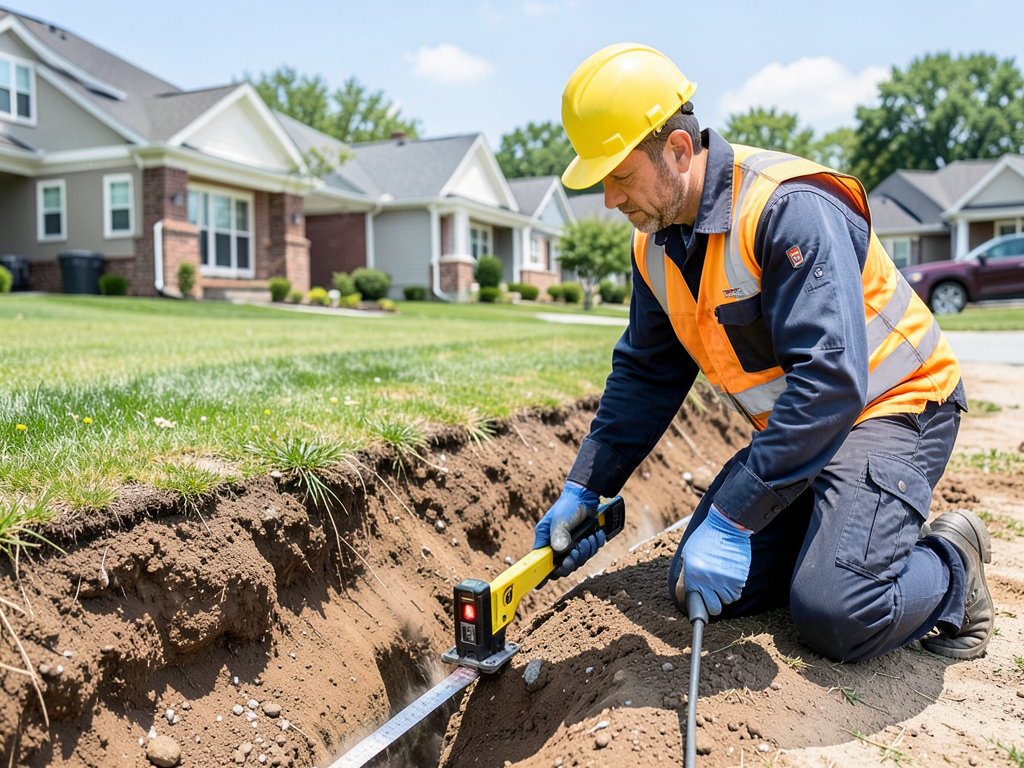
We deploy pumps, extractors, and vacuum systems to remove all standing water and saturated materials. Truck-mounted units pull water from carpets, pads, and subflooring. We remove non-salvageable materials like soaked drywall and insulation. Moisture meters and thermal imaging guide our work to ensure no hidden water remains trapped in wall cavities or beneath finished surfaces.
03

Structural Drying and Verification

We place air movers and dehumidifiers throughout affected areas and monitor moisture levels daily. Our technicians adjust equipment based on real-time readings until all materials return to normal moisture content. We apply antimicrobial treatments to inhibit mold growth and provide detailed documentation showing your property meets industry drying standards before we consider the job complete.

Why Louisville Residents Choose Elite Water Damage Restoration

We operate in Louisville full-time. Our technicians know which neighborhoods flood during heavy rain, which soil conditions cause basement seepage, and which building materials dominate different eras of local construction. That knowledge shapes how we approach each water damage cleanup project.

When a property near Waterfront Park floods, we know the Ohio River's behavior patterns and how quickly water can rise. When a home in the Highlands experiences a burst pipe, we understand the plaster walls and hardwood floors common in that area require different drying techniques than modern drywall and laminate.

We maintain relationships with local insurance adjusters who work in Jefferson County. We understand their documentation requirements and provide the detailed reports they need to process claims quickly. You do not navigate that process alone.

Our equipment inventory includes redundancy. If a dehumidifier fails, we have backups ready. We stock enough air movers, extractors, and moisture detection tools to handle large commercial floods and multiple residential calls simultaneously. Other companies rent equipment as needed. We own it outright.

Elite Water Damage Restoration Louisville holds certifications in water damage restoration and applied structural drying. Our technicians complete ongoing training in contamination protocols, psychrometrics, and building science. We follow IICRC S500 standards, which means we apply the same methods used by national restoration companies but with the responsiveness of a local team.

We also understand Louisville's code requirements for restoration work. We know when work requires permits and how to coordinate with local inspectors. We protect you from liability while ensuring the job meets all regulatory standards.

What You Can Expect From Our Flood Cleanup Services

Immediate Dispatch and Rapid Response

We answer calls 24 hours a day, seven days a week. When you contact us, a live person answers, not an automated system. We dispatch a crew immediately, with arrival times typically within 60 minutes for Louisville metro addresses. Our trucks stay stocked and ready, so we do not waste time gathering equipment. Speed matters because water damage compounds every hour. Mold spores germinate within 24 to 48 hours. We stop that clock by arriving fast and working efficiently to remove water before secondary damage takes hold.

Thorough Damage Assessment and Scope Development

Our initial evaluation includes moisture mapping with electronic meters and thermal imaging to identify all affected areas, even those not visible to the naked eye. We classify the water source as Category 1, 2, or 3 to determine contamination protocols. We test materials for moisture content and identify structural concerns. You receive a detailed scope of work that outlines what needs extraction, what requires removal, and what can be salvaged. We explain the process in clear terms and answer questions before work begins. Transparency eliminates surprises.

Complete Drying and Restoration

We do not leave until your property meets industry drying standards. Our technicians monitor moisture daily and adjust equipment as conditions change. We verify drying with moisture meters, ensuring all materials return to normal levels before equipment removal. You receive antimicrobial treatments on affected surfaces and detailed documentation showing compliance with restoration standards. Our goal is to return your property to pre-loss condition, not just remove visible water. We test, verify, and prove the work is complete before we close the project.

Insurance Coordination and Documentation

We work directly with your insurance company to streamline the claims process. Our technicians document damage with photos, moisture readings, and detailed notes that meet adjuster requirements. We provide itemized estimates and explain coverage questions in plain language. You do not navigate insurance alone. We also offer direct billing options for approved claims, reducing your out-of-pocket burden. After completion, you receive a full report showing all work performed, equipment used, and final moisture readings for your records.

Frequently Asked Questions

You Have Questions,
We Have Answers

How much does flood removal cost? +

Flood removal costs vary based on water category, affected square footage, and structural damage. Clean water extraction in a 500-square-foot area typically runs less than Category 3 contaminated water requiring full remediation. Basement floods cost more due to access challenges and potential foundation issues. Louisville homes with crawl spaces face different pricing than slab foundations. Costs include extraction, drying equipment, antimicrobial treatment, and debris removal. Insurance coverage impacts your out-of-pocket expense. Most companies offer free inspections to assess damage and provide accurate estimates before starting work.

How much does it cost to clean a basement after a flood? +

Basement flood cleanup costs depend on water source, contamination level, and damage extent. A minor clean water event may cost less than sewage backup requiring hazmat protocols. Louisville basements often need mold remediation due to our humidity levels, which adds expense. Costs cover water extraction, industrial dehumidification, antimicrobial treatment, damaged material removal, and structural drying. Finished basements with drywall and carpet cost more than unfinished concrete spaces. Get multiple estimates and verify technicians hold IICRC Water Damage Restoration certification before hiring.

Does flood insurance pay for clean-up? +

Flood insurance covers cleanup and restoration costs after flooding events. Standard policies pay for debris removal, structural drying, sanitization, and necessary repairs to return your home to pre-loss condition. You must purchase flood insurance through the National Flood Insurance Program or private carriers before disaster strikes. Most policies have a 30-day waiting period. Keep detailed documentation, including photos and contractor invoices. Louisville sits near the Ohio River, making flood coverage essential for many neighborhoods. File claims immediately and start mitigation to prevent secondary damage while waiting for adjuster approval.

What's the best way to clean-up after a flood? +

Start by documenting damage with photos before touching anything. Shut off electricity to affected areas to prevent electrocution. Remove standing water using pumps or wet vacuums. Pull out saturated materials like carpet padding, drywall, and insulation within 24 to 48 hours to prevent mold growth. Louisville's humidity accelerates microbial growth, so speed matters. Run commercial dehumidifiers and air movers to dry structural components. Disinfect all surfaces with antimicrobial solutions. For Category 2 or 3 water, hire certified restoration professionals who have proper extraction equipment and safety gear.

Is flood damage covered under homeowners insurance? +

Standard homeowners insurance does not cover flood damage from rising water, storm surge, or overflowing rivers. It covers sudden internal water damage like burst pipes or appliance leaks. Louisville homeowners near the Ohio River or in FEMA flood zones need separate flood insurance. Your policy may cover water backup from sewers or drains if you purchased that endorsement. Review your declarations page to understand coverage limits. Many residents discover their gap in coverage too late. Contact your insurance agent to add flood protection before storm season arrives.

How much does it cost to lift a house in a flood zone? +

House lifting in flood zones costs between tens of thousands to over a hundred thousand dollars based on home size, foundation type, and elevation requirements. The process involves hydraulic jacks raising your structure while contractors build a new elevated foundation underneath. Louisville's clay soil and proximity to waterways affect engineering requirements. FEMA may provide mitigation grants to eligible homeowners in high-risk areas. Most residents pursue this after repeat flooding events. Get quotes from licensed structural engineers and foundation contractors who understand local soil conditions and building codes before proceeding.

Will insurance pay for a flooded basement? +

Flooded basement coverage depends on the water source. Standard homeowners policies exclude groundwater seepage and rising floodwater but may cover sewer backup if you purchased that rider. Sudden pipe bursts or water heater failures typically qualify for coverage. Louisville homes in flood zones need separate NFIP policies for groundwater flooding. Review your policy declarations and endorsements. Insurance companies deny claims when the cause falls outside coverage terms. Document everything, notify your carrier immediately, and start mitigation to prevent mold growth while the claim processes.

How much does Servpro cost to clean a basement? +

Restoration company pricing varies by project scope, water category, and affected area. Competitors charge differently based on equipment used, technician certification levels, and service packages. Costs include extraction, drying, antimicrobial treatment, and monitoring. Louisville's competitive restoration market means you should get multiple estimates before choosing a provider. Ask about IICRC certification, response times, and insurance direct billing capabilities. Verify the company holds proper licensing and insurance. Focus on qualifications and equipment quality rather than just price when dealing with potential mold growth and structural damage.

How long does it take to clean up a flooded basement? +

Basement flood cleanup takes 3 to 7 days for water extraction and structural drying, depending on water volume, affected materials, and humidity levels. Louisville's high humidity extends drying times compared to arid climates. Standing water removal happens within hours, but drying wall cavities, subfloors, and structural framing takes days using commercial dehumidifiers and air movers. Contaminated water requires additional sanitization time. Technicians use moisture meters to confirm materials reach safe levels before reconstruction begins. Mold can start growing within 24 to 48 hours, so immediate response shortens overall timeline.

How much money does FEMA give for home damage? +

FEMA disaster assistance provides grants up to low five figures for uninsured home repairs after presidentially declared disasters. Actual amounts depend on damage severity, your financial need, and available program funds. Grants cover essential repairs, temporary housing, and personal property replacement. Louisville residents affected by federally declared flooding events can apply through DisasterAssistance.gov. FEMA assistance supplements insurance, not replaces it. You must register within 60 days of the disaster declaration. Funds arrive weeks to months after application approval. This helps with immediate needs but rarely covers full restoration costs.

How Louisville's Clay Soil and Flood Zones Complicate Water Damage Cleanup

Louisville's expansive clay soil does not drain well. After heavy rain, water pools around foundations and seeps through basement walls because the ground cannot absorb it quickly enough. Properties in FEMA flood zones near Beargrass Creek, Mill Creek, and the Ohio River face elevated risk during spring storms and rapid snowmelt. Older neighborhoods like Portland and Shively experience recurring basement flooding that requires professional water mitigation services. These conditions demand extraction equipment powerful enough to remove water faster than it enters and drying systems that account for the high ambient humidity Louisville experiences from May through September.

Elite Water Damage Restoration Louisville understands local building patterns and how water behaves in different construction types across Jefferson County. We know the limestone foundations in Old Louisville require different moisture management than poured concrete in Middletown. We maintain relationships with local contractors, plumbers, and electricians for coordinated repairs when flood damage extends beyond water extraction. Our familiarity with Louisville's municipal codes ensures restoration work meets inspection standards. Choosing a local team means faster response times, better knowledge of regional challenges, and accountability to the community we serve every day.

Water Damage Services in The Louisville Area

Elite Water Damage Restoration is proud to serve the entire Louisville metropolitan area and surrounding communities. We are committed to providing top-tier water damage solutions to all residents and businesses in our service region. Feel free to explore our service map to confirm your location is within our coverage area or simply give us a call to discuss your specific needs. Our team is ready to help restore your property with speed and professionalism.

Address:
Elite Water Damage Restoration Louisville, 1000 E Kentucky St., Louisville, KY, 40204

Additional Services We Offer

Our news updates

Latest Articles & News from The Blogs

Why those rubber washing machine hoses are a ticking time bomb for your Fern Creek laundry room Every year thousands…

Why those rubber washing machine hoses are a ticking time bomb for your Fern Creek laundry room

Why those rubber washing machine hoses are a ticking time bomb for your Fern Creek laundry room Every year thousands…

Keeping your pets safe from mold and bacteria after a Louisville basement leak

Keeping Your Pets Safe from Mold and Bacteria After a Louisville Basement Leak A basement leak in Louisville creates immediate…

What to do in the first hour after finding a flood in your J-town home

What to do in the first hour after finding a flood in your J-town home Finding water pouring into your…

Contact Us

Water damage does not wait, and neither should you. Call Elite Water Damage Restoration Louisville at (502) 370-2711 right now for immediate dispatch. Our crews are standing by 24/7 to protect your property and stop damage before it spreads.