


Menu

Washing Machine Overflow Cleanup in Louisville – 60-Minute Emergency Response for Flooded Homes

Elite Water Damage Restoration Louisville dispatches certified crews within one hour of your call, stopping washing machine floods before water seeps into subfloors, wall cavities, and adjacent rooms across the greater Louisville metro.

Slider Image 1
Slider Image 2
Slider Image 3
Slider Image 4
Slider Image 5
Slider Image 7
Slider Image 8
Slider Image 9
Slider Image 10
Slider Image 11

Why Louisville Homes Face Severe Damage from Washing Machine Floods

A ruptured supply hose or failed drain pump can release 8 to 10 gallons of water per minute onto your laundry room floor. In Louisville homes, many built on crawl spaces or concrete slabs with porous grout lines, this water migrates fast. Within 20 minutes, overflow reaches hardwood flooring in hallways, soaks drywall baseboards, and penetrates subfloor joists.

Louisville's humidity, which averages 70 percent year-round, accelerates mold colonization. After 48 hours, wet drywall and wood framing become breeding grounds for Stachybotrys and Aspergillus spores. The Ohio River Valley climate keeps moisture trapped in wall cavities longer than arid regions, compounding the risk.

You need washing machine flood cleanup services that extract standing water, dry structural cavities with commercial dehumidifiers, and document moisture levels for insurance claims. Emergency washer flood remediation is not mopping up visible water. It is targeting hidden saturation in floor joists, behind vinyl baseboards, and under laminate planks before irreversible damage occurs.

Most homeowners underestimate how far water travels. A second-story laundry room flood can saturate ceiling drywall below, migrate through light fixture penetrations, and drip onto furniture and electronics. Washing machine leak water extraction must address both the origin point and every path water followed. Delayed response turns a $1,200 mitigation job into a $9,000 reconstruction project.

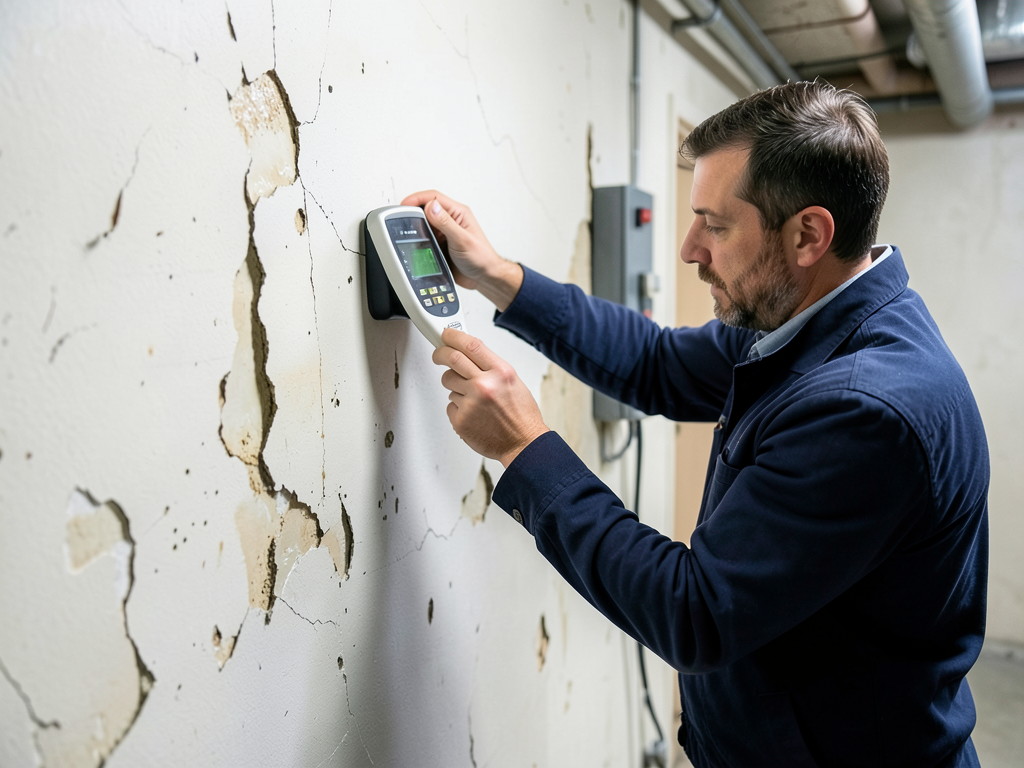
Elite Water Damage Restoration Louisville handles washer water damage restoration with thermal imaging cameras that map wet zones you cannot see and truck-mounted extractors that pull water from carpet padding and subfloors in one pass.

Why Louisville Homes Face Severe Damage from Washing Machine Floods
How Professional Laundry Machine Overflow Water Removal Stops Hidden Damage

How Professional Laundry Machine Overflow Water Removal Stops Hidden Damage

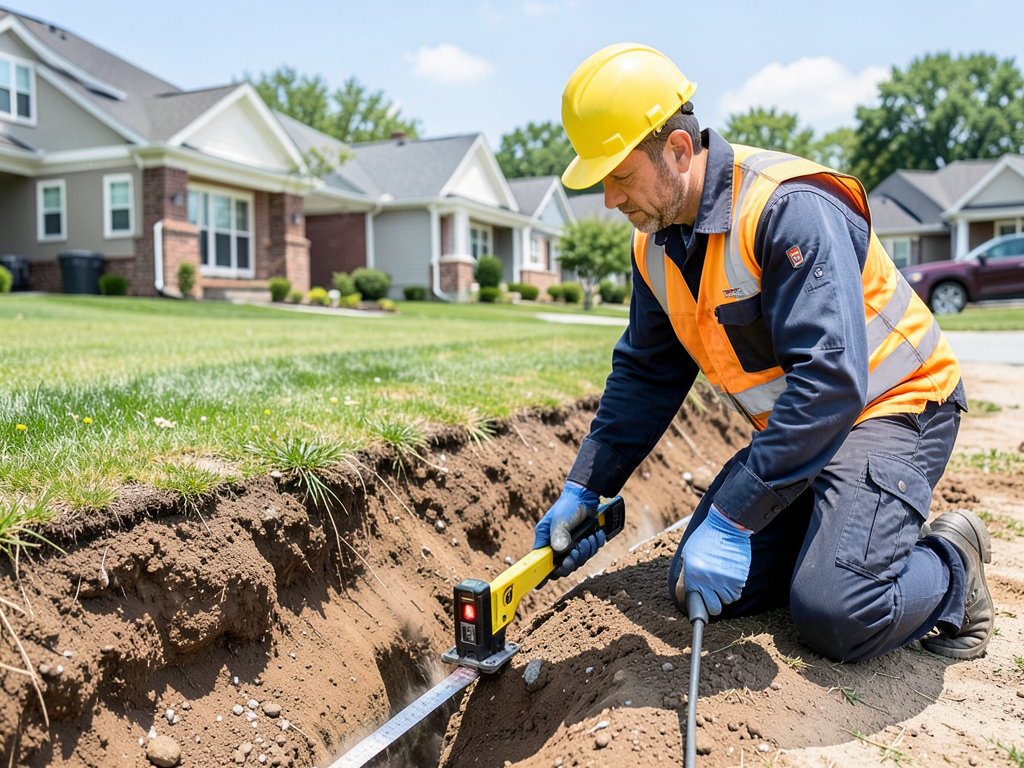
We do not just vacuum visible water. Our laundry machine overflow water removal protocol begins with a moisture assessment using penetrating probes that measure saturation levels 1.5 inches deep into drywall and subflooring. This identifies migration paths before visible staining appears.

Step one is source containment. We shut off water supply valves, verify the washing machine drum is empty, and inspect hose connections and drain lines for secondary failure points. Many floods result from kinked discharge hoses or clogged standpipes that cause backflow. We document these conditions for your insurance adjuster.

Next, we deploy truck-mounted extraction units generating 500 CFM of suction. These remove water from carpet fibers, padding, and the subfloor surface in a single extraction cycle. Portable extractors handle tight spaces like closets and behind appliances. We pull baseboards when moisture readings exceed 18 percent to ensure wall cavities dry completely.

Air movers positioned at 45-degree angles create laminar airflow across wet surfaces, accelerating evaporation. We pair these with low-grain refrigerant dehumidifiers that pull 90 pints of moisture per day from the air. This prevents secondary condensation on cooler surfaces like exterior walls and windows.

Throughout the drying process, we monitor moisture levels twice daily using thermo-hygrometers. Drying is complete only when readings drop below 12 percent moisture content in wood and 15 percent in drywall. Premature equipment removal leaves residual dampness that fuels mold growth within weeks.

We apply antimicrobial treatments to affected surfaces, focusing on porous materials like drywall paper facing and wood baseboards. This inhibits bacterial growth and neutralizes odors caused by stagnant water.

What Happens When You Call for Emergency Washer Flood Service

Washing Machine Overflow Cleanup in Louisville – 60-Minute Emergency Response for Flooded Homes
01

Immediate Dispatch and Assessment

Within 60 minutes of your call, our crew arrives with extraction equipment and moisture meters. We perform a room-by-room inspection, mapping wet zones with thermal imaging cameras that detect temperature differentials caused by water saturation. You receive a written scope of work before mitigation begins, detailing affected materials, equipment deployment, and estimated drying time.
02

Water Extraction and Structural Drying

We extract standing water using truck-mounted units, then position air movers and dehumidifiers in a scientifically calculated layout based on room dimensions and airflow dynamics. Baseboards and trim are removed when moisture readings indicate wall cavity saturation. We monitor psychrometric conditions, adjusting equipment placement to maintain optimal vapor pressure gradients that accelerate evaporation without over-drying materials.
03

Final Verification and Documentation

Once moisture readings stabilize within acceptable ranges, we perform a final inspection with penetrating probes and infrared scanning. You receive a complete drying log with timestamped readings, photos of affected areas, and a certificate of completion for your insurance carrier. We coordinate with your contractor if reconstruction is needed, providing detailed moisture maps to guide repair scopes.

Why Louisville Residents Choose Elite Water Damage Restoration for Washer Floods

Louisville's housing stock includes thousands of mid-century ranch homes with original cast iron drain lines and galvanized supply pipes. These aging systems fail without warning, and many homeowners lack emergency shutoff knowledge. We have mitigated washer floods in Highlands bungalows, Crescent Hill Cape Cods, and St. Matthews split-levels. We know how water behaves in pier-and-beam foundations common south of Bardstown Road and in slab-on-grade construction prevalent in eastern Jefferson County subdivisions.

Our crews carry commercial-grade equipment designed for Louisville's humidity levels. Standard household fans and rental dehumidifiers cannot achieve the low grain depression needed to dry structural cavities in 70 percent ambient humidity. Our refrigerant dehumidifiers maintain 30 percent relative humidity inside the drying chamber, creating the vapor pressure differential required for thorough evaporation.

We work directly with Louisville-based insurance adjusters from State Farm, Allstate, and Kentucky Farm Bureau. We provide Xactimate estimates formatted to match local claim protocols, reducing approval delays. Many restoration companies in surrounding counties lack familiarity with Louisville metro claim procedures, which can extend your reimbursement timeline by weeks.

Elite Water Damage Restoration Louisville maintains relationships with local plumbers who can repair failed hose connections and upgrade drain systems to prevent recurrence. We coordinate these repairs within your mitigation timeline, so you are not left managing multiple contractors.

Our emergency line is answered 24/7 by dispatch staff who live in the Louisville area. We do not route calls to regional centers or offshore operators. You speak directly with someone who knows the difference between Shively and Shelbyville and can dispatch the closest crew immediately.

What to Expect During Washing Machine Flood Restoration

Response Time and Availability

We guarantee a technician arrives within 60 minutes for emergency calls placed within Jefferson County and surrounding areas including Oldham, Bullitt, and Shelby counties. Our trucks are pre-loaded with extraction units, air movers, and dehumidifiers, eliminating the need for return trips to retrieve equipment. We operate 24 hours a day, 365 days a year, including holidays. Night and weekend calls receive the same rapid response as weekday requests. You do not pay surge pricing for after-hours service.

Damage Assessment and Moisture Mapping

Your initial assessment includes thermal imaging scans of all walls adjacent to the laundry area, moisture readings at 12-inch intervals across affected flooring, and inspection of ceiling areas below the flood source if applicable. We check inside vanities, behind toilets, and under sinks for hidden water migration. You receive a color-coded moisture map showing saturation levels in real time. This becomes part of your insurance documentation and guides our equipment placement strategy throughout the drying process.

Drying Results and Completion Standards

We do not remove equipment based on time elapsed. Drying is complete only when moisture meter readings drop to 12 percent or lower in wood materials and 15 percent or lower in drywall and masonry. Most washer floods require 3 to 5 days of active drying with commercial equipment. We provide daily progress reports with updated moisture readings. If readings plateau above acceptable levels, we adjust equipment configuration or remove additional building materials to access trapped moisture. Your final report includes before and after moisture readings for every affected surface.

Post-Mitigation Support and Reconstruction Coordination

After drying is complete, we provide referrals to licensed contractors for flooring replacement, drywall repair, and plumbing upgrades if needed. We supply these contractors with detailed moisture maps and material removal documentation to ensure accurate reconstruction bids. If mold growth is discovered during mitigation, we coordinate with certified mold remediation specialists and adjust our scope accordingly. We remain available for 30 days post-completion to answer questions from your insurance adjuster or contractor. No additional service calls or inspections are charged during this period.

Frequently Asked Questions

You Have Questions,
We Have Answers

How to clean a washing machine overflow pipe? +

Turn off the water supply and unplug your machine. Remove the overflow pipe by loosening the clamp or connector. Use a wet/dry vacuum to suction debris from inside the pipe. Flush warm water through the pipe to clear soap buildup and lint. For stubborn clogs, use a small drain snake or flexible brush. Inspect the pipe for cracks or damage before reattaching. Louisville's hard water accelerates mineral deposits, so flush the pipe monthly with vinegar to prevent future clogs. If water damage occurred during the overflow, address it immediately to prevent mold growth.

How do you remove black mold from a washing machine rubber seal? +

Black mold on rubber seals thrives in Louisville's humid climate. Mix equal parts white vinegar and water in a spray bottle. Spray the seal thoroughly and let it sit for 10 minutes. Scrub with a stiff brush, focusing on the folds where mold hides. For stubborn mold, make a paste with baking soda and water. Apply it directly to affected areas and scrub vigorously. Wipe clean with a damp cloth. Prevent future growth by leaving the door open between loads to air out moisture. If mold has spread beyond the seal, you need professional water damage assessment.

What do you do when your washing machine overflows? +

Shut off the water supply immediately and unplug the machine. Stop the cycle to prevent more water discharge. Use towels to contain spreading water and protect flooring. Move furniture and valuables away from the affected area. If water is extensive, use a wet/dry vacuum or mop to extract standing water quickly. Check for hidden water under cabinets or behind walls, which Louisville's older homes are prone to retaining. Document the damage with photos for insurance claims. Contact a water damage professional within 24 hours because mold starts growing in 48 hours in our humid climate.

How to clean up a washing machine flood? +

Act fast to prevent permanent damage. Unplug the machine and turn off water immediately. Extract standing water with towels, mops, or a wet/dry vacuum. Pull back carpet edges to check padding for saturation. Move wet items to a dry area. Set up fans and dehumidifiers to dry the space within 24 hours. Louisville's humidity slows natural drying, making mechanical drying critical. Check subfloors for warping and walls for water wicking. Remove baseboards if water traveled underneath. Sanitize all affected surfaces with antimicrobial cleaner. If water spread beyond one room, call a restoration professional immediately.

Can I pour bleach down a washing machine drain pipe? +

Yes, but use it carefully. Pour one cup of bleach into the drum, not directly down the drain pipe. Run a hot water cycle to flush the system. Bleach kills bacteria and breaks down soap scum in pipes. Never mix bleach with other cleaners, which creates toxic fumes. For the drain pipe specifically, bleach can damage rubber gaskets and seals over time. A better monthly maintenance option is baking soda followed by vinegar, then hot water. If you suspect a clog causing overflows, a drain snake works better than chemicals. Persistent drainage issues need professional diagnosis.

How to unclog an overflow tube washer? +

Locate the overflow tube inside the washer tub or drain system. Disconnect it from the drain hose by loosening the clamp. Use a drain snake or flexible auger to break up the clog. Feed the snake through the tube slowly, rotating as you push. Pull out lint, fabric softener buildup, and soap residue. Flush the tube with hot water to clear remaining debris. Check the connection point for sediment accumulation. Louisville's hard water contributes to mineral scaling inside tubes. For recurring clogs or if water damaged surrounding areas during overflow, call a water damage specialist for thorough cleanup.

What is the black gunk in a rubber seal washing machine? +

The black gunk is a combination of mold, mildew, soap scum, fabric softener residue, and body oils. It accumulates in the rubber seal's folds where moisture gets trapped. Louisville's high humidity makes this worse because the seal stays damp between loads. This buildup causes musty odors and can contaminate your clothes. The dark color comes from mold growth feeding on organic matter. Clean it monthly with vinegar or a mildew remover. Wipe the seal dry after each wash and leave the door open to air out. Ignoring it leads to seal deterioration and potential leaks.

What kills mold better, bleach or vinegar? +

Bleach kills mold faster on hard, non-porous surfaces but does not penetrate porous materials. It whitens surfaces without removing roots, so mold often returns. Vinegar penetrates porous materials better and kills mold at the root. For washing machine seals, vinegar works better because rubber is slightly porous. Vinegar also prevents mold regrowth more effectively. Louisville's humidity demands preventive solutions, not just surface cleaning. Use vinegar for regular maintenance and early mold growth. For extensive contamination after an overflow, professional antimicrobial treatment ensures complete remediation. Never mix bleach and vinegar, which creates dangerous chlorine gas.

Can vinegar damage the washing machine seal? +

White vinegar is safe for washing machine seals when used properly. Dilute it with equal parts water for regular cleaning. Undiluted vinegar used excessively can dry out rubber over time, causing cracks. Monthly cleaning with diluted vinegar prevents buildup without damaging seals. Rinse thoroughly after cleaning to remove acid residue. Louisville's water hardness actually makes vinegar beneficial because it dissolves mineral deposits that stiffen rubber. Avoid leaving vinegar sitting on the seal for extended periods. Commercial rubber cleaners work too, but vinegar is effective and inexpensive. If your seal already shows cracking, replace it before leaks cause water damage.

How do I know if my washer drain pipe is clogged? +

Watch for slow drainage where water sits in the drum after the spin cycle. Listen for gurgling sounds during drainage, which signals air trapped by a partial clog. Notice if water backs up into the standpipe or utility sink nearby. Check for soap suds or water pooling around the washer base after cycles. Your machine may display error codes related to drainage. Louisville homes with older plumbing see frequent clogs from lint and soap buildup. Standing water in the drum creates musty smells. Test by running a drain cycle and watching the water exit speed. Sluggish drainage needs immediate attention before a full overflow occurs.

How Louisville's Humidity and Older Homes Complicate Washer Flood Recovery

Louisville sits in the Ohio River Valley, where summer humidity regularly exceeds 75 percent and winter moisture from freeze-thaw cycles keeps basements damp year-round. This ambient moisture slows evaporation rates during water damage restoration. A washing machine overflow that would dry in 48 hours in Phoenix takes 4 to 5 days here. Many Louisville homes built before 1980 lack vapor barriers under slab foundations, allowing groundwater to wick upward into flooring materials. This compounds washer flood damage because subfloors are already holding residual moisture before the overflow occurs. Professional dehumidification equipment is not optional in this climate. It is the only method proven to achieve complete structural drying.

Jefferson County's housing stock includes thousands of homes with original plumbing installed in the 1950s and 1960s. Rubber washing machine hoses degrade after 5 to 7 years, but many Louisville homeowners do not replace them until failure occurs. We have responded to washer floods in Germantown shotgun houses with knob-and-tube wiring, Highlands Victorians with horsehair plaster walls, and Okolona ranches with particleboard subflooring. Each construction type requires adapted drying protocols. Local expertise matters because out-of-area restoration companies often apply generic methods that fail in Louisville's high-humidity environment and historic building materials.

Water Damage Services in The Louisville Area

Elite Water Damage Restoration is proud to serve the entire Louisville metropolitan area and surrounding communities. We are committed to providing top-tier water damage solutions to all residents and businesses in our service region. Feel free to explore our service map to confirm your location is within our coverage area or simply give us a call to discuss your specific needs. Our team is ready to help restore your property with speed and professionalism.

Address:
Elite Water Damage Restoration Louisville, 1000 E Kentucky St., Louisville, KY, 40204

Additional Services We Offer

Our news updates

Latest Articles & News from The Blogs

Why those rubber washing machine hoses are a ticking time bomb for your Fern Creek laundry room Every year thousands…

Why those rubber washing machine hoses are a ticking time bomb for your Fern Creek laundry room

Why those rubber washing machine hoses are a ticking time bomb for your Fern Creek laundry room Every year thousands…

Keeping your pets safe from mold and bacteria after a Louisville basement leak

Keeping Your Pets Safe from Mold and Bacteria After a Louisville Basement Leak A basement leak in Louisville creates immediate…

What to do in the first hour after finding a flood in your J-town home

What to do in the first hour after finding a flood in your J-town home Finding water pouring into your…

Contact Us

Every minute of delay allows water to spread farther into your home's structure. Call Elite Water Damage Restoration Louisville at (502) 370-2711 right now. Our dispatch team will send a crew to your location within 60 minutes, equipped to stop the damage and begin drying immediately.