



Jeffersontown sits in the Floyds Fork watershed, where heavy Kentucky rainfall and clay soil create perfect conditions for basement flooding and foundation seepage. Homes near Chenoweth Run and along Taylorsville Road experience seasonal flooding during spring storms, while older properties around Watterson Trail deal with aging cast iron pipes that fail without warning. The area's humid subtropical climate means moisture doesn't just damage structures, it creates mold growth within 24 to 48 hours if not properly remediated.
Jeffersontown's mix of 1960s ranch homes and newer subdivisions near Beckley Station presents different challenges. Older homes have outdated drainage systems that can't handle modern storm intensity, while newer construction sometimes features complex plumbing that's vulnerable to pressure failures. When temperatures drop below freezing in January and February, pipe bursts spike across neighborhoods from Hunting Creek to Stony Brook. The combination of weather patterns, soil composition, and housing age means Jeffersontown residents need a water damage partner who understands these local factors and responds before a small leak becomes a catastrophic loss.
We've been pulling water out of Jeffersontown basements, drying out flooded living rooms, and saving hardwood floors since our first emergency call to a home off Blankenbaker Parkway. What started as a single truck operation has grown into a full restoration company because we do one thing other companies won't: we answer the phone at 2 AM and we show up in under an hour. When your sump pump fails during a thunderstorm or your water heater ruptures while you're at work, you need technicians who know Jeffersontown streets, understand local building construction, and carry the right equipment for Kentucky's specific moisture challenges.
Our technicians hold IICRC certifications in water damage restoration and applied structural drying. That means we don't just extract standing water and set up fans. We use moisture meters to track humidity in your drywall, thermal cameras to find hidden water in wall cavities, and hydroxyl generators to prevent mold before it starts. We document everything for your insurance claim with photos, moisture readings, and detailed scope reports so you're not fighting with adjusters while your home sits wet.
Most restoration companies subcontract their work or send undertrained crews. We employ our own certified technicians who live in the Louisville metro. They know that homes near Bluegrass Parkway have crawl spaces that flood differently than slab foundations near Watterson Trail. They understand Kentucky insurance requirements and work with every major carrier from State Farm to Nationwide. When we say we'll be there in an hour, we mean it. When we say the job is done, it means your moisture readings are back to normal and your home is safe.

We dispatch certified technicians to Jeffersontown locations within one hour of your call, 24 hours a day. Our trucks carry truck-mounted extractors, commercial dehumidifiers, and thermal imaging equipment so we start mitigation the moment we arrive. Fast response stops water from spreading and prevents secondary damage that doubles restoration costs.

We handle all communication with your insurance company, from initial documentation to final billing. Our technicians photograph damage, document moisture readings, and write detailed scope reports that adjusters accept without argument. You get faster claim approval and fewer out-of-pocket expenses because we speak the language insurance companies require.
Every technician on our crews holds current certifications from the Institute of Inspection, Cleaning and Restoration Certification. We follow strict protocols for water extraction, structural drying, and antimicrobial treatment. This isn't just about credentials. It means we use proven science to dry your home completely and prevent mold growth that appears weeks after other companies leave.
We've restored hundreds of Jeffersontown properties from Chenoweth Run to Stony Brook. We know which neighborhoods flood during heavy rain, which home types have vulnerable plumbing, and how local soil conditions affect basement moisture. This experience means faster diagnosis, better solutions, and restoration methods proven to work in Kentucky's climate.
Water damage comes in different forms, and each requires specific equipment and techniques to resolve correctly. A burst pipe in your kitchen needs immediate extraction and controlled drying. A flooded basement requires structural assessment and potential mold remediation. A roof leak might have been dripping into your attic insulation for weeks before you noticed ceiling stains. Elite Water Damage Restoration Louisville handles every category of water intrusion with the right approach for your specific situation.
We divide our services into three core categories based on how water entered your property and what damage it caused. Emergency water removal addresses active flooding and stops ongoing damage. Structural drying and restoration repairs what water damaged and returns your home to pre-loss condition. Specialized remediation handles contaminated water, mold growth, and complex restoration projects that require advanced techniques. Each service uses professional-grade equipment and follows industry protocols that insurance companies recognize and accept.
When water is actively flooding your property, every minute increases damage and costs. Our emergency response team arrives with truck-mounted extractors that remove thousands of gallons per hour from basements, living areas, and crawl spaces. We identify the water source, stop the flow, extract standing water, and deploy commercial dehumidifiers to begin drying immediately. This service includes moisture mapping, thermal imaging to find hidden water, and initial documentation for insurance claims. We stabilize the emergency so you can breathe while we plan the full restoration.
After water extraction, thorough drying prevents mold growth and structural damage. We use industrial air movers, commercial dehumidifiers, and moisture monitoring equipment to dry your walls, floors, and building materials completely. Our technicians take daily moisture readings and adjust equipment placement until all materials return to normal levels. This service includes removing damaged materials like wet insulation or unsalvageable drywall, treating exposed framing with antimicrobial solutions, and coordinating repairs with qualified contractors who restore your home to pre-loss condition.
Sewage backups, long-term leaks, and flood water require specialized remediation beyond standard drying. We handle Category 2 and Category 3 water contamination with proper safety protocols, containment barriers, and antimicrobial treatments. Our mold remediation service includes air quality testing, containment setup, removal of contaminated materials, HEPA filtration, and surface treatment to eliminate mold spores. We follow EPA and IICRC guidelines for safe remediation and provide documentation that protects your home's value and your family's health.
Jeffersontown's combination of weather patterns, soil conditions, and housing stock creates predictable water damage scenarios. Spring storms dump several inches of rain in hours, overwhelming drainage systems and flooding basements across older neighborhoods. Clay soil prevents proper drainage and directs water toward foundations instead of away from structures. Homes built in the 1960s and 1970s have aging plumbing that fails without warning, often when homeowners are away at work or on vacation.
These issues aren't theoretical. We respond to them every week across Jeffersontown. Understanding what causes water damage in your area helps you spot warning signs early and call for help before a small problem becomes a major loss. Most homeowners don't realize their sump pump failed until water starts seeping through basement walls. They don't know a slow roof leak has been saturating attic insulation for months until they see ceiling stains in their bedroom. Recognition matters because water damage compounds rapidly once it starts.
Spring and summer thunderstorms overwhelm drainage systems, sump pumps, and window wells. Water enters through foundation cracks, failed waterproofing, or simple ground saturation. Finished basements near Chenoweth Run and Watterson Trail flood repeatedly during heavy rain events because older homes lack modern drainage solutions. We extract water, dry structures completely, and recommend permanent fixes to prevent recurrence.
Frozen pipes burst when January temperatures drop below 20 degrees. Old galvanized and cast iron plumbing corrodes from the inside and fails suddenly. Water heaters rupture after years of sediment buildup. These failures dump hundreds of gallons into your home before you can shut off the main valve. We respond immediately to extract water, protect belongings, and dry affected areas before mold starts growing.
Missing shingles, damaged flashing, and clogged gutters allow water into attics where it saturates insulation and drips into ceilings. Most homeowners don't enter their attics regularly, so leaks go undetected for months. By the time ceiling stains appear, moisture has compromised insulation, framing, and drywall. We use thermal imaging to find the full extent of damage and ensure complete drying.
Washing machine hoses, dishwasher connections, and refrigerator ice maker lines fail without warning. These small supply lines can release several gallons per minute, flooding kitchens and laundry rooms quickly. Water spreads under cabinets, into walls, and through flooring before homeowners discover the leak. We extract water from hidden spaces, remove damaged materials, and dry everything thoroughly to prevent long-term problems.
Water damage creates panic. You're watching water spread across your floor or drip through your ceiling, and you need help now. When you call Elite Water Damage Restoration Louisville, you talk to a real person who dispatches a crew immediately. No phone trees, no callbacks, no waiting until morning. We answer 24/7 because water doesn't care if it's Saturday night or Christmas morning.
Our process starts the moment you call and continues until moisture readings confirm your home is completely dry. We handle emergencies first, then shift to thorough restoration that prevents future problems. You'll know what's happening at every stage because we communicate clearly and show you the data that guides our decisions. Most companies vanish after extraction, leaving you with wet walls and crossed fingers. We stay until the job is finished correctly.
We dispatch the nearest available crew within minutes of your call and arrive at most Jeffersontown locations in under an hour. Our technicians assess the situation, identify the water source, and create an action plan before starting work. You receive a clear explanation of what happened, what needs to happen next, and realistic timelines for complete restoration. We document everything with photos and moisture readings that support your insurance claim from the very beginning.
Water damage restoration takes days, not hours. We visit your property daily to take moisture readings, adjust equipment, and track drying progress. You receive regular updates about what we're finding and when you can expect completion. Our technicians explain their work in plain language and show you the moisture meter readings that prove structures are drying properly. We don't disappear after dropping off equipment. We manage the entire process until your home is safe and dry.
We don't call a job finished until moisture readings match pre-loss conditions and your home is ready for repairs or use. Our final inspection includes comprehensive moisture mapping to verify complete drying, documentation for your insurance company, and coordination with contractors if reconstruction is needed. You receive copies of all reports, photos, and readings so you have a complete record of the restoration. Most importantly, you get peace of mind knowing the work was done right.
Every water damage situation follows the same three-phase approach: stop the damage, dry the structure, restore the property. This process protects your home from ongoing harm while ensuring complete recovery.
We arrive with truck-mounted extraction equipment and portable pumps to remove standing water immediately. Our technicians locate the water source, stop active flooding if possible, and extract water from all affected areas. We move furniture to prevent further damage, remove saturated materials like padding and insulation, and set up containment barriers if needed. Initial moisture mapping identifies hidden water in walls, under flooring, and in structural cavities. This phase typically takes 2 to 4 hours depending on the amount of water and size of the affected area.
We deploy commercial dehumidifiers and air movers in strategic locations to dry your walls, floors, and building materials. Our technicians visit daily to take moisture readings, adjust equipment placement, and track drying progress. We use thermal imaging to verify air flow reaches all wet areas and moisture meters to confirm materials are drying at expected rates. This phase continues until all moisture readings return to normal levels, typically 3 to 5 days for most residential water damage.
Once structures are completely dry, we perform final moisture mapping to verify normal readings throughout the affected area. We treat all exposed surfaces with antimicrobial solutions to prevent mold growth and document completion for your insurance company. If reconstruction is needed, we coordinate with qualified contractors to rebuild walls, replace flooring, and restore your home to pre-loss condition. You receive complete documentation including before and after photos, moisture logs, and equipment records.
Professional water damage restoration follows specific protocols established by the Institute of Inspection, Cleaning and Restoration Certification. These standards exist because improper drying leads to mold growth, structural damage, and health problems that appear weeks or months after the initial water event. Kentucky's humid climate makes proper drying even more critical because ambient moisture slows evaporation and creates perfect conditions for microbial growth.
Water damage falls into three categories based on contamination level. Category 1 is clean water from supply lines or rain. Category 2 is gray water from appliances or toilets without fecal matter. Category 3 is black water from sewage or flood water containing harmful bacteria. Each category requires different safety protocols, containment procedures, and disposal methods. Most homeowners don't realize their dishwasher overflow is Category 2 water that requires antimicrobial treatment, not just extraction and drying.
Drying standards specify target moisture content for different materials. Drywall should reach 12 to 15 percent moisture content, hardwood flooring 6 to 9 percent, and concrete slabs below 4 percent. We measure these levels with pin-type and pinless moisture meters calibrated to material density. Air movers create evaporation by increasing air circulation across wet surfaces. Dehumidifiers remove moisture from the air so evaporation continues instead of stopping when humidity reaches saturation. The combination of extraction, air movement, and dehumidification creates controlled drying that prevents secondary damage.
Insurance companies require this level of documentation and protocol compliance. When we submit a claim, adjusters see IICRC-compliant scope reports, daily moisture logs, equipment placement diagrams, and photo documentation that proves we followed industry standards. This protects you from claim denials and ensures you receive full coverage for necessary restoration work. Companies that skip these protocols might charge less upfront, but they leave you vulnerable to mold problems and insurance disputes that cost far more in the long run.
Category 1 clean water requires standard extraction and drying. Category 2 gray water needs antimicrobial treatment and protective equipment. Category 3 black water demands full containment, specialized disposal, and comprehensive disinfection. We assess contamination level on arrival and implement appropriate safety measures to protect your family and our technicians. Improper handling of contaminated water creates serious health risks that proper protocols prevent.
Water damage restoration costs depend on water volume, contamination level, affected materials, and drying time required. Emergency extraction typically costs less than structural drying and reconstruction. Most homeowner policies cover sudden water damage from burst pipes or appliance failures but exclude flood water and gradual leaks. We work directly with your insurance company to maximize coverage and minimize your out-of-pocket expenses through proper documentation and justified scope reports.
Complete structural drying takes 3 to 7 days for most residential water damage depending on materials affected and extent of saturation. We don't remove equipment based on timelines. We remove equipment when moisture meters confirm all materials have reached appropriate moisture content levels. Rushing this process leaves hidden moisture that causes mold growth and wood rot within weeks. Patient, monitored drying prevents problems that improper restoration creates.
IICRC certification requires ongoing education, testing, and adherence to published standards for water damage restoration. Certified technicians understand psychrometry, structural drying theory, and proper equipment application. This isn't optional credentialing. Insurance companies and Kentucky courts recognize IICRC standards as the benchmark for proper restoration. We maintain current certifications because they represent proven methods that protect your property and your investment.
Professional water damage restoration guidance for Jeffersontown homeowners covering emergency response procedures, structural drying techniques, and insurance claim requirements. Explains water damage categories, proper extraction methods, moisture monitoring protocols, and mold prevention strategies specific to Kentucky's climate. Details the complete restoration process from initial assessment through final verification using IICRC standards and commercial equipment for basement flooding, burst pipes, roof leaks, and appliance failures.
Elite Water Damage Restoration Louisville serves the entire Jeffersontown area from established neighborhoods along Watterson Trail to newer developments near Beckley Station Road. We respond to emergencies throughout the 40299 zip code, including properties near Chenoweth Run where spring flooding affects basements regularly. Our crews know the streets around Veteran's Park, respond quickly to calls from homes along Bluegrass Parkway, and have restored dozens of properties in the subdivisions between Taylorsville Road and Shelbyville Road.
Jeffersontown's diverse housing stock means different water damage challenges across different areas. Older ranch homes near the Watterson Trail corridor were built in the 1960s with crawl spaces vulnerable to moisture intrusion and plumbing systems reaching the end of their service life. These homes often experience sump pump failures during heavy rain and burst pipes during winter freezes. The neighborhoods around Hunting Creek and Stony Brook feature slightly newer construction with finished basements that flood when drainage systems can't handle Kentucky's intense spring storms. Properties near the Floyds Fork watershed deal with seasonal high water tables that push moisture through foundation walls even without active flooding.
The newer subdivisions along Beckley Station Road and near Gene Snyder Freeway have modern construction but face different issues. These homes often feature complex plumbing layouts with multiple bathrooms, laundry rooms on second floors, and appliances throughout the house. When a supply line fails or a toilet overflows, water affects multiple rooms and floors quickly. We've responded to emergencies where a second-floor bathroom leak saturated ceilings, walls, and first-floor living spaces because the homeowner was at work when the failure occurred.
We also serve communities immediately surrounding Jeffersontown, including parts of Middletown to the east, Okolona to the west, and the unincorporated areas along Bardstown Road. Our coverage extends throughout eastern Jefferson County because water damage doesn't respect city limits. Whether you're in a historic home near Chenoweth Run, a family neighborhood off Taylorsville Road, or a new development near Interstate 64, we respond with the same urgency and expertise. We understand local geography, know which areas flood during heavy rain, and recognize the construction styles common to each neighborhood. This knowledge helps us respond faster and restore your property more effectively than companies unfamiliar with Jeffersontown's specific characteristics.
Water damage restoration in Jeffersontown takes 3 to 7 days for most residential projects. Simple cases like a burst pipe in one room take 3 to 4 days. Extensive flooding affecting multiple floors takes 5 to 7 days or longer. The timeline depends on the water source, affected area size, and material damage severity. Drying alone requires 2 to 4 days. Your restoration team provides a specific timeline after inspection. Weather conditions and humidity levels in Jeffersontown affect drying speed.
Water damage restoration expenses in Jeffersontown depend on damage severity and affected square footage. Minor incidents affecting one room fall at the lower end of the spectrum. Major flooding affecting entire floors or multiple levels increases expenses substantially. The water category matters. Clean water from supply lines differs from contaminated water requiring specialized treatment. Your restoration company provides a detailed estimate after inspecting your property. Most homeowners insurance policies cover sudden and accidental water damage incidents.
Most Jeffersontown homeowners insurance policies cover sudden and accidental water damage. Burst pipes, appliance malfunctions, and roof leaks from storms typically qualify for coverage. Gradual damage from slow leaks or deferred maintenance usually gets denied. Flood damage requires separate flood insurance. Review your policy carefully and document all damage with photos. Contact your insurance company immediately after discovering water damage. Your restoration company works directly with insurance adjusters to streamline the claims process and ensure proper documentation.
Water damage restoration in Jeffersontown takes 3 to 7 days for most residential projects. Simple cases like a burst pipe in one room take 3 to 4 days. Extensive flooding affecting multiple floors takes 5 to 7 days or longer. The timeline depends on the water source, affected area size, and material damage severity. Drying alone requires 2 to 4 days. Your restoration team provides a specific timeline after inspection. Weather conditions and humidity levels in Jeffersontown affect drying speed.
Water damage restoration expenses in Jeffersontown depend on damage severity and affected square footage. Minor incidents affecting one room fall at the lower end of the spectrum. Major flooding affecting entire floors or multiple levels increases expenses substantially. The water category matters. Clean water from supply lines differs from contaminated water requiring specialized treatment. Your restoration company provides a detailed estimate after inspecting your property. Most homeowners insurance policies cover sudden and accidental water damage incidents.
Most Jeffersontown homeowners insurance policies cover sudden and accidental water damage. Burst pipes, appliance malfunctions, and roof leaks from storms typically qualify for coverage. Gradual damage from slow leaks or deferred maintenance usually gets denied. Flood damage requires separate flood insurance. Review your policy carefully and document all damage with photos. Contact your insurance company immediately after discovering water damage. Your restoration company works directly with insurance adjusters to streamline the claims process and ensure proper documentation.
Call a water damage restoration company in Jeffersontown immediately after discovering water damage. Within the first 24 hours, water spreads rapidly and soaks into walls, floors, and furnishings. Mold spores begin growing within 24 to 48 hours in moist environments. Quick response limits structural damage and reduces restoration expenses. Water damage worsens every hour you wait. Professional teams arrive quickly to extract standing water and start drying. Emergency services operate 24 hours daily, including weekends and holidays.
Water damage restoration in Jeffersontown follows a structured process. First, technicians inspect your property and identify the water source. They extract standing water with pumps and vacuums. Next, they set up dehumidifiers and air movers to dry affected areas. Moisture meters track drying progress daily. Teams remove damaged materials like soaked drywall or insulation. They clean and sanitize surfaces to prevent microbial growth. Finally, they restore your property by rebuilding walls, replacing flooring, and repainting. Documentation occurs throughout for insurance purposes.
You might stay in your Jeffersontown home during water damage restoration depending on the damage extent. Minor restoration affecting one room allows you to remain home. Extensive damage affecting multiple rooms or requiring major construction makes staying difficult. Loud equipment runs continuously during drying. Blocked access to kitchens or bathrooms creates inconvenience. Safety concerns arise with electrical issues or structural damage. Your restoration company advises whether relocation makes sense. Some insurance policies cover temporary housing expenses during major restoration projects.
Choose a water damage restoration company in Jeffersontown with proper IICRC certification. Check online reviews and ask neighbors for recommendations. Verify the company responds 24 hours daily for emergencies. Ask about their equipment, experience level, and typical project timelines. Request references from recent Jeffersontown customers. Confirm they work directly with insurance companies and understand the claims process. Local companies know Jeffersontown building codes and humidity challenges. Avoid companies demanding full payment upfront. Reputable firms provide written estimates before starting work.
Water damage restoration companies in Jeffersontown use industrial-grade equipment. Submersible pumps and truck-mounted extractors remove standing water quickly. Commercial dehumidifiers pull moisture from air and materials. High-velocity air movers create airflow to speed drying. Moisture meters and thermal imaging cameras detect hidden water in walls and ceilings. Air scrubbers with HEPA filters remove contaminants and odors. Antimicrobial treatments prevent mold growth. Specialized tools include wall cavity drying systems and injection drying equipment for hardwood floors. Professional equipment works faster than consumer-grade options.
Yes, water damage leads to mold growth in Jeffersontown homes if not addressed quickly. Mold spores exist everywhere and need only moisture and organic material to grow. Growth begins within 24 to 48 hours after water exposure. Jeffersontown's humidity, especially in summer, accelerates mold development. Hidden moisture in walls, under flooring, or in crawl spaces creates ideal conditions. Mold causes health issues and structural damage. Professional restoration includes thorough drying and antimicrobial treatments to prevent mold. Proper ventilation and dehumidification during restoration stop spore growth.
Burst pipes cause frequent water damage in Jeffersontown homes, especially during winter freezes. Appliance failures, including washing machine hoses and water heater leaks, rank second. Heavy storms and flash flooding affect properties near creeks and low-lying areas. Roof leaks from missing shingles or ice dams allow water intrusion. Sewer backups from aging infrastructure create contamination issues. Sump pump failures during heavy rain flood basements. HVAC condensation line clogs cause ceiling damage. Foundation cracks let groundwater seep into basements after prolonged rain. Regular maintenance prevents many common water damage sources.
Call a water damage restoration company in Jeffersontown immediately after discovering water damage. Within the first 24 hours, water spreads rapidly and soaks into walls, floors, and furnishings. Mold spores begin growing within 24 to 48 hours in moist environments. Quick response limits structural damage and reduces restoration expenses. Water damage worsens every hour you wait. Professional teams arrive quickly to extract standing water and start drying. Emergency services operate 24 hours daily, including weekends and holidays.
Water damage restoration in Jeffersontown follows a structured process. First, technicians inspect your property and identify the water source. They extract standing water with pumps and vacuums. Next, they set up dehumidifiers and air movers to dry affected areas. Moisture meters track drying progress daily. Teams remove damaged materials like soaked drywall or insulation. They clean and sanitize surfaces to prevent microbial growth. Finally, they restore your property by rebuilding walls, replacing flooring, and repainting. Documentation occurs throughout for insurance purposes.
You might stay in your Jeffersontown home during water damage restoration depending on the damage extent. Minor restoration affecting one room allows you to remain home. Extensive damage affecting multiple rooms or requiring major construction makes staying difficult. Loud equipment runs continuously during drying. Blocked access to kitchens or bathrooms creates inconvenience. Safety concerns arise with electrical issues or structural damage. Your restoration company advises whether relocation makes sense. Some insurance policies cover temporary housing expenses during major restoration projects.
Choose a water damage restoration company in Jeffersontown with proper IICRC certification. Check online reviews and ask neighbors for recommendations. Verify the company responds 24 hours daily for emergencies. Ask about their equipment, experience level, and typical project timelines. Request references from recent Jeffersontown customers. Confirm they work directly with insurance companies and understand the claims process. Local companies know Jeffersontown building codes and humidity challenges. Avoid companies demanding full payment upfront. Reputable firms provide written estimates before starting work.
Water damage restoration companies in Jeffersontown use industrial-grade equipment. Submersible pumps and truck-mounted extractors remove standing water quickly. Commercial dehumidifiers pull moisture from air and materials. High-velocity air movers create airflow to speed drying. Moisture meters and thermal imaging cameras detect hidden water in walls and ceilings. Air scrubbers with HEPA filters remove contaminants and odors. Antimicrobial treatments prevent mold growth. Specialized tools include wall cavity drying systems and injection drying equipment for hardwood floors. Professional equipment works faster than consumer-grade options.
Yes, water damage leads to mold growth in Jeffersontown homes if not addressed quickly. Mold spores exist everywhere and need only moisture and organic material to grow. Growth begins within 24 to 48 hours after water exposure. Jeffersontown's humidity, especially in summer, accelerates mold development. Hidden moisture in walls, under flooring, or in crawl spaces creates ideal conditions. Mold causes health issues and structural damage. Professional restoration includes thorough drying and antimicrobial treatments to prevent mold. Proper ventilation and dehumidification during restoration stop spore growth.
Burst pipes cause frequent water damage in Jeffersontown homes, especially during winter freezes. Appliance failures, including washing machine hoses and water heater leaks, rank second. Heavy storms and flash flooding affect properties near creeks and low-lying areas. Roof leaks from missing shingles or ice dams allow water intrusion. Sewer backups from aging infrastructure create contamination issues. Sump pump failures during heavy rain flood basements. HVAC condensation line clogs cause ceiling damage. Foundation cracks let groundwater seep into basements after prolonged rain. Regular maintenance prevents many common water damage sources.
Elite Water Damage Restoration is proud to serve the entire Louisville metropolitan area and surrounding communities. We are committed to providing top-tier water damage solutions to all residents and businesses in our service region. Feel free to explore our service map to confirm your location is within our coverage area or simply give us a call to discuss your specific needs. Our team is ready to help restore your property with speed and professionalism.
Address:
Jeffersontown, KY, 40299

Why You Should Call a Restoration Expert instead of a General Contractor after a NuLu Pipe Burst \n\n When water floods your NuLu loft or gallery space, every minute counts. The burst pipe in your…

What to Do When Your Sump Pump Alarm Goes Off in the Middle of a…
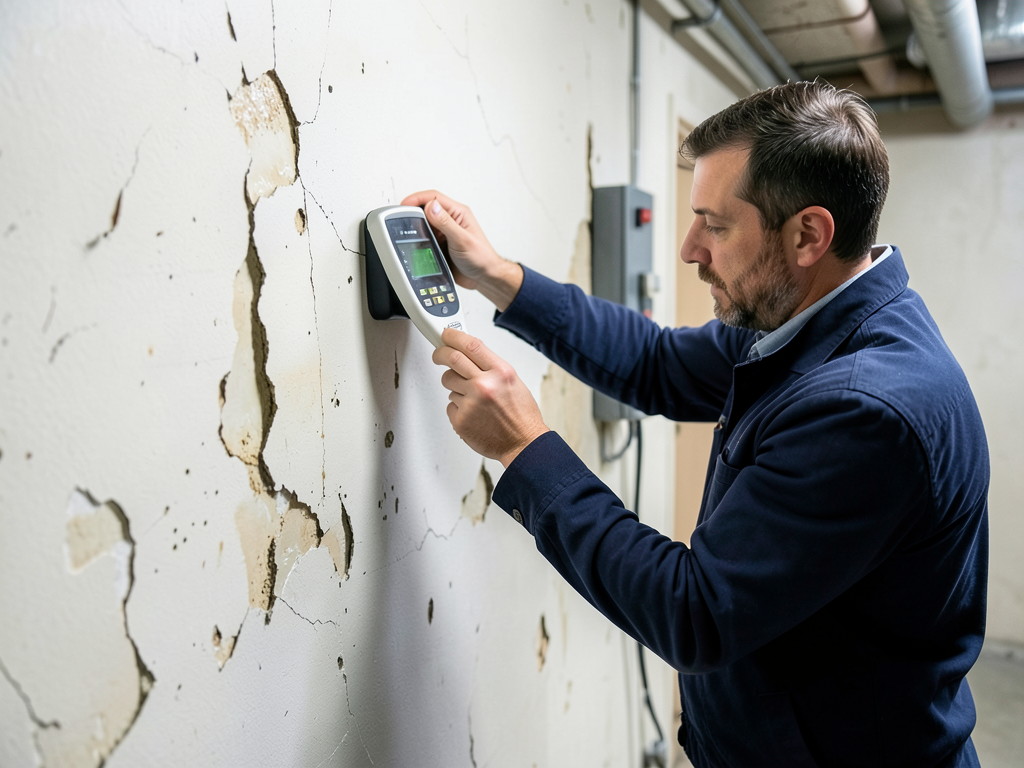
Understanding Actual Cash Value versus Replacement Cost after Water Damage in Your PRP Home When…
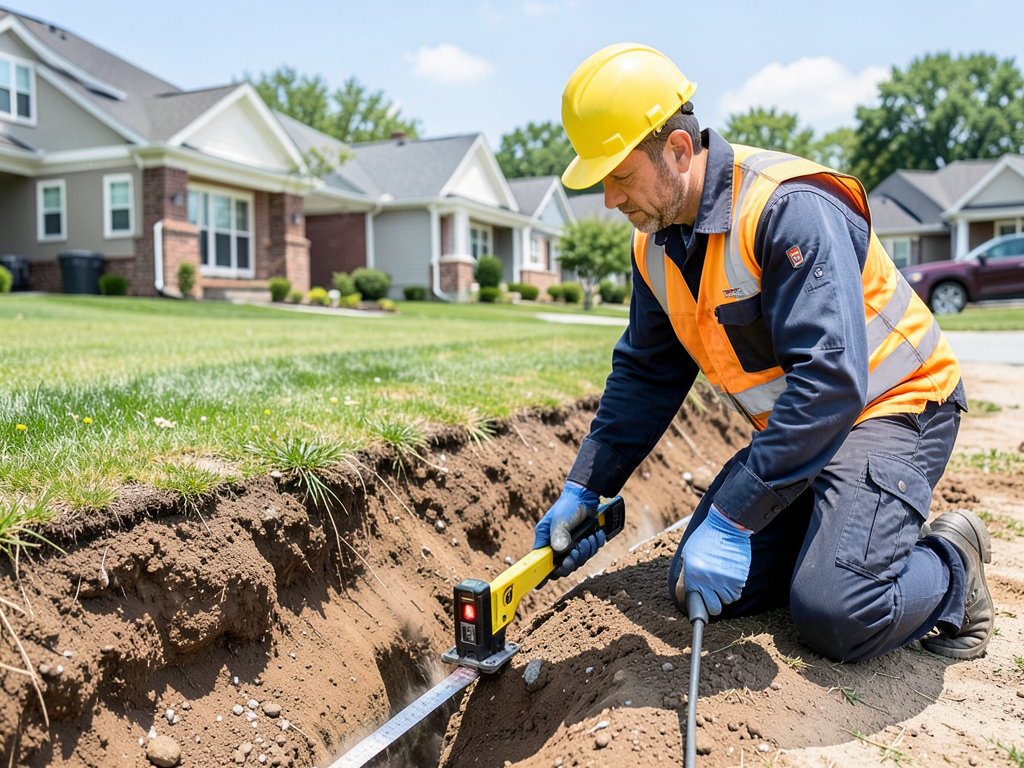
How Foundation Planting and Grading Can Save Your Highview Basement from Flooding Heavy spring rains…
Water damage gets worse every hour you wait. Call (502) 370-2711 now for immediate dispatch to your Jeffersontown property. We answer 24/7, arrive in under an hour, and start stopping the damage immediately. Your emergency is our priority.