


Menu

Understanding Categories of Water in Louisville – Know the Risk Level Before Restoration Begins

Louisville property owners face unique contamination challenges from Ohio River flooding and aging infrastructure. Learn the IICRC water categories that determine safety protocols, restoration timelines, and long-term health risks for your home or business.

Slider Image 1
Slider Image 2
Slider Image 3
Slider Image 4
Slider Image 5
Slider Image 7
Slider Image 8
Slider Image 9
Slider Image 10
Slider Image 11

Why Water Classification Matters in Louisville Properties

Not all water damage is the same. The water soaking your Louisville basement from last week's storm carries different health risks than the sewage backup from your mainline blockage. Understanding water damage categories is the difference between a safe cleanup and a contamination disaster.

The IICRC defines three distinct water contamination levels based on the source and pathogen load. Category 1 starts clean. Category 2 carries bacteria. Category 3 is grossly contaminated with sewage, chemicals, or toxins. But here's the critical factor most Louisville property owners miss: clean water does not stay clean.

Louisville's humid subtropical climate accelerates contamination. Category 1 water from a supply line break becomes Category 2 within 48 hours as bacteria colonize damp drywall and insulation. Leave it longer, and mold growth pushes it into Category 3 territory. The Ohio River's seasonal flooding introduces additional variables. Floodwater carries agricultural runoff, industrial discharge, and stormwater contaminants that immediately classify as Category 3 regardless of appearance.

Your restoration approach hinges on correct classification. Category 1 damage may allow salvage of carpet and drywall. Category 3 requires full removal and antimicrobial treatment. Misclassify the water quality, and you risk hidden microbial growth, structural decay, and serious respiratory illness. IICRC water categories are not suggestions. They are safety protocols based on pathogen science.

Louisville's older neighborhoods face higher risks. Aging cast iron sewer lines crack and leak. Combined sewer systems overflow during heavy rain. These infrastructure issues mean contaminated water enters properties faster and more frequently than newer developments.

Why Water Classification Matters in Louisville Properties
How Professional Restorers Classify Water Contamination

How Professional Restorers Classify Water Contamination

Elite Water Damage Restoration Louisville follows strict IICRC protocols for water quality assessment. We do not guess. We classify based on source, duration, and material contact.

Category 1 water originates from sanitary sources. Supply line breaks, water heater failures, and rainwater intrusion before ground contact all start here. The water contains no sewage, chemicals, or biological hazards. Restoration focuses on rapid extraction and structural drying before bacterial colonization begins.

Category 2 water contains significant contamination. Washing machine overflows, toilet bowl water without feces, and sump pump failures fall into this classification. The water carries bacteria, viruses, and organic material that cause illness through direct contact or ingestion. We treat Category 2 events with antimicrobial applications and dispose of porous materials like insulation and carpet padding.

Category 3 water is grossly unsanitary. Sewage backups, flooding from rivers or streams, and any water that contacted Category 3 sources requires aggressive remediation. We remove all porous materials that contacted the water. Hard surfaces receive thorough disinfection with EPA-registered antimicrobials. Air scrubbers with HEPA filtration remove airborne pathogens during the process.

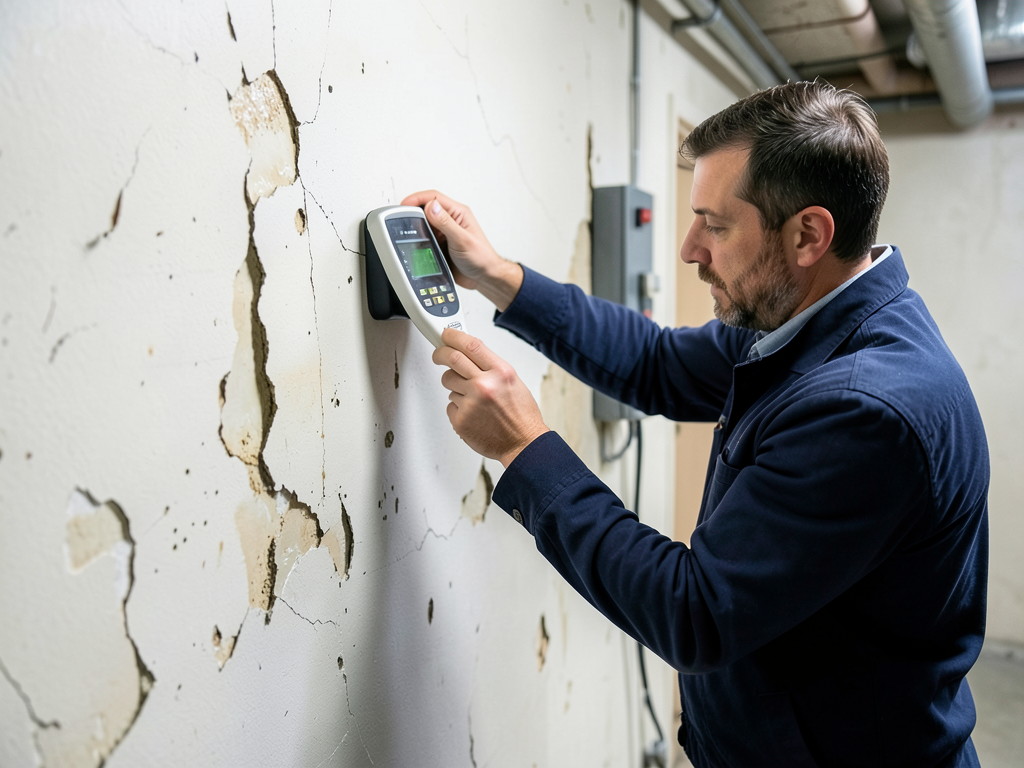
Time changes everything. Category 1 water left standing for 48 hours becomes Category 2 as bacteria multiply. Category 2 water advances to Category 3 as microbial growth explodes. We use moisture meters, thermal imaging, and borescopes to track water migration through wall cavities and subfloors. Hidden moisture pockets create secondary contamination zones that spread Category 3 conditions beyond the visible damage area.

Louisville's high humidity extends drying times and accelerates category progression. Standard drying equipment is insufficient in summer months when ambient moisture exceeds 70 percent.

How We Determine Your Water Contamination Level

Understanding Categories of Water in Louisville – Know the Risk Level Before Restoration Begins
01

Source Verification

We identify where the water originated and what it contacted before entering your property. Supply lines indicate Category 1. Drain lines suggest Category 2 or 3. Floodwater from outside automatically classifies as Category 3 due to contamination from soil, sewage systems, and chemical runoff. We trace water paths through building materials to map the full extent of contamination exposure.
02

Duration Assessment

We calculate how long water remained in contact with building materials and calculate category progression. Water present less than 24 hours may retain its original classification. Beyond 48 hours, we upgrade the category due to bacterial colonization and biofilm formation. We use moisture meters and thermal imaging to locate hidden water pockets that have been present longer than visible damage suggests.
03

Classification Documentation

We document the final water category determination with photos, moisture readings, and detailed notes for insurance claims and health documentation. This classification drives every decision about material removal, cleaning protocols, and safety equipment. We provide you with a written assessment that explains the contamination level, health risks, and specific remediation steps required to restore your property safely.

Why Louisville Property Owners Trust Our Classification Process

Water classification is not a guess. It requires training, experience, and understanding of how Louisville's specific conditions affect contamination spread.

Elite Water Damage Restoration Louisville maintains IICRC certification in water damage restoration. We follow the S500 Standard for water damage assessment and classification. This matters because insurance adjusters, health inspectors, and liability attorneys all reference IICRC standards. Incorrect classification puts you at risk for claim denials, health code violations, and legal exposure if contamination causes illness.

We know Louisville's infrastructure vulnerabilities. The combined sewer system in older neighborhoods means sewage backups happen during heavy rain when the system exceeds capacity. The Ohio River flood plain covers significant residential areas where groundwater intrusion carries agricultural and industrial contaminants. We adjust our classification protocols based on your property's location and the specific event conditions.

Our technicians carry calibrated moisture detection equipment, thermal imaging cameras, and EPA-registered antimicrobials rated for each water category. We document contamination levels with photos and lab reports when needed for insurance disputes or health department reviews.

Louisville's historic homes present unique challenges. Horsehair plaster, hardwood flooring, and basement stone foundations absorb water differently than modern materials. We understand which materials can survive Category 2 exposure with proper treatment and which require removal even in Category 1 events. This expertise saves you money by salvaging what's safe while protecting your health by removing what's compromised.

We provide written documentation of our classification process, material decisions, and safety protocols. This documentation protects your insurance claim and provides legal protection if contamination issues arise later. Water category classification is not cosmetic work. It is forensic assessment that determines your family's safety and your property's insurability.

What Happens After We Classify Your Water Damage

Immediate Safety Protocols

Category 3 water requires immediate containment. We establish negative air pressure barriers to prevent airborne pathogen spread to unaffected areas. Technicians wear personal protective equipment rated for sewage exposure, including respirators, eye protection, and impermeable suits. We shut off HVAC systems to prevent contamination distribution through ductwork. Category 2 events receive modified protocols with antimicrobial surface treatment and disposal of compromised porous materials. Category 1 damage allows occupancy during restoration if we can isolate the work area and prevent cross-contamination.

Material Removal Decisions

Water categories dictate what stays and what goes. Category 1 damage may allow carpet drying if we extract water within 24 hours and achieve complete structural drying within 72 hours. Category 2 requires carpet and pad removal in most cases due to bacterial contamination. Category 3 demands removal of all porous materials that contacted the water, including drywall, insulation, baseboards, and subflooring. We document removal decisions with photos and written explanations for your insurance claim. Hard surfaces like tile, concrete, and metal can survive all three categories with proper disinfection protocols.

Disinfection and Drying

Category 2 and 3 water require antimicrobial treatment of all affected surfaces before and after drying. We use EPA-registered disinfectants rated for the specific pathogens present in each water category. Air scrubbers with HEPA filtration remove airborne bacteria and mold spores during demolition and drying. Dehumidifiers and air movers run until moisture meters confirm complete structural drying. We take daily moisture readings and adjust equipment placement to address hidden moisture pockets. Final clearance testing confirms microbial levels have returned to normal ranges before reconstruction begins.

Documentation and Insurance Support

We provide detailed documentation of water category classification, material removal decisions, and disinfection protocols for your insurance claim. Photos, moisture logs, and equipment placement diagrams support your claim and demonstrate proper remediation procedures. We communicate directly with adjusters to explain why certain materials required removal based on IICRC water contamination standards. This documentation also protects you from future liability if contamination issues surface after sale or rental. Water category classification creates a paper trail that proves you took appropriate action to protect occupant health and property value.

Frequently Asked Questions

You Have Questions,
We Have Answers

What are the 5 types of water? +

Water damage restoration uses three categories, not five. Category 1 is clean water from supply lines or rain. Category 2 is gray water with contaminants from appliances like washing machines or dishwashers. Category 3 is black water containing sewage, bacteria, or floodwater. In Louisville, Ohio River flooding and heavy storms often bring Category 3 water into homes. Understanding these categories matters because cleanup protocols differ dramatically. Category 1 requires standard drying. Category 3 demands antimicrobial treatment and protective gear. Misidentifying water type during restoration can create health hazards and mold growth.

What are the three categories of water? +

The three water damage categories are Category 1, Category 2, and Category 3. Category 1 is clean water from broken pipes or supply lines. Category 2 is gray water containing chemical or biological contaminants from sources like sump pumps or washing machines. Category 3 is black water with sewage, pathogens, or outdoor floodwater. Louisville properties face all three types. Basement floods from spring rains often start as Category 1 but degrade to Category 2 within 48 hours as bacteria multiply. Knowing which category affects your property determines safety protocols and restoration costs.

What is category 1, 2, and 3 water? +

Category 1 water is clean and comes from sanitary sources like water supply lines or rainwater. Category 2 water contains contaminants and comes from appliances, aquariums, or toilet overflow without feces. Category 3 water is grossly unsanitary and contains sewage, rising floodwater, or standing water that sat over 72 hours. In Louisville, aging sewer systems and Ohio River proximity make Category 3 events common during heavy storms. Category 1 requires simple extraction and drying. Category 2 needs disinfection. Category 3 demands removal of porous materials like drywall and carpet because contamination cannot be fully removed.

What are the different water categories? +

Water damage falls into three distinct categories based on contamination level. Category 1 is clean water from potable sources. Category 2 is gray water with chemical or biological contaminants that can cause discomfort or illness. Category 3 is black water containing pathogenic agents, sewage, or heavy contamination. Louisville homes deal with all categories. Burst pipes create Category 1 damage. Backed-up dishwashers cause Category 2 issues. Sewer backups and river flooding bring Category 3 water. Each category requires different safety equipment, disposal procedures, and drying techniques. Category escalation happens quickly in Louisville's humid climate.

What are the 7 types of water? +

Water damage restoration recognizes three categories, not seven. These are Category 1 clean water, Category 2 gray water, and Category 3 black water. The confusion may come from mixing water categories with water damage classes. Classes describe the rate of evaporation and affected materials. Class 1 affects minimal porous materials. Class 2 involves fast evaporation. Class 3 comes from overhead sources. Class 4 requires specialty drying for materials like hardwood or plaster. Louisville restoration professionals assess both category and class. Category determines contamination risk. Class determines drying strategy and equipment needed for your specific property.

What are category 5 waters? +

Category 5 water does not exist in water damage restoration standards. The industry uses three categories. Category 1 is clean water. Category 2 is gray water with contaminants. Category 3 is black water with sewage or severe contamination. You may be thinking of FEMA flood zone classifications or wastewater treatment stages. For Louisville property owners facing water damage, focus on these three categories. They determine health risks and restoration procedures. Category 3 water from Ohio River flooding or sewage backups requires immediate professional intervention. Porous materials must be removed. Structural components need antimicrobial treatment before reconstruction begins.

What are the four classes of water? +

Water damage has four classes based on evaporation rate and affected materials. Class 1 involves minimal absorption and slow evaporation. Class 2 affects carpet and cushion with fast evaporation. Class 3 comes from overhead sources like roof leaks, saturating walls and ceilings. Class 4 requires specialty drying for low-porosity materials like hardwood, plaster, or concrete. Louisville properties often experience Class 3 damage from ice dam leaks in winter or roof storm damage. These classes differ from water categories. Categories measure contamination level. Classes determine drying time and equipment. Both factors affect restoration costs and timelines for your property.

What is category 3 water? +

Category 3 water is grossly contaminated and poses serious health risks. It contains sewage, rising floodwater from rivers or streams, ground surface water, or any water sitting stagnant for over 72 hours. Louisville properties frequently encounter Category 3 water from Ohio River flooding, sewer backups in older neighborhoods, or basement floods mixing with soil contaminants. This water carries bacteria, viruses, and parasites. Restoration requires protective gear, antimicrobial treatments, and removal of porous materials like drywall, insulation, and carpet. You cannot salvage these materials. Professional assessment prevents exposure to dangerous pathogens during cleanup.

What are all the types of waters? +

In water damage restoration, three main types exist. Clean water comes from supply lines or rain before ground contact. Gray water contains contaminants from appliances or fixtures. Black water includes sewage or floodwater with dangerous pathogens. Louisville properties also experience variations like ice dam meltwaters, condensation damage from HVAC systems, and groundwater seepage through foundation cracks. Each source creates specific challenges. River flooding brings silt and bacteria. Pipe bursts may seem clean but pick up contaminants as they travel through walls. Standing water degrades from clean to contaminated within 48 hours in Louisville's humidity, accelerating mold growth.

What are the 4 categories of water use? +

The four categories of water use are domestic, industrial, agricultural, and environmental. Domestic water serves homes and businesses for drinking, cooking, and sanitation. Industrial water supports manufacturing and cooling systems. Agricultural water irrigates crops and supports livestock. Environmental water maintains ecosystems and wetlands. This classification differs from water damage categories used in restoration. For Louisville property owners, understanding water source matters during damage events. Potable water from municipal supply creates Category 1 damage. Industrial contamination or agricultural runoff can escalate water to Category 2 or 3. Source identification determines proper cleanup protocols and safety measures for your property.

How Louisville's Combined Sewers Complicate Water Category Assessment

Louisville's Metropolitan Sewer District serves over 350,000 customers through a system that combines sanitary sewage and stormwater in older neighborhoods. When rainfall exceeds system capacity, untreated sewage discharges directly into the Ohio River and backs up into homes through floor drains and basement fixtures. This means heavy rain events automatically create Category 3 contamination risks even if you only see clear water in your basement. The combined system carries industrial discharge, medical waste, and household chemicals along with human sewage. You cannot visually identify contamination levels. Testing and proper classification protect your family from hepatitis, E. coli, and parasitic infections common in sewage-contaminated environments.

Elite Water Damage Restoration Louisville maintains relationships with local plumbers, environmental testing labs, and the health department to properly document and remediate contaminated water events. We understand how Louisville's specific infrastructure affects water quality classifications. Our technicians know which neighborhoods face higher sewage backup risks and how seasonal Ohio River levels influence groundwater contamination. This local expertise ensures we classify your water damage correctly the first time, preventing insurance claim disputes and protecting your property value. IICRC certification combined with Louisville-specific knowledge makes the difference between safe restoration and ongoing contamination problems.

Water Damage Services in The Louisville Area

Elite Water Damage Restoration is proud to serve the entire Louisville metropolitan area and surrounding communities. We are committed to providing top-tier water damage solutions to all residents and businesses in our service region. Feel free to explore our service map to confirm your location is within our coverage area or simply give us a call to discuss your specific needs. Our team is ready to help restore your property with speed and professionalism.

Address:
Elite Water Damage Restoration Louisville, 1000 E Kentucky St., Louisville, KY, 40204

Additional Services We Offer

Our news updates

Latest Articles & News from The Blogs

How to properly drain your outdoor faucets in Louisville to prevent an indoor pipe burst Water expands about 9% when…

How to properly drain your outdoor faucets in Louisville to prevent an indoor pipe burst

How to properly drain your outdoor faucets in Louisville to prevent an indoor pipe burst Water expands about 9% when…

Why drying the subfloor is more important than drying your actual hardwood in a Prospect home

Why drying the subfloor is more important than drying your actual hardwood in a Prospect home When water floods your…

Simple ways to test your Louisville sump pump before the spring rainy season hits

Simple ways to test your Louisville sump pump before the spring rainy season hits Your Louisville basement sits on heavy…

Contact Us

Wrong water category classification puts your health at risk and voids insurance coverage. Call Elite Water Damage Restoration Louisville at (502) 370-2711 for immediate assessment. We provide IICRC-certified water contamination classification and detailed documentation for your insurance claim.