




Menu

Soggy Insulation in Louisville – Fast Detection and Replacement Before Mold Takes Over

We identify water damaged insulation hidden in your attic and crawlspaces, then remove and replace saturated material before structural damage or toxic mold spreads through your Louisville home.

Slider Image 1
Slider Image 2
Slider Image 3
Slider Image 4
Slider Image 5
Slider Image 7
Slider Image 8
Slider Image 9
Slider Image 10
Slider Image 11

Why Soggy Insulation Is a Hidden Threat in Louisville Homes

You walk into your attic and notice a musty smell. The insulation feels heavy, compressed, and damp to the touch. That soggy insulation is not just losing its R-value. It is actively creating conditions for mold growth, wood rot, and structural decay inside your home.

Louisville's climate makes this problem worse. Our summers bring high humidity and frequent thunderstorms. Our winters deliver freeze-thaw cycles that crack roof flashing and push water through the smallest gaps. When moisture infiltrates your attic or crawlspace, the fiberglass or cellulose insulation absorbs it like a sponge. Wet insulation stops insulating. It traps moisture against wooden framing members. Within 48 hours, mold spores begin colonizing the damp material.

The Ohio River valley amplifies humidity levels year-round. Homes in neighborhoods like Old Louisville and the Highlands often have older roofing systems with compromised underlayment. A slow roof leak can saturate insulation for months before you notice water stains on your ceiling. By then, the soaked insulation has already damaged roof decking and introduced mold into your HVAC system.

Water damaged insulation also increases your energy bills. Saturated fiberglass loses up to 50 percent of its thermal resistance when wet. Your HVAC system runs longer to maintain temperature. You pay more every month while the problem worsens. Damp insulation does not dry out on its own in Louisville's humid climate. It needs professional removal and moisture remediation to stop the damage cycle.

Why Soggy Insulation Is a Hidden Threat in Louisville Homes
How We Remove and Replace Soggy Insulation the Right Way

How We Remove and Replace Soggy Insulation the Right Way

Elite Water Damage Restoration Louisville does not just pull out wet insulation and call it finished. We treat the source of the moisture, remediate contamination, and restore your thermal envelope to full performance.

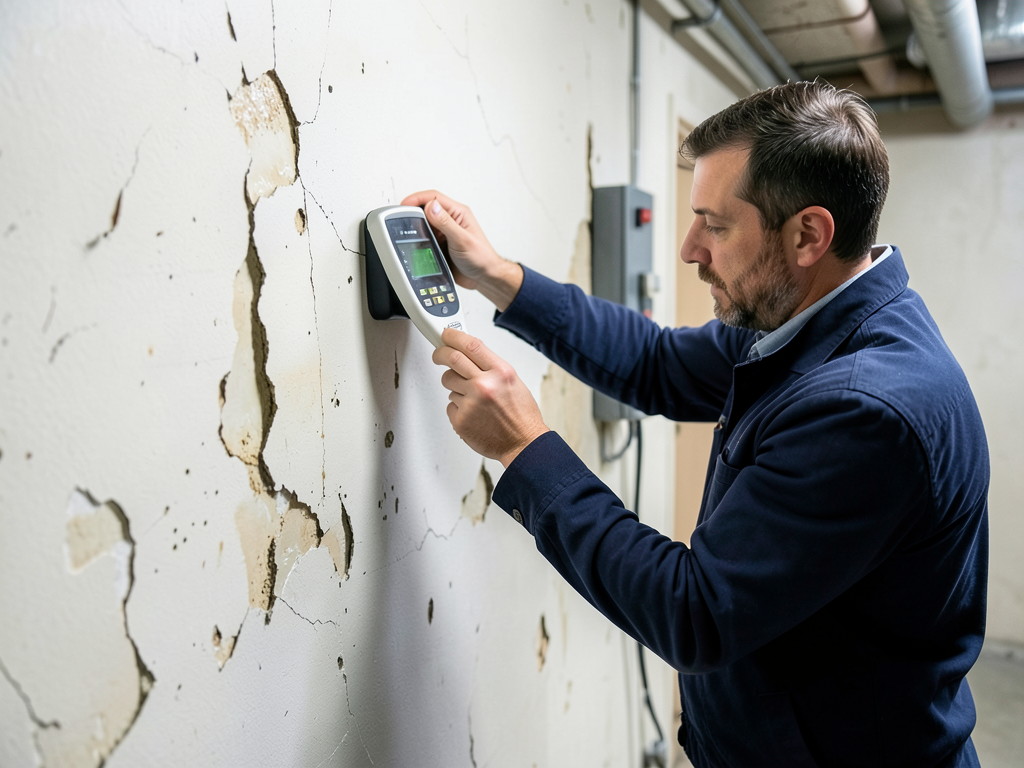
First, we use thermal imaging cameras to map the extent of the saturation. Wet insulation shows up as cold spots on infrared scans. This tells us where water is pooling and which sections need removal. We also use moisture meters to measure the water content in wooden framing members. If your roof decking or joists read above 20 percent moisture content, we flag those areas for further inspection and drying.

Next, we contain the work area to prevent cross-contamination. Mold spores become airborne when you disturb saturated insulation. We seal off the attic or crawlspace with plastic sheeting and run negative air machines with HEPA filtration. This keeps spores from spreading into your living space during removal.

We then remove all soaked insulation and bag it for disposal. If mold is present, we apply antimicrobial treatments to the exposed framing and sheathing. We dry the structural components using industrial dehumidifiers and air movers until moisture readings return to normal.

Once the space is dry and clean, we install new insulation to the correct R-value for Louisville's climate zone. We also identify and repair the moisture source, whether it is a roof leak, plumbing failure, or condensation issue. Replacing damp insulation without fixing the leak just resets the countdown to the next mold outbreak.

What Happens During Your Soggy Insulation Inspection and Removal

Soggy Insulation in Louisville – Fast Detection and Replacement Before Mold Takes Over
01

Thermal and Moisture Mapping

We arrive with thermal imaging equipment and moisture meters to scan your attic and crawlspaces. The infrared camera shows us exactly where water has compromised your insulation. We document moisture levels in framing and sheathing to assess structural risk. You receive a full map of the affected areas before we begin any work, so there are no surprises.
02

Containment and Safe Removal

We seal off the contaminated zone with plastic barriers and set up negative air scrubbers with HEPA filters. Our crew removes all saturated insulation, bagging it for proper disposal. If mold is present, we treat exposed surfaces with EPA-registered antimicrobials. We then dry the structure using commercial-grade dehumidifiers and air movers until all moisture readings normalize.
03

Replacement and Source Repair

After the space is dry and sanitized, we install new insulation to meet local energy code requirements. We also locate and repair the moisture source, whether it is a roof penetration, plumbing leak, or ventilation failure. You get documentation of the repair and the new insulation's R-value. Your home is protected from future water intrusion and energy loss.

Why Louisville Homeowners Trust Us With Water Damaged Insulation

Elite Water Damage Restoration Louisville understands the specific challenges Louisville homes face. We know that older homes in neighborhoods like Germantown and Crescent Hill often have inadequate attic ventilation. We know that newer builds in the East End can develop ice dam issues during cold snaps. We know that crawlspace insulation in homes near the floodplain absorbs groundwater during heavy rains.

Our crews have worked in every type of structure in the Louisville metro. We have removed moldy cellulose from century-old Victorians. We have replaced soaked spray foam in modern ranch homes. We have dried out crawlspaces in split-levels built on clay soil that shifts with seasonal moisture changes.

We also understand local building codes. Jefferson County has specific requirements for insulation R-values and vapor barrier installation. We meet those standards every time. When we replace your damp insulation, you get materials that comply with current energy efficiency regulations. That matters if you ever sell your home or file an insurance claim.

You also get transparent communication. We explain what we find, what needs to happen, and why. We document every phase with photos and moisture readings. You are not signing off on work you do not understand. You are partnering with a team that respects your property and your budget.

We work directly with your insurance adjuster if the water damage is covered. We provide the documentation your carrier needs to process the claim quickly. You do not chase paperwork or argue about scope. We handle the technical details so you can focus on getting your home back to normal.

What to Expect When You Call Us About Soggy Insulation

Same-Day Response for Active Leaks

If you have an active roof leak or plumbing failure causing water to pour into your insulation, we respond the same day. Our goal is to stop the water intrusion, contain the damage, and prevent mold from establishing itself. We bring tarps, extraction equipment, and temporary drying equipment on the first visit. For non-emergency situations where you have discovered old water damage, we schedule an inspection within 24 hours. Speed matters because mold begins growing within 48 hours of water exposure.

Detailed Moisture and Mold Assessment

We do not guess about the extent of the problem. We use calibrated moisture meters to measure water content in insulation, framing, and sheathing. We use thermal imaging to locate hidden pockets of saturation. If mold is visible or suspected, we collect air samples and surface swabs for lab analysis. You receive a written report with moisture readings, photos, and a scope of work. This report is detailed enough to submit to your insurance company if needed.

Complete Removal and Proper Disposal

We remove all water damaged insulation and dispose of it according to local waste regulations. If the insulation contains mold, we treat it as contaminated material and double-bag it for safe transport. We never leave moldy debris in your yard or driveway. Once removal is complete, we treat exposed wood with antimicrobial solutions and dry the structure to below 15 percent moisture content. You get a clean, dry space ready for new insulation installation.

Post-Remediation Verification and Prevention

After we install new insulation, we conduct a final moisture check to confirm the structure is dry. We provide you with before-and-after photos and a certificate of completion. We also give you a maintenance checklist to help prevent future moisture problems. This includes checking roof flashing, maintaining gutters, and monitoring attic ventilation. If the water damage was caused by a plumbing or roofing failure, we can refer you to trusted local contractors who specialize in those repairs.

Frequently Asked Questions

You Have Questions,
We Have Answers

Is insulation ruined if it gets wet? +

Yes, most insulation types are ruined if they get wet. Fiberglass and cellulose insulation lose their insulating ability when saturated because water displaces the air pockets that trap heat. Wet fiberglass clumps together and cannot regain its original form even after drying. Cellulose absorbs moisture like a sponge and promotes mold growth. In Louisville's humid climate, wet insulation rarely dries completely on its own. If water reaches your attic or crawl space insulation from a roof leak or pipe burst, you need immediate inspection. Wet insulation adds weight to ceiling joists and creates long-term moisture problems that damage structural components.

How to fix wet insulation? +

First, stop the water source causing the problem. Remove wet insulation immediately because it cannot be salvaged. Fiberglass and cellulose insulation must be bagged and disposed of properly. Before installing new insulation, dry the affected area completely using fans and dehumidifiers. In Louisville homes, check for hidden moisture in wall cavities and behind vapor barriers. Inspect wooden framing for rot or mold before replacing insulation. Use a moisture meter to confirm surfaces read below 15 percent moisture content. Choose replacement insulation appropriate for your climate zone. Professional water damage restoration ensures complete drying and prevents future mold issues.

Will mold grow in wet insulation? +

Yes, mold will grow in wet insulation. Cellulose and fiberglass insulation provide organic material and moisture that mold spores need to colonize. Mold can begin growing within 24 to 48 hours after insulation gets wet. Louisville's high humidity levels accelerate mold growth in damp insulation. Once mold establishes itself in insulation, it spreads to surrounding wood framing, drywall, and ceiling materials. You cannot clean moldy insulation. The entire contaminated section must be removed and discarded. Mold in insulation also degrades indoor air quality throughout your home. Fast action after water damage prevents mold from taking hold.

How long does it take wet insulation to dry out? +

Wet insulation does not dry out properly. Fiberglass insulation may surface-dry within days, but it remains compressed and useless. The material loses its ability to trap air and provide thermal resistance. Cellulose insulation stays damp for weeks in Louisville's humid conditions and promotes ongoing moisture problems. Even if insulation appears dry, moisture often remains trapped against framing members or vapor barriers. This hidden dampness causes rot and mold growth you cannot see. Relying on wet insulation to dry wastes time and money. Professionals remove wet insulation immediately to prevent structural damage and mold contamination.

How long does it take for mold to grow on wet insulation? +

Mold can begin growing on wet insulation within 24 to 48 hours. The timeline depends on temperature, humidity levels, and the type of insulation. In Louisville's warm, humid climate, mold growth happens fast. Cellulose insulation is especially vulnerable because it contains organic materials mold feeds on. Fiberglass insulation itself resists mold, but the paper backing and dust trapped in the fibers provide food for spores. Once water saturates insulation, the clock starts. You have a narrow window to remove wet materials before mold colonies establish themselves. Professional water damage restoration acts quickly to prevent contamination.

What does water damaged insulation look like? +

Water damaged insulation shows visible signs you can identify. Fiberglass insulation turns dark yellow or brown when wet and appears compressed or matted down. You may see water stains on the paper backing. Cellulose insulation looks clumped together and feels heavy. Wet insulation often sags away from floor joists or ceiling rafters. You might notice a musty odor in affected areas. In Louisville attics, check for discoloration after heavy rain or roof leaks. Wet insulation drips water when touched. Look for mold growth appearing as black, green, or white patches. If you see these signs, act immediately.

Does insulation need to be replaced after water damage? +

Yes, insulation needs replacement after water damage. Wet fiberglass and cellulose insulation cannot be dried and reused. The materials lose their insulating properties permanently when saturated. Water compresses fiberglass batts, destroying the air pockets that provide thermal resistance. Cellulose insulation absorbs moisture and becomes a breeding ground for mold. Even if insulation appears to dry, hidden moisture remains trapped against structural members. This creates ongoing problems including wood rot, mold growth, and decreased energy efficiency. Louisville homeowners should remove water damaged insulation immediately and install new material after the area dries completely. Trying to salvage wet insulation costs more long-term.

Can mold grow under spray foam insulation? +

Yes, mold can grow under spray foam insulation if moisture gets trapped. Spray foam creates an airtight seal, but if water enters from a roof leak or plumbing failure before installation, moisture becomes trapped against the substrate. Mold then grows on the wood sheathing or framing hidden beneath the foam. In Louisville homes, this happens when spray foam is applied over damp surfaces or during humid conditions without proper surface preparation. You cannot see mold growing under spray foam without removing sections. This makes early detection difficult. Proper surface drying and moisture testing before spray foam application prevents this problem.

Does it matter if insulation gets wet during build? +

Yes, it matters if insulation gets wet during construction. Wet insulation must be removed and replaced before closing up walls or ceilings. Fiberglass and cellulose insulation that gets rained on during a build loses effectiveness and promotes mold growth. In Louisville's climate, insulation exposed to weather during framing needs replacement. Builders sometimes ignore this issue to avoid delays and costs. Wet insulation trapped inside finished walls creates long-term moisture problems, mold contamination, and structural damage. Responsible contractors remove compromised insulation and verify framing is dry before installing new material. Do not let builders close up walls with wet insulation.

Why is it hard to sell a house with spray foam insulation? +

Spray foam insulation can complicate home sales because it makes future inspections and repairs difficult. The foam adheres permanently to roof decking and wall sheathing, preventing inspectors from examining wood for rot or damage. Buyers worry about hidden problems they cannot detect. Some mortgage lenders require expensive engineering reports before approving loans on homes with spray foam. In Louisville's older housing stock, spray foam applied incorrectly can trap moisture and cause structural damage. Removal costs thousands of dollars. These concerns make buyers nervous. Properly installed spray foam should not affect resale, but perception matters in real estate transactions.

How Louisville's Humidity and Rainfall Patterns Create Hidden Insulation Problems

Louisville averages over 45 inches of rain per year, with peak rainfall in spring and early summer. This consistent moisture load stresses roofing systems and creates ideal conditions for attic condensation. Homes built before 1990 often lack adequate ridge vents or soffit ventilation, which traps humid air in the attic. When that humid air contacts cool roof sheathing during winter months, it condenses and drips onto insulation. The result is slow, hidden saturation that you do not notice until mold appears or your energy bills spike.

Elite Water Damage Restoration Louisville has worked with hundreds of homeowners in Jefferson and Oldham counties. We understand the specific failure points in Louisville homes. We know that clay soil expansion can crack foundation walls and let groundwater into crawlspaces. We know that ice dams form on north-facing rooflines during January freezes. We know that older homes in the Highlands often have undersized gutters that overflow during heavy storms. This local knowledge lets us diagnose the root cause of your soggy insulation, not just treat the symptom.

Water Damage Services in The Louisville Area

Elite Water Damage Restoration is proud to serve the entire Louisville metropolitan area and surrounding communities. We are committed to providing top-tier water damage solutions to all residents and businesses in our service region. Feel free to explore our service map to confirm your location is within our coverage area or simply give us a call to discuss your specific needs. Our team is ready to help restore your property with speed and professionalism.

Address:
Elite Water Damage Restoration Louisville, 1000 E Kentucky St., Louisville, KY, 40204

Additional Services We Offer

Our news updates

Latest Articles & News from The Blogs

Why those rubber washing machine hoses are a ticking time bomb for your Fern Creek laundry room Every year thousands…

Why those rubber washing machine hoses are a ticking time bomb for your Fern Creek laundry room

Why those rubber washing machine hoses are a ticking time bomb for your Fern Creek laundry room Every year thousands…

Keeping your pets safe from mold and bacteria after a Louisville basement leak

Keeping Your Pets Safe from Mold and Bacteria After a Louisville Basement Leak A basement leak in Louisville creates immediate…

What to do in the first hour after finding a flood in your J-town home

What to do in the first hour after finding a flood in your J-town home Finding water pouring into your…

Contact Us

Soggy insulation will not dry on its own. Every day you wait, mold spreads and wood rot worsens. Call Elite Water Damage Restoration Louisville at (502) 370-2711 right now for a same-day inspection and transparent estimate.