




Menu

High Indoor Humidity Levels in Louisville – Expert Diagnosis and Permanent Moisture Control Solutions

Elite Water Damage Restoration Louisville specializes in identifying and eliminating high indoor humidity levels through advanced moisture testing, targeted dehumidification, and source remediation to protect your home from mold, structural damage, and air quality deterioration.

Slider Image 1
Slider Image 2
Slider Image 3
Slider Image 4
Slider Image 5
Slider Image 7
Slider Image 8
Slider Image 9
Slider Image 10
Slider Image 11

Why Louisville Homes Battle Excessive Indoor Moisture Year-Round

Louisville sits at the intersection of humid subtropical climate and the Ohio River floodplain. This geographic reality creates the perfect storm for elevated home humidity. During summer months, outdoor humidity regularly exceeds 70 percent, driving indoor moisture levels into the danger zone. Your HVAC system struggles to keep up. The result is condensation on windows, musty odors in closets, and damp basements that never fully dry.

The city's clay-heavy soil compounds the problem. Poor drainage around foundations allows groundwater to wick into crawl spaces and basement walls. Older homes in Highlands, Crescent Hill, and Old Louisville lack modern vapor barriers. Brick construction, common in these historic neighborhoods, absorbs moisture like a sponge. Once humidity exceeds 60 percent indoors, mold spores activate. Wood framing begins to soften. Dust mites thrive.

You notice it first in the basement. That sticky feeling when you walk downstairs. Water beading on cold pipes. Efflorescence blooming on concrete walls. These are symptoms of excess humidity in house conditions that will only worsen without intervention. High relative humidity indoors creates a cascade of problems. Paint peels. Hardwood floors cup. Insulation loses R-value. Your energy bills climb as your HVAC runs longer cycles trying to compensate.

The health risks are real. Indoor moisture problems trigger respiratory issues, aggravate asthma, and create ideal conditions for black mold growth. Children and elderly family members are especially vulnerable. Addressing excessive indoor moisture is not cosmetic. It is structural preservation and health protection.

Why Louisville Homes Battle Excessive Indoor Moisture Year-Round
How We Solve Elevated Home Humidity Using Science-Based Protocols

How We Solve Elevated Home Humidity Using Science-Based Protocols

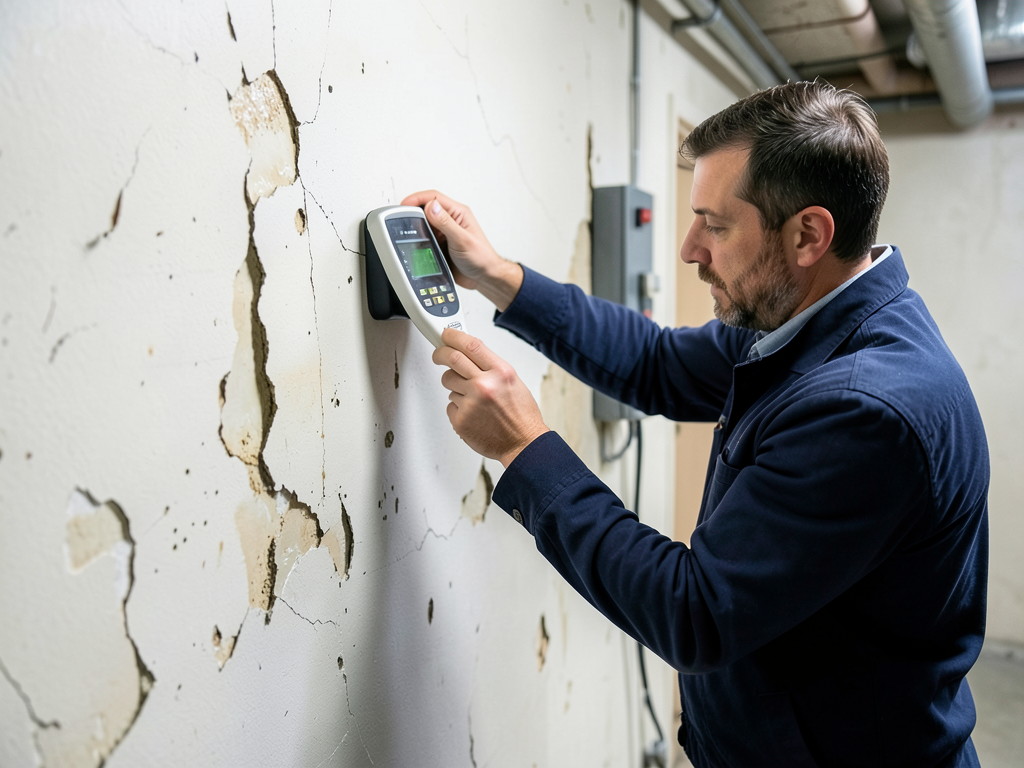
Elite Water Damage Restoration Louisville does not guess. We measure. Our technicians use calibrated thermo-hygrometers to establish baseline humidity readings in every room. We map your home's moisture profile using infrared thermal imaging cameras to detect hidden water intrusion behind walls and above ceilings. This diagnostic approach reveals the source, not just the symptom.

Most contractors throw a dehumidifier in your basement and call it solved. That addresses effect, not cause. We trace elevated home humidity back to its origin. Is groundwater seeping through foundation cracks? Are bathroom exhaust fans venting into attic spaces instead of outdoors? Is your crawl space unencapsulated, allowing soil moisture to evaporate into your living areas? Each scenario requires a different remediation strategy.

We deploy commercial-grade desiccant dehumidifiers that remove moisture even in cold environments where standard refrigerant units fail. For chronic basement moisture, we install perimeter drainage systems and sump pumps to intercept groundwater before it enters your foundation. Crawl space encapsulation with 6-mil polyethylene vapor barriers stops soil moisture transmission. We seal rim joists with closed-cell spray foam to eliminate convective air currents that pull humid outdoor air into conditioned spaces.

Our approach follows IICRC S500 standards for water damage restoration. We verify results with post-remediation moisture readings. Your indoor relative humidity should stabilize between 30 and 50 percent. Anything above 60 percent supports mold colonization. Anything below 30 percent causes wood shrinkage and respiratory discomfort. We dial in the optimal range for Louisville's climate and your home's construction type.

What Happens During Your Humidity Assessment and Remediation

High Indoor Humidity Levels in Louisville – Expert Diagnosis and Permanent Moisture Control Solutions
01

Comprehensive Moisture Mapping

We conduct room-by-room humidity readings using calibrated instruments. Thermal imaging cameras scan walls, ceilings, and floors to locate hidden moisture intrusion. We test crawl spaces, attics, and basements separately since these buffer zones often show different readings than living areas. This data establishes your home's unique moisture signature and identifies problem zones requiring intervention.
02

Source Identification and Remediation

After mapping, we trace elevated readings to their origin. Common culprits include foundation seepage, plumbing leaks, inadequate ventilation, or compromised vapor barriers. We address structural issues like foundation cracks with hydraulic cement or epoxy injection. Ventilation problems get corrected through proper exhaust fan installation or attic venting improvements. Crawl spaces receive vapor barriers and perimeter drainage if needed.
03

Controlled Dehumidification and Verification

We position commercial dehumidifiers based on airflow patterns and moisture concentration zones. Equipment runs continuously with daily monitoring until indoor humidity stabilizes in the target range. Final verification testing confirms every area meets IICRC standards. You receive documentation showing before and after readings. We provide maintenance recommendations to prevent future moisture accumulation, including seasonal HVAC filter changes and gutter maintenance schedules.

Why Louisville Homeowners Trust Our Humidity Control Expertise

Louisville's housing stock presents unique challenges. The city has one of the highest percentages of pre-1940 construction in the region. These homes were built before modern building science understood vapor dynamics. Balloon framing, common in early 20th-century construction, creates open pathways for moisture migration. Basements were dug by hand with minimal waterproofing. Foundation drains often consist of clay tile that has collapsed or filled with sediment over decades.

Elite Water Damage Restoration Louisville has spent years learning how these older homes behave. We know that shotgun houses in Portland and Germantown need different moisture control strategies than mid-century ranches in St. Matthews. Historic brick homes require breathable solutions that do not trap moisture inside wall cavities. We understand local soil conditions and how the Water Company's infrastructure affects basement moisture in different neighborhoods.

Our technicians hold IICRC certifications in water damage restoration and applied structural drying. We use the same diagnostic tools employed by forensic engineers in litigation cases. When we tell you the source of your indoor moisture problems, we can show you the thermal image and moisture meter readings to prove it. No speculation. No upselling unnecessary services.

We also navigate Louisville's building permit requirements for structural modifications. Installing a sump pump or perimeter drain system requires permits in Jefferson County. We handle the paperwork and inspections. Our work meets or exceeds local building codes, which protects your home's resale value and prevents insurance claim complications down the road.

You get straight answers about what is causing your elevated home humidity and what it will take to fix it permanently. We have seen every moisture scenario this city can produce, from spring flooding along Beargrass Creek to summer condensation in poorly insulated attics.

What to Expect When You Call for Humidity Assessment

Rapid Response and Scheduling Flexibility

We understand that excessive indoor moisture affects your daily comfort and health. Our scheduling team coordinates assessment visits within 24 to 48 hours of your call. Emergency situations like sudden flooding or sewage backups receive same-day dispatch. We work around your schedule, including evenings and weekends. The initial assessment typically takes 90 minutes to two hours, depending on your home's size and complexity. You receive a written scope of work before any remediation begins, detailing what we found and our recommended solution path.

Detailed Diagnostic Evaluation Process

Our technician arrives with professional moisture detection equipment and performs a systematic inspection. We check all potential moisture sources, including plumbing fixtures, HVAC condensate drains, foundation walls, crawl spaces, and attic ventilation. You walk through the findings with us in real time. We show you the thermal images and explain what the readings mean. This transparency helps you understand the scope of the problem and why certain interventions are necessary. You are not dealing with a salesperson. You are working with a trained water damage specialist.

Verified Results and Healthy Indoor Environment

After remediation, your home's indoor humidity stabilizes in the optimal 30 to 50 percent range. Musty odors disappear. Condensation on windows stops. Mold growth halts and existing colonies dry out and become non-viable. Your HVAC system runs more efficiently because it is not fighting constant moisture infiltration. Wood flooring stops cupping. You breathe easier. Final testing documents the improvement with side-by-side comparisons of before and after readings. This documentation is valuable for insurance claims and future property transactions.

Ongoing Monitoring and Prevention Guidance

Humidity control is not a one-time fix. Seasonal changes and aging infrastructure require ongoing attention. We provide a customized maintenance plan based on your home's specific vulnerabilities. This includes recommended inspection intervals for sump pumps, dehumidifier filter changes, and gutter cleaning schedules. We offer annual follow-up inspections to catch developing issues before they become expensive problems. Our goal is to give you the knowledge and tools to maintain healthy indoor humidity levels year-round. You also receive our direct line for questions that come up between service visits.

Frequently Asked Questions

You Have Questions,
We Have Answers

Why is my indoor humidity so high? +

High indoor humidity in Louisville typically stems from poor ventilation, plumbing leaks, or basement moisture intrusion. The Ohio River Valley climate creates naturally humid conditions that seep into homes through crawl spaces and foundations. Common culprits include blocked HVAC drainage, bathroom exhaust fans that vent into attics instead of outside, and groundwater penetration through foundation cracks. Louisville's clay soil retains moisture, which creates hydrostatic pressure against basement walls. Check for condensation on windows, musty odors, or visible water stains. These signs indicate excess moisture that needs immediate attention to prevent mold growth and structural damage.

What is the best humidity level for eczema? +

For eczema sufferers in Louisville, maintain indoor humidity between 40-50 percent. This range keeps skin hydrated without creating conditions for dust mites and mold, which worsen symptoms. Louisville's humid summers can push indoor levels too high, triggering flare-ups, while winter heating drops humidity too low, causing dry skin cracking. Use a hygrometer to monitor levels in bedrooms and living spaces. Run dehumidifiers during muggy months and add humidifiers when forced-air heating runs constantly. Consistent humidity control reduces eczema triggers and improves skin barrier function. Pair humidity management with dermatologist-recommended skincare for best results.

How humid is too humid in a house? +

Indoor humidity above 60 percent is too high for Louisville homes. At this level, you create ideal conditions for mold spores to germinate within 24-48 hours. You will notice condensation forming on windows, damp feeling air, and musty odors in closets or basements. Dust mites thrive above 50 percent humidity, worsening allergies. Wood flooring may cup or warp, and drywall can develop soft spots. The EPA recommends keeping levels between 30-50 percent year-round. Louisville's summer humidity often exceeds 70 percent outdoors, making dehumidification essential for homes without proper ventilation or HVAC control.

What is an unsafe indoor humidity level? +

Unsafe indoor humidity levels exceed 60 percent or drop below 25 percent. Above 60 percent, mold growth accelerates, dust mites multiply, and respiratory problems worsen. Louisville homes in flood-prone neighborhoods near Beargrass Creek face particular risk during spring storms. High humidity damages insulation, rots wood framing, and corrodes metal fixtures. Below 25 percent causes respiratory irritation, nosebleeds, and increased virus transmission. Winter heating in Louisville can drop humidity this low. Both extremes compromise structural integrity and health. Install humidity monitors in basements and main living areas. Take corrective action immediately when readings fall outside the 30-50 percent safe range.

How to fix a house with high humidity? +

Fix high humidity by addressing the source first, then controlling airflow. Check gutters and downspouts to ensure water drains away from your foundation. Seal basement cracks and install vapor barriers in crawl spaces. Run exhaust fans during showers and cooking. Service your HVAC system to ensure proper drainage and airflow. Louisville homes often need supplemental dehumidification beyond AC capacity during humid months. Place dehumidifiers in basements and moisture-prone areas. Ensure dryer vents exhaust outside, not into attics. If problems persist after these steps, you may have hidden water intrusion requiring professional moisture mapping and targeted remediation.

Does opening a window reduce humidity? +

Opening windows reduces humidity only when outdoor air is drier than indoor air. In Louisville, this works during cooler months or after cold fronts pass. During summer, outdoor humidity often exceeds 70 percent, making open windows counterproductive. You would introduce more moisture, forcing your AC to work harder. Check outdoor humidity with a weather app before opening windows. Early morning hours in spring and fall offer the best conditions for natural ventilation. Cross-ventilation helps when outdoor humidity drops below your indoor levels. Otherwise, rely on dehumidifiers and proper HVAC operation to control moisture during Louisville's muggy season.

How Louisville's Ohio River Proximity Creates Chronic Basement Humidity Issues

Louisville's location along the Ohio River floodplain means groundwater tables fluctuate throughout the year. Spring rains and river stage increases push water laterally through soil, pressurizing foundations from below and from the sides. The city's predominant soil type, Crider silt loam and Zanesville clay, has poor drainage characteristics. Water does not percolate downward quickly. Instead, it saturates the upper soil profile and seeks entry through any foundation penetration or crack. This is why basement moisture spikes after heavy rain, even if your basement has never flooded. The water is coming through porous concrete and mortar joints, not over the top of your foundation wall.

Elite Water Damage Restoration Louisville has built relationships with structural engineers and foundation specialists throughout Jefferson County. We understand local building practices from different construction eras. Our solutions comply with Louisville Metro's residential building codes, including the International Residential Code amendments specific to Kentucky. When we install drainage systems or vapor barriers, inspectors recognize our work meets professional standards. This local expertise protects your investment and ensures solutions that hold up to Louisville's unique climate and geology, not generic fixes imported from drier regions.

Water Damage Services in The Louisville Area

Elite Water Damage Restoration is proud to serve the entire Louisville metropolitan area and surrounding communities. We are committed to providing top-tier water damage solutions to all residents and businesses in our service region. Feel free to explore our service map to confirm your location is within our coverage area or simply give us a call to discuss your specific needs. Our team is ready to help restore your property with speed and professionalism.

Address:
Elite Water Damage Restoration Louisville, 1000 E Kentucky St., Louisville, KY, 40204

Additional Services We Offer

Our news updates

Latest Articles & News from The Blogs

Why those rubber washing machine hoses are a ticking time bomb for your Fern Creek laundry room Every year thousands…

Why those rubber washing machine hoses are a ticking time bomb for your Fern Creek laundry room

Why those rubber washing machine hoses are a ticking time bomb for your Fern Creek laundry room Every year thousands…

Keeping your pets safe from mold and bacteria after a Louisville basement leak

Keeping Your Pets Safe from Mold and Bacteria After a Louisville Basement Leak A basement leak in Louisville creates immediate…

What to do in the first hour after finding a flood in your J-town home

What to do in the first hour after finding a flood in your J-town home Finding water pouring into your…

Contact Us

High indoor humidity is actively damaging your home right now. Every day you wait, mold colonies expand and wood framing absorbs more moisture. Call Elite Water Damage Restoration Louisville at (502) 370-2711 for a professional humidity assessment. We will show you exactly what is happening and how to fix it permanently.