


Menu

Risks of DIY Water Cleanup in Louisville | Why Amateur Extraction Can Cost You Thousands More

Hidden dangers of DIY water damage restoration include mold growth, structural collapse, and electrical hazards that most homeowners miss during self-managed water mitigation attempts.

Slider Image 1
Slider Image 2
Slider Image 3
Slider Image 4
Slider Image 5
Slider Image 7
Slider Image 8
Slider Image 9
Slider Image 10
Slider Image 11

Why Louisville Homeowners Face Unique Water Damage Challenges

Louisville's position along the Ohio River creates a humidity profile that accelerates mold colonization after water intrusion. When you attempt DIY water cleanup, you face dangers of DIY water damage restoration that are amplified by our 75% average annual humidity. Water wicks into subflooring and wall cavities within hours, creating hidden moisture reservoirs that consumer-grade equipment cannot detect.

The hazards of do-it-yourself water removal become severe in Louisville's older housing stock. Homes built before 1970, which represent a significant portion of the Highlands and Old Louisville neighborhoods, contain plaster walls that absorb water like a sponge. These materials require specialized drying protocols that shop vacs and box fans cannot provide. The consequences of amateur water cleanup manifest three to six weeks later when black mold blooms behind walls or when floor joists begin to sag from prolonged moisture exposure.

Louisville's clay-heavy soil compounds the problem. Water damage often originates from foundation seepage or sewer backups, both common in areas with expansive clay soil. When you tackle these situations without proper containment protocols, you risk spreading contaminated water throughout your living space. The hidden risks of self-managed water mitigation include cross-contamination with sewage bacteria, exposure to chemical residues, and structural damage that insurance adjusters will classify as homeowner negligence. The pitfalls of DIY water extraction go beyond equipment limitations. You are working against a 24-to-48-hour window before secondary damage becomes irreversible.

Why Louisville Homeowners Face Unique Water Damage Challenges
How Professional Water Damage Mitigation Prevents Long-Term Structural Failure

How Professional Water Damage Mitigation Prevents Long-Term Structural Failure

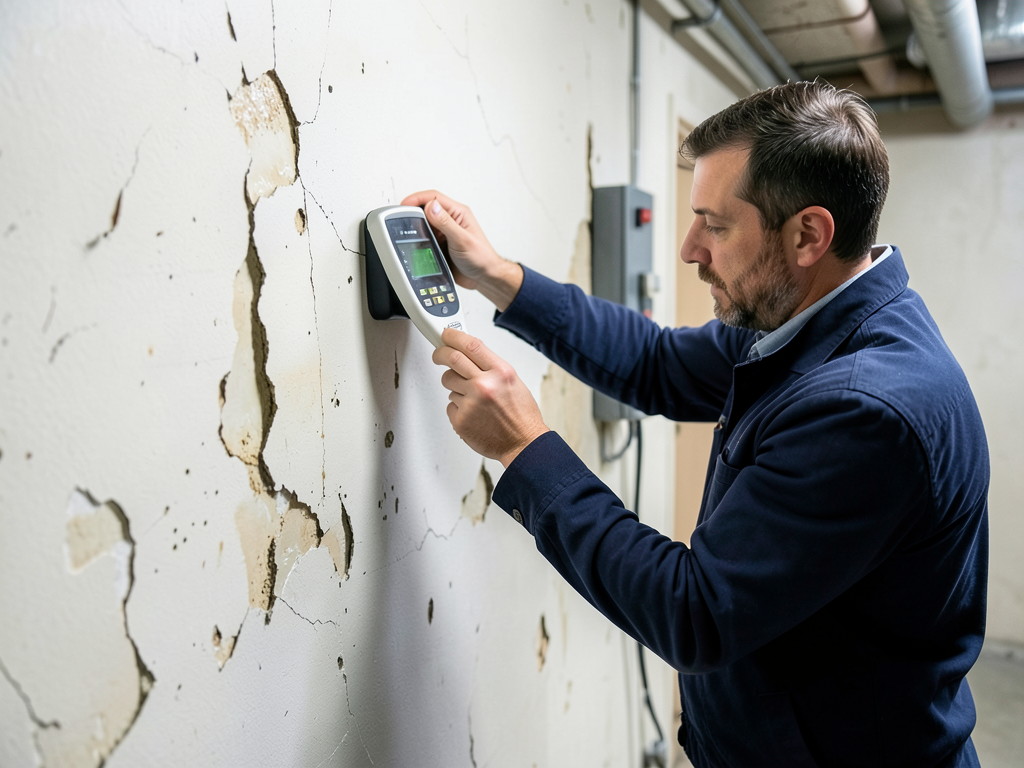
Professional water damage restoration follows IICRC S500 standards, which specify moisture mapping, controlled drying, and antimicrobial treatment. We deploy thermal imaging cameras to identify trapped moisture in wall cavities and ceiling voids that remain invisible to the naked eye. These tools detect temperature differentials that indicate wet building materials, allowing us to target extraction and drying equipment with precision.

Our truck-mounted extraction units generate 400 CFM suction capacity, removing standing water and embedded moisture from carpet padding, subfloors, and concrete slabs. We then position industrial dehumidifiers calibrated to specific grain depression rates. This calculation determines how quickly we can pull moisture from the air without creating surface condensation that would restart the damage cycle.

Structural drying requires airflow management. We create negative air pressure in affected rooms using air movers positioned at strategic angles. This prevents humid air from migrating into unaffected spaces and concentrates drying power where it is needed. We monitor progress with moisture meters that measure wood moisture content and concrete relative humidity, adjusting equipment placement every 12 hours based on logarithmic drying curves.

Chemical remediation follows extraction. We apply EPA-registered antimicrobials to all affected surfaces, preventing mold spore germination during the drying phase. For category 3 water damage involving sewage or floodwater, we remove porous materials like drywall and insulation that cannot be adequately sanitized. This protocol protects you from long-term health risks that DIY methods cannot address. Documentation of every step ensures your insurance claim receives proper consideration without disputes over scope or methodology.

What Happens During Professional Water Damage Assessment

Risks of DIY Water Cleanup in Louisville | Why Amateur Extraction Can Cost You Thousands More
01

Immediate Moisture Detection

Within one hour of arrival, our technicians deploy thermal imaging and moisture meters to map water distribution throughout your property. We identify hidden saturation in walls, ceilings, and subfloors that visual inspection cannot reveal. This data determines equipment placement and drying strategy. We categorize the water source as clean, gray, or black water, which dictates safety protocols and material removal requirements. You receive a detailed moisture map showing every affected area.
02

Controlled Water Extraction

We extract standing water using truck-mounted pumps and weighted extraction wands that pull moisture from carpet padding and concrete. Submersible pumps handle deep water in basements and crawl spaces. We then apply controlled drying using commercial dehumidifiers and air movers positioned based on psychrometric calculations. This phase typically runs 72 to 96 hours with daily monitoring and equipment adjustment. We maintain detailed logs of temperature, humidity, and material moisture content to ensure complete drying.
03

Antimicrobial Treatment and Verification

Once moisture readings reach acceptable levels, we apply antimicrobial solutions to all affected surfaces. We fog enclosed spaces to treat areas that direct application cannot reach. Final verification includes post-remediation moisture testing and air quality sampling if mold growth occurred. You receive documentation showing before and after readings, treatment protocols used, and certification that your property meets industry drying standards. This record supports your insurance claim and provides proof of professional mitigation.

Why Louisville Property Owners Choose Elite Water Damage Restoration

Elite Water Damage Restoration Louisville operates with full knowledge of Jefferson County building codes and Louisville Metro flood zone designations. We understand how the Beargrass Creek watershed affects properties in the Highlands and how Ohio River flood patterns impact Butchertown and Portland neighborhoods. This geographic expertise allows us to anticipate secondary damage risks that out-of-area contractors miss.

Our technicians hold IICRC Water Damage Restoration certification and complete annual continuing education on emerging restoration techniques. We maintain relationships with structural engineers and industrial hygienists for complex cases requiring specialized assessment. When a project involves historical properties in Old Louisville or St. Matthews, we coordinate with preservation specialists to protect architectural details while executing necessary demolition and drying procedures.

Insurance coordination is a core service. We document damage using Xactimate estimating software, the same platform most insurance adjusters use. This ensures your claim reflects accurate scope and pricing without disputes that delay payment. We provide detailed photo documentation, moisture readings, and daily progress reports that satisfy adjuster requirements. Many Louisville property owners discover their insurance covers more than they initially thought when claims are properly documented.

Our response time averages 90 minutes for emergency calls within Louisville Metro. We stock equipment and materials locally, eliminating delays from supply chain issues. You work with the same project manager from initial assessment through final verification, avoiding communication gaps that plague larger franchise operations. We operate 24/7 because water damage does not wait for business hours, and neither do we.

What to Expect During Professional Water Damage Restoration

Rapid Emergency Response

We dispatch technicians within 90 minutes of your call, arriving with truck-mounted extraction equipment and industrial drying tools. Initial water removal begins immediately, even during overnight hours or weekends. Our emergency service prevents the exponential damage increase that occurs during the first 24 hours. We secure your property, stop active leaks when possible, and begin documentation for insurance purposes. You receive a verbal assessment of damage severity and expected timeline before we start work. This immediate intervention reduces overall restoration costs and prevents mold colonization.

Comprehensive Moisture Assessment

Our initial assessment includes thermal imaging of all potentially affected areas, even those without visible water damage. We test moisture levels in flooring, walls, and ceilings using penetrating and non-penetrating meters. You receive a written moisture map identifying affected materials and moisture content percentages. We classify the water category and damage class according to IICRC standards, which determines the equipment and protocols required. This assessment takes 45 to 90 minutes depending on property size. We explain our findings in clear terms and answer questions about the restoration process before beginning work.

Complete Structural Drying

Drying typically requires three to five days of continuous equipment operation with daily monitoring and adjustment. We achieve structural drying by maintaining specific temperature and humidity levels that maximize evaporation without causing secondary damage. Our technicians visit daily to record moisture readings, reposition equipment, and assess drying progress. You receive updates showing moisture reduction in specific materials. We do not remove equipment until all affected materials reach acceptable moisture levels verified by meter readings. The result is complete drying that prevents mold growth and structural weakening, backed by documentation that satisfies insurance requirements.

Post-Restoration Verification and Documentation

We provide a certificate of completion that includes final moisture readings, antimicrobial treatment records, and photos documenting the restoration process. This documentation proves your property has been professionally restored to pre-loss condition. You receive recommendations for repairs needed beyond our scope, such as painting or flooring replacement. We offer referrals to licensed contractors for reconstruction work if needed. For properties with mold growth, we can arrange independent air quality testing to verify successful remediation. This documentation package supports your insurance claim and provides peace of mind that hidden moisture problems will not emerge later.

Frequently Asked Questions

You Have Questions,
We Have Answers

Can you do water remediation yourself? +

You can handle minor spills with towels and fans, but significant water damage requires professional equipment. DIY efforts miss hidden moisture in wall cavities, subflooring, and insulation. Louisville's high humidity makes incomplete drying a serious risk. Residential-grade wet vacs and fans cannot extract water from porous materials or measure moisture levels accurately. You also lack access to antimicrobial treatments that prevent mold growth. Insurance companies often deny claims when DIY cleanup fails and secondary damage occurs. Professional restoration uses thermal imaging, industrial dehumidifiers, and air movers to dry structures completely, protecting your investment.

Can mold from water damage make you sick? +

Yes. Mold produces mycotoxins and allergens that trigger respiratory problems, headaches, skin irritation, and fatigue. People with asthma, allergies, or compromised immune systems face greater risks. Black mold releases spores that irritate airways and cause chronic coughing. Louisville's humid climate accelerates mold growth after water events, often within 24 to 48 hours. Exposure symptoms range from sneezing and congestion to serious lung infections in vulnerable individuals. Children and elderly residents are particularly susceptible. If you smell musty odors or see visible growth after water damage, evacuate affected areas and contact professionals immediately.

How long can drywall be wet before mold? +

Mold can begin growing on wet drywall within 24 to 48 hours in Louisville's humid conditions. Drywall is porous and absorbs water quickly, creating ideal conditions for spore germination. The paper backing on drywall panels provides cellulose that feeds mold colonies. Temperature and existing spore concentration affect growth speed. You cannot always see early mold development because it starts inside wall cavities. Once drywall stays wet beyond 48 hours, replacement is often necessary. Professional moisture meters detect saturation levels invisible to the eye, helping determine if drying is possible or if removal is required.

How long does it take for water to damage foundation? +

Water can begin affecting foundation integrity within hours, but serious structural damage typically develops over days to weeks. Hydrostatic pressure builds as soil around your foundation absorbs water, pushing against basement walls. Louisville's clay soil expands dramatically when saturated, creating uneven pressure that cracks concrete. Prolonged exposure weakens mortar joints and erodes foundation materials. Surface water pooling near your foundation can undermine footings and create voids beneath slabs. Chronic moisture issues cause efflorescence, spalling, and eventual structural failure. Quick water removal and proper grading prevent long-term foundation problems.

Can I safely remove black mold myself? +

No. Black mold removal requires containment, negative air pressure, and specialized protective equipment. Disturbing colonies releases thousands of spores into your air, spreading contamination throughout your home. You need respirators rated for mold spores, not basic dust masks. Black mold often indicates serious moisture problems within wall cavities and HVAC systems. Improper removal makes people sick and spreads the problem. Louisville's humidity means mold returns quickly without addressing the moisture source. Professional remediation includes HEPA filtration, antimicrobial treatment, and post-cleaning air quality testing. Your health and property value depend on proper removal.

What is the safest method to purify water at home? +

This question relates to drinking water purification, not water damage restoration. For emergency drinking water during disasters, boiling water for one minute kills most pathogens. Filtration systems with activated carbon remove chemicals and sediment. Distillation removes heavy metals and minerals. UV light purifiers kill bacteria and viruses without chemicals. However, if you face contaminated floodwater or sewage backup in your Louisville home, you need professional water damage restoration. Category 3 water contains dangerous bacteria and requires specialized extraction, disinfection, and disposal. Do not attempt to clean contaminated water yourself.

What are the 10 warning signs of mold toxicity? +

Mold toxicity symptoms include chronic fatigue, brain fog, difficulty concentrating, headaches, joint pain, muscle weakness, respiratory issues, sinus congestion, skin rashes, and increased urination. Some people experience mood changes, sensitivity to light, numbness, or digestive problems. Symptoms worsen with continued exposure and often mimic other conditions, making diagnosis difficult. Louisville residents exposed to water-damaged buildings may develop sensitivity over time. Children show symptoms faster than adults. If multiple household members feel sick without clear cause, inspect for hidden mold growth. Medical testing and professional mold assessment identify exposure levels and contamination sources.

How long before water damage becomes mold? +

Water damage can produce mold within 24 to 48 hours in Louisville's climate. Humidity levels above 60 percent and temperatures between 60 and 80 degrees create ideal growth conditions. Porous materials like drywall, insulation, carpet, and wood absorb moisture quickly and retain it longer. Mold spores exist naturally in air and only need moisture to colonize surfaces. The clock starts immediately when water contacts building materials. Professional water extraction and drying within the first 24 hours significantly reduces mold risk. Delayed response guarantees mold growth and increases restoration costs substantially.

What are the symptoms of Cirs? +

Chronic Inflammatory Response Syndrome occurs when your immune system overreacts to biotoxins from mold, bacteria, or other triggers. Symptoms include fatigue, weakness, aching, cramping, headaches, light sensitivity, memory problems, difficulty concentrating, joint pain, morning stiffness, respiratory issues, sinus problems, cough, shortness of breath, appetite changes, sweating, temperature regulation issues, increased thirst, static shocks, vertigo, and metallic taste. CIRS affects multiple body systems simultaneously. Diagnosis requires specific blood markers and visual contrast sensitivity testing. Water-damaged buildings in Louisville often harbor mold and bacteria that trigger CIRS in susceptible individuals. Professional remediation eliminates biotoxin sources.

How Louisville's Flood Zone Geography Amplifies DIY Water Cleanup Risks

Louisville sits at the confluence of multiple waterways, placing significant portions of the city in FEMA-designated flood zones. The Beargrass Creek system runs through densely populated neighborhoods, and Ohio River backwater affects properties miles from the main channel. When flooding occurs, the water carries sewage, chemicals, and debris that create category 3 contamination. The hazards of do-it-yourself water removal become severe when you lack proper containment equipment and decontamination protocols. Without negative air machines and HEPA filtration, you spread contaminated particles throughout your home. The consequences of amateur water cleanup in flood situations include bacterial infections and long-term respiratory problems from pathogen exposure.

Louisville Metro requires specific permits and inspections for structural repairs following major water damage. Professional restoration companies understand these requirements and coordinate with building inspectors to ensure compliance. We document our work to satisfy both insurance carriers and municipal authorities. The pitfalls of DIY water extraction include failed inspections and insurance claim denials when work does not meet documented standards. Elite Water Damage Restoration Louisville maintains relationships with local adjusters, engineers, and inspectors built over years of professional service. This network ensures your restoration project proceeds smoothly without regulatory complications that DIY approaches cannot navigate.

Water Damage Services in The Louisville Area

Elite Water Damage Restoration is proud to serve the entire Louisville metropolitan area and surrounding communities. We are committed to providing top-tier water damage solutions to all residents and businesses in our service region. Feel free to explore our service map to confirm your location is within our coverage area or simply give us a call to discuss your specific needs. Our team is ready to help restore your property with speed and professionalism.

Address:
Elite Water Damage Restoration Louisville, 1000 E Kentucky St., Louisville, KY, 40204

Additional Services We Offer

Our news updates

Latest Articles & News from The Blogs

Dealing with water damage in a Cherokee Gardens condo when the neighbors are involved When water damage strikes your Cherokee…

Dealing with water damage in a Cherokee Gardens condo when the neighbors are involved

Dealing with water damage in a Cherokee Gardens condo when the neighbors are involved When water damage strikes your Cherokee…

What happens to your wet insulation after a roof leak in Glenview

What happens to your wet insulation after a roof leak in Glenview When rainwater seeps through your roof and saturates…

Why your AC unit might be leaking through the ceiling of your Strathmoor Village home

Why your AC unit might be leaking through the ceiling of your Strathmoor Village home Water dripping from your ceiling…

Contact Us

Call Elite Water Damage Restoration Louisville at (502) 370-2711 right now. Every hour you wait allows water to penetrate deeper into your structure, increasing restoration costs and health risks. Our emergency response team is standing by 24/7 to protect your property and your family.