


Menu

Commercial Water Damage Restoration in Louisville – Minimize Downtime and Protect Revenue

Elite Water Damage Restoration Louisville deploys industrial-grade commercial water mitigation teams within hours to protect your operations, preserve assets, and maintain business continuity across Louisville's commercial districts.

Slider Image 1
Slider Image 2
Slider Image 3
Slider Image 4
Slider Image 5
Slider Image 7
Slider Image 8
Slider Image 9
Slider Image 10
Slider Image 11

Louisville's Climate Creates High-Risk Conditions for Commercial Properties

Louisville sits in a humid subtropical zone where summer dew points regularly exceed 70 degrees and annual precipitation averages 45 inches. Your commercial property faces constant moisture stress from this climate reality. The Ohio River's proximity increases ambient humidity in downtown corridors and the Butchertown district, creating condensation problems in older brick warehouses and modern glass-facade buildings alike.

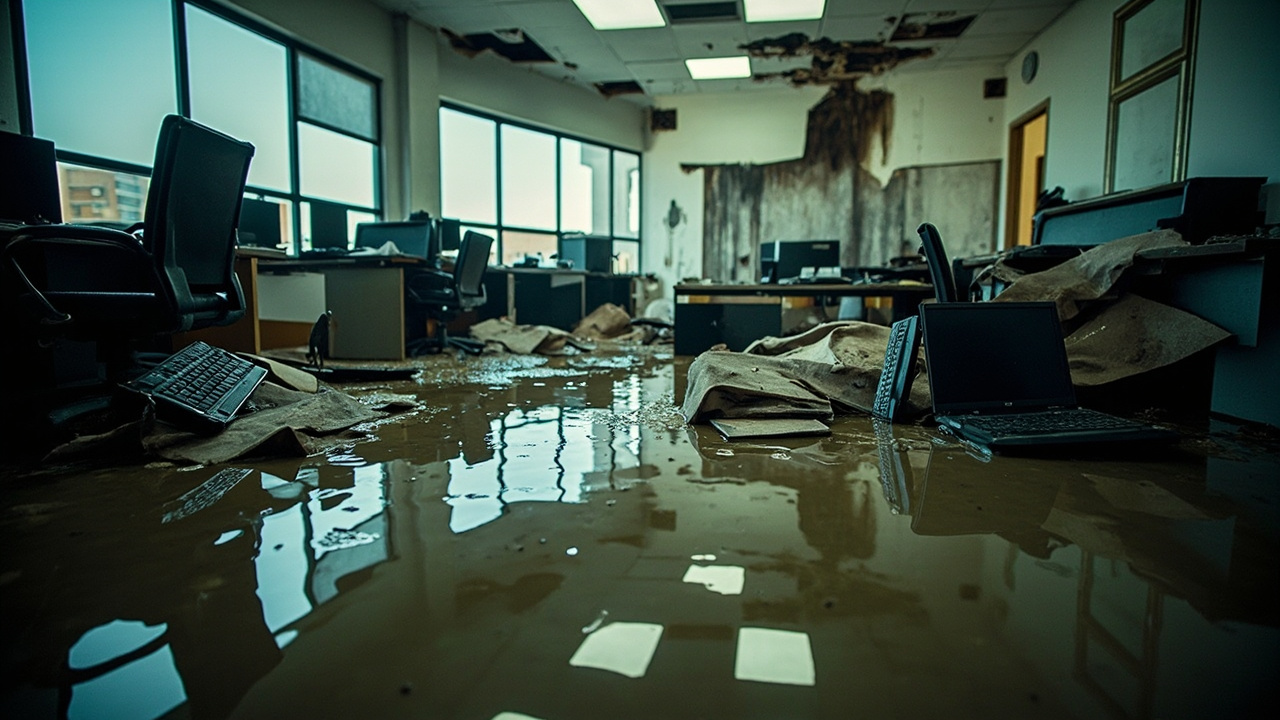
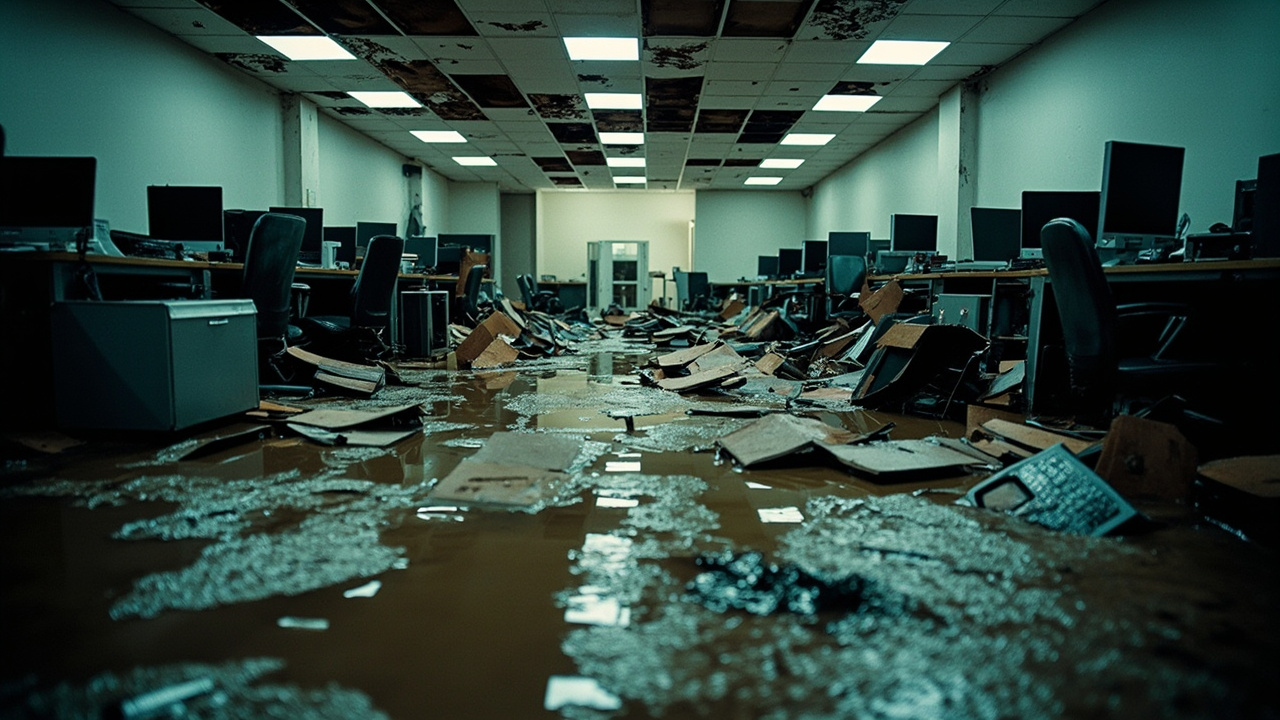
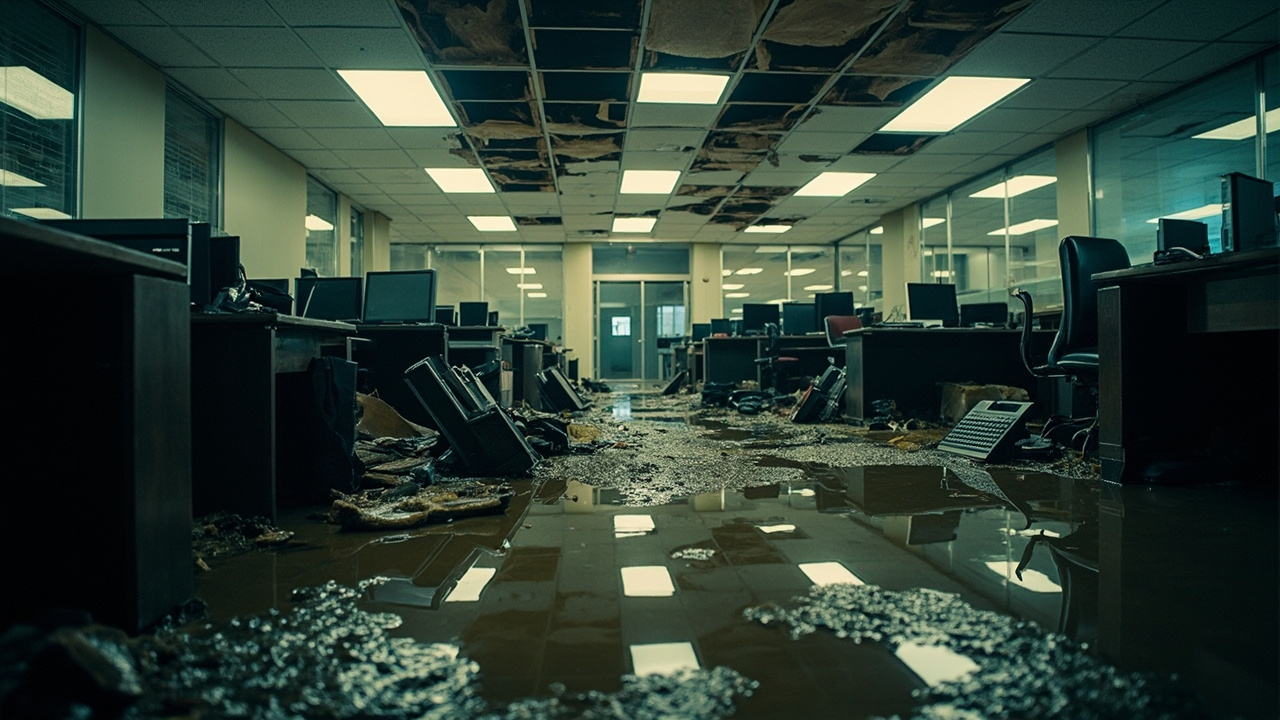
Commercial water damage cleanup becomes urgent when roof membrane failures, HVAC condensate line breaks, or plumbing stack failures flood office spaces, retail floors, or industrial facilities. A single sprinkler head malfunction in a St. Matthews office building can discharge 25 gallons per minute. Water migrates through drop ceilings, saturates drywall, and penetrates into electrical systems within 30 minutes.

Business water damage restoration differs fundamentally from residential work. You cannot afford a three-week drying timeline when every closed day costs thousands in lost revenue. Louisville's commercial building stock includes pre-1950 structures with solid masonry walls that trap moisture, and modern steel-frame buildings where water travels through floor assemblies into tenant spaces below.

The risk calculation changes when you consider inventory loss, liability exposure, and lease obligations. Commercial water remediation requires industrial dehumidification capacity, containment protocols that allow partial operations, and coordination with your insurance adjuster and commercial property manager. Speed and scale determine whether you face a manageable loss or a catastrophic business interruption.

Louisville's Climate Creates High-Risk Conditions for Commercial Properties
Industrial-Scale Water Mitigation Built for Commercial Operations

Industrial-Scale Water Mitigation Built for Commercial Operations

Commercial water damage repair demands equipment and methodology that residential contractors cannot provide. Elite Water Damage Restoration Louisville deploys truck-mounted extractors capable of removing 200 gallons per minute, trailer-mounted desiccant dehumidifiers that process 2,000 CFM, and commercial air movers that create controlled airflow patterns across 10,000-square-foot spaces.

Our commercial water mitigation protocol starts with loss containment. We isolate affected zones using poly sheeting and negative air pressure to prevent cross-contamination into operational areas. This allows your business to continue functioning in unaffected sections while we execute water extraction and structural drying in the damaged zone.

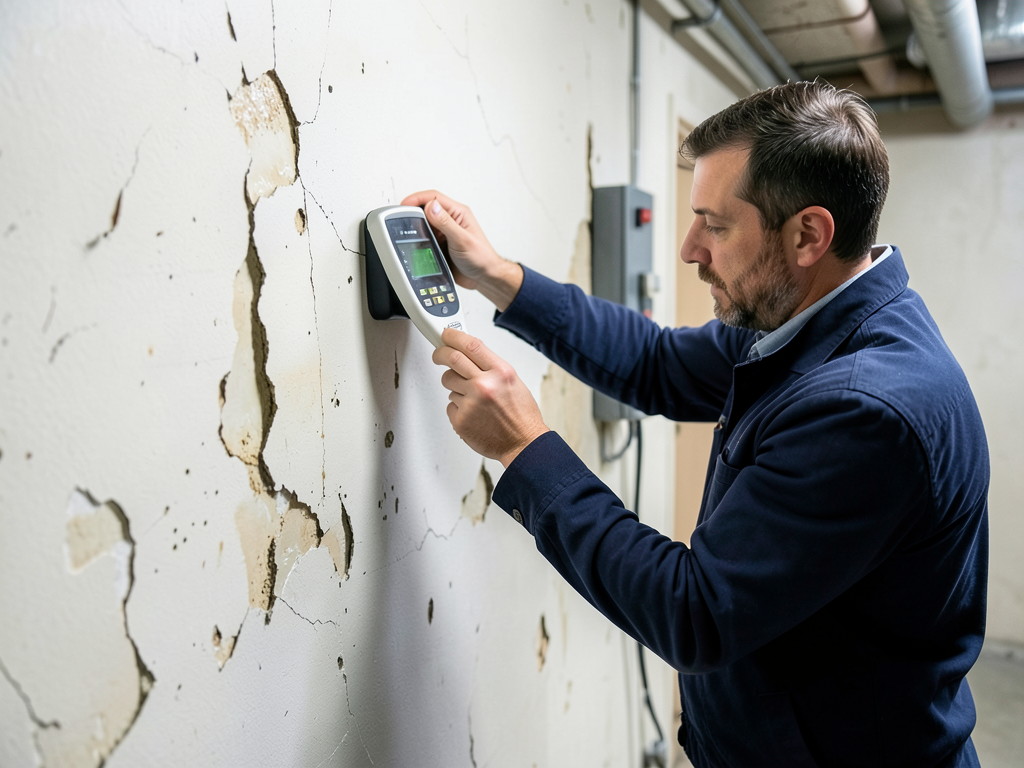
Moisture mapping uses thermal imaging and penetrating moisture meters to identify hidden water migration in wall cavities, above suspended ceilings, and within floor assemblies. Louisville's older commercial buildings often have concealed pipe chases and masonry walls that require specialized drying techniques. We document moisture readings at 12-hour intervals to provide your insurance carrier with the data trail they require.

Category 2 and Category 3 water intrusions require antimicrobial treatment and controlled demolition. We remove water-damaged materials according to IICRC S500 standards, treat affected surfaces with EPA-registered disinfectants, and establish drying chambers that bring structural components back to industry-standard moisture content levels. Our project managers coordinate with your commercial electrician, HVAC contractor, and building engineer to restore mechanical systems safely and maintain code compliance throughout the restoration process.

How Commercial Water Extraction and Drying Works in Louisville Facilities

Commercial Water Damage Restoration in Louisville – Minimize Downtime and Protect Revenue
01

Emergency Response and Containment

Our dispatch team arrives within two hours of your call with industrial extraction equipment and containment materials. We shut down the water source, document the loss area with photos and moisture readings, and establish physical barriers to isolate the affected zone. This immediate containment prevents water migration into undamaged areas and allows your business to maintain operations in unaffected sections of the facility.
02

Water Extraction and Structural Drying

Truck-mounted extractors remove standing water from carpets, floor assemblies, and subflooring. We position desiccant dehumidifiers and air movers to create controlled evaporation conditions, monitoring temperature and humidity levels continuously. Thermal imaging identifies moisture trapped in wall cavities and ceiling plenums. Our technicians take moisture readings every 12 hours and adjust equipment placement to optimize drying efficiency and meet your timeline requirements.
03

Restoration and Business Resumption

After structural components reach acceptable moisture levels, we coordinate material replacement and finish work. Our crews work overnight or during off-hours to minimize disruption. We handle commercial flooring installation, drywall replacement, and painting to return your space to pre-loss condition. Final documentation includes moisture verification reports, antimicrobial treatment records, and compliance certificates required by your commercial property insurer and building management.

Why Louisville Businesses Choose Elite Water Damage Restoration

Commercial property managers and business owners across Louisville rely on Elite Water Damage Restoration because we understand the liability and financial exposure you face during a water loss event. We have restored office buildings in the Highlands, retail spaces along Bardstown Road, and industrial facilities in the Rubbertown district. Each project type presents different challenges based on building construction, occupancy requirements, and operational constraints.

Our teams are familiar with Louisville Metro's commercial building codes and the specific requirements of Louisville Water Company for emergency shutoffs and backflow prevention. We coordinate directly with your commercial insurance adjuster, providing the detailed documentation and moisture logs they require for claim processing. This eliminates delays and ensures you receive full policy benefits.

Equipment capacity separates commercial contractors from residential operators. We maintain an inventory of industrial dehumidifiers, thermal imaging cameras, and moisture detection equipment specifically for large-loss commercial projects. When a 15,000-square-foot warehouse floods, you need contractors who can deploy sufficient equipment to meet insurance company drying standards within the required timeframe.

Business continuity drives every decision we make on commercial water damage restoration projects. We establish work schedules around your operating hours, create temporary access routes to maintain customer flow, and coordinate with your IT department to protect server rooms and data centers. Your revenue stream depends on minimizing closed days. We structure our restoration timeline to get you operational as quickly as physical and safety limitations allow.

What Louisville Business Owners Should Expect from Commercial Water Restoration

Response Time and Mobilization

Elite Water Damage Restoration Louisville maintains emergency response crews available 24 hours daily. We dispatch technicians within two hours of your call with truck-mounted extraction equipment and industrial dehumidifiers. For after-hours emergencies, our dispatch coordinator contacts your designated facility manager and coordinates building access. Large commercial losses may require multiple crews and equipment trailers, which we stage within four hours. Speed matters because water continues spreading through floor assemblies and wall cavities every minute you wait. Our rapid response limits the loss scope and reduces your total restoration costs.

Loss Documentation and Moisture Assessment

Commercial insurance claims require detailed documentation that residential claims do not. Our project managers photograph all affected areas, create floor plan diagrams showing water migration patterns, and log initial moisture readings for floors, walls, and ceilings. We use thermal imaging to identify hidden moisture in masonry walls and above drop ceilings. This documentation package goes directly to your insurance adjuster and establishes the loss scope for claim valuation. We continue moisture monitoring throughout the drying process, providing daily logs that prove compliance with IICRC drying standards and protect you from claim disputes.

Controlled Demolition and Material Removal

Category 2 water from supply line breaks and Category 3 water from sewer backups require removal of porous materials that cannot be effectively sanitized. We perform controlled demolition of water-damaged drywall, insulation, and flooring according to industry standards. Our crews contain dust and debris using poly barriers and negative air machines with HEPA filtration. We coordinate material removal with your waste management provider and maintain the job site in a condition that allows continued business operations in unaffected areas. This surgical approach minimizes reconstruction costs while ensuring thorough contamination removal.

Final Verification and Clearance Documentation

Commercial water restoration projects conclude with verification testing and clearance documentation. We take final moisture readings across all affected structural components and compare them to baseline readings from unaffected areas. Thermal imaging confirms no residual moisture remains in concealed spaces. You receive a comprehensive project file including moisture logs, equipment placement diagrams, antimicrobial treatment records, and compliance certificates. This documentation satisfies your commercial property insurer, protects you from future liability claims, and provides records required for building management and tenant communications. We maintain project files for seven years for your reference.

Frequently Asked Questions

You Have Questions,
We Have Answers

How much does restoration cost for water damage? +

Commercial water damage restoration costs vary based on loss category, affected square footage, and structural complexity. Clean water incidents in small offices may run several thousand dollars, while category 3 contaminated water affecting multiple floors can reach six figures. Costs include extraction, drying equipment rental, antimicrobial treatment, demolition, and reconstruction. Louisville commercial properties with HVAC systems in basements face higher costs due to equipment damage. Request an itemized estimate that separates mitigation from reconstruction. Most commercial policies cover sudden and accidental losses, making documentation critical for your claim.

Is water damage restoration profitable? +

Water damage restoration profitability depends on operational efficiency, overhead control, and claim volume. Successful restoration companies maintain gross margins between 40 and 60 percent through equipment optimization and labor management. The business model requires significant capital investment in extraction equipment, dehumidifiers, moisture meters, and vehicles. Louisville's climate creates consistent demand from humidity-related issues and plumbing failures in older commercial buildings. Labor costs, insurance requirements, and certification expenses affect bottom-line performance. Companies that specialize in commercial clients often see better margins due to larger project sizes and recurring contracts with property management firms.

Is water damage restoration worth it? +

Commercial water damage restoration is worth it when you factor in liability exposure, business interruption costs, and property value preservation. Ignoring water intrusion leads to structural deterioration, mold colonization within 48 hours, and potential code violations. A $15,000 restoration investment prevents $100,000 in structural repairs and protects you from tenant lawsuits. Louisville's humidity accelerates microbial growth, making rapid response essential. Insurance covers most restoration costs for covered perils, meaning your out-of-pocket expense is typically just the deductible. Professional restoration also provides documentation that protects you legally if health claims arise later.

What is another company like ServPro? +

Several national and regional companies offer commercial water damage restoration similar to ServPro. National franchises include Rainbow International, Paul Davis Restoration, and DKI member firms. Regional providers often deliver faster response times and better local knowledge of Louisville building codes and insurance adjusters. Look for IICRC-certified firms with commercial experience in your property type. Office buildings require different protocols than warehouses or medical facilities. Verify the company carries adequate liability coverage and can provide references from commercial property managers in the Louisville metro area. Local firms often provide more flexibility on billing and project timelines.

Does insurance pay for water restoration? +

Insurance typically pays for water restoration if the damage resulted from a covered peril under your commercial property policy. Sudden pipe bursts, HVAC malfunctions, and roof leaks from storm damage are usually covered. Gradual damage from deferred maintenance, groundwater seepage, and flood events require separate policies. Your policy covers mitigation costs to prevent further damage, even before claim approval. Louisville commercial properties should review coverage for sewer backup and equipment breakdown, which are common exclusions. Document everything immediately with photos and moisture readings. Most adjusters require professional estimates, so engage a restoration company that understands commercial insurance protocols and can advocate during the claims process.

How to estimate water damage repair? +

Estimating water damage repair requires moisture mapping, category classification, and material assessment. Use moisture meters to document affected areas beyond visible damage. Calculate square footage of wet materials requiring removal or drying. Factor in extraction hours, dehumidifier days, air mover quantity, and antimicrobial treatment needs. Louisville's older commercial buildings often hide water migration in wall cavities and above drop ceilings. Commercial estimates must include business interruption considerations and after-hours work premiums. Reputable firms use Xactimate software, which insurance adjusters recognize. Request line-item breakdowns separating emergency mitigation from reconstruction. Include contingencies for hidden damage discovered during demolition.

How do restoration companies charge? +

Restoration companies charge using three models: time and materials, fixed-price contracts, or insurance billing. Emergency mitigation typically uses time and materials, billing hourly for technicians plus daily equipment rental. Reconstruction often uses fixed-price contracts based on scope. Large commercial clients may negotiate monthly retainer agreements. Louisville projects bill equipment separately from labor, with dehumidifiers and air movers charged per day. Reputable firms provide daily logs documenting equipment placement and moisture readings. Insurance work uses standardized pricing from Xactimate software. Expect upfront fees for emergency response, then progress billing as work advances. Commercial clients should request certificates of insurance before work begins.

Is water damage in walls covered by insurance? +

Water damage in walls is covered by insurance if caused by a sudden, accidental event under your commercial property policy. Burst pipes, HVAC leaks, and roof penetration from storms typically qualify. Damage from long-term seepage, condensation, or deferred maintenance is excluded. The insurer pays for drying, demolition of wet materials, and reconstruction to pre-loss condition. Louisville's brick masonry buildings often require specialized drying equipment for wall cavities. Your policy may limit coverage if you failed to mitigate damage promptly. Document moisture readings and response times carefully. Hidden mold discovered during wall removal may trigger additional coverage questions requiring professional documentation.

Why is water damage so expensive? +

Water damage is expensive because mitigation requires immediate labor deployment, specialized equipment, and extended drying periods. Commercial projects demand industrial dehumidifiers, air movers, and moisture monitoring equipment running 24/7 for days. Labor costs include emergency response premiums and certified technicians. Demolition, disposal, antimicrobial treatment, and reconstruction multiply expenses quickly. Louisville's humidity extends drying time, increasing equipment rental costs. Contaminated water requires hazmat protocols and disposal fees. Hidden damage in walls, ceilings, and subfloors emerges during mitigation, expanding scope. Structural drying prevents exponentially more expensive mold remediation and reconstruction later. Speed costs money but saves your building and protects liability exposure.

What is the average water damage claim? +

Average commercial water damage claims range from $10,000 to $50,000, but facility size and damage category create wide variance. Small office losses from supply line breaks average $15,000 to $25,000. Multi-floor incidents affecting HVAC systems and electronics exceed $100,000. Category 3 contaminated water claims cost 40 percent more than clean water due to disposal and disinfection requirements. Louisville commercial properties in flood zones face higher average claims when coverage exists. The Insurance Information Institute reports commercial claims average higher than residential due to business interruption components and liability concerns. Claim size depends on response speed, with delays increasing costs exponentially through secondary damage and mold growth.

How Louisville's River Valley Location Increases Commercial Water Damage Risk

Louisville's position in the Ohio River floodplain creates elevated groundwater tables that affect commercial foundations and below-grade spaces. Properties in Butchertown, Portland, and the central business district sit on alluvial soils with high clay content that holds moisture and creates hydrostatic pressure against basement walls. This geological reality means commercial buildings face constant risk of foundation seepage and sump pump failures during Louisville's frequent rainfall events. The city's aging commercial infrastructure includes buildings constructed before modern waterproofing standards, making them vulnerable to water intrusion through masonry walls and floor slabs when the water table rises during wet seasons.

Elite Water Damage Restoration Louisville understands the specific challenges Louisville's commercial properties face because we have worked in this market for years. Our teams know which downtown buildings have combined sewer systems that create backflow risk during heavy rain, which industrial areas have high water tables requiring permanent dewatering systems, and which commercial districts have older HVAC systems prone to condensate overflow. This local knowledge allows us to respond efficiently and deploy the right equipment for your specific building type and location. We work regularly with Louisville Metro's building inspection department and maintain relationships with commercial property insurers who cover Louisville's market.

Water Damage Services in The Louisville Area

Elite Water Damage Restoration is proud to serve the entire Louisville metropolitan area and surrounding communities. We are committed to providing top-tier water damage solutions to all residents and businesses in our service region. Feel free to explore our service map to confirm your location is within our coverage area or simply give us a call to discuss your specific needs. Our team is ready to help restore your property with speed and professionalism.

Address:
Elite Water Damage Restoration Louisville, 1000 E Kentucky St., Louisville, KY, 40204

Additional Services We Offer

Our news updates

Latest Articles & News from The Blogs

Keeping Your Pets Safe from Mold and Bacteria After a Louisville Basement Leak A basement leak in Louisville creates immediate…

Keeping your pets safe from mold and bacteria after a Louisville basement leak

Keeping Your Pets Safe from Mold and Bacteria After a Louisville Basement Leak A basement leak in Louisville creates immediate…

What to do in the first hour after finding a flood in your J-town home

What to do in the first hour after finding a flood in your J-town home Finding water pouring into your…

Can smart leak detectors actually prevent a flood in your Louisville home?

Can smart leak detectors actually prevent a flood in your Louisville home? Smart leak detectors can stop a flood before…

Contact Us

Every hour of delay increases your water damage losses and extends your business interruption. Elite Water Damage Restoration Louisville responds immediately with industrial-scale equipment and commercial restoration expertise. Call (502) 370-2711 now for emergency dispatch. Your operations cannot wait.