




Menu

Steps to Take After a Flood in Louisville – Your Complete Recovery Checklist for Fast Damage Control

Time-tested post-flood recovery protocols designed for Louisville's Ohio River Valley flooding patterns, from immediate water extraction through structural drying and mold prevention

Slider Image 1
Slider Image 2
Slider Image 3
Slider Image 4
Slider Image 5
Slider Image 7
Slider Image 8
Slider Image 9
Slider Image 10
Slider Image 11

Why Louisville Floods Require Immediate, Specific Action

Louisville sits at the Ohio River's mercy. When the river crests above flood stage, water enters basements through foundation cracks, overwhelms sewer systems, and seeps through crawl spaces faster than most homeowners expect. The city's clay soil compounds the problem. Water pools on the surface instead of draining naturally, creating hydrostatic pressure against foundation walls for days after the rain stops.

You need a post-flood recovery checklist built for this environment. Generic advice from national websites does not account for Louisville's specific challenges: the combination of river flooding, flash floods from sudden downpours, and the unique way water behaves in our soil composition.

The immediate actions after flooding determine whether you face a manageable cleanup or months of mold remediation and structural repairs. Water damage clean up steps must start within 24 to 48 hours. After that window closes, mold spores colonize drywall, insulation, and wooden framing. The longer contaminated floodwater sits, the deeper it penetrates subflooring and wall cavities.

What to do after a house flood depends on the water source. River water carries sewage, agricultural runoff, and industrial contaminants. Basement floods from sewer backups introduce Category 3 water loaded with pathogens. Both require different safety protocols than clean water from a burst pipe.

This guide to handling flood damage walks you through the exact sequence professionals follow, adapted for the specific flood risks Louisville homeowners face throughout the spring and early summer months.

Why Louisville Floods Require Immediate, Specific Action
The Professional Water Extraction and Structural Drying Protocol

The Professional Water Extraction and Structural Drying Protocol

Standing water removal uses truck-mounted extractors that pull 150 gallons per minute through reinforced hoses. Submersible pumps handle deeper basement flooding, but extraction alone leaves 40 to 60 percent of the water trapped in porous materials. That residual moisture requires controlled evaporation through air movers and dehumidifiers positioned based on psychrometric calculations.

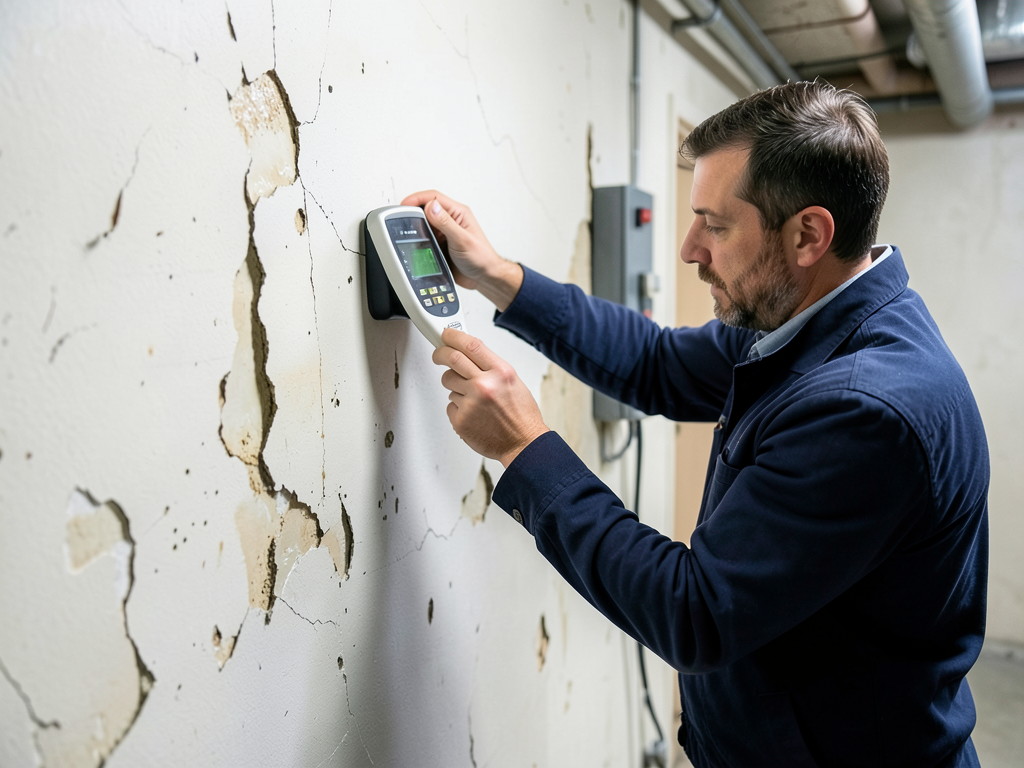
Technicians measure moisture content using penetrating pin meters and non-invasive infrared sensors. Drywall reads dry at 15 percent moisture content or lower. Hardwood flooring stabilizes between 6 and 9 percent, depending on the species. These numbers matter because insurance adjusters use the same standards to determine when a property reaches dry standard.

Structural drying creates negative air pressure to prevent cross-contamination between affected and unaffected areas. Air scrubbers with HEPA filtration capture airborne mold spores released when wet materials get disturbed during demolition. The drying chamber maintains specific temperature and humidity levels, monitored with data loggers that document conditions every 15 minutes.

Antimicrobial application follows water extraction. EPA-registered disinfectants treat surfaces exposed to Category 2 or Category 3 water. The solution dwell time varies by product, typically 10 to 15 minutes, before technicians wipe down treated areas. This step prevents bacterial growth during the multi-day drying process.

Thermal imaging identifies hidden moisture pockets behind wall cavities and under flooring. Infrared cameras show temperature differentials that indicate trapped water. These wet zones require targeted drying through injectidry systems or controlled demolition to expose saturated materials. Missing these pockets guarantees mold growth within 72 hours.

Your First 48 Hours After Floodwater Enters Your Louisville Home

Steps to Take After a Flood in Louisville – Your Complete Recovery Checklist for Fast Damage Control
01

Safety Assessment and Documentation

Cut power at the circuit breaker if water reached electrical outlets or appliances. Do not enter standing water deeper than two inches while electricity remains active. Contact your insurance company immediately and photograph all damage before moving anything. Document water lines on walls, damaged belongings, and the full extent of affected areas. These images become critical evidence during the claims process and establish the loss date for your adjuster.
02

Water Removal and Ventilation

Extract standing water using pumps or wet vacuums rated for continuous operation. Open windows and doors to increase airflow, but only if outside humidity sits below 60 percent. Remove soaked carpet padding, which acts as a sponge and prevents subfloor drying. Pull furniture away from walls to allow air circulation on all sides. Move wet contents to a garage or covered area where they can drain without spreading water to dry sections of your home.
03

Controlled Drying and Monitoring

Run dehumidifiers rated for the square footage of affected areas, emptying collection tanks every few hours. Position fans to create cross-ventilation without blowing air directly onto wet drywall, which can drive moisture deeper into wall cavities. Check moisture levels daily using a moisture meter if available. Professional restoration companies provide continuous monitoring equipment that tracks drying progress and adjusts airflow patterns based on real-time humidity readings throughout the affected space.

Why Louisville Flood Recovery Requires Local Expertise

Elite Water Damage Restoration Louisville responds to flood calls across Jefferson County, from the Highlands to Shively, where flood patterns differ based on elevation and proximity to Beargrass Creek. We know which neighborhoods flooded during the 2018 storms when five inches of rain fell in six hours. That local knowledge shapes our response protocols.

Louisville's building stock spans 150 years. Victorian homes in Old Louisville have different flood vulnerabilities than mid-century ranches in Newburg or new construction in Norton Commons. Older homes lack proper drainage systems. Basements were built before modern waterproofing techniques existed. Foundation walls absorb water through mortar joints that have degraded over decades.

We work directly with Louisville Water Company to identify whether flooding resulted from sewer backups, which trigger different insurance coverage than surface water intrusion. That distinction determines which policy provisions apply and affects your out-of-pocket costs. Many homeowners learn too late that standard policies exclude sewer backup damage unless they purchased that specific endorsement.

Our technicians understand Louisville Metro's building codes for flood-damaged properties. Electrical systems exposed to Category 2 or Category 3 water require inspection before power restoration. HVAC ductwork that sits in flooded crawl spaces needs professional cleaning to remove contamination. We coordinate these required inspections to keep your recovery timeline on track.

The clay soil throughout Louisville creates unique foundation challenges after flooding. Hydrostatic pressure builds as water saturates the ground around your foundation. That pressure can crack walls and push foundation sections inward. We monitor for structural movement during the drying process and alert you to problems before they become expensive foundation repairs.

What Your Flood Recovery Timeline Looks Like

Emergency Response Time

We dispatch crews within 90 minutes of your call, 24 hours per day. Most Louisville flood jobs begin water extraction within two hours of contact. Speed determines outcomes. Every hour of delay increases damage exponentially and extends your total recovery time by days. Our trucks carry truck-mounted extractors, submersible pumps, air movers, and commercial dehumidifiers to start mitigation immediately upon arrival. You do not wait days for equipment rental or scheduling. Emergency response begins the moment our technician walks through your door and continues until moisture readings reach acceptable levels.

Comprehensive Damage Assessment

The initial inspection maps all affected areas using thermal imaging and moisture meters. We test wall cavities, flooring systems, and insulation to determine the full scope of water penetration. You receive a written assessment that documents moisture readings, identifies contaminated materials requiring removal, and outlines the drying strategy. This report goes to your insurance adjuster and serves as the baseline for tracking drying progress. We photograph conditions before starting work and provide daily updates as the project advances through each phase of restoration.

Certified Dry Standard

Most flood drying takes three to five days for a typical Louisville basement, longer for whole-house flooding. We monitor moisture levels twice daily and adjust equipment placement as materials release trapped water. Drying concludes when moisture readings match unaffected areas of your home and remain stable for 24 hours. You receive a completion certificate documenting final moisture readings, which insurance companies require before authorizing reconstruction. This certified dry standard protects you from future mold claims and ensures your home meets industry benchmarks for proper restoration.

Post-Drying Follow-Up

We return 48 to 72 hours after equipment removal to verify moisture levels remain stable. This follow-up catches rebound moisture, which occurs when water trapped deep in materials migrates to the surface after active drying stops. You receive guidance on reconstruction timelines and contractor coordination. Our team helps interpret your insurance settlement and identifies coverage gaps before you commit to repairs. If mold appears during reconstruction, we document whether it resulted from incomplete drying or a separate moisture intrusion, which affects insurance responsibility and contractor liability.

Frequently Asked Questions

You Have Questions,
We Have Answers

How Louisville's Ohio River Flooding Cycles Make Fast Response Critical

The Ohio River typically crests above flood stage twice per year, in late winter when snowmelt combines with spring rain and again during summer storm sequences. Louisville's combined sewer system overwhelms during these events, sending sewage-contaminated water into basements through floor drains and toilet connections. The clay soil throughout Jefferson County prevents natural drainage, keeping ground saturation high for weeks after flooding recedes. This extended moisture exposure accelerates foundation damage and creates ideal conditions for mold colonization. What to do after a house flood here differs from flood response in sandy soil regions where water drains quickly and contamination risks stay lower.

Elite Water Damage Restoration Louisville maintains relationships with local insurance adjusters who handle flood claims across the metro area. We understand how Louisville Metro's building codes apply to flood-damaged properties and which repairs require permits before reconstruction begins. Our familiarity with neighborhood-specific flood patterns means we anticipate problems before they appear. We have dried hundreds of Louisville basements and know how water behaves in the older housing stock that dominates established neighborhoods. That experience translates to faster, more complete restoration because we do not learn on your property.

Water Damage Services in The Louisville Area

Elite Water Damage Restoration is proud to serve the entire Louisville metropolitan area and surrounding communities. We are committed to providing top-tier water damage solutions to all residents and businesses in our service region. Feel free to explore our service map to confirm your location is within our coverage area or simply give us a call to discuss your specific needs. Our team is ready to help restore your property with speed and professionalism.

Address:
Elite Water Damage Restoration Louisville, 1000 E Kentucky St., Louisville, KY, 40204

Additional Services We Offer

Our news updates

Latest Articles & News from The Blogs

Why those rubber washing machine hoses are a ticking time bomb for your Fern Creek laundry room Every year thousands…

Why those rubber washing machine hoses are a ticking time bomb for your Fern Creek laundry room

Why those rubber washing machine hoses are a ticking time bomb for your Fern Creek laundry room Every year thousands…

Keeping your pets safe from mold and bacteria after a Louisville basement leak

Keeping Your Pets Safe from Mold and Bacteria After a Louisville Basement Leak A basement leak in Louisville creates immediate…

What to do in the first hour after finding a flood in your J-town home

What to do in the first hour after finding a flood in your J-town home Finding water pouring into your…

Contact Us

Every hour counts after flood damage. Call Elite Water Damage Restoration Louisville at (502) 370-2711 for immediate dispatch. Our crews arrive ready to extract water, set up drying equipment, and start protecting your property from permanent damage.