


Menu

Wet Carpet & Padding in Louisville – Expert Diagnosis Before Hidden Mold Takes Hold

From saturated carpet and cushion to flooded underpad, we identify the moisture depth, structural damage, and microbial risk within your Louisville home before secondary problems compound the loss.

Slider Image 1
Slider Image 2
Slider Image 3
Slider Image 4
Slider Image 5
Slider Image 7
Slider Image 8
Slider Image 9
Slider Image 10
Slider Image 11

Why Louisville Homes Face Chronic Wet Carpet Problems

Louisville sits in a humid subtropical climate with average annual precipitation exceeding 44 inches. The Ohio River valley traps moisture, creating ground-level humidity that accelerates mold colonization in soaked carpeting and underlay. When a sump pump fails during spring storms or a second-floor toilet supply line cracks, water migrates downward through carpet fibers, padding, and into the subfloor within minutes.

Most homeowners focus on the visible wet carpet, but the real threat lives in the underlayment. Standard residential carpet padding, whether rebond foam or urethane, absorbs water like a sponge. Within 24 to 48 hours, saturated carpet and cushion create an anaerobic environment where mold spores germinate. The clay-heavy soil common in Jefferson County causes foundation settling, which can crack basement slabs and allow groundwater seepage that saturates carpet from below.

You see water pooling on the surface. You feel the squish underfoot. But water damaged carpet and pad hides deeper structural moisture in the tack strips, baseboards, and drywall wicking. If the flooded carpet and underpad sit untreated for more than 72 hours, you face microbial amplification, delamination of the carpet backing, and subfloor rot. The cost to remediate mold and replace structural materials quickly surpasses the cost of immediate extraction and drying. Louisville's humidity compounds every hour of delay, turning a fixable water event into a full-scale restoration project.

Why Louisville Homes Face Chronic Wet Carpet Problems
How We Extract, Assess, and Dry Wet Carpet Underlayment Correctly

How We Extract, Assess, and Dry Wet Carpet Underlayment Correctly

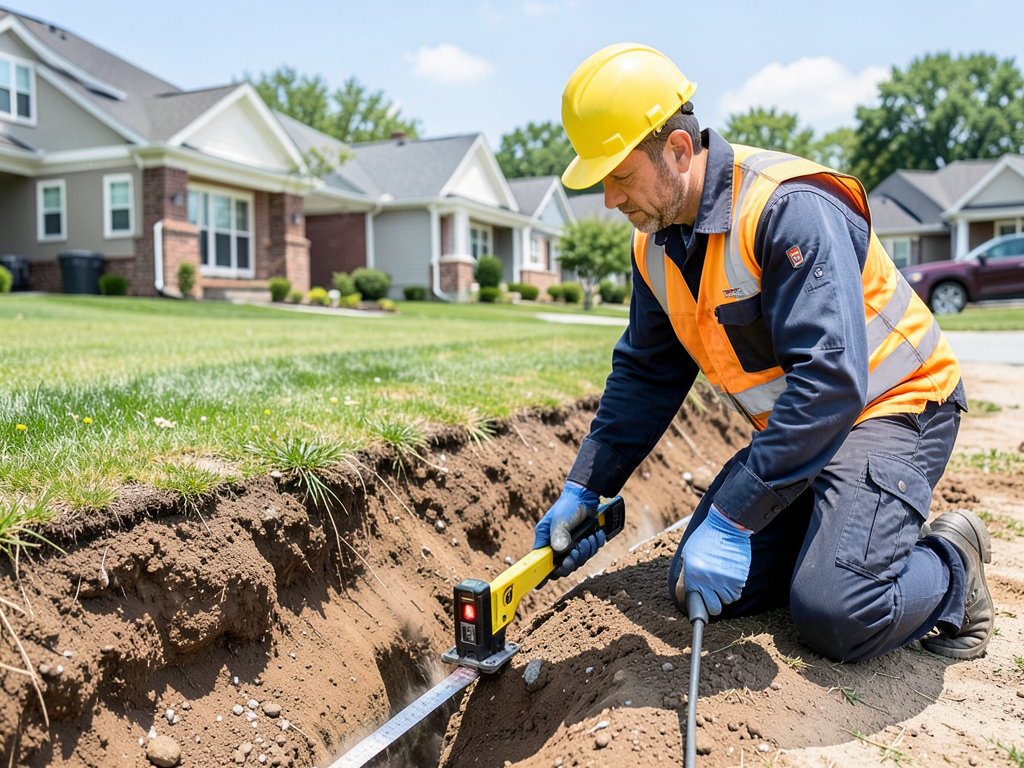
We begin with truck-mounted extraction units that pull standing water from carpet fibers and padding using high-vacuum pressure. Portable extractors cannot match the suction force needed to remove water from dense rebond foam or memory foam underlayment. We extract until the moisture meter reads below 20 percent relative humidity in the carpet face and cushion layer.

Next, we lift the carpet at the seams and inspect the padding and subfloor. Most restoration companies skip this step, but it determines whether the padding is salvageable. If the wet carpet underlayment shows visible staining, odor, or contamination from Category 2 or Category 3 water, we remove and dispose of it. Padding retains bacteria and organic matter that standard drying cannot eliminate. We measure subfloor moisture content using pin-type and non-invasive meters to establish a drying baseline.

We deploy low-grain refrigerant dehumidifiers and axial air movers in a circular airflow pattern to create maximum evaporation across the carpet surface and subfloor. We adjust equipment placement based on psychrometric readings, not guesswork. Our technicians monitor daily moisture levels and adjust drying equipment until the subfloor and carpet backing return to dry standard, typically 12 to 15 percent moisture content for wood and 5 to 7 percent for concrete.

We document every reading with timestamped photos and moisture logs. If your insurance adjuster requests proof of mitigation, you have a complete drying record. We do not reinstall carpet until the subfloor passes final inspection. Rushing this step traps residual moisture and guarantees mold growth within weeks.

What Happens When You Call for Flooded Carpet and Underpad Service

Wet Carpet & Padding in Louisville – Expert Diagnosis Before Hidden Mold Takes Hold
01

Emergency Water Extraction

We arrive with truck-mounted extraction units and begin pulling standing water from the carpet and padding within the first hour. Our technicians identify the water source, stop further saturation, and extract until the carpet no longer releases visible water. We move furniture to plastic blocks to prevent staining and rust transfer. This immediate extraction limits secondary damage and reduces total drying time.
02

Padding and Subfloor Inspection

We pull back the carpet to expose the padding and subfloor. Using calibrated moisture meters, we measure the saturation depth and check for contamination. If the padding shows staining or odor, we remove it and prepare the subfloor for drying. We photograph the underlayment condition for your insurance documentation. This step determines whether carpet can be saved or must be replaced.
03

Controlled Drying and Monitoring

We position dehumidifiers and air movers to create controlled evaporation across the carpet and subfloor. Our technicians take daily moisture readings and adjust equipment placement until all materials return to dry standard. We do not remove drying equipment until the subfloor moisture content matches the unaffected areas of your home. You receive a final clearance report showing the complete drying timeline.

Why Louisville Homeowners Choose Elite Water Damage Restoration Louisville

We respond to water damage calls across Jefferson County, from the Highlands to Middletown, and we understand the construction patterns that make Louisville homes vulnerable. Homes built before 1980 often have inadequate vapor barriers in basements, allowing groundwater to wick into carpet padding during heavy rain. Newer subdivisions in Jeffersontown and Fern Creek face sump pump failures due to high water tables near Floyds Fork and Beargrass Creek. We have dried flooded carpet and underpad in ranch homes, shotgun houses, and historic properties near Old Louisville, and we adjust our approach based on your home's structure.

Elite Water Damage Restoration Louisville holds IICRC certification in Water Damage Restoration and Applied Structural Drying. Our technicians use thermal imaging to identify hidden moisture pockets behind baseboards and inside wall cavities that standard meters miss. We coordinate directly with your insurance carrier and provide detailed moisture logs, equipment placement diagrams, and daily progress photos. Most adjusters require this level of documentation to approve full coverage, and we ensure you have it from day one.

We do not subcontract demolition or drying work. Our crew handles extraction, drying, antimicrobial treatment, and reconstruction under one roof. This eliminates delays and finger-pointing between trades. If your hardwood subfloor requires refinishing or your drywall needs replacement after drying, we manage it in-house. You work with one point of contact from the initial emergency call through final walkthrough.

We also understand Louisville's seasonal challenges. Spring storms and flash flooding along the Ohio River create sudden demand for water damage services. We maintain backup equipment and staffing capacity to respond without delay, even during peak call volume. You do not wait three days for a crew to arrive while mold colonizes your soaked carpeting and underlay.

What You Can Expect During the Carpet Drying Process

Response Time and Availability

We answer emergency calls 24 hours a day, seven days a week. When you call, you speak to a trained dispatcher who evaluates the severity of your water damage and dispatches a crew immediately. Our average response time for Louisville metro addresses is under two hours. We do not wait until the next business day or schedule you for later in the week. Water damage compounds by the hour, and we treat every call as urgent. If you discover flooded carpet and underpad at 2 a.m., we arrive with extraction equipment before sunrise.

Moisture Assessment and Documentation

We conduct a full moisture assessment using pin-type and non-invasive meters to measure water content in the carpet, padding, subfloor, and adjacent materials. Our technicians document the extent of saturation with photos and written notes. We provide you with a scope of work that outlines the affected areas, the equipment required, and the estimated drying timeline. This assessment serves as the foundation for your insurance claim and ensures no hidden moisture is overlooked. You receive a copy of the moisture map before we begin extraction.

Final Drying Results and Clearance

We do not consider the job complete until moisture readings in the affected areas match the dry standard for your home. Our technicians take final readings and compare them to the baseline measurements from unaffected rooms. You receive a clearance report that includes all moisture data, equipment runtime logs, and confirmation that your home is dry and safe. If the padding required removal, we coordinate new padding installation and carpet reinstallation with local flooring contractors. Your home is restored to pre-loss condition, not just dried and left unfinished.

Post-Drying Monitoring and Prevention

After we complete drying and restoration, we provide recommendations to prevent future water damage. This may include sump pump upgrades, improved basement drainage, or installation of water leak detection systems. We also offer follow-up moisture checks at no charge within 30 days of project completion. If you notice any odors or suspect residual moisture, we return and retest the affected areas. Our goal is to ensure your home remains dry long after our equipment is removed. You have direct access to our project manager for any post-restoration questions.

Frequently Asked Questions

You Have Questions,
We Have Answers

Is carpet padding ruined if it gets wet? +

Yes, carpet padding is usually ruined after water exposure. Padding acts like a sponge and absorbs contaminants, dirt, and bacteria from floodwater or sewage backups. Even with clean water, padding breaks down quickly when saturated. It loses structural integrity and becomes a breeding ground for mold and mildew in Louisville's humid climate. Padding sits directly on the subfloor, trapping moisture underneath. You cannot effectively sanitize or dry padding once compromised. Restoration professionals remove and replace wet padding to prevent long-term damage to your subfloor and protect indoor air quality. Salvaging padding creates more problems than it solves.

How to dry out wet carpet padding? +

You cannot effectively dry out wet carpet padding. Professional water damage restoration requires removing the carpet, extracting standing water, and pulling out the soaked padding completely. The padding must be disposed of and replaced. Technicians then dry the subfloor using commercial air movers and dehumidifiers. In Louisville homes with crawl spaces or basements, moisture can seep upward, so subfloor drying is critical. The carpet itself may be salvageable if cleaned and dried within 24 to 48 hours. Attempting to dry padding in place traps moisture, encourages mold growth, and damages your flooring system permanently.

Is carpet ruined if it gets wet? +

Carpet can be saved if you act within 24 to 48 hours. The water source matters. Clean water from a supply line is easier to remediate than contaminated water from sewage backups or flooding along the Ohio River. Professional extraction removes moisture quickly, followed by antimicrobial treatment and controlled drying. Carpet fibers themselves dry faster than padding. Louisville's humidity slows evaporation, so industrial dehumidifiers are necessary. If water sits longer than 48 hours, mold colonizes the fibers and backing. At that point, replacement is safer and more cost-effective than attempting salvage.

How long can carpet stay wet before mold? +

Mold can start growing in wet carpet within 24 to 48 hours, especially in Louisville's warm, humid conditions. Mold spores are always present in the air. They need only moisture, organic material like carpet fibers, and warmth to colonize. Once mold takes hold, it spreads rapidly into padding, subfloors, and drywall. You might not see visible mold immediately, but it grows beneath the surface. Speed is everything. Professional water extraction, antimicrobial treatment, and dehumidification within the first 24 hours drastically reduce mold risk. Waiting beyond 48 hours almost guarantees contamination and higher restoration costs.

How Louisville's Ohio River Humidity Accelerates Mold Growth in Wet Carpet Underlayment

Louisville's proximity to the Ohio River creates ambient humidity levels that routinely exceed 70 percent during summer months. When water saturates carpet and padding, this environmental humidity slows evaporation and accelerates mold colonization. Standard fans and consumer-grade dehumidifiers cannot overcome the moisture load. Homes in Butchertown, Portland, and Shively near the riverfront face compounded risk due to elevated water tables and basement seepage. Without controlled drying using commercial dehumidifiers, wet carpet underlayment becomes a microbial reservoir within 48 hours.

Elite Water Damage Restoration Louisville has worked with local insurance adjusters, property managers, and homeowners across Jefferson County for years. We understand the documentation standards required by Kentucky Farm Bureau, State Farm, and Nationwide, and we provide the moisture logs and daily progress reports that adjusters expect. Our familiarity with Louisville building codes and local contractor networks allows us to coordinate repairs quickly and correctly. Choosing a local restoration company means you work with technicians who understand your home's construction and your community's unique water damage risks.

Water Damage Services in The Louisville Area

Elite Water Damage Restoration is proud to serve the entire Louisville metropolitan area and surrounding communities. We are committed to providing top-tier water damage solutions to all residents and businesses in our service region. Feel free to explore our service map to confirm your location is within our coverage area or simply give us a call to discuss your specific needs. Our team is ready to help restore your property with speed and professionalism.

Address:
Elite Water Damage Restoration Louisville, 1000 E Kentucky St., Louisville, KY, 40204

Additional Services We Offer

Our news updates

Latest Articles & News from The Blogs

Why those rubber washing machine hoses are a ticking time bomb for your Fern Creek laundry room Every year thousands…

Why those rubber washing machine hoses are a ticking time bomb for your Fern Creek laundry room

Why those rubber washing machine hoses are a ticking time bomb for your Fern Creek laundry room Every year thousands…

Keeping your pets safe from mold and bacteria after a Louisville basement leak

Keeping Your Pets Safe from Mold and Bacteria After a Louisville Basement Leak A basement leak in Louisville creates immediate…

What to do in the first hour after finding a flood in your J-town home

What to do in the first hour after finding a flood in your J-town home Finding water pouring into your…

Contact Us

Do not wait for mold to take hold. Call Elite Water Damage Restoration Louisville at (502) 370-2711 right now. We dispatch a crew immediately and begin extraction within hours. Your carpet and home depend on fast action.