


Menu

Office Building Water Restoration in Louisville – Minimize Downtime with 24-Hour Commercial Mitigation

Elite Water Damage Restoration Louisville delivers rapid-deployment office building water restoration across Jefferson County, combining industrial-grade extraction, structural drying protocols, and insurance coordination to keep your Louisville business operational during recovery.

Slider Image 1
Slider Image 2
Slider Image 3
Slider Image 4
Slider Image 5
Slider Image 7
Slider Image 8
Slider Image 9
Slider Image 10
Slider Image 11

Water Damage Threatens Business Continuity in Louisville's Commercial Districts

Louisville's position along the Ohio River floodplain and its humid subtropical climate create constant moisture pressure on commercial structures. When aging HVAC condensate lines fail in multi-story office buildings or roof membrane seams split during ice dam thaw cycles, water infiltration can shut down entire floors.

Office building water restoration requires more than residential cleanup tactics. Commercial property water mitigation in Louisville must account for network server rooms, suspended ceilings hiding extensive piping, concrete slab moisture retention, and tenant liability concerns. A burst supply line on the fourth floor of a downtown Louisville office building can cascade through drop ceilings, saturate drywall assemblies, and compromise electrical systems across three lower floors within hours.

Jefferson County's mixed-use zoning means office buildings often share HVAC systems or plumbing risers with retail spaces. Cross-contamination risks escalate when water damage originates from shared infrastructure. Business water damage repair in these environments demands containment barriers, negative air pressure systems, and phased drying zones to isolate affected areas while unaffected tenants maintain operations.

The Ohio River's seasonal flooding also elevates groundwater tables in Louisville's Butchertown and NuLu districts, where older commercial buildings lack modern vapor barriers. Hydrostatic pressure can force moisture through basement slab joints, creating mold growth conditions in below-grade storage and mechanical rooms. Commercial building water extraction in these zones requires truck-mounted equipment capable of removing standing water faster than it seeps through foundation walls.

Delayed response to office water damage cleanup compounds structural degradation. Louisville's summer humidity keeps relative indoor moisture above 60 percent, which accelerates secondary microbial growth on wet building materials within 48 hours.

Water Damage Threatens Business Continuity in Louisville's Commercial Districts
Our Commercial Water Mitigation Protocol for Louisville Office Buildings

Our Commercial Water Mitigation Protocol for Louisville Office Buildings

Elite Water Damage Restoration Louisville deploys commercial-grade response protocols built for the operational demands of multi-tenant office environments. We dispatch truck-mounted extraction units and thermal imaging equipment within 90 minutes of your call to establish containment perimeters before water migrates through shared wall cavities.

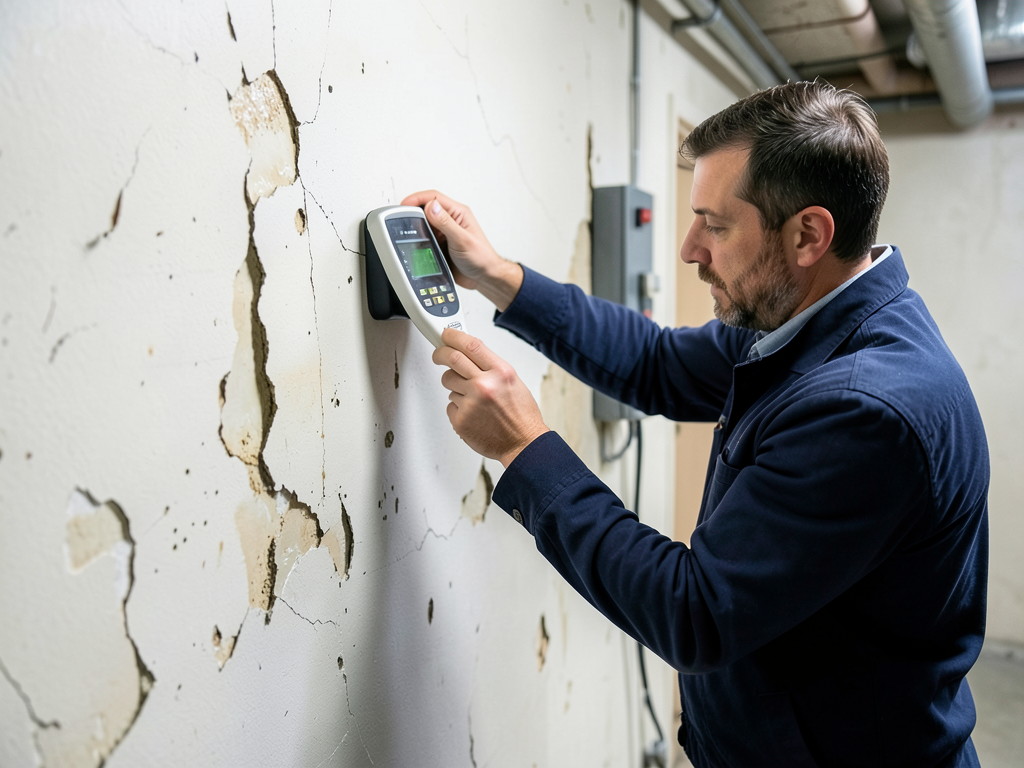
Our technicians use penetrating moisture meters to map saturation levels in concrete floor decks and gypsum assemblies, identifying hidden water pockets behind finished surfaces. In Louisville office buildings with raised access flooring common to data centers, we extract standing water from sub-floor plenums using weighted extraction mats that maintain contact with sealed concrete.

We establish drying chambers using polyethylene containment barriers and staged desiccant dehumidification systems that pull moisture from the air faster than Louisville's ambient humidity can reintroduce it. Low-grain refrigerant dehumidifiers cycle air through ducted HEPA filtration to prevent cross-contamination between occupied and remediation zones.

For commercial property water mitigation involving HVAC system failures, we coordinate with mechanical contractors to isolate affected supply zones while maintaining climate control in unaffected building areas. This phased approach keeps your Louisville office partially operational during restoration, limiting revenue disruption.

Our documentation process produces floor-plan moisture mapping, daily psychrometric readings, and timestamped photographic evidence that satisfy commercial insurance adjusters and meet Louisville Metro building department requirements for Certificate of Occupancy reinstatement. We maintain chain-of-custody logs for all extracted materials to support potential subrogation claims against equipment manufacturers or upstream tenants.

Elite Water Damage Restoration Louisville uses infrared thermography to verify complete structural drying before reconstruction begins. We test wall cavities, ceiling plenums, and insulation layers to confirm moisture content below 15 percent, preventing trapped moisture that would compromise indoor air quality and violate Louisville's commercial building codes.

How Commercial Water Extraction Unfolds in Your Louisville Office Building

Office Building Water Restoration in Louisville – Minimize Downtime with 24-Hour Commercial Mitigation
01

Emergency Water Removal

We arrive with truck-mounted extractors capable of removing 200 gallons per minute from flooded office spaces. Our team isolates electrical panels, shuts off water supply risers, and establishes extraction zones prioritized by equipment value and operational criticality. Weighted extraction wands pull water from carpeting and subfloors while maintaining suction contact during high-volume removal across your Louisville office building's affected floors.
02

Structural Drying Setup

We position axial air movers to create laminar airflow across saturated surfaces, directing moisture toward desiccant dehumidifiers operating in closed-loop drying chambers. Containment barriers isolate wet zones from occupied spaces, allowing unaffected office areas to remain functional. Our team monitors vapor pressure differentials and adjusts equipment placement every 12 hours to maintain optimal drying rates in Louisville's variable humidity conditions.
03

Verification and Documentation

We conduct final moisture testing using thermo-hygrometers and penetrating probes to confirm all building materials register below industry thresholds for safe reconstruction. You receive a comprehensive drying log with psychrometric data, equipment runtime records, and thermal images proving complete moisture removal. This documentation package supports your insurance claim and satisfies Louisville Metro inspection requirements before your Certificate of Occupancy gets reinstated.

Why Louisville Businesses Choose Elite Water Damage Restoration for Office Building Recovery

Louisville's commercial real estate market demands restoration partners who understand the operational stakes of prolonged downtime. Elite Water Damage Restoration Louisville maintains commercial-scale equipment inventories and staffing capacity to handle multi-floor office building incidents without sacrificing response times for simultaneous projects.

Our technicians train on Louisville Metro's commercial building codes, including the 2018 International Building Code amendments specific to Jefferson County flood zones. We coordinate directly with your building engineer and insurance adjuster to streamline approvals for emergency demolition, temporary power routing, and phased occupancy during restoration. This local regulatory knowledge prevents costly delays that occur when out-of-state contractors misinterpret Louisville's permitting requirements.

We maintain relationships with Louisville-area structural engineers and industrial hygienists who provide third-party verification for complex claims involving mold remediation or structural integrity assessments. When your insurance carrier requires independent moisture testing or air quality sampling, we facilitate those inspections without extending your project timeline.

Elite Water Damage Restoration Louisville stocks replacement materials compatible with Louisville's legacy office building construction, from terrazo flooring common in Highlands-area buildings to the metal lath plaster assemblies found in downtown structures built before 1960. This material knowledge ensures restoration work matches existing finishes and meets historic preservation standards when required.

Our project managers use collaborative scheduling software that provides real-time updates on drying progress, equipment placement changes, and projected completion dates. You receive daily briefings with moisture readings and photographic documentation, giving you the transparency needed to communicate restoration timelines to tenants and stakeholders.

We carry commercial general liability coverage exceeding two million dollars and maintain pollution liability policies that protect your Louisville office building against mold claims arising from incomplete drying. Our bonding capacity supports projects requiring payment and performance bonds for institutional clients or government lease agreements.

What Your Louisville Office Building Water Restoration Entails

Rapid Commercial Response

Elite Water Damage Restoration Louisville deploys commercial response teams within 90 minutes across Jefferson County, including weekends and holidays. Our dispatch system prioritizes office building calls based on water volume and affected square footage, ensuring high-impact incidents receive immediate attention. We arrive with truck-mounted extraction equipment, containment materials, and moisture mapping tools to begin mitigation before business hours resume. For after-hours emergencies in Louisville's downtown corridor or Oxmoor business district, we coordinate building access with property management and security teams to minimize delays.

Comprehensive Damage Assessment

Our initial assessment uses thermal imaging cameras and penetrating moisture meters to map water migration through your office building's wall assemblies, floor decks, and ceiling plenums. We document saturation levels in structural components, test airborne moisture content, and identify potential cross-contamination pathways between office suites. You receive a detailed scope-of-work document with floor-plan moisture maps, equipment placement diagrams, and projected drying timelines. This assessment satisfies Louisville Metro building inspectors and provides your insurance adjuster with the technical documentation needed for claim approval.

Complete Structural Drying

We achieve complete structural drying using staged dehumidification that removes moisture faster than Louisville's humid climate can reintroduce it. Our drying protocol brings concrete slabs, drywall assemblies, and insulation materials below 15 percent moisture content, verified through daily psychrometric testing. You get a fully dried structure that prevents secondary mold growth and meets the moisture thresholds required for safe reconstruction. We remove all drying equipment only after independent verification confirms your Louisville office building satisfies industry standards for occupancy readiness.

Post-Restoration Monitoring

Elite Water Damage Restoration Louisville provides 30-day post-restoration monitoring for commercial projects, including follow-up moisture testing and indoor air quality verification. We return to your office building two weeks after project completion to conduct supplemental moisture readings in previously affected areas, ensuring no latent moisture remains in concealed spaces. You receive a final clearance report with comparative moisture data and thermal images documenting stable conditions. This monitoring protects against future mold claims and provides documentation that your Louisville office building restoration achieved permanent drying.

Frequently Asked Questions

You Have Questions,
We Have Answers

How much does a water restoration company charge? +

Office building water restoration costs vary by damage extent, water category, and building size. Pricing typically includes initial assessment, water extraction, structural drying, dehumidification, and repairs. Category 1 clean water incidents cost less than Category 3 contaminated water, which requires biohazard protocols. Multi-floor commercial buildings in Louisville's downtown business district often face higher costs due to vertical water migration through elevator shafts and HVAC systems. Most restoration companies bill by room, square footage, or equipment deployed. Request a detailed estimate that separates emergency mitigation from reconstruction costs. This helps you negotiate with insurers and budget for business interruption expenses.

Does insurance pay for water restoration? +

Commercial property insurance generally covers sudden and accidental water damage, including burst pipes, HVAC failures, and roof leaks. Coverage depends on your policy language and the damage source. Insurers typically pay for emergency mitigation, structural drying, and repairs minus your deductible. Gradual damage from deferred maintenance or repeated small leaks may be excluded. Document everything immediately with photos, moisture readings, and professional assessments. Louisville businesses should review their policies for business interruption coverage, which compensates for lost revenue during restoration. Submit claims promptly and maintain detailed records. Work with restoration companies experienced in commercial insurance claims to maximize recovery.

Is water damage restoration worth it? +

For office buildings, professional water restoration is essential to prevent liability exposure, code violations, and long-term structural degradation. Unmitigated water damage creates mold within 48 hours, compromising indoor air quality and triggering OSHA compliance issues. Water migrates through commercial building systems, damaging electrical infrastructure, data centers, and tenant spaces. The cost of restoration is typically lower than business interruption losses, tenant lawsuits, or full reconstruction after structural failure. Louisville's humidity accelerates secondary damage, making immediate professional intervention critical. Restoration preserves property value, maintains tenant relationships, and protects your investment. Delay increases both direct costs and legal liability.

What is the difference between restoration and remediation of water? +

Restoration returns a property to its pre-loss condition through drying, cleaning, and repairs. It focuses on saving existing materials and minimizing replacement costs. Remediation removes contaminated materials and treats hazardous conditions like mold, sewage, or chemical exposure. Office buildings often require both. A burst pipe may need restoration for structural drying, while sewage backup requires remediation with disposal of contaminated materials. Category 3 water events always involve remediation due to pathogen risks. Louisville commercial properties must meet health codes, so remediation includes proper containment, antimicrobial treatment, and clearance testing. Restoration is about repair. Remediation is about safety and contamination removal.

Do you need a license for water restoration? +

Yes. Water restoration technicians must hold IICRC certifications in Water Damage Restoration and Applied Structural Drying. Commercial projects often require additional certifications in mold remediation, biohazard handling, and confined space entry. Kentucky requires contractors performing remediation work to maintain proper business licenses and liability insurance. Companies working in Louisville office buildings must comply with local building codes and may need permits for structural work or demolition. Verify that restoration firms carry commercial general liability insurance and workers' compensation coverage. Unlicensed operators lack training in moisture science, microbial growth, and proper drying protocols. Using unlicensed contractors can void insurance claims and create liability exposure.

Is water damage in walls covered by insurance? +

Coverage depends on the water source and your policy terms. Sudden pipe bursts or HVAC failures within walls are typically covered. Gradual seepage from poor maintenance, exterior drainage issues, or foundation cracks is usually excluded. Hidden leaks present documentation challenges. Insurance adjusters require proof of sudden occurrence versus long-term neglect. Commercial policies often have stricter requirements than residential coverage. Louisville buildings with older plumbing or historic masonry face higher scrutiny. Document the discovery immediately with photos and moisture mapping. Professional water intrusion assessments help establish timelines and causation. Review your policy for hidden water damage endorsements, which extend coverage for concealed leaks.

Is Servpro covered by insurance? +

Insurance coverage applies to the restoration work performed, not the specific company. If you hire any qualified water restoration firm, including franchise operations, your commercial property insurance covers the eligible damages according to your policy terms. The question is whether the work meets your policy's requirements and whether the provider documents properly for claims submission. Verify that any restoration company carries appropriate licensing and insurance. Check their claims processing experience with commercial policies. Louisville office building owners should compare multiple estimates and ensure the scope of work aligns with insurance adjuster assessments. The company name does not determine coverage.

Is mold considered category 3? +

Not automatically. Water categories and mold are separate classifications. Category 3 water is grossly contaminated at the source, containing sewage, chemicals, or floodwater. Mold is a secondary contaminant that develops when any water category remains unmitigated for 48 to 72 hours. Clean Category 1 water becomes progressively contaminated over time through contact with building materials and microbial growth. Office buildings with mold growth require remediation following IICRC S520 standards regardless of original water category. Louisville's humidity accelerates mold proliferation in commercial HVAC systems and concealed wall cavities. Treat mold as a separate hazard requiring containment, removal, and clearance testing.

What kind of water damage is not covered by insurance? +

Commercial policies typically exclude damage from flooding, groundwater seepage, foundation issues, roof leaks from deferred maintenance, and gradual damage from repeated small leaks. Damage from tenant negligence or code violations may be denied. Exterior water intrusion through windows, doors, or building envelope failures often falls under maintenance exclusions. Louisville office buildings with aging infrastructure face higher denial rates without documented maintenance records. Sewer and drain backups require separate endorsements. Underground pipe failures outside the building footprint may need additional coverage. Review your policy for earth movement exclusions, which can deny claims for foundation settlement causing pipe failures.

How long does water restoration take? +

Emergency mitigation takes 3 to 5 days for most office building incidents. This includes water extraction, initial drying, and dehumidification equipment deployment. Complete structural drying typically requires 5 to 14 days depending on building materials, affected square footage, and humidity levels. Louisville's seasonal humidity extends drying times, particularly in summer months. Reconstruction adds weeks or months based on damage severity and permit requirements. Multi-floor commercial buildings with extensive HVAC or electrical damage can take 30 to 90 days for full restoration. Immediate response reduces overall timelines. Delayed mitigation allows secondary damage, increasing both restoration time and costs significantly.

How Louisville's Flood Zone Geography Affects Office Building Water Damage Risk

Louisville's location in the Ohio River floodplain places significant portions of the downtown business district, Butchertown, and Portland neighborhoods within FEMA-designated flood zones. Office buildings in these areas face elevated hydrostatic pressure during spring flood events, when saturated soil forces groundwater through basement slabs and foundation walls. The city's combined sewer system also creates backflow risks during heavy rain events, when stormwater overwhelms aging infrastructure and forces sewage-contaminated water into below-grade office spaces. Commercial building water extraction in these zones requires understanding of Louisville's flood mitigation ordinances and the specialized equipment needed to combat continuous groundwater intrusion.

Elite Water Damage Restoration Louisville maintains working relationships with Jefferson County's commercial building inspectors and understands the permitting requirements for emergency demolition and structural repairs in Louisville's historic preservation districts. Our familiarity with local insurance adjusters who specialize in commercial property claims expedites the approval process for contents removal, temporary relocation expenses, and business interruption documentation. When your office building water restoration involves coordination with multiple stakeholders, local expertise prevents the miscommunication and delays that extend downtime and compound revenue losses for Louisville businesses.

Water Damage Services in The Louisville Area

Elite Water Damage Restoration is proud to serve the entire Louisville metropolitan area and surrounding communities. We are committed to providing top-tier water damage solutions to all residents and businesses in our service region. Feel free to explore our service map to confirm your location is within our coverage area or simply give us a call to discuss your specific needs. Our team is ready to help restore your property with speed and professionalism.

Address:
Elite Water Damage Restoration Louisville, 1000 E Kentucky St., Louisville, KY, 40204

Additional Services We Offer

Our news updates

Latest Articles & News from The Blogs

Why those rubber washing machine hoses are a ticking time bomb for your Fern Creek laundry room Every year thousands…

Why those rubber washing machine hoses are a ticking time bomb for your Fern Creek laundry room

Why those rubber washing machine hoses are a ticking time bomb for your Fern Creek laundry room Every year thousands…

Keeping your pets safe from mold and bacteria after a Louisville basement leak

Keeping Your Pets Safe from Mold and Bacteria After a Louisville Basement Leak A basement leak in Louisville creates immediate…

What to do in the first hour after finding a flood in your J-town home

What to do in the first hour after finding a flood in your J-town home Finding water pouring into your…

Contact Us

Water damage escalates every hour your Louisville office building remains wet. Call Elite Water Damage Restoration Louisville at (502) 370-2711 now for immediate commercial water mitigation. Our teams deploy within 90 minutes with industrial extraction equipment and containment systems that minimize business disruption.