Essential tips for preventing frozen pipes in Audubon Park during Kentucky winters
Freezing temperatures in Louisville can turn a minor plumbing issue into a major disaster. When water freezes inside pipes it expands creating pressure that can cause pipes to burst. A single burst pipe can release hundreds of gallons of water causing thousands of dollars in damage to your home. The good news is that with proper preparation you can protect your Audubon Park home from this common winter threat. EPA winter pipe protection guide.
Audubon Park homes face unique challenges during Kentucky winters. Many properties in this historic neighborhood feature older plumbing systems and unique architectural details that require special attention. By taking proactive steps now you can avoid the stress and expense of emergency water damage restoration later.. Read more about How to handle a water main break near your California neighborhood property.
Understanding the Louisville freeze risk
Kentucky winters bring specific challenges to local plumbing. The Ohio Valley experiences freeze-thaw cycles that create expanding and contracting ice inside pipes. When temperatures drop below 20°F for several hours the risk of frozen pipes increases dramatically.
Audubon Park’s older homes often have plumbing in unheated spaces like crawl spaces attics or exterior walls. These areas are especially vulnerable during cold snaps. The neighborhood’s mature trees while beautiful can also block sunlight from warming exterior walls where pipes may run.
Water pressure drops in your home can signal freezing pipes. If you notice reduced flow from faucets during cold weather you may have ice forming in your pipes. Acting quickly at this stage can prevent a burst.
Top vulnerable areas in Audubon Park homes
Historic Audubon Park homes built before modern insulation standards require special attention. Many properties feature:
- Pipes in uninsulated crawl spaces beneath the home
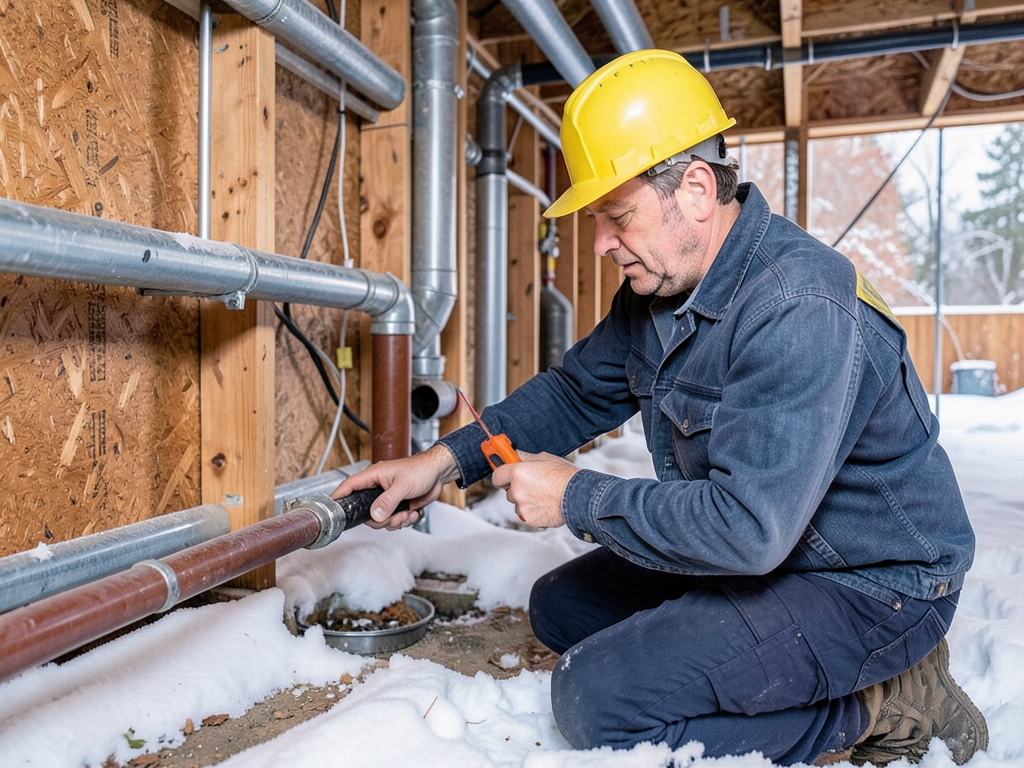
- Plumbing running through exterior walls with minimal insulation
- Older copper pipes that are more susceptible to freezing than modern PEX
- Sillcocks and outdoor faucets that connect directly to interior plumbing
The neighborhood’s architectural diversity means no two homes have identical vulnerabilities. Victorian and Craftsman style homes often have more exterior plumbing runs than mid-century ranches. Homes near Audubon Park Elementary may have different pipe layouts than those closer to the golf course.
Jefferson County building codes require proper pipe insulation in new construction but many Audubon Park homes predate these requirements. This makes preventative maintenance especially important for local homeowners.
Step-by-step prevention checklist
Taking these steps before the first hard freeze can save you from costly repairs:
- Locate your main water shut-off valve
Find the valve where water enters your home. In Audubon Park homes this is often in the basement near the front of the house or in a utility closet. Test the valve to ensure it turns easily. During a freeze emergency you may need to shut off water quickly. What to do when your St. Matthews basement floods after a heavy rain.
- Disconnect and drain outdoor hoses
Remove garden hoses from spigots and drain any remaining water. Even frost-proof sillcocks can freeze if a hose traps water inside. Store hoses in a garage or shed for the winter.
- Install faucet covers on outdoor spigots
Foam faucet covers cost a few dollars at local hardware stores and provide crucial insulation. For Audubon Park’s historic homes with original fixtures consider upgrading to frost-proof sillcocks for long-term protection.
- Insulate exposed pipes
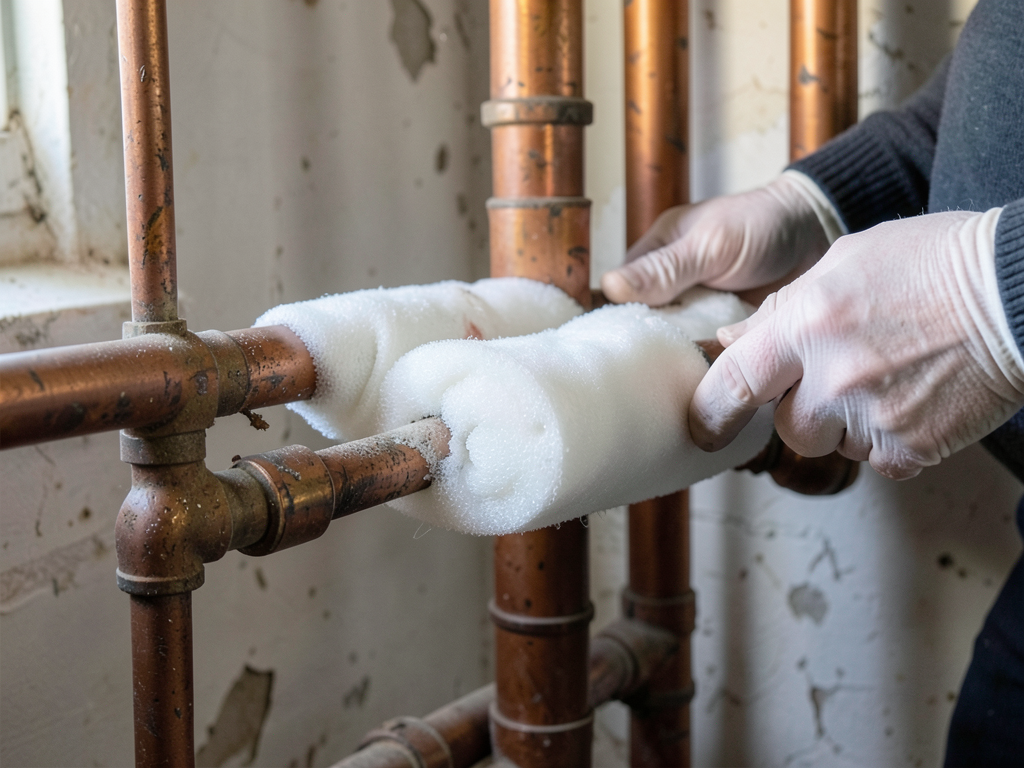
Foam pipe insulation sleeves are available at Home Depot on Breckenridge Lane. Focus on pipes in unheated areas like crawl spaces attics and garages. Pay special attention to pipes near exterior walls in older homes.
- Seal air leaks
Check for gaps around pipes where they enter your home. Use caulk or spray foam to seal these openings. This prevents cold air from reaching pipes and improves your home’s energy efficiency.
- Keep garage doors closed
If your home has plumbing in the garage keep doors closed during cold weather. Even attached garages can get cold enough to freeze pipes.
- Open cabinet doors
Allow warm air to circulate around pipes under sinks. This is especially important for pipes on exterior walls in kitchens and bathrooms.
The drip method for extreme cold
When temperatures drop below 15°F you may need extra protection. The drip method involves letting water trickle from faucets served by exposed pipes.
Choose faucets at the highest and lowest points in your home’s plumbing system. A small continuous flow of water prevents pressure buildup if ice forms. This method uses minimal water but can prevent costly damage.
Louisville Water Company recommends this approach during extreme cold snaps. The cost of a few extra gallons of water is far less than repairing water damage from a burst pipe.
For Audubon Park homes with multiple stories let water drip from upstairs and downstairs faucets. This ensures water moves through the entire plumbing system reducing freeze risk.
Special considerations for vacant properties
Many Audubon Park residents travel during winter months. If your home will be vacant for more than 48 hours take these additional steps:
- Set your thermostat to at least 55°F
- Ask a neighbor to check your home daily
- Shut off the main water valve and drain pipes
- Consider installing a smart water leak detector
Draining pipes completely eliminates freeze risk but requires careful execution. After shutting off the main valve open all faucets and flush toilets to remove standing water. Don’t forget outdoor spigots and sprinkler systems.
What to do if pipes freeze
Despite your best efforts pipes may still freeze. Early detection is crucial. Signs include:
- No water flow from faucets
- Strange noises when turning on taps
- Bulging pipes visible in basements or crawl spaces
If you suspect frozen pipes act quickly:
- Shut off the main water valve immediately
- Keep faucets open to relieve pressure
- Apply gentle heat using a hair dryer or heating pad
- Never use an open flame or blowtorch
Thawing should be done slowly to prevent pipe damage. Start from the faucet end and work toward the coldest section. If you cannot locate the frozen section or feel uncomfortable thawing pipes call a professional immediately. Professional Sewage Backup Cleaning and Sanitization in Jeffersontown.
Professional restoration when prevention fails
Even with precautions pipes can burst causing extensive water damage. When this happens professional restoration becomes critical. Water damage is progressive meaning it gets worse over time.
Within the first 24 hours water can:
- Soak through drywall and insulation
- Damage hardwood floors causing warping
- Create conditions for mold growth
- Compromise electrical systems
Professional water damage restoration follows IICRC S500 standards for proper drying and sanitization. This includes using industrial-grade dehumidifiers air movers and moisture meters to detect hidden water damage.
Audubon Park’s historic homes require special care during restoration. Original woodwork plaster walls and hardwood floors need specific drying techniques to prevent permanent damage.
Local resources and emergency contacts
Keep these numbers handy during winter months:
- Louisville Water Company Emergency Line: 502-589-2444
- Jefferson County Emergency Management: 502-574-2520
- Audubon Park City Hall: 502-637-5862
For immediate water damage response call (502) 370-2711. Our team provides 24/7 emergency service throughout Louisville including Audubon Park. Fast response flood cleanup services near Hikes Point and the Highlands.
Insurance considerations for frozen pipe damage
Most homeowners insurance policies cover sudden and accidental water damage from burst pipes. However coverage varies significantly between policies.
Review your policy to understand:
- Whether you have actual cash value or replacement cost coverage
- Your deductible amount
- Whether gradual damage is covered
- If additional living expenses are included
Documenting damage thoroughly helps with insurance claims. Take photos and videos of all affected areas before cleanup begins. Keep receipts for emergency repairs and temporary housing if needed. Sump Pump Failure Cleanup.
Long-term pipe protection investments
While preventative measures help some Audubon Park homeowners choose permanent solutions. These investments can provide peace of mind:
| Solution | Cost Range | Benefits |
|---|---|---|
| Pipe insulation upgrade | $500-$2,000 | Reduces energy costs and freeze risk |
| Frost-proof sillcock installation | $150-$300 each | Eliminates outdoor faucet freeze risk |
| Smart water monitoring system | $200-$500 | Detects leaks and freezing conditions |
| Complete repiping with PEX | $2,000-$10,000 | Modern material resists freezing |
Energy audits can identify vulnerable pipes and recommend specific insulation improvements. Many local utilities offer rebates for energy efficiency upgrades that also prevent frozen pipes.
Climate trends and future considerations
Climate data shows Kentucky winters becoming more unpredictable. While average temperatures may rise extreme cold events are becoming more frequent and severe.
This volatility means traditional freeze dates are less reliable. Audubon Park homeowners should prepare for cold weather earlier in the season and maintain vigilance through early spring. The most reliable storm damage repair team for Fern Creek and Highview residents.
Urban heat island effects in Louisville can create microclimates. Homes near the Watterson Expressway may experience different freeze patterns than those in the interior of Audubon Park. Understanding your specific location helps tailor prevention strategies.
Community support during winter emergencies
Audubon Park’s close-knit community can be an asset during winter emergencies. Neighbors checking on elderly residents or those traveling can prevent minor issues from becoming major disasters.
The Audubon Park Garden Club and Neighborhood Association often share weather alerts and prevention tips during winter months. Staying connected through these groups provides valuable real-time information.
Local hardware stores like Heuser Hardware on Hess Lane often stock emergency supplies during cold snaps. Building relationships with these businesses ensures you know where to get supplies quickly when needed.
Frequently Asked Questions
At what temperature do pipes typically freeze in Louisville?
Pipes begin to freeze when temperatures drop below 20°F for several hours. However factors like wind chill poor insulation and pipe location can cause freezing at higher temperatures.
How long does it take for pipes to freeze when it’s very cold?
Uninsulated pipes in unheated spaces can freeze in as little as 3-6 hours when temperatures are in the teens or below. Insulated pipes may take 12-24 hours to freeze under the same conditions.
Should I leave my heat on if I’m traveling during winter?
Yes keep your thermostat set to at least 55°F. This prevents freezing while minimizing energy costs. Consider installing a smart thermostat to monitor and control temperatures remotely.
What’s the difference between pipe insulation and heat tape?
Insulation prevents heat loss while heat tape actively warms pipes. Heat tape is best for extreme conditions or pipes that have frozen before. Insulation is more energy efficient for general prevention.
How can I tell if my pipes have already burst?
Signs include water stains on ceilings or walls unexplained water pooling sounds of running water when fixtures are off and sudden drops in water pressure. If you suspect a burst pipe shut off your main water valve immediately.
Is it safe to use a space heater near pipes?
Space heaters can help prevent freezing but use them safely. Keep them away from flammable materials never leave them unattended and ensure proper ventilation. For crawl spaces consider professional heating solutions instead.
What should I do if I find a frozen pipe but it hasn’t burst?
Shut off the main water valve then apply gentle heat to thaw the pipe. Start from the faucet end and work toward the coldest section. If you cannot locate the frozen area call a professional plumber immediately.
Take action before the next freeze
Protecting your Audubon Park home from frozen pipes requires preparation but the effort is worthwhile. The cost of prevention is minimal compared to the expense and stress of water damage restoration.
Start with the basics: locate your shut-off valve insulate exposed pipes and disconnect outdoor hoses. Then assess your home’s specific vulnerabilities based on its age and construction.
For personalized advice about your Audubon Park home’s freeze risks call (502) 370-2711. Our local experts understand the unique challenges of historic Louisville homes and can recommend targeted solutions.
Don’t wait for the first hard freeze. Take action today to protect your home and belongings from winter water damage. Remember that professional help is just a phone call away if prevention fails.
Winter in Louisville can be unpredictable but with proper preparation your Audubon Park home can weather any cold snap. Stay warm stay safe and keep those pipes protected. For more information, visit CDC frozen pipe safety information.
{
“@context”: “https://schema.org”,
“@type”: “BlogPosting”,
“headline”: “Essential tips for preventing frozen pipes in Audubon Park during Kentucky winters”,
“description”: “Learn how to protect your Audubon Park home from frozen pipes this winter. Get expert tips from Louisville’s water damage restoration specialists.”,
“wordCount”: 2010,
“datePublished”: “2026-03-22T09:10:00.000Z”,
“dateModified”: “2026-03-22T09:10:00.000Z”,
“inLanguage”: “en-US”,
“mainEntityOfPage”: {
“@type”: “WebPage”,
“@id”: “https://elitewaterdamagerestorationlouisville.com”
},
“publisher”: {
“@type”: “LocalBusiness”,
“name”: “Elite Water Damage Restoration Louisville”,
“url”: “https://elitewaterdamagerestorationlouisville.com”
},
“author”: {
“@type”: “Organization”,
“name”: “Elite Water Damage Restoration Louisville”,
“url”: “https://elitewaterdamagerestorationlouisville.com”
},
“image”: {
“@type”: “ImageObject”,
“url”: “https://elitewaterdamagerestorationlouisville.com/wp-content/uploads/2026/03/essential-tips-for-preventing-frozen-pipes-in-audu-1.png”
}
}
{
“@context”: “https://schema.org”,
“@type”: “LocalBusiness”,
“name”: “Elite Water Damage Restoration Louisville”,
“url”: “https://elitewaterdamagerestorationlouisville.com”,
“address”: {
“@type”: “PostalAddress”,
“addressLocality”: “Louisville”
},
“areaServed”: {
“@type”: “City”,
“name”: “Louisville”
}
}
{
“@context”: “https://schema.org”,
“@type”: “FAQPage”,
“mainEntity”: [
{
“@type”: “Question”,
“name”: “At what temperature do pipes typically freeze in Louisville?”,
“acceptedAnswer”: {
“@type”: “Answer”,
“text”: “Pipes begin to freeze when temperatures drop below 20°F for several hours. However factors like wind chill poor insulation and pipe location can cause freezing at higher temperatures.”
}
},
{
“@type”: “Question”,
“name”: “How long does it take for pipes to freeze when it’s very cold?”,
“acceptedAnswer”: {
“@type”: “Answer”,
“text”: “Uninsulated pipes in unheated spaces can freeze in as little as 3-6 hours when temperatures are in the teens or below. Insulated pipes may take 12-24 hours to freeze under the same conditions.”
}
},
{
“@type”: “Question”,
“name”: “Should I leave my heat on if I’m traveling during winter?”,
“acceptedAnswer”: {
“@type”: “Answer”,
“text”: “Yes keep your thermostat set to at least 55°F. This prevents freezing while minimizing energy costs. Consider installing a smart thermostat to monitor and control temperatures remotely.”
}
},
{
“@type”: “Question”,
“name”: “What’s the difference between pipe insulation and heat tape?”,
“acceptedAnswer”: {
“@type”: “Answer”,
“text”: “Insulation prevents heat loss while heat tape actively warms pipes. Heat tape is best for extreme conditions or pipes that have frozen before. Insulation is more energy efficient for general prevention.”
}
},
{
“@type”: “Question”,
“name”: “Is it safe to use a space heater near pipes?”,
“acceptedAnswer”: {
“@type”: “Answer”,
“text”: “Space heaters can help prevent freezing but use them safely. Keep them away from flammable materials never leave them unattended and ensure proper ventilation. For crawl spaces consider professional heating solutions instead.”
}
},
{
“@type”: “Question”,
“name”: “What should I do if I find a frozen pipe but it hasn’t burst?”,
“acceptedAnswer”: {
“@type”: “Answer”,
“text”: “Shut off the main water valve then apply gentle heat to thaw the pipe. Start from the faucet end and work toward the coldest section. If you cannot locate the frozen area call a professional plumber immediately.”
}
}
]
}
{
“@context”: “https://schema.org”,
“@type”: “HowTo”,
“name”: “Prevent Frozen Pipes”,
“step”: [
{
“@type”: “HowToStep”,
“position”: 1,
“name”: “Locate your main water shut-off valve”,
“text”: “Find the valve where water enters your home. In Audubon Park homes this is often in the basement near the front of the house or in a utility closet. Test the valve to ensure it turns easily. During a freeze emergency you may need to shut off water quickly. What to do when your St. Matthews basement floods after a heavy rain.”
},
{
“@type”: “HowToStep”,
“position”: 2,
“name”: “Disconnect and drain outdoor hoses”,
“text”: “Remove garden hoses from spigots and drain any remaining water. Even frost-proof sillcocks can freeze if a hose traps water inside. Store hoses in a garage or shed for the winter.”
},
{
“@type”: “HowToStep”,
“position”: 3,
“name”: “Install faucet covers on outdoor spigots”,
“text”: “Foam faucet covers cost a few dollars at local hardware stores and provide crucial insulation. For Audubon Park’s historic homes with original fixtures consider upgrading to frost-proof sillcocks for long-term protection.”
},
{
“@type”: “HowToStep”,
“position”: 4,
“name”: “Insulate exposed pipes”,
“text”: “Foam pipe insulation sleeves are available at Home Depot on Breckenridge Lane. Focus on pipes in unheated areas like crawl spaces attics and garages. Pay special attention to pipes near exterior walls in older homes.”
},
{
“@type”: “HowToStep”,
“position”: 5,
“name”: “Seal air leaks”,
“text”: “Check for gaps around pipes where they enter your home. Use caulk or spray foam to seal these openings. This prevents cold air from reaching pipes and improves your home’s energy efficiency.”
},
{
“@type”: “HowToStep”,
“position”: 6,
“name”: “Keep garage doors closed”,
“text”: “If your home has plumbing in the garage keep doors closed during cold weather. Even attached garages can get cold enough to freeze pipes.”
},
{
“@type”: “HowToStep”,
“position”: 7,
“name”: “Open cabinet doors”,
“text”: “Allow warm air to circulate around pipes under sinks. This is especially important for pipes on exterior walls in kitchens and bathrooms.”
}
],
“image”: “https://elitewaterdamagerestorationlouisville.com/wp-content/uploads/2026/03/essential-tips-for-preventing-frozen-pipes-in-audu-1.png”
}
{
“@context”: “https://schema.org”,
“@type”: “BreadcrumbList”,
“itemListElement”: [
{
“@type”: “ListItem”,
“position”: 1,
“name”: “Home”,
“item”: “https://elitewaterdamagerestorationlouisville.com”
},
{
“@type”: “ListItem”,
“position”: 2,
“name”: “Blog”,
“item”: “https://elitewaterdamagerestorationlouisville.com/blog”
},
{
“@type”: “ListItem”,
“position”: 3,
“name”: “Essential tips for preventing frozen pipes in Audubon Park during Kentucky winters”
}
]
}
{
“@context”: “https://schema.org”,
“@type”: “Service”,
“serviceType”: “Water Damage Restoration”,
“provider”: {
“@type”: “LocalBusiness”,
“name”: “Elite Water Damage Restoration Louisville”,
“url”: “https://elitewaterdamagerestorationlouisville.com”
},
“areaServed”: {
“@type”: “City”,
“name”: “Louisville”
},
“description”: “Learn how to protect your Audubon Park home from frozen pipes this winter. Get expert tips from Louisville’s water damage restoration specialists.”
}