
How Foundation Planting and Grading Can Save Your Highview Basement from Flooding
Heavy spring rains and the clay-heavy soil common in Jefferson County create a perfect storm for basement flooding in Highview. Water pools against your foundation when the ground cannot absorb it fast enough. Proper grading and strategic landscaping redirect that water away before it seeps through walls and cracks. This guide shows you how to protect your home using proven techniques tailored to Louisville’s unique climate and soil conditions. Louisville MSD Drainage Information.
Why Highview Homes Face Unique Drainage Challenges
Highview sits on land shaped by ancient river deposits and decades of urban development. The underlying soil contains high percentages of clay that expands when wet and contracts when dry. This expansion creates pressure against basement walls while the contraction leaves gaps where water can pool. Combined with the area’s average annual rainfall of 45-50 inches, these conditions make basements vulnerable to water intrusion. What to do when your St. Matthews basement floods after a heavy rain.
Many Highview homes were built before modern drainage codes took effect. Older properties often lack proper downspout extensions or have settled over time, creating negative grading that funnels water toward foundations. The Metropolitan Sewer District’s combined sewer system in older sections can also back up during heavy storms, forcing water back through foundation drains. The most reliable storm damage repair team for Fern Creek and Highview residents.
The Science Behind Effective Water Management
Water moves through soil following the path of least resistance. When your yard slopes toward your house, gravity pulls rainwater directly to your foundation. Once there, hydrostatic pressure builds against basement walls. This pressure forces water through even tiny cracks or porous concrete. 24/7 Emergency Water Removal.
Proper grading creates a positive slope away from your home. The ground should drop at least six inches over the first ten feet from your foundation. This simple change can reduce basement flooding risk by up to 80 percent according to drainage engineering studies. Fast response flood cleanup services near Hikes Point and the Highlands.
Step-by-Step Grading and Landscaping Solutions
1. Assess Your Current Grade
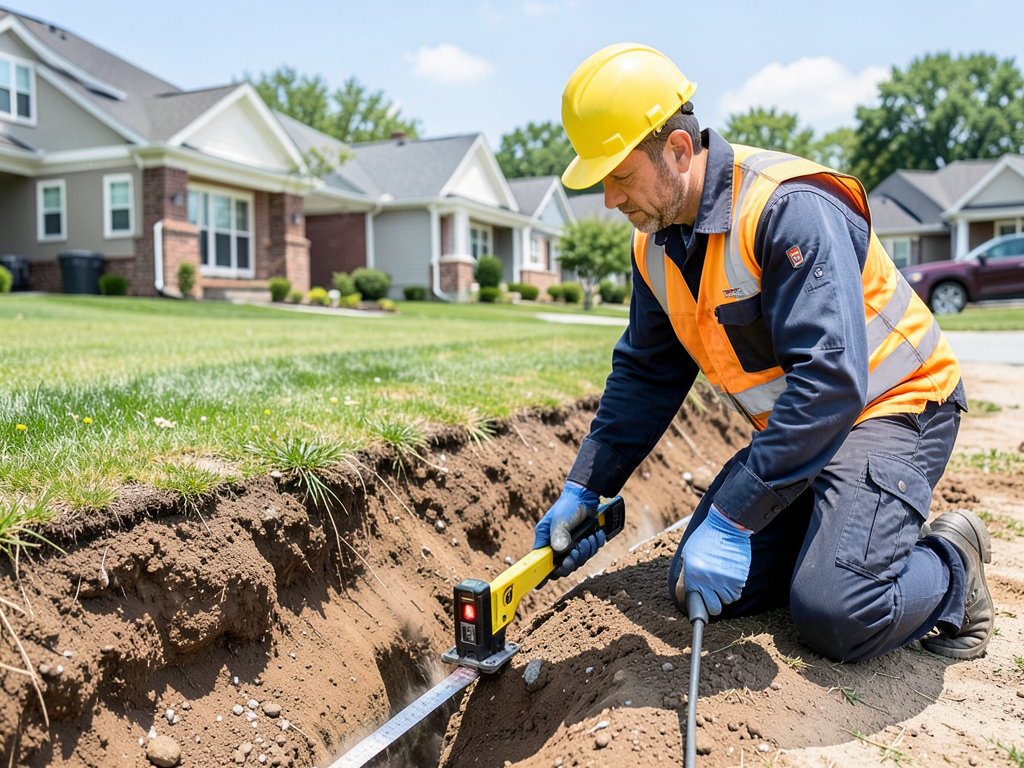
Start by checking the slope around your home. Use a level and straight board to measure the drop from your foundation to ten feet away. If the ground slopes toward your house or is flat, you need to regrade. Look for settled areas near downspouts where soil has compacted over time.
2. Create the Proper Slope
Remove existing soil near your foundation and add clean fill dirt. Compact each layer as you build up the slope. The finished grade should be six inches lower at the foundation than at ten feet away. Extend this slope at least ten feet from your house in all directions.
Never pile soil against siding or wooden structures. Leave at least six inches of foundation showing above grade to prevent moisture wicking into walls. Use a tamper to compact soil every six inches of depth to prevent future settling.
3. Install Downspout Extensions
Gutters collect thousands of gallons of water during heavy storms. Without proper extensions, this water dumps directly against your foundation. Install extensions that carry water at least five to ten feet away from your home.
Consider underground PVC piping for a cleaner look. These systems connect to downspouts and discharge water in garden beds or dry wells away from your foundation. Use solid pipe rather than perforated drain tile near the house to prevent water from seeping back toward your basement.
4. Add Strategic Landscaping
Plants native to Kentucky can help manage water while beautifying your yard. Deep-rooted species like Switchgrass and Little Bluestem absorb moisture and stabilize soil. These plants also tolerate both wet and dry conditions common in Louisville.
Group plants with similar water needs together. Place thirsty varieties in low spots where water naturally collects. Use mulch to slow water runoff and keep soil temperatures stable. Avoid landscape fabric in drainage areas as it can trap water against your foundation.
5. Install French Drains for Problem Areas
Some yards have low spots that collect water no matter how well you grade. French drains solve this by providing an underground path for water to escape. Dig a trench sloping away from your house, line it with landscape fabric, and fill it with gravel and perforated pipe.
Connect the drain to a dry well or storm sewer if allowed by local codes. In Highview, check with MSD before connecting to any municipal system. The pipe should slope at least one inch per eight feet to keep water moving.
Choosing the Right Plants for Louisville’s Climate
Native Kentucky plants offer the best solution for water management because they evolved to handle local conditions. Blue Flag Iris thrives in wet areas and provides beautiful spring blooms. Cardinal Flower attracts hummingbirds while tolerating soggy soil.
River Birch trees excel at absorbing excess moisture. Their shallow root systems spread widely to capture surface water. Plant them at least twenty feet from your foundation to prevent root damage to pipes or foundations.
For sunny areas, consider Purple Coneflower and Black-eyed Susan. These drought-tolerant natives handle both wet springs and dry summers. Their deep roots improve soil structure over time, increasing water absorption capacity.
Hardscaping Options That Improve Drainage
Traditional concrete patios and walkways create runoff problems by preventing water absorption. Permeable pavers offer an alternative that allows water to filter through while maintaining a solid surface for walking and driving.
Porous concrete and asphalt work similarly but require professional installation. These materials have larger aggregate particles that create void spaces for water to pass through. They cost more upfront but reduce long-term drainage issues. Professional Sewage Backup Cleaning and Sanitization in Jeffersontown.
Consider gravel paths or crushed stone patios in areas where you want maximum water penetration. These surfaces drain instantly and can be edged with larger stones for a finished look. They also allow you to change the layout easily if needed.
When Professional Help Becomes Necessary
Sometimes landscaping solutions cannot overcome severe drainage problems. Signs you need professional assessment include persistent dampness, mold growth, or water entering your basement during normal rainfall.
Foundation cracks wider than one-eighth inch often indicate structural issues requiring expert repair. Water stains on basement walls show where hydrostatic pressure has already forced moisture through concrete. EPA Stormwater Management Resources.
Professional waterproofing contractors can install exterior drainage membranes, interior French drains, or sump pump systems. These solutions cost more but provide permanent fixes for chronic flooding problems.
Local Regulations and Best Practices
Jefferson County requires permits for most drainage modifications affecting more than 500 square feet. Check with the Louisville Metro Department of Community Services before starting major projects. Some neighborhoods have additional restrictions through homeowners associations.
MSD offers incentives for rain garden installations through their Rain Check program. These gardens use specialized soil mixes and native plants to manage stormwater on-site. They can reduce your property’s contribution to combined sewer overflows during heavy rains.
Always direct downspout extensions to drain onto your property rather than onto sidewalks or streets. Louisville ordinances prohibit allowing water to flow onto neighboring properties or public right-of-ways.
Seasonal Maintenance for Long-Term Protection
Spring brings the heaviest rainfall, making it the most critical season for drainage systems. Clean gutters and check downspout extensions before April showers begin. Remove debris from drainage swales and ensure French drains remain clear.
Summer heat can cause soil to crack and settle, creating new low spots. Check your grading after drought periods and add soil where needed. Water new plantings deeply but infrequently to encourage deep root growth.
Fall leaves can clog drainage systems quickly. Keep gutters and downspouts clear throughout autumn. Consider installing leaf guards on gutters to reduce maintenance needs.
Winter freeze-thaw cycles in Louisville can damage improperly graded soil. Water trapped in low spots expands when frozen, creating larger depressions. Fill these areas in late fall before the first freeze.
Common Mistakes to Avoid
Piling mulch against your foundation creates a moisture trap that encourages termite activity and wood rot. Keep mulch at least six inches away from siding and wooden structures.
Planting trees too close to your house risks foundation damage from growing roots. Even small ornamental trees need ten to fifteen feet of clearance from foundations.
Using landscape fabric in areas where you want water to penetrate blocks natural soil processes. The fabric prevents organic matter from mixing with soil and can create a barrier to root growth.
Ignoring minor drainage issues allows problems to worsen over time. Small puddles today become foundation cracks tomorrow. Address issues when you first notice them.
Cost Considerations and Return on Investment
Professional grading and drainage installation typically costs between $2,000 and $8,000 depending on yard size and complexity. French drains add $1,500 to $4,000 to these costs. While these represent significant investments, they pale compared to the $15,000 to $40,000 cost of repairing water-damaged basements.
Insurance rarely covers flooding damage caused by poor drainage or maintenance issues. Most policies only cover sudden, accidental water events like burst pipes. This makes preventive landscaping a smart financial decision.
Well-designed drainage systems can increase property values by improving curb appeal and demonstrating proper home maintenance. They also reduce energy costs by keeping basements drier and more comfortable year-round.
Taking the First Step
Start with a simple walk around your home during the next heavy rain. Watch where water flows and pools. Take photos of problem areas to reference later. This basic assessment helps you understand your property’s specific challenges.
Consider hiring a drainage professional for a comprehensive assessment if you notice multiple problem areas or have a finished basement you want to protect. Many companies offer free consultations and can provide specific recommendations for your property.
Remember that effective water management combines proper grading, strategic planting, and well-maintained drainage systems. No single solution works for every property, but the right combination can keep your Highview basement dry for years to come.
Frequently Asked Questions
How much slope do I need away from my foundation?
The ground should drop at least six inches over the first ten feet from your foundation. This creates positive drainage that moves water away from your home rather than toward it.
Can I install French drains myself?
Basic French drains are DIY-friendly if you have the physical ability to dig trenches and understand proper slope requirements. However, complex systems or those connecting to municipal drainage may require professional installation and permits.
What are the best plants for wet areas in Louisville?
Native Kentucky plants like Blue Flag Iris, Cardinal Flower, and River Birch handle wet conditions well. These species evolved to manage heavy spring rains and provide year-round beauty while improving soil structure.
How often should I check my drainage systems?
Inspect your grading and drainage at least twice yearly, in spring and fall. Check more frequently during the first year after installation as soil settles. Clean gutters quarterly and after major storms.
Will proper landscaping really prevent basement flooding?
Proper grading and drainage can prevent up to 80 percent of basement flooding issues. While no system is perfect, especially during extreme weather, good landscaping significantly reduces your risk of water damage.
Call (502) 370-2711 Today to Schedule Your Drainage Inspection
Don’t wait for the next heavy rain to discover drainage problems. Our team has served Highview and surrounding Louisville communities for years, helping homeowners protect their basements through proven landscaping and grading techniques. We understand the unique challenges of Jefferson County’s clay soil and can recommend solutions tailored to your specific property.
Pick up the phone and call (502) 370-2711 before the next storm hits. A quick inspection now can save you thousands in potential water damage repairs later. Our experts will assess your current drainage situation and provide clear recommendations you can implement right away.
Water damage restoration costs increase dramatically the longer water sits in your basement. Don’t let a preventable problem become an expensive emergency. Call (502) 370-2711 today to schedule your inspection and take the first step toward a dry, protected basement.
{
“@context”: “https://schema.org”,
“@type”: “BlogPosting”,
“headline”: “How Foundation Planting and Grading Can Save Your Highview Basement from Flooding”,
“description”: “Learn how proper landscaping, grading, and drainage systems can protect your Highview basement from flooding. Discover local soil challenges and expert solutions.”,
“wordCount”: 2011,
“datePublished”: “2026-06-10T15:58:00.000Z”,
“dateModified”: “2026-06-10T15:58:00.000Z”,
“inLanguage”: “en-US”,
“mainEntityOfPage”: {
“@type”: “WebPage”,
“@id”: “https://elitewaterdamagerestorationlouisville.com”
},
“publisher”: {
“@type”: “LocalBusiness”,
“name”: “Elite Water Damage Restoration Louisville”,
“url”: “https://elitewaterdamagerestorationlouisville.com”
},
“author”: {
“@type”: “Organization”,
“name”: “Elite Water Damage Restoration Louisville”,
“url”: “https://elitewaterdamagerestorationlouisville.com”
},
“image”: {
“@type”: “ImageObject”,
“url”: “https://elitewaterdamagerestorationlouisville.com/wp-content/uploads/2026/03/how-foundation-planting-and-grading-can-save-your-1.png”
}
}
{
“@context”: “https://schema.org”,
“@type”: “LocalBusiness”,
“name”: “Elite Water Damage Restoration Louisville”,
“url”: “https://elitewaterdamagerestorationlouisville.com”,
“address”: {
“@type”: “PostalAddress”,
“addressLocality”: “Louisville”
},
“areaServed”: {
“@type”: “City”,
“name”: “Louisville”
}
}
{
“@context”: “https://schema.org”,
“@type”: “FAQPage”,
“mainEntity”: [
{
“@type”: “Question”,
“name”: “How much slope do I need away from my foundation?”,
“acceptedAnswer”: {
“@type”: “Answer”,
“text”: “The ground should drop at least six inches over the first ten feet from your foundation. This creates positive drainage that moves water away from your home rather than toward it.”
}
},
{
“@type”: “Question”,
“name”: “Can I install French drains myself?”,
“acceptedAnswer”: {
“@type”: “Answer”,
“text”: “Basic French drains are DIY-friendly if you have the physical ability to dig trenches and understand proper slope requirements. However, complex systems or those connecting to municipal drainage may require professional installation and permits.”
}
},
{
“@type”: “Question”,
“name”: “What are the best plants for wet areas in Louisville?”,
“acceptedAnswer”: {
“@type”: “Answer”,
“text”: “Native Kentucky plants like Blue Flag Iris, Cardinal Flower, and River Birch handle wet conditions well. These species evolved to manage heavy spring rains and provide year-round beauty while improving soil structure.”
}
},
{
“@type”: “Question”,
“name”: “Will proper landscaping really prevent basement flooding?”,
“acceptedAnswer”: {
“@type”: “Answer”,
“text”: “Proper grading and drainage can prevent up to 80 percent of basement flooding issues. While no system is perfect, especially during extreme weather, good landscaping significantly reduces your risk of water damage.”
}
}
]
}
{
“@context”: “https://schema.org”,
“@type”: “BreadcrumbList”,
“itemListElement”: [
{
“@type”: “ListItem”,
“position”: 1,
“name”: “Home”,
“item”: “https://elitewaterdamagerestorationlouisville.com”
},
{
“@type”: “ListItem”,
“position”: 2,
“name”: “Blog”,
“item”: “https://elitewaterdamagerestorationlouisville.com/blog”
},
{
“@type”: “ListItem”,
“position”: 3,
“name”: “How Foundation Planting and Grading Can Save Your Highview Basement from Flooding”
}
]
}
{
“@context”: “https://schema.org”,
“@type”: “Service”,
“serviceType”: “Water Damage Restoration”,
“provider”: {
“@type”: “LocalBusiness”,
“name”: “Elite Water Damage Restoration Louisville”,
“url”: “https://elitewaterdamagerestorationlouisville.com”
},
“areaServed”: {
“@type”: “City”,
“name”: “Louisville”
},
“description”: “Learn how proper landscaping, grading, and drainage systems can protect your Highview basement from flooding. Discover local soil challenges and expert solutions.”
}