
Understanding the difference between flood insurance and water backup coverage in Wellington
Flood damage and water backup damage are two completely different insurance categories that catch most Louisville homeowners by surprise. Flood insurance covers rising water from storms rivers or heavy rainfall that enters your home from the ground up. Water backup coverage protects against sewer line blockages sump pump failures or drain backups that force water into your basement through plumbing fixtures. Most standard homeowners policies exclude both perils leaving you financially exposed when disaster strikes. Louisville MSD.
In Louisville the distinction matters more than ever. Our aging sewer infrastructure combined with heavy spring rains creates a perfect storm for both types of water damage. Understanding which coverage you need before disaster strikes can save you thousands in restoration costs and prevent months of insurance claim headaches. The most reliable storm damage repair team for Fern Creek and Highview residents.
Quick comparison: Flood insurance vs. water backup coverage
| Coverage Type | Water Source | Typical Policy | Average Annual Cost |
|---|---|---|---|
| Flood Insurance | Rising surface water groundwater | NFIP or private carrier | $700 – $1,500 |
| Water Backup | Sewer drain sump pump failure | Endorsement to homeowners | $50 – $250 |
What flood insurance actually covers in Louisville
Flood insurance through the National Flood Insurance Program defines flooding as a general and temporary condition where two or more acres of normally dry land or two or more properties are inundated by water from the ground up. This includes storm surge river overflow heavy rainfall that creates standing water and even mudflows. Fast response flood cleanup services near Hikes Point and the Highlands.
In Louisville flood zones are mapped by FEMA based on proximity to the Ohio River and local drainage patterns. Areas near the river from downtown to the East End carry higher flood risk ratings. Properties in these zones often require flood insurance if you have a mortgage from a federally regulated lender. FEMA Flood Insurance.
Flood policies cover structural damage to your home’s foundation walls electrical systems HVAC equipment and major appliances. They also cover cleanup and debris removal after the water recedes. However they exclude basement improvements like finished walls flooring and personal belongings stored below ground level. What to do when your St. Matthews basement floods after a heavy rain.
Diagnostic insight: During flood events we often see water rise three to four feet in finished basements destroying drywall carpet and furniture. The musty odor of wet building materials combined with the sound of water sloshing against foundation walls tells us immediately this is a flood claim not a backup claim.
Understanding water backup coverage in Louisville homes
Water backup coverage is an endorsement you add to your existing homeowners policy. It covers damage when water or sewage backs up through sewers drains or overflows from a sump pump or related equipment. This includes tree root infiltration collapsed pipes and municipal sewer system overloads during heavy rains. Professional Sewage Backup Cleaning and Sanitization in Jeffersontown.
Louisville’s Metropolitan Sewer District faces unique challenges with combined sewer overflow systems in older neighborhoods. When heavy rains overwhelm the system water can back up through floor drains and toilets causing extensive damage to finished basements and mechanical systems.. Read more about Why your toilet overflow in Woodlawn Park needs professional sanitation.
Backup coverage typically includes damage to walls floors personal property and the cost to clean and sanitize affected areas. Many policies also cover the cost to repair or replace the damaged sump pump or ejector pump that failed.. Read more about Emergency repair for a burst water heater in Douglass Hills.
Local factor: Jefferson County’s clay soil combined with aging clay sewer pipes creates frequent backup scenarios. Tree roots infiltrate old pipes creating blockages that lead to sewage backing up into homes during even moderate rainfall events.
Why Louisville homeowners need both coverages
Most Louisville homeowners assume their standard policy covers any water damage. This assumption leaves thousands of dollars in uncovered losses when disaster strikes. A typical finished basement contains $25,000 to $50,000 in materials and personal belongings that standard policies exclude.. Read more about Why Fern Creek homeowners choose local restoration experts over national chains.
Consider a heavy spring storm that drops three inches of rain in two hours. The Ohio River rises flooding nearby properties while the overwhelmed sewer system backs up through basement floor drains. Without proper coverage you face two separate insurance claims with different adjusters different documentation requirements and different payout limits.. Read more about Why heavy rain causes sewer backups in Watterson Park (and how to prevent them).
The Kentucky Department of Insurance reports that water damage claims are among the most common and most disputed types of homeowner claims. Understanding your coverage before disaster strikes gives you leverage when negotiating with adjusters. Kentucky Department of Insurance.
Diagnostic insight: We use moisture meters at multiple depths to determine how far water has wicked into building materials. This testing reveals whether damage is from clean floodwater or contaminated backup water which affects both restoration methods and insurance coverage.
Louisville’s unique flood and backup risks
Louisville sits in the Ohio Valley where spring storms bring intense rainfall over short periods. The Ohio River flood stage at McAlpine Dam is 55 feet. When river levels exceed this mark low-lying areas from the Portland neighborhood to the East End face flooding risks.
Beyond river flooding flash flooding affects neighborhoods throughout Jefferson County. Areas with poor drainage like parts of Shively and PRP experience street flooding that can back up through foundation drains. The city’s combined sewer overflow system in older neighborhoods creates additional backup risks during heavy rains.
Winter freeze-thaw cycles compound these problems. Frozen ground prevents proper drainage causing surface water to pool around foundations. When this water finds cracks or foundation drains it creates hydrostatic pressure that forces water into basements through walls and floors.
Local code insight: Louisville Metro building code requires proper drainage away from foundations and sump pump discharge at least ten feet from the foundation. Homes built before these requirements often lack adequate protection against both flooding and backup scenarios.
Documenting damage for insurance claims
Proper documentation determines whether your insurance claim gets approved and how much you receive. When water damage occurs immediately begin documenting everything before starting cleanup. Sump Pump Failure Cleanup.
Take clear photos and videos of all affected areas before removing anything. Document the water line on walls showing how high the water rose. Photograph damaged contents furniture and personal belongings. Keep all receipts for emergency services temporary housing and restoration work.
Create a detailed inventory of damaged items including age condition and replacement cost. For finished basements document the quality of materials flooring and fixtures. This documentation helps establish the true cost of restoration which often exceeds initial adjuster estimates.
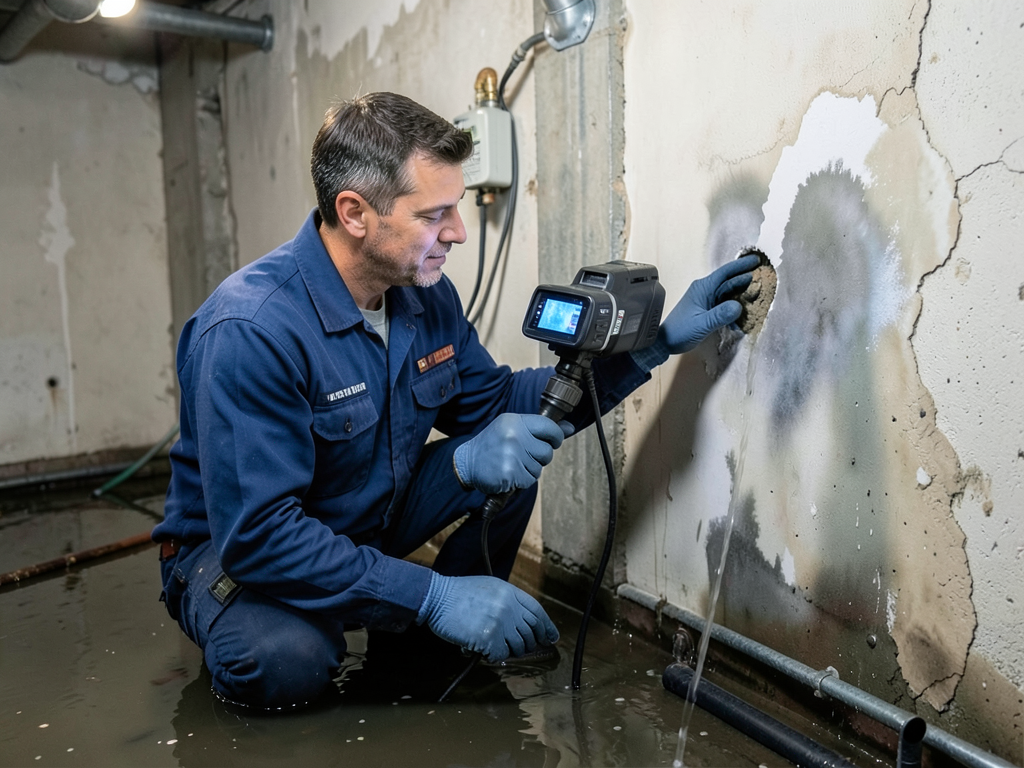
Diagnostic insight: We use thermal imaging cameras to detect moisture behind walls and under flooring. These images provide objective evidence of damage extent that insurance adjusters cannot dispute. The temperature differentials show exactly where water traveled even in hidden cavities.
Restoration process: What happens after water damage
Water damage restoration follows a specific process that begins with emergency response. Within hours standing water begins wicking into walls and creating conditions for mold growth. The first 24 to 48 hours are critical for preventing secondary damage.
Professional restoration starts with water extraction using truck-mounted equipment that removes thousands of gallons per hour. Industrial air movers and dehumidifiers then dry the structure to industry standards. This process typically takes three to five days depending on the extent of damage.
Category classification determines restoration methods and safety protocols. Clean water from supply line breaks requires less stringent procedures than contaminated water from sewage backups or river flooding. Category three water damage mandates full personal protective equipment and antimicrobial treatments.
Diagnostic insight: We test affected materials with moisture meters reading in percent wood moisture equivalent. Dry standard for wood is typically six to nine percent. Materials reading above fifteen percent require removal regardless of visible appearance to prevent mold growth.
Cost factors in water damage restoration
Restoration costs vary based on water category damage extent and building materials affected. Clean water damage from supply line breaks costs $3 to $5 per square foot to restore. Gray water from appliance overflows runs $4 to $6.50 per square foot. Black water from sewage or flooding costs $7 to $10 per square foot.
Finished basements with carpet drywall and insulation cost significantly more to restore than unfinished spaces with concrete floors and exposed studs. Personal belongings water damage cleanup and content manipulation add substantial costs to total restoration.
Emergency services like water extraction board up and temporary fencing cost $500 to $2,500 depending on the scope. These services are often not covered by insurance but prevent further damage that would exceed these costs.
Diagnostic insight: We use psychrometric readings to monitor the drying process. Relative humidity should drop below forty percent and specific humidity below fifty-five grains per pound for successful structural drying. These measurements guide equipment placement and removal timing.
Preventing future water damage
Prevention costs far less than restoration. Simple maintenance steps can prevent most water damage scenarios. Clean gutters and downspouts at least twice yearly. Extend downspouts at least six feet from the foundation. Grade soil away from the foundation at one inch per foot for at least six feet.
Test your sump pump quarterly by pouring water into the pit. Replace sump pumps every five to seven years before they fail. Install battery backup systems to protect against power outages during storms. Consider installing a backwater valve to prevent sewer backups.
Inspect your foundation annually for cracks or signs of water intrusion. Seal small cracks with hydraulic cement. Address grading issues that direct water toward your foundation. These simple steps prevent most basement water problems.
Local factor: Louisville’s freeze-thaw cycles cause foundation movement that creates new cracks each winter. Annual inspections catch these issues before they become major water intrusion points.
Frequently Asked Questions
Does homeowners insurance cover a broken sump pump?
Standard homeowners policies exclude sump pump failures. You need a water backup endorsement to cover damage from pump failure. Without this coverage you pay for all restoration costs out of pocket.
Is Louisville in a high-risk flood zone?
Parts of Louisville are in high-risk flood zones especially near the Ohio River and in low-lying areas. FEMA flood maps show varying risk levels throughout Jefferson County. Even properties outside high-risk zones can experience flooding from heavy rainfall or sewer backups.
How much does flood insurance cost in Louisville?
Flood insurance through NFIP costs $700 to $1,500 annually depending on your flood zone coverage limits and deductible. Private flood insurance may offer lower rates for properties in moderate risk areas.
What’s the difference between gradual and sudden water damage?
Sudden damage from burst pipes or storms is typically covered by homeowners policies. Gradual damage from long-term leaks poor maintenance or groundwater seepage is usually excluded. Insurance companies look for evidence of gradual damage when investigating claims.
Take action before disaster strikes
Water damage moves fast. Within 24 hours mold begins growing behind walls and under flooring. Within 48 hours structural materials begin breaking down permanently. The longer you wait the more expensive restoration becomes.
Review your insurance policies this week. Call your agent to confirm you have both flood insurance and water backup coverage. Document your basement contents and improvements. Create an emergency plan for what to do when water enters your home.
When water damage occurs call professionals immediately. DIY cleanup often spreads contamination and creates conditions for mold growth. Professional restoration with proper equipment and training prevents secondary damage and protects your health.. Read more about Immediate help for flooded guest houses and pool rooms in Northfield.
Call (502) 370-2711 today to schedule your insurance coverage review or emergency response consultation. Don’t wait until water is rising in your basement to discover you’re underinsured.
Pick up the phone and call (502) 370-2711 before the next storm hits. Our certified technicians are ready 24/7 to protect your Louisville home from water damage disasters.
You may also find this helpful. Comparing the cost of sump pump repair versus a full basement restoration in Highview.
You may also find this helpful. How to tell if your Buechel home needs a public adjuster or a restoration contractor.
{
“@context”: “https://schema.org”,
“@type”: “BlogPosting”,
“headline”: “Understanding the difference between flood insurance and water backup coverage in Wellington”,
“description”: “Learn how flood insurance and water backup coverage differ in Wellington Louisville. Protect your home from rising water vs. sewer backups with proper insurance.”,
“wordCount”: 1946,
“datePublished”: “2026-04-11T08:42:00.000Z”,
“dateModified”: “2026-04-11T08:42:00.000Z”,
“inLanguage”: “en-US”,
“mainEntityOfPage”: {
“@type”: “WebPage”,
“@id”: “https://elitewaterdamagerestorationlouisville.com”
},
“publisher”: {
“@type”: “LocalBusiness”,
“name”: “Elite Water Damage Restoration Louisville”,
“url”: “https://elitewaterdamagerestorationlouisville.com”
},
“author”: {
“@type”: “Organization”,
“name”: “Elite Water Damage Restoration Louisville”,
“url”: “https://elitewaterdamagerestorationlouisville.com”
},
“image”: {
“@type”: “ImageObject”,
“url”: “https://elitewaterdamagerestorationlouisville.com/wp-content/uploads/2026/03/understanding-the-difference-between-flood-insuran-1.png”
}
}
{
“@context”: “https://schema.org”,
“@type”: “LocalBusiness”,
“name”: “Elite Water Damage Restoration Louisville”,
“url”: “https://elitewaterdamagerestorationlouisville.com”,
“address”: {
“@type”: “PostalAddress”,
“addressLocality”: “Louisville”
},
“areaServed”: {
“@type”: “City”,
“name”: “Louisville”
}
}
{
“@context”: “https://schema.org”,
“@type”: “FAQPage”,
“mainEntity”: [
{
“@type”: “Question”,
“name”: “Does homeowners insurance cover a broken sump pump?”,
“acceptedAnswer”: {
“@type”: “Answer”,
“text”: “Standard homeowners policies exclude sump pump failures. You need a water backup endorsement to cover damage from pump failure. Without this coverage you pay for all restoration costs out of pocket.”
}
},
{
“@type”: “Question”,
“name”: “Is Louisville in a high-risk flood zone?”,
“acceptedAnswer”: {
“@type”: “Answer”,
“text”: “Parts of Louisville are in high-risk flood zones especially near the Ohio River and in low-lying areas. FEMA flood maps show varying risk levels throughout Jefferson County. Even properties outside high-risk zones can experience flooding from heavy rainfall or sewer backups.”
}
},
{
“@type”: “Question”,
“name”: “How much does flood insurance cost in Louisville?”,
“acceptedAnswer”: {
“@type”: “Answer”,
“text”: “Flood insurance through NFIP costs $700 to $1,500 annually depending on your flood zone coverage limits and deductible. Private flood insurance may offer lower rates for properties in moderate risk areas.”
}
},
{
“@type”: “Question”,
“name”: “What’s the difference between gradual and sudden water damage?”,
“acceptedAnswer”: {
“@type”: “Answer”,
“text”: “Sudden damage from burst pipes or storms is typically covered by homeowners policies. Gradual damage from long-term leaks poor maintenance or groundwater seepage is usually excluded. Insurance companies look for evidence of gradual damage when investigating claims.”
}
}
]
}
{
“@context”: “https://schema.org”,
“@type”: “BreadcrumbList”,
“itemListElement”: [
{
“@type”: “ListItem”,
“position”: 1,
“name”: “Home”,
“item”: “https://elitewaterdamagerestorationlouisville.com”
},
{
“@type”: “ListItem”,
“position”: 2,
“name”: “Blog”,
“item”: “https://elitewaterdamagerestorationlouisville.com/blog”
},
{
“@type”: “ListItem”,
“position”: 3,
“name”: “Understanding the difference between flood insurance and water backup coverage in Wellington”
}
]
}
{
“@context”: “https://schema.org”,
“@type”: “Service”,
“serviceType”: “Water Damage Restoration”,
“provider”: {
“@type”: “LocalBusiness”,
“name”: “Elite Water Damage Restoration Louisville”,
“url”: “https://elitewaterdamagerestorationlouisville.com”
},
“areaServed”: {
“@type”: “City”,
“name”: “Louisville”
},
“description”: “Learn how flood insurance and water backup coverage differ in Wellington Louisville. Protect your home from rising water vs. sewer backups with proper insurance.”
}