Why heavy rain causes sewer backups in Watterson Park (and how to prevent them)
Heavy rain overwhelms Watterson Park’s aging sewer system, sending contaminated water back through floor drains and toilets into basements. The Louisville Metropolitan Sewer District’s combined sewer system cannot handle the volume when storm runoff mixes with wastewater, creating a perfect storm for basement flooding. If you live in Watterson Park, your home sits in a high-risk zone where hydrostatic pressure forces sewage upward through the lowest fixtures when the main line is full. Louisville Metropolitan Sewer District.
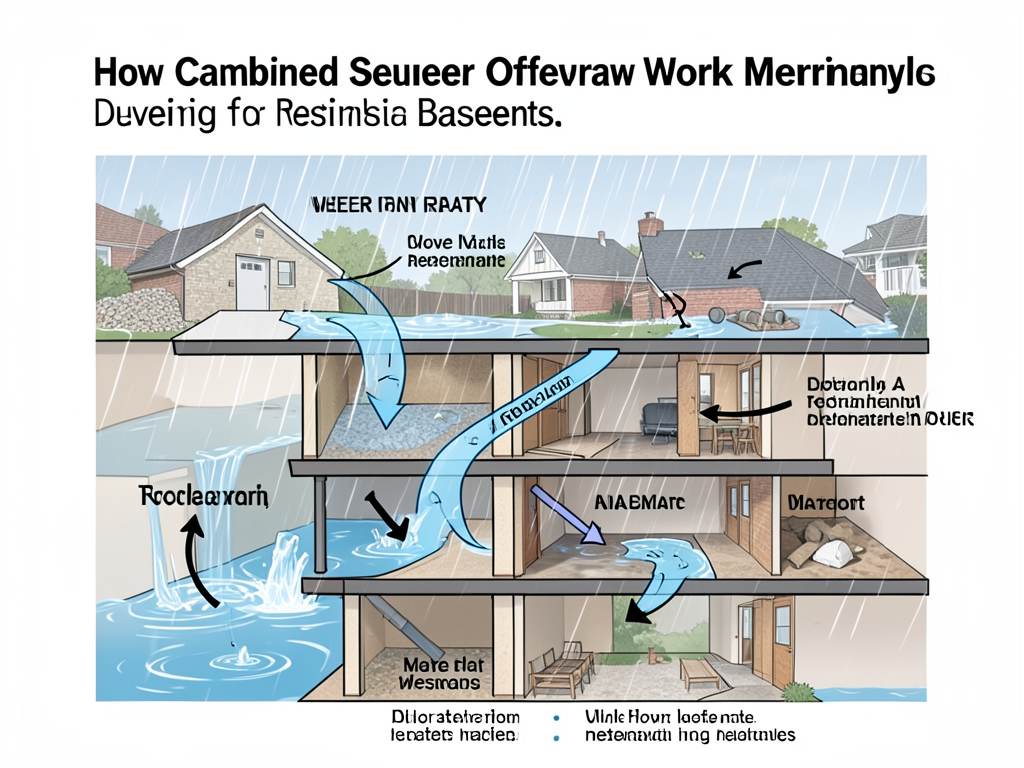
The problem starts with the combined sewer design. Stormwater and sewage travel through the same pipes, and when rainfall exceeds the system’s capacity, the water has nowhere to go but back into homes. Watterson Park’s location near several tributaries to Beargrass Creek means surface water quickly enters the underground network, multiplying the pressure on already strained infrastructure. Without proper protection, your finished basement becomes a liability every time the forecast calls for heavy rain. Professional Sewage Backup Cleaning and Sanitization in Jeffersontown.
Preventing backups requires understanding the specific failure points in your home and the broader system. From backwater valves to sump pump maintenance, the right combination of defenses can stop sewage before it enters your living space. This guide breaks down exactly why Watterson Park homes flood during storms and what you can do today to keep your basement dry tomorrow. What to do when your St. Matthews basement floods after a heavy rain.
How Watterson Park’s sewer system fails during storms
Watterson Park sits in a geographic sweet spot for sewer problems. The neighborhood’s elevation changes create natural collection points where water accumulates, and the Louisville MSD’s combined sewer overflow (CSO) infrastructure struggles to keep pace. When Beargrass Creek swells during heavy rain, the underground pipes that normally carry waste to treatment plants instead reverse flow, pushing contaminated water back through residential lines.. Read more about How to spot the signs of a failing water service line in your Valley Station yard.
The science behind this reversal involves simple physics. As stormwater fills the main sewer line, pressure builds against your home’s lateral connection. If your house sits lower than the main line or near a low point in the system, gravity works against you. Water seeks the path of least resistance, and your basement floor drain or basement toilet becomes that path when the pressure differential favors backflow. The most reliable storm damage repair team for Fern Creek and Highview residents.
Tree roots compound the problem in Watterson Park’s older sections. Mature maples and oaks send roots deep into sewer lines seeking moisture, creating blockages that trap debris and reduce flow capacity. During normal weather, these partial blockages might cause slow drains. During heavy rain, they become catastrophic failure points where water backs up instantly instead of draining slowly.
Soil composition in Watterson Park adds another layer of risk. The area’s clay-heavy soil absorbs water slowly, meaning rainfall runs off quickly into storm drains and sewers rather than soaking into the ground. This rapid runoff surge coincides with the exact conditions that overwhelm combined sewer systems. Homes built before modern drainage requirements lack the protective measures that could mitigate these failures.. Read more about What to do when a neighbor’s runoff floods your backyard and basement in Fairdale.
Local infrastructure age matters too. Many Watterson Park homes were built in the 1960s and 1970s when building codes were less stringent about backwater prevention. The lateral lines connecting homes to the main sewer often consist of clay pipe or early PVC that deteriorates over decades. These aging connections become weak points where sewage first enters basements during system overloads.
Understanding these failure mechanisms points directly to prevention strategies. You cannot change the weather or instantly upgrade the entire sewer system, but you can install specific protections that stop backups at your property line. The next sections break down exactly which defenses work best for Watterson Park homes and how to implement them before the next heavy rain arrives.. Read more about How to choose a backup power source for your Norton Commons sump pump.
Top 5 causes of sewer backups in Watterson Park homes
Sewer backups in Watterson Park follow predictable patterns based on local conditions. Identifying the specific cause affecting your home determines which prevention method will work best. Here are the five most common culprits that turn heavy rain into basement flooding disasters. Fast response flood cleanup services near Hikes Point and the Highlands.
1. Combined sewer overflow during flash floods
Watterson Park’s proximity to Beargrass Creek means flash flood conditions overwhelm the combined sewer system within minutes. When rainfall exceeds two inches per hour, the system’s capacity of approximately 50 million gallons per day becomes insufficient. Water backs up through the path of least resistance, which is often your basement floor drain or lowest toilet.
2. Tree root intrusion in aging clay pipes
Mature trees throughout Watterson Park send roots into sewer laterals seeking moisture. These roots create partial blockages that trap grease, wipes, and other debris. During normal flow, the blockage causes slow drainage. During heavy rain, the restricted pipe cannot handle the volume, forcing water back into your home through any available opening.
3. Sump pump failure during power outages
Most Watterson Park homes rely on sump pumps to keep basements dry. However, thunderstorms that cause heavy rain often bring power outages that disable electric pumps. Without battery backup systems, water accumulates in the sump pit and eventually overflows onto the basement floor. Combined with sewer backup, this creates a two-front flooding assault.
4. Improper waste disposal creating blockages
Many homeowners unknowingly contribute to their own problems by flushing items that should never enter the sewer system. “Flushable” wipes, feminine products, paper towels, and even thick toilet paper create accumulations in pipes. These materials combine with grease and soap scum to form blockages that heavy rain then forces back into your home.
5. Foundation cracks and deteriorated lateral lines
Cracks in basement floors and walls provide entry points for groundwater and sewage. Older Watterson Park homes often have deteriorated lateral lines where the connection to the main sewer has separated or collapsed. These failures allow water to enter from multiple directions during heavy rain, overwhelming any single-point protection like a floor drain cap.
Each of these causes requires a specific prevention strategy. A tree root problem needs different treatment than a sump pump failure. The next section explains how backwater prevention valves work as the most comprehensive defense against all five causes.
How backwater prevention valves protect your home
Backwater prevention valves, also called backflow preventers or check valves, stop sewage from entering your home by creating a one-way barrier in your sewer line. When water pressure from the main sewer exceeds the pressure in your home’s plumbing, the valve closes automatically, blocking the reverse flow that causes basement flooding.
The valve mechanism works through a simple but effective design. A hinged door or floating ball inside the valve allows normal wastewater to flow out when pressure is correct. When pressure reverses during a sewer backup, the door swings shut or the ball rises to seal the opening. This physical barrier prevents contaminated water from backing up through your floor drains, toilets, or sink drains.
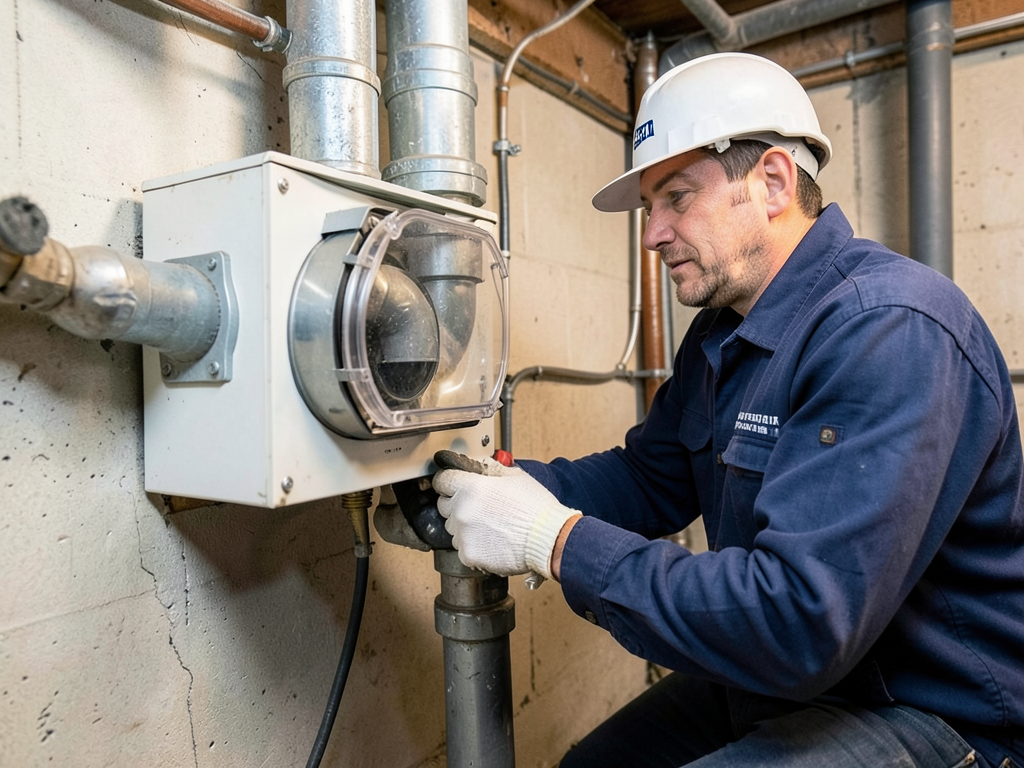
Installation requires cutting into your main sewer line, typically in the basement where the lateral connects to the main. A licensed plumber must perform this work because it involves working with contaminated water and ensuring proper drainage slope. The valve installs vertically with the outlet pointing down to allow normal flow and automatic closure during backups.
Maintenance involves periodic testing to ensure the valve moves freely and seals properly. Most valves have a clear section or test port where you can verify operation. Annual cleaning removes debris that might prevent proper closure. Some models include alarms that alert you when the valve closes, indicating a potential sewer backup situation.
Backwater valves provide the most comprehensive protection because they address all five common causes of sewer backups. Whether the problem stems from combined sewer overflow, tree roots, or foundation cracks, the valve stops contaminated water at the property line. This single device protects every drain in your basement simultaneously.
Cost considerations vary based on your home’s plumbing configuration and local permit requirements. Installation typically ranges from $1,500 to $4,000 depending on accessibility and whether you need to upgrade your main sewer line. Many Watterson Park homeowners find this investment worthwhile compared to the average $5,000 to $10,000 cost of cleaning up a single sewage backup incident.
Local building codes in Louisville require permits for backwater valve installation. The Louisville Metro Department of Codes and Regulations mandates that installations comply with the Kentucky Plumbing Code, specifically Section 312 regarding backflow prevention. Professional installation ensures your valve meets these requirements and functions correctly when needed.
Beyond the valve itself, consider a complete protection system. Combine the backwater valve with a battery backup sump pump and proper floor drain management for layered defense against all flooding scenarios. This comprehensive approach addresses both sewage backup and groundwater intrusion that often accompany heavy rain events.
Maintenance checklist for sewer backup prevention
Preventing sewer backups requires ongoing maintenance, not just one-time installations. A seasonal checklist helps you stay ahead of problems before heavy rain turns them into emergencies. This routine inspection and maintenance schedule protects your investment and keeps your basement dry year-round.
Spring preparation (before heavy rain season)
Test your sump pump by pouring water into the pit until the float activates the pump. Verify it pumps water out efficiently and the discharge pipe directs water away from your foundation. Clean the sump pit of debris that could clog the pump. Check the battery backup system if you have one, replacing batteries that are more than three years old.
Inspect floor drains for slow drainage, which indicates partial blockages. Pour a bucket of water down each drain and watch how quickly it disappears. Slow drains need professional cleaning before heavy rain arrives. Check for standing water around floor drains, which suggests the trap has dried out and needs refilling with water to maintain the seal.
Examine your home’s plumbing vents on the roof for blockages from leaves, nests, or debris. Blocked vents create pressure imbalances that can force sewer gas and water back through drains. Use a plumber’s snake to clear any visible obstructions from vent pipes.
Summer storm readiness</n
During wet months, monitor your basement after heavy rain for any signs of moisture or sewage odors. Early detection allows you to address problems before they escalate. Keep floor drains clear of storage items and debris that could impede water flow during an emergency.. Read more about Keeping your pets safe from mold and bacteria after a Louisville basement leak.
Check your backwater valve’s clear section or test port monthly during storm season. You should see it in the open position during normal conditions. If it appears closed or partially closed, contact a plumber to investigate potential problems in the main sewer line.
Fall leaf management
Clear leaves and debris from storm drains near your property. Blocked surface drains force more water into the sewer system, increasing backup pressure. Keep gutters clean and ensure downspouts direct water at least five feet from your foundation to reduce the volume entering the underground drainage system.
Inspect tree roots near your sewer lateral. If you notice new cracks in your driveway or sidewalk above the sewer line, roots may be invading the pipes. Consider professional root cutting or pipe lining before winter freeze-thaw cycles worsen the damage.
Winter freeze protection</n
Before freezing temperatures arrive, insulate exposed pipes and ensure your sump pump discharge pipe has proper slope to prevent ice dam formation. Ice blockages can force water back into your basement through the sump pit or floor drains.
Test your battery backup system under load by unplugging your main sump pump and verifying the backup activates properly. Winter power outages often coincide with heavy rain or melting snow, making backup power essential.
Annual professional inspection
Schedule a camera inspection of your main sewer line every two to three years. This diagnostic test reveals tree root intrusion, pipe deterioration, and blockages before they cause backups. Professional cleaning removes accumulated grease and debris that home maintenance cannot address.
Have a plumber test your backwater valve’s operation and inspect all visible plumbing connections for leaks or deterioration. They can also verify your home’s compliance with current Louisville plumbing codes and recommend upgrades if your system falls below current standards.
This maintenance schedule prevents most sewer backup problems, but no system is foolproof. The next section explains when to call professionals for emergency response and what to expect from professional water damage restoration services.
When to call a restoration professional
Sewer backups create immediate health hazards that require professional intervention. Category 3 water, also called black water, contains harmful bacteria, viruses, and other pathogens that pose serious health risks. If sewage enters your basement, you need professional restoration services within 24 to 48 hours to prevent mold growth and structural damage.
Signs that indicate you need immediate professional help include visible sewage in your basement, strong sewage odors throughout your home, or standing water that won’t drain. Even if the water appears to be receding, contamination may have spread to walls, flooring, and personal belongings. Professional testing can identify hidden contamination that DIY cleaning misses.
Professional restoration follows a systematic process that ensures complete decontamination. The process begins with water extraction using commercial-grade pumps and vacuums capable of removing thousands of gallons per hour. This rapid removal prevents water from spreading to unaffected areas and reduces overall damage. Finding the best mold removal experts in the Highlands and how they protect historic homes.
Following extraction, technicians apply antimicrobial treatments to all affected surfaces. These industrial-strength cleaners kill bacteria and prevent mold growth in the damp environment. The cleaning process includes pressure washing of concrete surfaces and specialized cleaning of porous materials like drywall and carpeting that may have absorbed contaminated water.
Drying equipment plays a crucial role in restoration. Professional-grade air movers and dehumidifiers remove moisture from the air and materials at a rate far exceeding consumer equipment. This rapid drying prevents secondary damage like warping, swelling, and mold colonization that begins within 24 to 48 hours of water exposure.
Structural assessment determines which materials must be removed and replaced. Drywall, insulation, and carpeting that contacted sewage water typically require removal because they cannot be adequately decontaminated. Concrete and wood framing can often be cleaned and treated if addressed quickly enough.
Documentation for insurance purposes represents another critical service. Professional restoration companies provide detailed reports, photographs, and moisture readings that support insurance claims. They can also assist with the claims process, helping you navigate coverage questions and paperwork requirements.
Time sensitivity cannot be overstated in sewage backup situations. Every hour allows contamination to spread deeper into materials and increases the risk of permanent damage. Professional response teams typically arrive within two hours of your call and begin work immediately to minimize both health risks and property damage.
Beyond immediate cleanup, restoration professionals can identify the cause of your backup and recommend prevention strategies. They work with plumbers to address underlying problems like tree root intrusion or pipe deterioration that caused the initial failure. This comprehensive approach prevents repeat incidents and protects your home long-term.
Cost considerations vary based on the extent of damage, but most homeowners’ insurance policies cover sewage backup when caused by external factors like heavy rain overwhelming the municipal system. Professional restoration companies often bill insurance directly, reducing your out-of-pocket expenses and administrative burden during an already stressful situation.
Prevention remains the best strategy, but when backups occur despite your best efforts, professional restoration provides the expertise and equipment needed to return your home to a safe, healthy condition quickly and completely.
Louisville MSD’s Project Win and financial assistance programs
The Louisville Metropolitan Sewer District recognizes that combined sewer overflows affect thousands of homeowners throughout the city. In response, MSD launched Project Win, a comprehensive initiative to reduce overflows and provide financial assistance for home protection measures. Understanding these programs can significantly reduce your cost of preventing sewer backups.
Project Win focuses on infrastructure improvements that increase system capacity and reduce overflows. The initiative includes separating combined sewers in the most problematic areas, installing additional storage tanks to hold excess water during storms, and upgrading treatment plant capacity. These large-scale improvements gradually reduce the frequency and severity of sewer backups throughout Louisville.
For individual homeowners, MSD offers the Backflow Prevention Program, which provides financial assistance for installing backwater valves. The program covers up to 50% of the installation cost, with maximum rebates ranging from $2,000 to $3,000 depending on your location and income level. Homes in high-risk areas like Watterson Park may qualify for enhanced rebates due to the neighborhood’s documented vulnerability to combined sewer overflows.
Eligibility requirements include owning and occupying the home, having a documented history of sewer backups or being located in a high-risk area, and using a licensed plumber for installation. You must obtain a permit from the Louisville Metro Department of Codes and Regulations before beginning work. After installation, MSD inspects the valve to verify proper installation before issuing the rebate.
Application process involves submitting proof of ownership, documentation of previous backups if applicable, and a detailed scope of work from your plumber. MSD provides a list of pre-approved contractors familiar with the program requirements. Working with these contractors streamlines the approval process and ensures your installation meets all program specifications.
Beyond backwater valves, MSD offers assistance for other flood mitigation measures. The Flood Protection Program provides grants for elevating HVAC equipment, installing sump pumps with battery backup, and waterproofing basement walls. These complementary measures work alongside backwater valves to create comprehensive flood protection for your home.
Time sensitivity matters for these programs. Funding is limited and distributed on a first-come, first-served basis. Applications submitted before the start of heavy rain season in spring have the best chance of approval and timely installation before summer storms arrive.
Local building codes in Louisville support these prevention efforts. The Kentucky Plumbing Code, adopted by Louisville Metro, requires backflow prevention devices in specific circumstances, particularly for homes with finished basements or those located in areas prone to sewer backups. Professional installation ensures your system meets these requirements while qualifying for available rebates.
MSD also provides educational resources about preventing sewer backups. Their website offers detailed guides about proper waste disposal, recognizing early warning signs of potential problems, and steps to take during heavy rain events. This information helps homeowners take proactive measures that complement infrastructure improvements and financial assistance programs.
Understanding these resources transforms sewer backup prevention from an overwhelming expense into a manageable project with significant financial support. Combined with professional installation and proper maintenance, these programs provide a clear path to protecting your Watterson Park home from the flooding risks that heavy rain brings.
Frequently Asked Questions
How much does it cost to install a backwater valve in Watterson Park?
Installation costs typically range from $1,500 to $4,000 depending on your home’s plumbing configuration and accessibility. Factors affecting price include the need to upgrade old clay pipes, accessibility of the main sewer line, and whether you need a permit upgrade. Many Watterson Park homes qualify for MSD’s Backflow Prevention Program, which can cover up to 50% of the cost through rebates of $2,000 to $3,000.
Does homeowners insurance cover sewer backup damage in Louisville?
Standard homeowners insurance policies exclude sewer backup damage. You need a separate sewer backup rider, which typically costs $50 to $100 per year and provides $5,000 to $10,000 in coverage. Some policies offer higher limits for an additional premium. Documented backups caused by external factors like heavy rain overwhelming the municipal system are usually covered under these riders, while backups caused by tree roots or pipe deterioration may be excluded.
How long does it take to install a backwater valve?
Professional installation typically requires 4 to 8 hours of labor, though the entire process from start to finish takes 1 to 2 days. This includes obtaining permits, cutting into the main sewer line, installing the valve, pressure testing the system, and cleaning up. If you need to upgrade old pipes or encounter unexpected complications, the process may extend to 2 to 3 days.
What should I do immediately if I notice sewage backing up into my basement?
First, avoid contact with the contaminated water and evacuate the area, especially if you have children or elderly family members. Turn off electricity to the affected area if water reaches electrical outlets or appliances. Contact a professional restoration company immediately, as they typically arrive within two hours. Document the damage with photos for insurance purposes. Do not attempt DIY cleanup, as sewage contains harmful pathogens that require professional-grade cleaning and disinfection.
Can I install a backwater valve myself to save money?
DIY installation is not recommended and may violate local building codes. Backwater valve installation requires cutting into your main sewer line, which involves working with contaminated water and ensuring proper drainage slope. Louisville Metro requires permits and inspections for this work. Improper installation can create new problems like blocked drainage or code violations that complicate insurance claims. Professional installation ensures your valve works correctly when needed and meets all local requirements.
How often should I test my backwater valve?
Test your valve monthly during heavy rain season by checking the clear section or test port to verify it moves freely and seals properly. Annual professional inspection is recommended to clean the valve and verify operation. If you notice sewage odors or slow drainage, test the valve immediately. Valves in homes with high tree root activity may need more frequent inspection and cleaning.
What’s the difference between a backwater valve and a sump pump?
A backwater valve prevents sewage from entering your home through drains by creating a one-way barrier in your sewer line. A sump pump removes groundwater that accumulates in a collection pit beneath your basement floor. Backwater valves protect against sewage backup from the main sewer line, while sump pumps address groundwater intrusion. Both are important for comprehensive flood protection, especially in areas like Watterson Park where heavy rain causes both problems.
Will a backwater valve affect my plumbing during normal use?
When properly installed, a backwater valve does not affect normal plumbing operation. It allows wastewater to flow out of your home freely under normal pressure conditions. The valve only closes when pressure from the main sewer exceeds the pressure in your home’s plumbing, which occurs during backup situations. Some homeowners notice slightly reduced flow when multiple fixtures drain simultaneously, but this is normal and does not affect daily use.
Are there any alternatives to backwater valves for preventing sewer backups?
While backwater valves provide the most comprehensive protection, alternatives include floor drain plugs, standpipes, and overhead sewers. Floor drain plugs are inexpensive but only protect one drain and can fail under high pressure. Standpipes contain overflow but don’t prevent it. Overhead sewers eliminate basement drainage connections but require major plumbing reconfiguration. Backwater valves remain the most effective single solution for most Watterson Park homes.
How can I tell if my home is at high risk for sewer backups?
High-risk indicators include finished basements with floor drains, homes built before 1980 with original clay pipes, properties near low points in the sewer system or tributaries to Beargrass Creek, and homes with mature trees near sewer lines. Previous backups, even minor ones, strongly indicate high risk. MSD’s online mapping tools can show your property’s proximity to combined sewer overflow points and help assess your risk level.
Take action before the next storm hits
Heavy rain will return to Watterson Park, and the aging combined sewer system will continue to struggle with the volume. Every year of delay increases your risk of experiencing a sewage backup that could cost thousands in damage and create serious health hazards. The good news is that proven prevention methods exist, and financial assistance programs can make them affordable.
Start with a professional assessment of your home’s specific vulnerabilities. A licensed plumber can inspect your lateral line, test your current drainage system, and recommend the most effective combination of protections. This assessment typically costs $100 to $200 but provides the information needed to make informed decisions about backwater valves, sump pumps, and other preventive measures.
If you’re experiencing slow drains, sewage odors, or previous backups, don’t wait for the next heavy rain to confirm your fears. These symptoms indicate existing problems that will worsen during storm events. Professional cleaning and inspection can address immediate issues while you plan for long-term prevention strategies.
Remember that sewage backup prevention is not just about protecting property value. Category 3 water contains harmful bacteria and viruses that pose serious health risks to your family. Children, elderly family members, and anyone with compromised immune systems are particularly vulnerable to the contaminants found in sewage water.
The combination of MSD’s financial assistance programs, modern prevention technology, and professional installation makes this the ideal time to address your home’s vulnerabilities. Waiting until after a backup occurs means dealing with emergency pricing, limited contractor availability, and the stress of active flooding in your home.
Don’t let heavy rain turn your basement into a health hazard. Call (502) 370-2711 today to schedule your professional assessment and take the first step toward protecting your Watterson Park home from sewer backups. Our experienced team understands the specific challenges facing your neighborhood and can recommend the most effective solutions for your situation. The next storm is coming – make sure your home is ready.
Pick up the phone and call (502) 370-2711 before the next storm hits. Every day you wait increases your risk of experiencing a sewage backup that could have been prevented. Our 24/7 emergency response team is ready to help you protect your home and family from the flooding risks that heavy rain brings to Watterson Park. For more information, visit IICRC water damage restoration standards.
{
“@context”: “https://schema.org”,
“@type”: “BlogPosting”,
“headline”: “Why heavy rain causes sewer backups in Watterson Park (and how to prevent them)”,
“description”: “Heavy rain floods Watterson Park sewers due to aging infrastructure and combined systems. Learn why backups happen and how to protect your home before the next storm.”,
“wordCount”: 4281,
“datePublished”: “2026-05-01T13:26:00.000Z”,
“dateModified”: “2026-05-01T13:26:00.000Z”,
“inLanguage”: “en-US”,
“mainEntityOfPage”: {
“@type”: “WebPage”,
“@id”: “https://elitewaterdamagerestorationlouisville.com”
},
“publisher”: {
“@type”: “LocalBusiness”,
“name”: “Elite Water Damage Restoration Louisville”,
“url”: “https://elitewaterdamagerestorationlouisville.com”
},
“author”: {
“@type”: “Organization”,
“name”: “Elite Water Damage Restoration Louisville”,
“url”: “https://elitewaterdamagerestorationlouisville.com”
},
“image”: {
“@type”: “ImageObject”,
“url”: “https://elitewaterdamagerestorationlouisville.com/wp-content/uploads/2026/03/why-heavy-rain-causes-sewer-backups-in-watterson-p-1.png”
}
}
{
“@context”: “https://schema.org”,
“@type”: “LocalBusiness”,
“name”: “Elite Water Damage Restoration Louisville”,
“url”: “https://elitewaterdamagerestorationlouisville.com”,
“address”: {
“@type”: “PostalAddress”,
“addressLocality”: “Louisville”
},
“areaServed”: {
“@type”: “City”,
“name”: “Louisville”
}
}
{
“@context”: “https://schema.org”,
“@type”: “FAQPage”,
“mainEntity”: [
{
“@type”: “Question”,
“name”: “How much does it cost to install a backwater valve in Watterson Park?”,
“acceptedAnswer”: {
“@type”: “Answer”,
“text”: “Installation costs typically range from $1,500 to $4,000 depending on your home’s plumbing configuration and accessibility. Factors affecting price include the need to upgrade old clay pipes, accessibility of the main sewer line, and whether you need a permit upgrade. Many Watterson Park homes qualify for MSD’s Backflow Prevention Program, which can cover up to 50% of the cost through rebates of $2,000 to $3,000.”
}
},
{
“@type”: “Question”,
“name”: “Does homeowners insurance cover sewer backup damage in Louisville?”,
“acceptedAnswer”: {
“@type”: “Answer”,
“text”: “Standard homeowners insurance policies exclude sewer backup damage. You need a separate sewer backup rider, which typically costs $50 to $100 per year and provides $5,000 to $10,000 in coverage. Some policies offer higher limits for an additional premium. Documented backups caused by external factors like heavy rain overwhelming the municipal system are usually covered under these riders, while backups caused by tree roots or pipe deterioration may be excluded.”
}
},
{
“@type”: “Question”,
“name”: “How long does it take to install a backwater valve?”,
“acceptedAnswer”: {
“@type”: “Answer”,
“text”: “Professional installation typically requires 4 to 8 hours of labor, though the entire process from start to finish takes 1 to 2 days. This includes obtaining permits, cutting into the main sewer line, installing the valve, pressure testing the system, and cleaning up. If you need to upgrade old pipes or encounter unexpected complications, the process may extend to 2 to 3 days.”
}
},
{
“@type”: “Question”,
“name”: “What should I do immediately if I notice sewage backing up into my basement?”,
“acceptedAnswer”: {
“@type”: “Answer”,
“text”: “First, avoid contact with the contaminated water and evacuate the area, especially if you have children or elderly family members. Turn off electricity to the affected area if water reaches electrical outlets or appliances. Contact a professional restoration company immediately, as they typically arrive within two hours. Document the damage with photos for insurance purposes. Do not attempt DIY cleanup, as sewage contains harmful pathogens that require professional-grade cleaning and disinfection.”
}
},
{
“@type”: “Question”,
“name”: “Can I install a backwater valve myself to save money?”,
“acceptedAnswer”: {
“@type”: “Answer”,
“text”: “DIY installation is not recommended and may violate local building codes. Backwater valve installation requires cutting into your main sewer line, which involves working with contaminated water and ensuring proper drainage slope. Louisville Metro requires permits and inspections for this work. Improper installation can create new problems like blocked drainage or code violations that complicate insurance claims. Professional installation ensures your valve works correctly when needed and meets all local requirements.”
}
},
{
“@type”: “Question”,
“name”: “How often should I test my backwater valve?”,
“acceptedAnswer”: {
“@type”: “Answer”,
“text”: “Test your valve monthly during heavy rain season by checking the clear section or test port to verify it moves freely and seals properly. Annual professional inspection is recommended to clean the valve and verify operation. If you notice sewage odors or slow drainage, test the valve immediately. Valves in homes with high tree root activity may need more frequent inspection and cleaning.”
}
},
{
“@type”: “Question”,
“name”: “What’s the difference between a backwater valve and a sump pump?”,
“acceptedAnswer”: {
“@type”: “Answer”,
“text”: “A backwater valve prevents sewage from entering your home through drains by creating a one-way barrier in your sewer line. A sump pump removes groundwater that accumulates in a collection pit beneath your basement floor. Backwater valves protect against sewage backup from the main sewer line, while sump pumps address groundwater intrusion. Both are important for comprehensive flood protection, especially in areas like Watterson Park where heavy rain causes both problems.”
}
},
{
“@type”: “Question”,
“name”: “Will a backwater valve affect my plumbing during normal use?”,
“acceptedAnswer”: {
“@type”: “Answer”,
“text”: “When properly installed, a backwater valve does not affect normal plumbing operation. It allows wastewater to flow out of your home freely under normal pressure conditions. The valve only closes when pressure from the main sewer exceeds the pressure in your home’s plumbing, which occurs during backup situations. Some homeowners notice slightly reduced flow when multiple fixtures drain simultaneously, but this is normal and does not affect daily use.”
}
},
{
“@type”: “Question”,
“name”: “Are there any alternatives to backwater valves for preventing sewer backups?”,
“acceptedAnswer”: {
“@type”: “Answer”,
“text”: “While backwater valves provide the most comprehensive protection, alternatives include floor drain plugs, standpipes, and overhead sewers. Floor drain plugs are inexpensive but only protect one drain and can fail under high pressure. Standpipes contain overflow but don’t prevent it. Overhead sewers eliminate basement drainage connections but require major plumbing reconfiguration. Backwater valves remain the most effective single solution for most Watterson Park homes.”
}
},
{
“@type”: “Question”,
“name”: “How can I tell if my home is at high risk for sewer backups?”,
“acceptedAnswer”: {
“@type”: “Answer”,
“text”: “High-risk indicators include finished basements with floor drains, homes built before 1980 with original clay pipes, properties near low points in the sewer system or tributaries to Beargrass Creek, and homes with mature trees near sewer lines. Previous backups, even minor ones, strongly indicate high risk. MSD’s online mapping tools can show your property’s proximity to combined sewer overflow points and help assess your risk level.”
}
}
]
}
{
“@context”: “https://schema.org”,
“@type”: “BreadcrumbList”,
“itemListElement”: [
{
“@type”: “ListItem”,
“position”: 1,
“name”: “Home”,
“item”: “https://elitewaterdamagerestorationlouisville.com”
},
{
“@type”: “ListItem”,
“position”: 2,
“name”: “Blog”,
“item”: “https://elitewaterdamagerestorationlouisville.com/blog”
},
{
“@type”: “ListItem”,
“position”: 3,
“name”: “Why heavy rain causes sewer backups in Watterson Park (and how to prevent them)”
}
]
}
{
“@context”: “https://schema.org”,
“@type”: “Service”,
“serviceType”: “Water Damage Restoration”,
“provider”: {
“@type”: “LocalBusiness”,
“name”: “Elite Water Damage Restoration Louisville”,
“url”: “https://elitewaterdamagerestorationlouisville.com”
},
“areaServed”: {
“@type”: “City”,
“name”: “Louisville”
},
“description”: “Heavy rain floods Watterson Park sewers due to aging infrastructure and combined systems. Learn why backups happen and how to protect your home before the next storm.”
}