The hidden risks of using bleach to clean mold in a damp Okolona basement
Many Okolona homeowners reach for bleach when they spot mold in their basements, believing it will solve the problem quickly. But this common approach often makes the situation worse. Bleach cannot penetrate porous materials like drywall or wood, leaving the mold’s root system intact. Worse, the 90% water content in bleach actually feeds the remaining mold once the chlorine evaporates, causing rapid regrowth in Louisville’s humid climate. What to do when your St. Matthews basement floods after a heavy rain.
Before you grab that bottle of bleach, understand why this DIY method fails and what professional remediation actually involves. The science is clear: what works on kitchen counters does not work in Okolona basements. Professional Sewage Backup Cleaning and Sanitization in Jeffersontown.
How bleach actually works on mold
Understanding the chemistry reveals why bleach fails in Okolona basements. Sodium hypochlorite, the active ingredient in bleach, works by breaking down proteins and cell walls through oxidation. This process works well on non-porous surfaces like glass, metal, or sealed tile where the chemical can make direct contact with the organism.
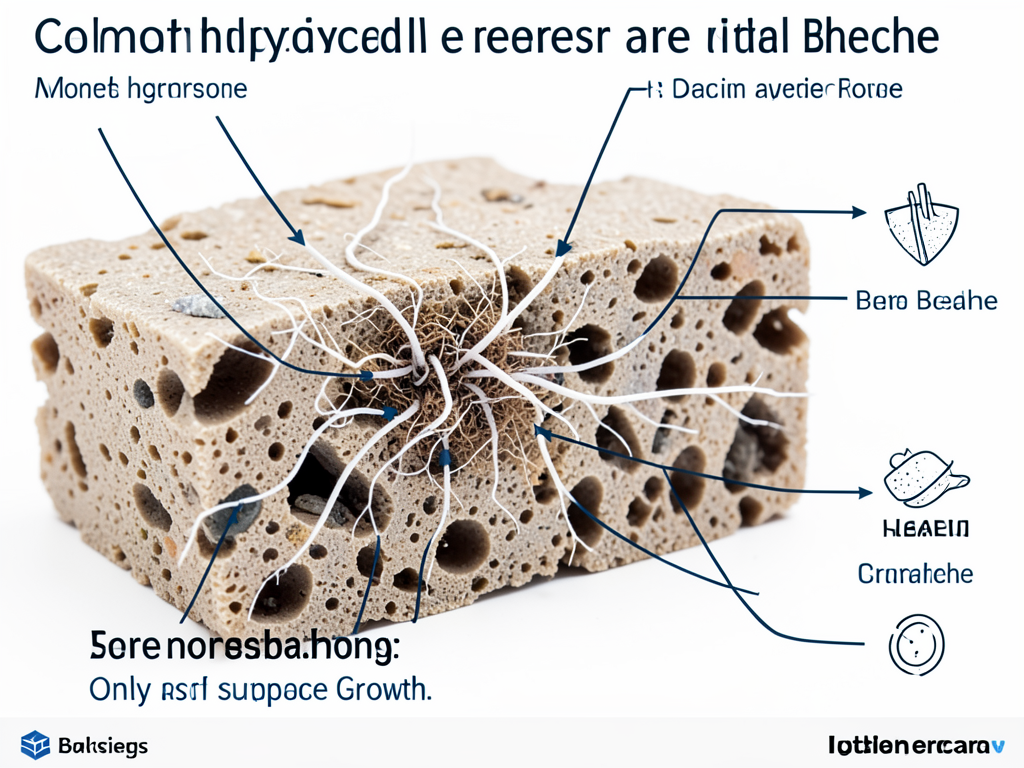
However, Okolona basements typically contain porous materials. When bleach contacts drywall, wood framing, or concrete block, it cannot penetrate deeply enough to reach the mold’s hyphae – the root-like structures that grow into these materials. The bleach only affects surface mold, leaving the extensive network beneath untouched.. Read more about Why fans and open windows aren’t enough to dry out a Shively basement.
The water paradox compounds the problem. Standard household bleach contains approximately 90% water. When applied to mold, this water soaks into porous materials while the sodium hypochlorite remains on the surface. As the bleach evaporates, it leaves behind moisture that the surviving mold uses to grow back stronger and more extensive than before. 24/7 Emergency Water Removal.
Professional mold remediation technicians use EPA-registered antimicrobials specifically formulated to penetrate porous surfaces and kill mold at its roots. These products contain surfactants that help them spread through materials, reaching the hyphae where bleach cannot go. EPA mold information.
Health risks of DIY bleach mold removal
Attempting to clean mold with bleach creates several health hazards that many Okolona homeowners underestimate. When disturbed, mold releases microscopic spores into the air. These spores can cause allergic reactions, asthma attacks, and respiratory infections, particularly in children, elderly individuals, and those with compromised immune systems.
The process of scrubbing mold with bleach aerosolizes both mold spores and chlorine gas. This combination creates a toxic mixture that can cause immediate symptoms including coughing, throat irritation, eye burning, and difficulty breathing. In poorly ventilated Okolona basements, these effects intensify due to limited air circulation.
Another hidden danger involves chemical mixing. Many homeowners use multiple cleaning products during mold removal, unknowingly creating deadly combinations. Bleach mixed with ammonia produces chloramine gas, while bleach combined with acidic cleaners creates chlorine gas. These reactions can cause severe lung damage or death within minutes. Finding the best mold removal experts in the Highlands and how they protect historic homes.
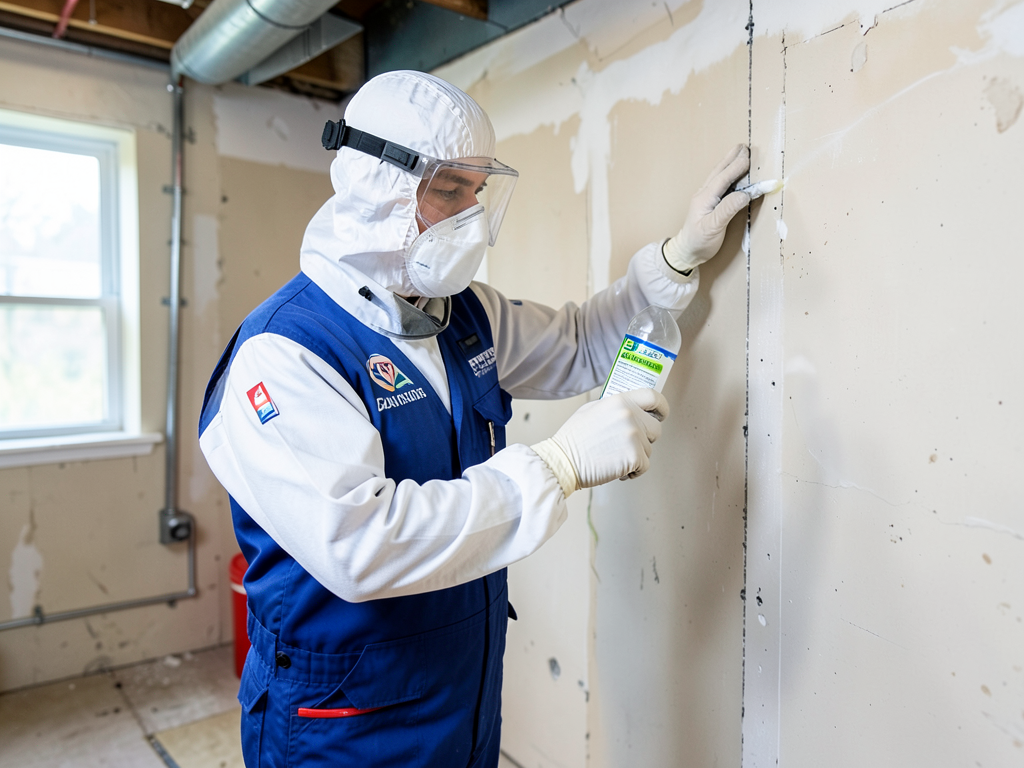
Professional remediation follows strict containment protocols. Technicians use negative air pressure systems, HEPA filtration, and full personal protective equipment to prevent spore spread. They also test air quality before, during, and after treatment to ensure the space is safe for reoccupation.. Read more about Keeping your pets safe from mold and bacteria after a Louisville basement leak.
Okolona’s climate accelerates mold problems
Okolona’s location in the Ohio River Valley creates perfect conditions for mold growth. The area experiences high humidity levels, especially during summer months when relative humidity often exceeds 70%. This moisture-laden air seeps into basements through foundation walls, creating damp conditions where mold thrives.
The region’s clay soil presents another challenge. When saturated, this soil expands and creates hydrostatic pressure against basement walls. This pressure forces water through even tiny cracks, maintaining the damp environment that mold requires. Okolona homes built on these clay soils face ongoing moisture intrusion issues.
Seasonal temperature fluctuations in Okolona also contribute to mold problems. Warm, humid summers followed by cooler fall temperatures create condensation on basement walls and pipes. This condensation provides the moisture mold needs to establish itself and spread throughout the basement.
Professional remediation addresses these local conditions. Technicians assess specific moisture sources, whether from groundwater intrusion, plumbing leaks, or condensation. They then implement solutions tailored to Okolona’s climate, including proper drainage systems, vapor barriers, and dehumidification strategies.
Professional alternatives to bleach
Professional mold remediation follows the IICRC S520 standard, which outlines specific procedures for safe and effective mold removal. This standard requires assessment of the affected area, containment of the work zone, removal of contaminated materials, and clearance testing to verify the remediation was successful. IICRC S520 standard.
Professional technicians use specialized equipment unavailable to homeowners. HEPA vacuums capture 99.97% of particles 0.3 microns or larger, including mold spores. Negative air machines create pressure differentials that prevent spore migration to clean areas. Moisture meters detect hidden dampness in walls and floors that bleach cannot address.
The remediation process includes antimicrobial treatments that work differently than bleach. These products contain quaternary ammonium compounds or other agents that kill mold through cell membrane disruption. Unlike bleach, these treatments continue working after application, providing residual protection against regrowth.
Professional services also address the underlying moisture problem. Without fixing the source of dampness, any mold removal becomes temporary. Technicians identify and repair plumbing leaks, improve drainage around foundations, and install appropriate ventilation systems to prevent future mold growth.
When to call a Louisville restoration specialist
The EPA recommends professional remediation for mold areas larger than 10 square feet. However, several other situations warrant immediate professional attention regardless of size. These include mold resulting from sewage contamination, mold in HVAC systems, or mold affecting individuals with respiratory conditions.
Okolona residents should also consider professional help when mold returns repeatedly after cleaning attempts. This recurrence indicates an underlying moisture problem that requires expert diagnosis. Similarly, if mold appears in multiple rooms or spreads rapidly, professional intervention becomes necessary to prevent structural damage.
Insurance coverage often applies to professional mold remediation when caused by covered events like plumbing failures or storm damage. Many Okolona homeowners discover that professional services cost less than expected once insurance benefits are applied. The most reliable storm damage repair team for Fern Creek and Highview residents.
Professional assessment provides peace of mind through documentation and testing. Technicians can verify whether mold poses health risks, identify all affected areas, and provide written protocols for proper remediation. This documentation proves valuable for real estate transactions or insurance claims.
Comparing DIY vs professional approaches
| Aspect | DIY Bleach Method | Professional Remediation |
|---|---|---|
| Initial Cost | $5-20 for bleach and supplies | $500-5,000 depending on area |
| Effectiveness | Surface only, mold returns | Root system eliminated |
| Health Protection | Minimal, spores spread | Containment prevents exposure |
| Time to Complete | 1-2 hours | 1-5 days depending on scope |
| Warranty/Guarantee | None | Often includes clearance testing |
| Long-term Results | Usually fails within weeks | Prevents future growth |
The cost difference between DIY and professional approaches often proves misleading. While bleach costs pennies per application, repeated failed attempts and potential property damage from mold spread can cost thousands in repairs. Professional remediation, though initially more expensive, typically provides better long-term value.
Preventing mold in Okolona basements
Prevention proves more effective than removal for Okolona homeowners. The first step involves controlling moisture through proper grading around the foundation. Soil should slope away from the house at a rate of 6 inches per 10 feet to direct water away from basement walls.. Read more about Why your house still smells musty after the water is gone and how to fix it.
Maintaining gutters and downspouts prevents water from pooling near the foundation. Downspouts should extend at least 5 feet from the house and direct water to appropriate drainage areas. Regular cleaning prevents clogs that cause overflow and foundation saturation.
Interior moisture control includes using dehumidifiers during humid months. A properly sized unit can maintain relative humidity below 60%, creating conditions where mold cannot thrive. Many Okolona basements benefit from continuous dehumidification, especially during summer.
Regular inspection helps catch problems early. Check basement walls for efflorescence (white mineral deposits), which indicates moisture intrusion. Look for condensation on pipes and windows. Address plumbing leaks immediately, as even small drips create conditions for mold growth.. Read more about Why a small leak in your St. Matthews home could be triggering your family’s seasonal allergies.
Understanding mold types in Louisville
Different mold species require different treatment approaches. In Louisville’s climate, common indoor molds include Aspergillus, Penicillium, and Cladosporium. These typically appear as black, green, or white patches on surfaces. Stachybotrys chartarum, often called black mold, grows on materials with high cellulose content like drywall when moisture persists.
Each mold type produces different mycotoxins – toxic compounds that can cause health effects. Some people experience severe reactions to specific species while tolerating others. Professional testing identifies the exact species present, allowing for targeted treatment approaches.
Visual identification proves unreliable for determining mold type. Many harmless molds appear black, while toxic species can appear in various colors. Laboratory analysis provides definitive identification and guides appropriate remediation strategies.
Professional remediation protocols vary based on mold type and affected materials. Some species require more aggressive removal methods, while others respond to less invasive treatments. Understanding these differences helps homeowners make informed decisions about remediation approaches.
The cost of ignoring mold problems
Delaying professional mold remediation often results in escalating costs. Mold spreads through porous materials, potentially requiring complete removal of drywall, insulation, and even structural components. What starts as a small patch can expand to affect entire wall cavities within months.
Property value suffers when mold problems exist. Home inspectors routinely flag visible mold during real estate transactions, potentially derailing sales or reducing offers. Professional remediation with proper documentation protects property value and facilitates smoother transactions.
Health costs represent another consideration. Prolonged mold exposure can lead to chronic respiratory conditions requiring medical treatment. These costs often exceed remediation expenses, especially when considering lost work time and reduced quality of life.
Insurance complications arise when mold results from neglected maintenance. Many policies exclude coverage for mold damage resulting from ongoing moisture problems that homeowners failed to address. Professional remediation often satisfies insurance requirements and maintains coverage eligibility.
Okolona building considerations
Okolona homes built before 1980 often contain materials more susceptible to mold damage. These older homes typically feature plaster walls, wooden framing, and minimal vapor barriers. Modern building codes require moisture-resistant materials and proper ventilation, but many Okolona homes predate these requirements.
Basement construction in Okolona varies significantly. Some homes feature full basements with poured concrete walls, while others have partial basements or crawl spaces. Each construction type presents different moisture management challenges and requires specific remediation approaches.. Read more about Protecting your Newburg crawl space from wood-destroying organisms after a leak.
Local building codes influence remediation methods. Louisville Metro requires proper permits for extensive mold remediation, particularly when structural modifications become necessary. Professional remediation companies navigate these requirements and ensure work complies with local regulations.
Historic preservation considerations affect older Okolona homes. Some properties in historic districts require special handling to preserve architectural features while addressing mold problems. Professional remediation teams understand these constraints and develop appropriate solutions.
Making the right choice for your home
Homeowners face a critical decision when encountering basement mold. The bleach approach offers immediate action and minimal upfront cost, but typically fails to solve the underlying problem. Professional remediation requires greater initial investment but provides lasting solutions and health protection.
Consider the extent of visible mold, any health symptoms in household members, and the basement’s construction when deciding between approaches. Small, isolated patches on non-porous surfaces might respond to careful cleaning, while extensive growth in porous materials requires professional intervention.. Read more about Why your Heritage Creek home might need structural reinforcement after long term water exposure.
Professional assessment provides valuable information regardless of whether you choose DIY or professional remediation. Many companies offer free inspections that identify moisture sources, mold types, and remediation options. This information helps homeowners make informed decisions about protecting their property and health.
Remember that mold represents a symptom of underlying moisture problems. Whether you choose DIY or professional approaches, addressing the moisture source remains essential for preventing future growth. Without moisture control, mold will return regardless of removal method.
Frequently Asked Questions
Can I use vinegar instead of bleach for mold removal?
Vinegar kills some mold species on non-porous surfaces but shares bleach’s limitation of not penetrating porous materials. It also lacks the surfactant properties needed to spread through materials and reach mold roots. For extensive mold problems, neither vinegar nor bleach provides adequate solutions.
How long does professional mold remediation take?
Most residential mold remediation projects in Okolona require 2-5 days. Small areas might complete in one day, while extensive contamination affecting multiple rooms requires longer. The timeline includes containment setup, material removal, cleaning, and clearance testing to verify successful remediation.
Will mold come back after professional remediation?
Professional remediation includes addressing moisture sources that allow mold to return. When underlying problems like leaks or humidity are resolved, mold typically does not return. However, new moisture intrusion from undiscovered sources could allow regrowth, which is why post-remediation monitoring proves important.
Is mold in my basement dangerous to my health?
Mold exposure affects people differently. Those with allergies, asthma, or compromised immune systems often experience more severe reactions. Common symptoms include respiratory issues, headaches, fatigue, and skin irritation. Professional testing can determine whether specific mold species present elevated health risks.
How much does professional mold remediation cost in Louisville?
Professional mold remediation in Louisville typically ranges from $500 for small areas to $5,000+ for extensive contamination. Factors affecting cost include the affected area’s size, mold type, materials involved, and whether structural repairs become necessary. Most companies provide free estimates after inspection.
Don’t let bleach myths put your family’s health at risk. Okolona’s humid climate creates perfect conditions for mold growth, and DIY solutions often make problems worse. Professional remediation addresses both visible mold and hidden moisture sources, providing lasting protection for your home.
Call (502) 370-2711 today to schedule your free mold inspection. Our certified technicians understand Okolona’s unique climate challenges and provide solutions that work. Stop the mold cycle before it damages your home and health.
Pick up the phone and call (502) 370-2711 before the next storm hits. Your family deserves a safe, healthy home environment, and professional help is just one call away.
{
“@context”: “https://schema.org”,
“@type”: “BlogPosting”,
“headline”: “The hidden risks of using bleach to clean mold in a damp Okolona basement”,
“description”: “Learn why bleach fails to kill mold in Okolona basements and discover the hidden dangers of DIY cleanup in Louisville’s humid climate.”,
“wordCount”: 2315,
“datePublished”: “2026-04-30T14:36:00.000Z”,
“dateModified”: “2026-04-30T14:36:00.000Z”,
“inLanguage”: “en-US”,
“mainEntityOfPage”: {
“@type”: “WebPage”,
“@id”: “https://elitewaterdamagerestorationlouisville.com”
},
“publisher”: {
“@type”: “LocalBusiness”,
“name”: “Elite Water Damage Restoration Louisville”,
“url”: “https://elitewaterdamagerestorationlouisville.com”
},
“author”: {
“@type”: “Organization”,
“name”: “Elite Water Damage Restoration Louisville”,
“url”: “https://elitewaterdamagerestorationlouisville.com”
},
“image”: {
“@type”: “ImageObject”,
“url”: “https://elitewaterdamagerestorationlouisville.com/wp-content/uploads/2026/03/the-hidden-risks-of-using-bleach-to-clean-mold-in-1.png”
}
}
{
“@context”: “https://schema.org”,
“@type”: “LocalBusiness”,
“name”: “Elite Water Damage Restoration Louisville”,
“url”: “https://elitewaterdamagerestorationlouisville.com”,
“address”: {
“@type”: “PostalAddress”,
“addressLocality”: “Louisville”
},
“areaServed”: {
“@type”: “City”,
“name”: “Louisville”
}
}
{
“@context”: “https://schema.org”,
“@type”: “FAQPage”,
“mainEntity”: [
{
“@type”: “Question”,
“name”: “Can I use vinegar instead of bleach for mold removal?”,
“acceptedAnswer”: {
“@type”: “Answer”,
“text”: “Vinegar kills some mold species on non-porous surfaces but shares bleach’s limitation of not penetrating porous materials. It also lacks the surfactant properties needed to spread through materials and reach mold roots. For extensive mold problems, neither vinegar nor bleach provides adequate solutions.”
}
},
{
“@type”: “Question”,
“name”: “How long does professional mold remediation take?”,
“acceptedAnswer”: {
“@type”: “Answer”,
“text”: “Most residential mold remediation projects in Okolona require 2-5 days. Small areas might complete in one day, while extensive contamination affecting multiple rooms requires longer. The timeline includes containment setup, material removal, cleaning, and clearance testing to verify successful remediation.”
}
},
{
“@type”: “Question”,
“name”: “Will mold come back after professional remediation?”,
“acceptedAnswer”: {
“@type”: “Answer”,
“text”: “Professional remediation includes addressing moisture sources that allow mold to return. When underlying problems like leaks or humidity are resolved, mold typically does not return. However, new moisture intrusion from undiscovered sources could allow regrowth, which is why post-remediation monitoring proves important.”
}
},
{
“@type”: “Question”,
“name”: “Is mold in my basement dangerous to my health?”,
“acceptedAnswer”: {
“@type”: “Answer”,
“text”: “Mold exposure affects people differently. Those with allergies, asthma, or compromised immune systems often experience more severe reactions. Common symptoms include respiratory issues, headaches, fatigue, and skin irritation. Professional testing can determine whether specific mold species present elevated health risks.”
}
},
{
“@type”: “Question”,
“name”: “How much does professional mold remediation cost in Louisville?”,
“acceptedAnswer”: {
“@type”: “Answer”,
“text”: “Professional mold remediation in Louisville typically ranges from $500 for small areas to $5,000+ for extensive contamination. Factors affecting cost include the affected area’s size, mold type, materials involved, and whether structural repairs become necessary. Most companies provide free estimates after inspection.”
}
}
]
}
{
“@context”: “https://schema.org”,
“@type”: “BreadcrumbList”,
“itemListElement”: [
{
“@type”: “ListItem”,
“position”: 1,
“name”: “Home”,
“item”: “https://elitewaterdamagerestorationlouisville.com”
},
{
“@type”: “ListItem”,
“position”: 2,
“name”: “Blog”,
“item”: “https://elitewaterdamagerestorationlouisville.com/blog”
},
{
“@type”: “ListItem”,
“position”: 3,
“name”: “The hidden risks of using bleach to clean mold in a damp Okolona basement”
}
]
}
{
“@context”: “https://schema.org”,
“@type”: “Service”,
“serviceType”: “Water Damage Restoration”,
“provider”: {
“@type”: “LocalBusiness”,
“name”: “Elite Water Damage Restoration Louisville”,
“url”: “https://elitewaterdamagerestorationlouisville.com”
},
“areaServed”: {
“@type”: “City”,
“name”: “Louisville”
},
“description”: “Learn why bleach fails to kill mold in Okolona basements and discover the hidden dangers of DIY cleanup in Louisville’s humid climate.”
}