Why fans and open windows aren’t enough to dry out a Shively basement
Standing water in your Shively basement disappears quickly with fans and open windows. That’s the problem. The moisture you can’t see stays trapped inside concrete walls, wooden studs, and subflooring. This hidden dampness creates the perfect breeding ground for mold within 24-48 hours and causes structural damage that costs thousands to repair. EPA mold guidelines.
Professional structural drying uses industrial-grade equipment and proven science to remove moisture from every material in your home. The process follows IICRC S500 standards and includes moisture mapping, thermal imaging, and daily monitoring to ensure your basement returns to safe moisture levels. IICRC S500 standards.
Shively’s location near the Ohio River and its clay-heavy soil create unique challenges. High humidity levels and hydrostatic pressure force water through foundation cracks. Standard DIY methods cannot overcome these conditions. Professional drying addresses the root cause while preventing secondary damage that homeowners often discover months later. Professional Sewage Backup Cleaning and Sanitization in Jeffersontown.
The science behind trapped moisture in basement materials
Concrete acts like a sponge. When water contacts basement walls, it absorbs deep into the material. Open windows and household fans cannot pull moisture from concrete pores because the vapor pressure inside the material exceeds the surrounding air pressure. What to do when your St. Matthews basement floods after a heavy rain.
Wood framing in finished basements faces similar problems. Water wicks up wooden studs through capillary action. The moisture travels several feet above the visible water line. Fans blowing on the surface cannot reach the moisture inside the wood where mold grows.
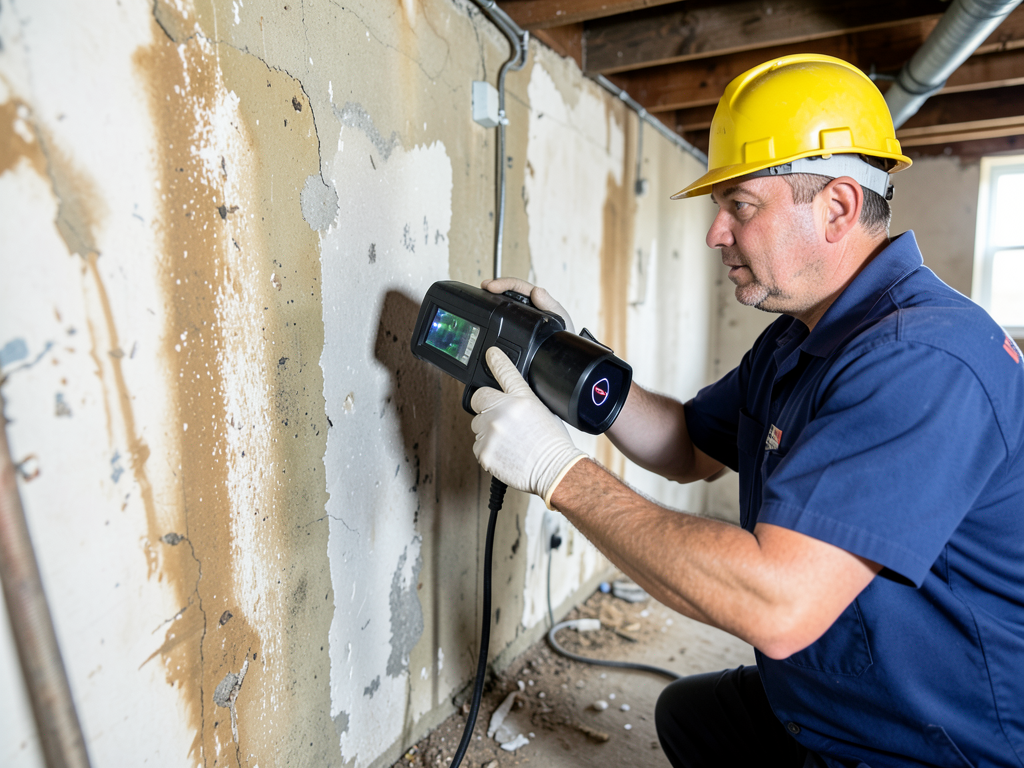
Thermal imaging reveals these hidden moisture pockets. Infrared cameras detect temperature differences caused by water retention. A wall that feels dry to touch may show blue or purple on thermal scans, indicating moisture levels above 15 percent.
The psychrometric process requires controlling temperature, humidity, and air movement simultaneously. Professional drying equipment creates conditions where moisture moves from wet materials into the air, then removes that moisture from the building. This process requires specialized knowledge of material science and local climate conditions.
Why Shively’s climate makes DIY drying nearly impossible
Shively sits in the Ohio River Valley where humidity levels often exceed 70 percent. This moisture-laden air cannot absorb water from wet basement materials. When you open windows during humid conditions, you actually slow the drying process.. Read more about Removing river silt and mud from Portland properties after the Ohio River recedes.
Louisville’s seasonal weather patterns create additional challenges. Spring thunderstorms bring heavy rainfall that saturates the ground. Summer heat increases evaporation but also raises indoor humidity. Winter freeze-thaw cycles cause foundation cracks that allow water intrusion. The most reliable storm damage repair team for Fern Creek and Highview residents.
The Metropolitan Sewer District’s combined sewer system in older Shively neighborhoods creates backup risks during heavy rains. When storm drains overflow, water enters basements through floor drains and foundation seams. This contaminated water requires specialized cleaning and disinfection beyond simple drying.
Shively’s historic homes built before 1980 often have uninsulated concrete block foundations. These materials absorb and retain moisture longer than modern poured concrete. The mortar joints between blocks create additional pathways for water migration.
Professional equipment that actually removes moisture
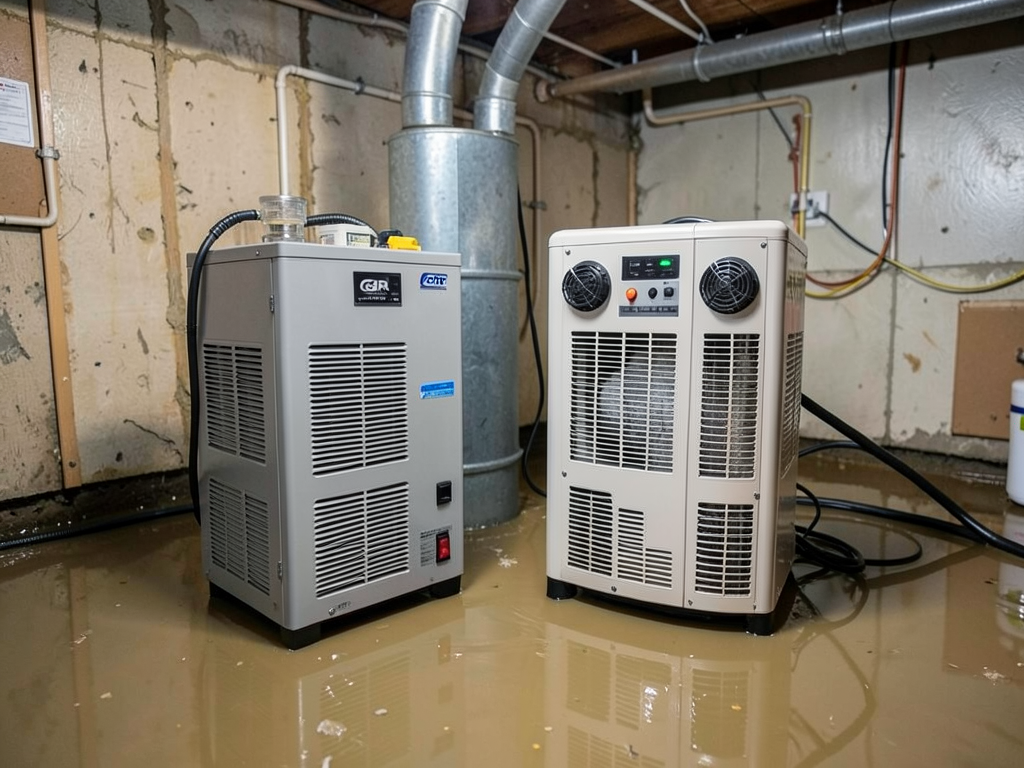
Low Grain Refrigerant (LGR) dehumidifiers extract 20-30 gallons of water per day from the air. These machines cool air below its dew point, causing water vapor to condense into liquid. The dry air then circulates back through wet materials, pulling out more moisture.
High-velocity axial air movers create focused air streams that penetrate wall cavities and under flooring. Unlike household fans that move air randomly, these machines direct airflow along specific paths to maximize moisture removal from building materials. Finding the best mold removal experts in the Highlands and how they protect historic homes.
HEPA air scrubbers filter mold spores and other contaminants from the air during the drying process. This prevents cross-contamination to unaffected areas of your home. The scrubbers also help control odors from wet materials and microbial growth.
Moisture meters and thermo-hygrometers provide real-time data on material moisture content and relative humidity. Technicians use these tools to determine when materials have reached their dry standard, which varies by material type and location.. Read more about Why a standard hardware store dehumidifier won’t fix a damp Hillview crawl space.
The structural drying process step by step
Initial assessment begins with moisture mapping using penetrating and non-penetrating meters. Technicians test all affected materials to determine the extent of water migration. This mapping guides equipment placement and drying strategy.
Water extraction removes standing water and saturates materials. Professional extraction equipment removes water 500 times faster than shop vacuums. This step prevents further absorption into materials and reduces overall drying time.
Demolition of damaged materials follows industry guidelines. Technicians remove only materials that cannot be restored economically or safely. This includes wet insulation, damaged drywall, and compromised flooring that harbors moisture.
Equipment setup places dehumidifiers, air movers, and air scrubbers strategically based on moisture mapping results. The configuration creates optimal airflow patterns for each unique situation. Equipment placement changes as materials dry and moisture levels change.
Daily monitoring tracks progress using moisture meters and psychrometric readings. Technicians adjust equipment placement and settings based on data. This ensures efficient drying and prevents over-drying that can damage materials.
Final documentation provides proof of completion for insurance purposes. Moisture readings confirm all materials have reached their dry standard. This documentation protects homeowners from future mold claims and structural issues.
Health risks of incomplete basement drying
Mold begins growing within 24-48 hours of water exposure. Shively’s humid climate accelerates this process. Common molds in Louisville basements include Aspergillus, Penicillium, and Stachybotrys (black mold). These organisms release spores that cause respiratory issues, allergic reactions, and other health problems.
Category 3 water from sewage backups or river flooding carries bacteria, viruses, and parasites. These pathogens survive in damp materials long after visible water disappears. Professional disinfection eliminates these health hazards. Fast response flood cleanup services near Hikes Point and the Highlands.
Structural damage develops gradually when moisture remains in building materials. Wood rot weakens floor joists and wall studs. Metal fasteners corrode. Concrete spalls and cracks worsen. These issues compromise your home’s structural integrity.
Indoor air quality deteriorates when damp materials support microbial growth. Musty odors indicate active mold colonies. Some molds produce mycotoxins that cause neurological symptoms and immune system suppression.
Insurance requirements for structural drying claims
Most homeowners insurance policies require professional restoration for water damage claims. Insurance companies expect documentation following IICRC S500 standards. This includes moisture mapping, daily monitoring logs, and final certification of completion.
Delayed response to water damage often voids coverage. Insurance policies typically require mitigation within 24-48 hours to prevent secondary damage. DIY attempts that fail to prevent mold growth may result in denied claims.
Professional restoration companies work directly with insurance adjusters. They provide the documentation and photos needed for claim approval. This eliminates the hassle of homeowners negotiating with insurance companies during a stressful time.
Some policies exclude flood damage from external sources. However, they often cover plumbing failures, appliance malfunctions, and sewer backups. Professional assessment determines coverage eligibility and helps maximize claim benefits.
Cost factors for professional structural drying
Drying costs depend on water category, affected area size, and material types. Clean water from broken pipes costs less to remediate than contaminated water from sewage backups. The more materials affected, the longer drying takes and the higher the cost.
Shively’s older homes often have multiple layers of flooring, plaster walls, and finished basements. These features increase drying complexity and time. Professional assessment provides accurate cost estimates based on specific conditions.
Insurance typically covers sudden water damage from covered perils. However, they may deny claims for long-term moisture problems or maintenance-related issues. Professional documentation proves the damage was sudden and accidental.
Preventative measures like sump pump installation or foundation waterproofing cost more upfront but prevent expensive water damage repairs. Many Shively homeowners find these investments worthwhile given the area’s high water table.
Comparing DIY vs professional structural drying
| Factor | DIY Approach | Professional Service |
|---|---|---|
| Equipment | Household fans, dehumidifiers | LGR dehumidifiers, air movers, HEPA scrubbers |
| Moisture Detection | Visual inspection only | Thermal imaging, moisture meters |
| Completion Verification | Guesswork | Documented dry standard achievement |
| Insurance Documentation | Limited or none | Complete IICRC-compliant records |
| Health Protection | Minimal | Containment, HEPA filtration |
| Success Rate | Low for deep moisture | High when properly executed |
Warning signs you need professional help immediately
Water that has been standing more than 24 hours requires professional attention. The risk of mold growth and structural damage increases significantly after this timeframe. Quick action prevents expensive secondary damage.. Read more about Keeping your pets safe from mold and bacteria after a Louisville basement leak.
Contaminated water from sewage, river flooding, or appliance overflows contains harmful pathogens. This water category requires specialized cleaning and disinfection beyond normal drying procedures.
Water that has wicked up walls or through flooring indicates deep moisture penetration. The moisture travels beyond visible water lines, requiring professional detection and removal equipment.
Musty odors or visible mold growth signals active microbial contamination. These conditions require containment and specialized remediation to prevent spread throughout your home.
Structural concerns like sagging ceilings, buckling floors, or cracking walls indicate water has compromised building integrity. These situations require immediate professional assessment to prevent collapse.
Preventing future basement water problems
Proper grading directs water away from your foundation. The ground should slope at least six inches within the first ten feet from your home. This prevents water from pooling against basement walls.
Gutter maintenance keeps roof water flowing properly. Clean gutters and downspouts prevent overflow that saturates foundation soil. Downspout extensions carry water at least five feet from your foundation.
Sump pump maintenance ensures reliable operation during heavy rains. Test your pump monthly by pouring water into the pit. Replace pumps every 5-7 years as they wear out. Consider battery backup systems for power outage protection.
Foundation crack repair prevents water intrusion through concrete. Small cracks expand over time as water freezes and thaws. Professional sealing with epoxy or polyurethane prevents moisture migration.
Interior drainage systems collect water before it enters your basement. French drains and perimeter systems channel water to sump pumps. These systems work continuously to protect your basement from groundwater pressure.
Frequently Asked Questions
How long does professional structural drying take?
Most residential projects take 3-5 days depending on water category, material types, and drying conditions. Clean water in unfinished basements dries faster than contaminated water in finished spaces with multiple material layers.
Will my insurance cover professional drying services?
Most homeowners policies cover sudden water damage from covered perils. Coverage depends on your specific policy and the water source. Professional assessment helps determine coverage eligibility and provides required documentation.
Can I stay in my home during the drying process?
Many homeowners remain in their homes during drying. However, the equipment generates noise and may limit access to affected areas. Category 3 water situations often require temporary relocation due to health hazards.
How do I know when my basement is truly dry?
Professional technicians use moisture meters to verify materials have reached their dry standard. This varies by material type. Wood typically needs to reach 12-16% moisture content while concrete should be below 4000 ppm.
What’s the difference between drying and dehumidification?
Drying removes moisture from materials while dehumidification removes moisture from air. Both processes work together in structural drying. Dehumidifiers create conditions that allow moisture to evaporate from wet materials.
Call (502) 370-2711 today to schedule your inspection
Water damage worsens by the hour. Every minute standing water remains in your Shively basement increases the risk of mold growth, structural damage, and expensive repairs. Professional assessment identifies hidden moisture that DIY methods miss.
Our certified technicians arrive within 60 minutes of your call. We provide free moisture inspections and detailed drying plans. Our equipment and expertise follow IICRC S500 standards to ensure complete moisture removal and prevent future problems.
Don’t wait until you smell musty odors or see mold growth. By then, the damage has already begun. Call (502) 370-2711 now to protect your home and your family’s health. We serve Shively and all surrounding Louisville communities with 24/7 emergency response.
Pick up the phone and call (502) 370-2711 before the next storm hits. Professional structural drying prevents the costly mistakes that homeowners make when they rely on fans and open windows alone.
You may also find this helpful. Why your house still smells musty after the water is gone and how to fix it.
{
“@context”: “https://schema.org”,
“@type”: “BlogPosting”,
“headline”: “Why fans and open windows aren’t enough to dry out a Shively basement”,
“description”: “Discover why DIY drying fails in Shively basements and how professional structural drying using IICRC S500 standards prevents mold and long-term damage.”,
“wordCount”: 2018,
“datePublished”: “2026-05-12T07:35:00.000Z”,
“dateModified”: “2026-05-12T07:35:00.000Z”,
“inLanguage”: “en-US”,
“mainEntityOfPage”: {
“@type”: “WebPage”,
“@id”: “https://elitewaterdamagerestorationlouisville.com”
},
“publisher”: {
“@type”: “LocalBusiness”,
“name”: “Elite Water Damage Restoration Louisville”,
“url”: “https://elitewaterdamagerestorationlouisville.com”
},
“author”: {
“@type”: “Organization”,
“name”: “Elite Water Damage Restoration Louisville”,
“url”: “https://elitewaterdamagerestorationlouisville.com”
},
“image”: {
“@type”: “ImageObject”,
“url”: “https://elitewaterdamagerestorationlouisville.com/wp-content/uploads/2026/03/why-fans-and-open-windows-aren-t-enough-to-dry-out-1.png”
}
}
{
“@context”: “https://schema.org”,
“@type”: “LocalBusiness”,
“name”: “Elite Water Damage Restoration Louisville”,
“url”: “https://elitewaterdamagerestorationlouisville.com”,
“address”: {
“@type”: “PostalAddress”,
“addressLocality”: “Louisville”
},
“areaServed”: {
“@type”: “City”,
“name”: “Louisville”
}
}
{
“@context”: “https://schema.org”,
“@type”: “FAQPage”,
“mainEntity”: [
{
“@type”: “Question”,
“name”: “How long does professional structural drying take?”,
“acceptedAnswer”: {
“@type”: “Answer”,
“text”: “Most residential projects take 3-5 days depending on water category, material types, and drying conditions. Clean water in unfinished basements dries faster than contaminated water in finished spaces with multiple material layers.”
}
},
{
“@type”: “Question”,
“name”: “Will my insurance cover professional drying services?”,
“acceptedAnswer”: {
“@type”: “Answer”,
“text”: “Most homeowners policies cover sudden water damage from covered perils. Coverage depends on your specific policy and the water source. Professional assessment helps determine coverage eligibility and provides required documentation.”
}
},
{
“@type”: “Question”,
“name”: “Can I stay in my home during the drying process?”,
“acceptedAnswer”: {
“@type”: “Answer”,
“text”: “Many homeowners remain in their homes during drying. However, the equipment generates noise and may limit access to affected areas. Category 3 water situations often require temporary relocation due to health hazards.”
}
},
{
“@type”: “Question”,
“name”: “How do I know when my basement is truly dry?”,
“acceptedAnswer”: {
“@type”: “Answer”,
“text”: “Professional technicians use moisture meters to verify materials have reached their dry standard. This varies by material type. Wood typically needs to reach 12-16% moisture content while concrete should be below 4000 ppm.”
}
},
{
“@type”: “Question”,
“name”: “What’s the difference between drying and dehumidification?”,
“acceptedAnswer”: {
“@type”: “Answer”,
“text”: “Drying removes moisture from materials while dehumidification removes moisture from air. Both processes work together in structural drying. Dehumidifiers create conditions that allow moisture to evaporate from wet materials.”
}
}
]
}
{
“@context”: “https://schema.org”,
“@type”: “BreadcrumbList”,
“itemListElement”: [
{
“@type”: “ListItem”,
“position”: 1,
“name”: “Home”,
“item”: “https://elitewaterdamagerestorationlouisville.com”
},
{
“@type”: “ListItem”,
“position”: 2,
“name”: “Blog”,
“item”: “https://elitewaterdamagerestorationlouisville.com/blog”
},
{
“@type”: “ListItem”,
“position”: 3,
“name”: “Why fans and open windows aren’t enough to dry out a Shively basement”
}
]
}
{
“@context”: “https://schema.org”,
“@type”: “Service”,
“serviceType”: “Water Damage Restoration”,
“provider”: {
“@type”: “LocalBusiness”,
“name”: “Elite Water Damage Restoration Louisville”,
“url”: “https://elitewaterdamagerestorationlouisville.com”
},
“areaServed”: {
“@type”: “City”,
“name”: “Louisville”
},
“description”: “Discover why DIY drying fails in Shively basements and how professional structural drying using IICRC S500 standards prevents mold and long-term damage.”
}