Salvaging antique furniture after a pipe burst in Cherokee Triangle
When a pipe bursts in your Cherokee Triangle home, the water doesn’t just soak your floors—it threatens the very heart of your living space: your antique furniture. These pieces often carry both sentimental and monetary value that far exceeds their purchase price. The humid Ohio River Valley climate already challenges wood furniture, and a sudden water intrusion can cause irreversible damage within hours.
The good news is that many water-damaged antiques can be saved with proper intervention. The key lies in understanding the science of wood moisture content, acting within the first 24-48 hours, and using the right restoration techniques. Cherokee Triangle homes, with their historic architecture and often aging plumbing systems, face unique risks from pipe failures that require specialized knowledge to address effectively.
Understanding water damage to antique furniture
Antique furniture reacts to water differently than modern pieces. Solid hardwoods like mahogany, oak, and walnut are hygroscopic—they absorb and release moisture based on their environment. When exposed to water, wood fibers swell, joints loosen, and finishes can develop white spots or clouding. Veneered pieces face additional risks as water can cause the thin decorative layers to delaminate from the substrate.
The severity of damage depends on the water category. Clean water from a supply line break causes less immediate harm than gray water from appliances or black water from sewage backups. Cherokee Triangle’s proximity to Beargrass Creek means some homes sit in areas with higher water tables, making them more vulnerable to basement flooding that can affect stored antiques. Professional Sewage Backup Cleaning and Sanitization in Jeffersontown.
Emergency first aid for water-damaged antiques
Time is your enemy. Within the first 24 hours, you can significantly reduce permanent damage by taking these steps:
- Remove standing water
Use clean, absorbent cloths to blot—never wipe—surface moisture. Wiping can drive water deeper into joints and crevices.
- Elevate and separate
Place furniture on blocks or plastic to prevent further moisture absorption from wet floors. Separate stacked pieces to allow air circulation. EPA mold remediation guidelines.
- Control the environment
Increase air circulation with fans, but avoid direct airflow on wet surfaces which can cause uneven drying and warping.
- Document everything
Take photos of all damaged pieces before moving them. This documentation is crucial for insurance claims.
Never use heat sources like hair dryers or space heaters on wet antiques. Rapid drying causes more damage than controlled moisture removal. The goal is to stabilize the piece at 6-8% moisture content—the equilibrium level for most Louisville homes. Finding the best mold removal experts in the Highlands and how they protect historic homes.
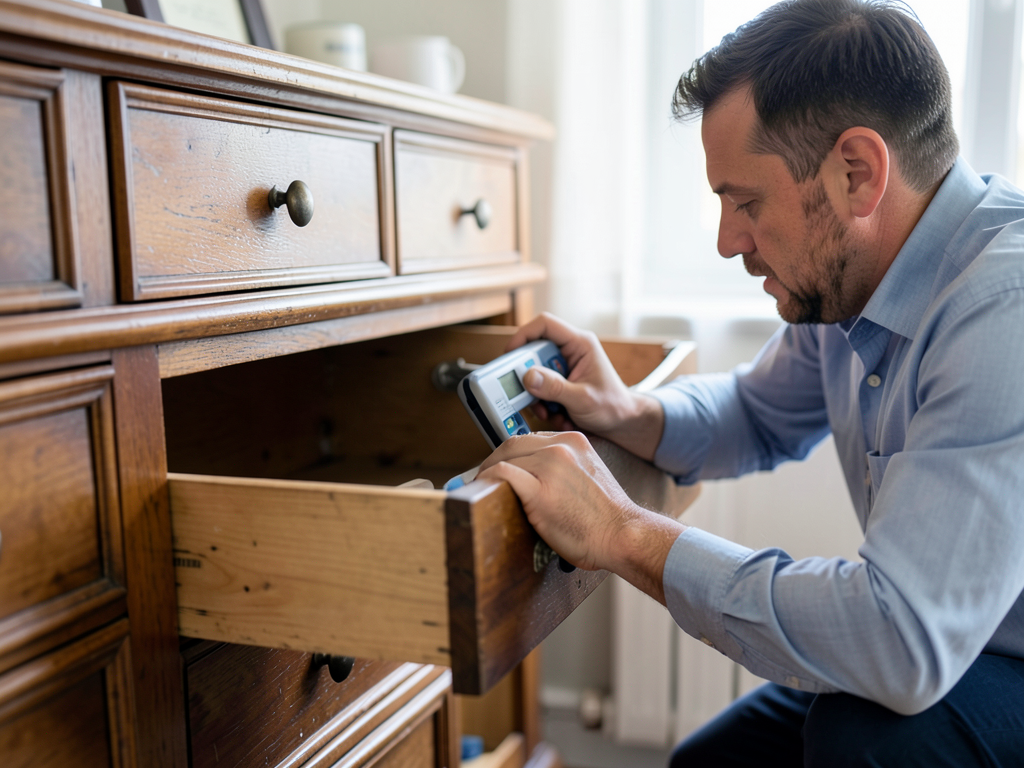
Technician using moisture meter on antique dresser drawer joints to assess water penetration depth
Our specialized restoration process for antique furniture
Professional restoration goes far beyond surface drying. Our process follows IICRC S500 standards for contents restoration, adapted specifically for antique materials: IICRC S500 water damage restoration standard.
Moisture mapping and assessment
We use penetrating and non-penetrating moisture meters to create a map of water migration through the piece. This reveals hidden damage in drawer bottoms, panel undersides, and joint areas that visual inspection misses.
Controlled drying chambers
Instead of open-air drying, we create micro-environments using commercial dehumidifiers and air movers. This allows us to reduce moisture content by 1-2% per day—fast enough to prevent mold but slow enough to minimize stress on antique joints.
Antimicrobial treatment
Within 48-72 hours, mold spores begin colonizing damp wood surfaces. We apply EPA-registered antimicrobials specifically formulated for porous materials. These treatments penetrate wood grain without damaging original finishes.
Structural stabilization
As wood dries, joints that loosened during the water event need reinforcement. We use hide glues and traditional joinery techniques that maintain the piece’s historical integrity while ensuring stability.
Finish restoration
White spots, clouding, and minor finish damage often resolve through careful cleaning and re-amalgamation. Severely damaged finishes may require French polishing or other traditional techniques.
Salvage assessment: when to restore vs. replace
Not every water-damaged antique justifies restoration. We help you make informed decisions based on these factors:
| Factor | Restore | Replace |
|---|---|---|
| Monetary value | $1,000+ | Under $500 |
| Sentimental value | Family heirloom or historical significance | Mass-produced reproduction |
| Structural integrity | Frame solid, joints repairable | Severe warping or delamination |
| Finish condition | Original finish restorable | Modern finish with extensive damage |
Cherokee Triangle’s historic homes often contain pieces from the early 1900s when craftsmanship prioritized durability. These solid wood antiques typically justify restoration even with significant damage, while newer pieces with particle board components rarely do.
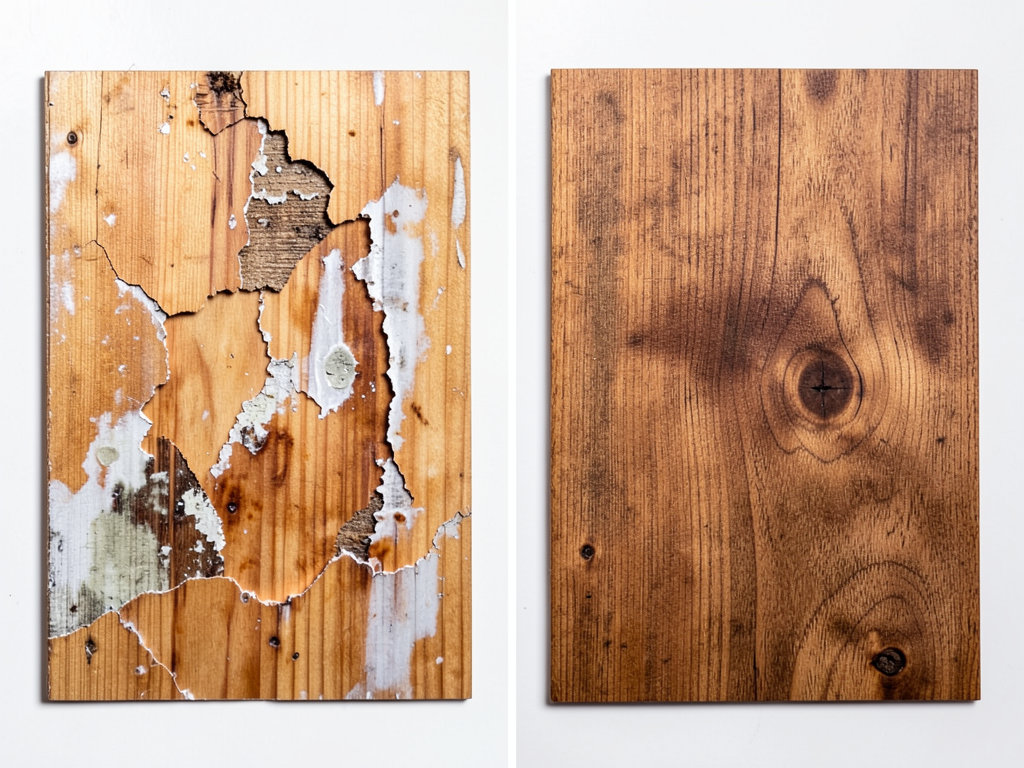
Side-by-side comparison showing water-damaged veneer separation versus solid wood that can be salvaged
Common water damage scenarios in Cherokee Triangle
Cherokee Triangle’s architectural character creates specific vulnerabilities. Many homes built between 1900-1940 used galvanized steel plumbing that corrodes from the inside out. These pipes can fail suddenly, releasing pressurized water that quickly spreads through multiple rooms.
The neighborhood’s mature tree canopy, while beautiful, contributes to another risk. Root systems can shift underground pipes, creating slow leaks that go unnoticed until significant damage occurs. Cherokee Triangle’s slightly elevated position relative to the Ohio River protects against major flooding, but localized drainage issues can still cause basement water intrusion. What to do when your St. Matthews basement floods after a heavy rain.
Winter freeze-thaw cycles in Louisville’s climate stress older plumbing systems. When temperatures fluctuate around 32°F, water in exterior wall cavities can freeze and expand, cracking pipes that then leak when thawing occurs. This seasonal pattern means Cherokee Triangle residents should be particularly vigilant during late winter months.
Mold prevention on antique furniture
Mold growth represents the most significant long-term threat to water-damaged antiques. The Kentucky climate, with humidity levels often exceeding 70% during summer months, creates ideal conditions for mold if moisture isn’t properly controlled.
Our antimicrobial protocol targets both active mold colonies and microscopic spores. We use botanical-based treatments that eliminate 99.9% of mold organisms without the harsh odors associated with traditional chemicals. These treatments are safe for use on antique finishes and won’t discolor wood.
Prevention continues after initial treatment. We recommend maintaining indoor humidity between 35-45% using dehumidifiers during humid months. This range prevents both mold growth and the wood movement that occurs with seasonal humidity swings.
Insurance considerations for antique furniture
Standard homeowners policies often limit coverage for high-value antiques. Many Cherokee Triangle residents discover too late that their $5,000 mahogany sideboard is insured for only $500 as a generic furniture item.
We work directly with insurance adjusters to document damage and restoration requirements. Our detailed reports include:
- Pre-damage photographs and appraisals when available
- Moisture mapping documentation
- Itemized restoration estimates
- Progress photos during the restoration process
For pieces with documented provenance or recent appraisals, we can often secure full replacement value rather than depreciated value. This distinction can mean thousands of dollars in additional recovery for valuable antiques.
Why choose local Cherokee Triangle expertise
Water damage restoration isn’t just about equipment—it’s about understanding local conditions. Our team knows Cherokee Triangle’s specific challenges: the age of homes in different sections, common plumbing configurations, and how the neighborhood’s topography affects water movement during heavy rains.
We maintain a response time under 60 minutes for Cherokee Triangle addresses. This speed is critical because water continues damaging furniture exponentially after the first hour. Our technicians live in Louisville and understand the urgency of protecting your home and belongings. Fast response flood cleanup services near Hikes Point and the Highlands.
Our facility includes specialized furniture restoration areas with controlled humidity environments. Unlike general contractors who might store wet furniture in a warehouse, we maintain conditions specifically designed for antique preservation.
Frequently Asked Questions
How long does furniture restoration take?
Most water-damaged antiques require 5-10 days for complete restoration. This includes 2-3 days for controlled drying, 1-2 days for antimicrobial treatment, and 2-3 days for structural repairs and finish work. Severe cases may take up to 3 weeks.
Can smoke-damaged furniture be restored?
Yes. Smoke damage requires different techniques than water damage but is often restorable. We use ozone treatment and specialized cleaning agents to remove smoke odor and residue without damaging antique finishes.
What if I can’t afford full restoration?
We offer stabilization services that prevent further damage at a lower cost. This includes moisture removal and antimicrobial treatment, buying you time to decide on complete restoration or replacement.
Should I try to restore it myself?
DIY restoration often causes more harm than good. Common mistakes include using heat for drying, applying incorrect cleaning products, and failing to address hidden moisture in joints and panels. Professional restoration typically costs less than replacing a ruined antique.
Technician applying antimicrobial treatment to water-damaged antique chair joints using specialized equipment
Protecting your antiques from future water damage
Prevention costs far less than restoration. Consider these measures for your Cherokee Triangle home:
- Install water leak detectors near antique furniture and in high-risk areas
- Replace galvanized plumbing in homes built before 1960
- Maintain your water heater and washing machine supply lines
- Know the location of your main water shutoff valve
We offer free plumbing assessments for antique furniture owners in Cherokee Triangle. During these visits, we identify potential water risks and recommend specific prevention strategies for your home’s configuration.
Act now to save your antiques
Every hour water sits on your antique furniture increases restoration costs and decreases success rates. The wood continues swelling, joints continue loosening, and mold begins colonizing within 48-72 hours.
Our emergency response team is standing by 24/7 for Cherokee Triangle residents. We arrive with the equipment and expertise to begin stabilization within an hour of your call.
Don’t let a burst pipe destroy your family heirlooms. Call (502) 370-2711 today to schedule your inspection. Our certified technicians will assess the damage, provide a clear restoration plan, and begin saving your antiques immediately.
Pick up the phone and call (502) 370-2711 before the next storm hits. Your antiques deserve expert care, and you deserve peace of mind knowing your valuable pieces are in skilled hands. The most reliable storm damage repair team for Fern Creek and Highview residents.
You may also find this helpful. Essential tips for preventing frozen pipes in Audubon Park during Kentucky winters.
{
“@context”: “https://schema.org”,
“@type”: “BlogPosting”,
“headline”: “Salvaging antique furniture after a pipe burst in Cherokee Triangle”,
“description”: “Expert water damage restoration for antique furniture in Louisville’s Cherokee Triangle. 24/7 emergency response to save your heirlooms from moisture, mold, and warping.”,
“wordCount”: 1667,
“datePublished”: “2026-03-13T09:17:00.000Z”,
“dateModified”: “2026-03-13T09:17:00.000Z”,
“inLanguage”: “en-US”,
“mainEntityOfPage”: {
“@type”: “WebPage”,
“@id”: “https://elitewaterdamagerestorationlouisville.com”
},
“publisher”: {
“@type”: “LocalBusiness”,
“name”: “Elite Water Damage Restoration Louisville”,
“url”: “https://elitewaterdamagerestorationlouisville.com”
},
“author”: {
“@type”: “Organization”,
“name”: “Elite Water Damage Restoration Louisville”,
“url”: “https://elitewaterdamagerestorationlouisville.com”
},
“image”: {
“@type”: “ImageObject”,
“url”: “https://elitewaterdamagerestorationlouisville.com/wp-content/uploads/2026/03/salvaging-antique-furniture-after-a-pipe-burst-in-1.png”
}
}
{
“@context”: “https://schema.org”,
“@type”: “LocalBusiness”,
“name”: “Elite Water Damage Restoration Louisville”,
“url”: “https://elitewaterdamagerestorationlouisville.com”,
“address”: {
“@type”: “PostalAddress”,
“addressLocality”: “Louisville”
},
“areaServed”: {
“@type”: “City”,
“name”: “Louisville”
}
}
{
“@context”: “https://schema.org”,
“@type”: “FAQPage”,
“mainEntity”: [
{
“@type”: “Question”,
“name”: “How long does furniture restoration take?”,
“acceptedAnswer”: {
“@type”: “Answer”,
“text”: “Most water-damaged antiques require 5-10 days for complete restoration. This includes 2-3 days for controlled drying, 1-2 days for antimicrobial treatment, and 2-3 days for structural repairs and finish work. Severe cases may take up to 3 weeks.”
}
},
{
“@type”: “Question”,
“name”: “Can smoke-damaged furniture be restored?”,
“acceptedAnswer”: {
“@type”: “Answer”,
“text”: “Yes. Smoke damage requires different techniques than water damage but is often restorable. We use ozone treatment and specialized cleaning agents to remove smoke odor and residue without damaging antique finishes.”
}
},
{
“@type”: “Question”,
“name”: “What if I can’t afford full restoration?”,
“acceptedAnswer”: {
“@type”: “Answer”,
“text”: “We offer stabilization services that prevent further damage at a lower cost. This includes moisture removal and antimicrobial treatment, buying you time to decide on complete restoration or replacement.”
}
},
{
“@type”: “Question”,
“name”: “Should I try to restore it myself?”,
“acceptedAnswer”: {
“@type”: “Answer”,
“text”: “DIY restoration often causes more harm than good. Common mistakes include using heat for drying, applying incorrect cleaning products, and failing to address hidden moisture in joints and panels. Professional restoration typically costs less than replacing a ruined antique.”
}
}
]
}
{
“@context”: “https://schema.org”,
“@type”: “HowTo”,
“name”: “Emergency Antique Furniture First Aid”,
“step”: [
{
“@type”: “HowToStep”,
“position”: 1,
“name”: “Remove standing water”,
“text”: “Use clean, absorbent cloths to blot—never wipe—surface moisture. Wiping can drive water deeper into joints and crevices.”
},
{
“@type”: “HowToStep”,
“position”: 2,
“name”: “Elevate and separate”,
“text”: “Place furniture on blocks or plastic to prevent further moisture absorption from wet floors. Separate stacked pieces to allow air circulation. EPA mold remediation guidelines.”
},
{
“@type”: “HowToStep”,
“position”: 3,
“name”: “Control the environment”,
“text”: “Increase air circulation with fans, but avoid direct airflow on wet surfaces which can cause uneven drying and warping.”
},
{
“@type”: “HowToStep”,
“position”: 4,
“name”: “Document everything”,
“text”: “Take photos of all damaged pieces before moving them. This documentation is crucial for insurance claims.”
}
],
“image”: “https://elitewaterdamagerestorationlouisville.com/wp-content/uploads/2026/03/salvaging-antique-furniture-after-a-pipe-burst-in-1.png”
}
{
“@context”: “https://schema.org”,
“@type”: “BreadcrumbList”,
“itemListElement”: [
{
“@type”: “ListItem”,
“position”: 1,
“name”: “Home”,
“item”: “https://elitewaterdamagerestorationlouisville.com”
},
{
“@type”: “ListItem”,
“position”: 2,
“name”: “Blog”,
“item”: “https://elitewaterdamagerestorationlouisville.com/blog”
},
{
“@type”: “ListItem”,
“position”: 3,
“name”: “Salvaging antique furniture after a pipe burst in Cherokee Triangle”
}
]
}
{
“@context”: “https://schema.org”,
“@type”: “Service”,
“serviceType”: “Water Damage Restoration”,
“provider”: {
“@type”: “LocalBusiness”,
“name”: “Elite Water Damage Restoration Louisville”,
“url”: “https://elitewaterdamagerestorationlouisville.com”
},
“areaServed”: {
“@type”: “City”,
“name”: “Louisville”
},
“description”: “Expert water damage restoration for antique furniture in Louisville’s Cherokee Triangle. 24/7 emergency response to save your heirlooms from moisture, mold, and warping.”
}