Managing Water Damage in a Commercial Warehouse Near Bluegrass Industrial Park
Water damage in a commercial warehouse creates immediate operational threats. Standing water destroys inventory, damages equipment, and compromises structural integrity. The Bluegrass Industrial Park area faces unique challenges due to its proximity to the Ohio River floodplain and the heavy clay soil common throughout Louisville’s industrial zones. Fast response flood cleanup services near Hikes Point and the Highlands.
When water intrusion occurs, every hour increases restoration costs. Commercial properties require specialized equipment and rapid response protocols that residential services cannot provide. The right restoration team understands industrial HVAC systems, warehouse racking configurations, and the critical need to minimize business interruption.
Understanding Commercial Warehouse Water Damage Categories
Commercial water damage falls into three categories based on contamination levels. Category 1 involves clean water from broken supply lines or rainwater intrusion. Category 2 includes gray water from washing machine overflows or roof leaks with some contamination. Category 3 represents black water from sewage backups, river flooding, or standing water that has supported microbial growth. Professional Sewage Backup Cleaning and Sanitization in Jeffersontown.
The Bluegrass Industrial Park area often experiences Category 3 scenarios due to its location within the Ohio River floodplain. When the river overtops its banks or heavy rainfall overwhelms municipal drainage systems, warehouses face contamination from river water mixed with road debris, chemicals, and biological hazards.
Common Water Damage Sources in Louisville Warehouses
Sprinkler system failures represent the leading cause of commercial water damage in Louisville warehouses. The city’s building code requires specific sprinkler head spacing and water pressure levels for industrial facilities. When these systems malfunction due to freezing temperatures or corrosion, thousands of gallons can flood a facility within minutes. Sump Pump Failure Cleanup.
Roof leaks during severe thunderstorms create another major threat. Louisville’s climate produces intense rainfall events that overwhelm aging roof membranes. The heavy clay soil around Bluegrass Industrial Park causes foundation settling, which creates stress points in roof structures that eventually fail. The most reliable storm damage repair team for Fern Creek and Highview residents.
Pipe bursts from freeze-thaw cycles affect warehouses with minimal insulation. Louisville experiences temperature swings that cause copper and PVC pipes to expand and contract. When water freezes inside pipes, the expansion force can exceed 2,000 pounds per square inch, rupturing even schedule 40 steel piping.
Emergency Response Timeline for Commercial Properties
Commercial water damage requires immediate action within the first 24 hours. The first four hours determine whether materials can be salvaged or must be replaced. During this window, water continues to wick into drywall, warp wood framing, and create conditions for mold growth.
Within the first hour, shut off the water source if possible. Locate the main water valve, typically near the building’s electrical panel or in a mechanical room. Document the damage with photographs before moving any items, as this evidence supports insurance claims.
Hours two through four involve water extraction using commercial-grade pumps and truck-mounted extraction units. Standard shop vacs cannot handle the volume of water in a warehouse setting. Professional equipment removes water at rates exceeding 100 gallons per minute.
Hours five through twelve focus on structural drying. Industrial dehumidifiers capable of removing 20-30 gallons of moisture daily work alongside high-velocity air movers. The goal is reducing moisture content in materials below 15% within 72 hours to prevent mold colonization.
Commercial-Grade Equipment for Warehouse Restoration
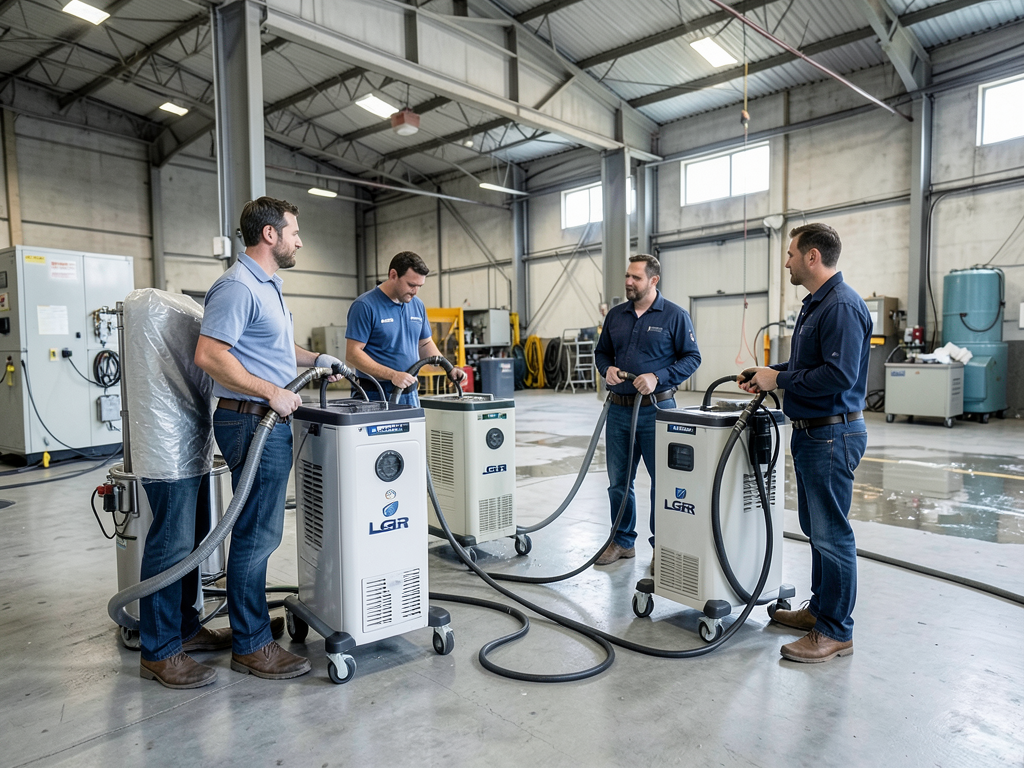
Warehouse water damage requires equipment that residential services cannot provide. Low-grain refrigerant (LGR) dehumidifiers operate at temperatures as low as 33°F, making them effective in unheated warehouse spaces. These units extract moisture more efficiently than standard refrigerant dehumidifiers, removing up to 25 gallons daily in cold conditions.
Desiccant dehumidifiers handle extreme moisture loads in large open spaces. These units use silica gel to absorb water vapor and can process 500+ cubic feet of air per minute. For a 50,000 square foot warehouse, multiple desiccant units work in tandem to prevent secondary damage.
Air movers create directional airflow across wet surfaces. Professional restoration uses axial fans that move 3,000+ cubic feet per minute, compared to standard fans moving 1,500 cubic feet per minute. The increased airflow accelerates evaporation from concrete floors, wooden pallets, and cardboard inventory.
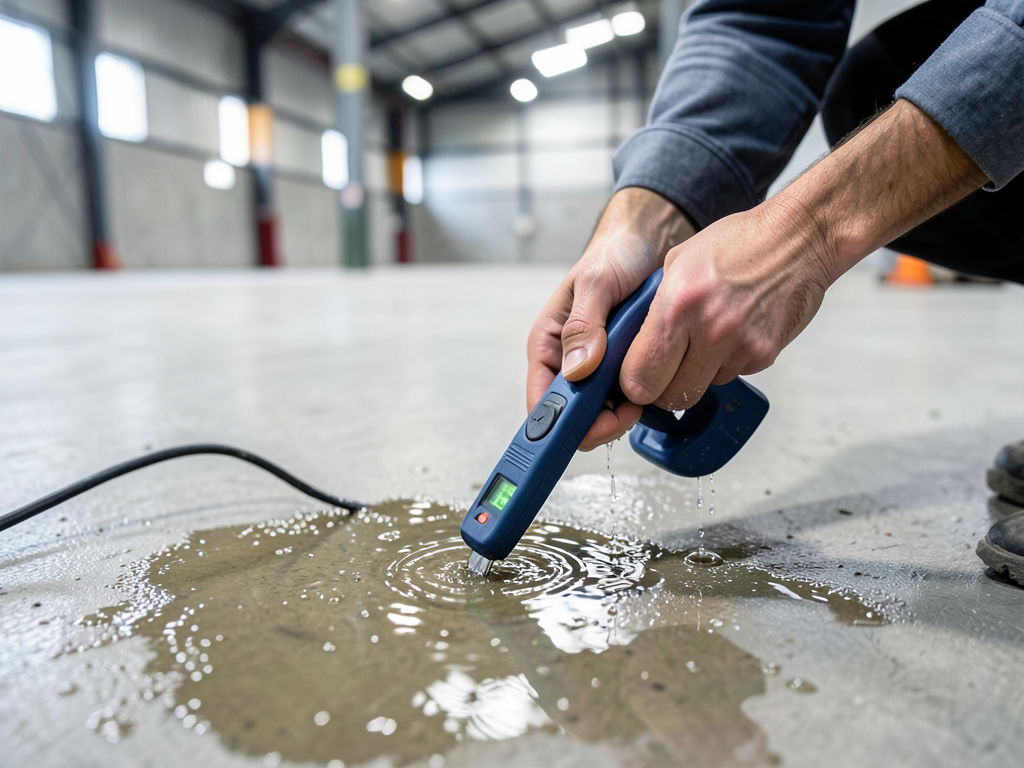
Moisture meters with penetrating probes measure moisture content in materials beyond surface level. These devices use electrical resistance or capacitance to detect moisture in concrete slabs, wood framing, and drywall. Readings above 15% indicate active drying is required.
Structural Drying Protocols for Industrial Buildings
Warehouse structures require different drying approaches than residential buildings. Concrete floors in industrial settings often contain moisture barriers that trap water underneath. Standard drying methods cannot reach this encapsulated moisture without specialized equipment.
Heat drying systems raise material temperatures to accelerate evaporation. These units maintain surface temperatures between 85-105°F, which increases the vapor pressure differential and speeds moisture removal. Heat drying reduces drying time by 40-60% compared to ambient temperature methods. Finding the best mold removal experts in the Highlands and how they protect historic homes.
Injection drying forces dry air into wall cavities, under flooring, and behind equipment. This method uses specialized hoses to deliver 120°F air at pressures up to 2.5 inches of water column. Injection drying prevents demolition of walls and equipment relocation in many cases.
Concrete moisture testing follows ASTM F2170 standards. This test requires drilling holes into concrete slabs, inserting relative humidity probes, and waiting 72 hours for equilibrium readings. Moisture content above 75% relative humidity indicates active drying is needed before installing new flooring or equipment.
Insurance and Documentation Requirements
Commercial insurance policies contain specific provisions for water damage restoration. Most policies cover sudden and accidental water damage but exclude flooding from external sources. The National Flood Insurance Program provides separate coverage for properties in designated flood zones. National Flood Insurance Program.
Documentation requirements include daily moisture readings, equipment logs, and photographic evidence. Insurance adjusters expect IICRC S500 compliant documentation showing the category of water, extent of damage, and restoration methods used. Missing documentation can result in claim denials or reduced payments. IICRC S500 Standards.
Business interruption coverage compensates for lost revenue during restoration. This coverage requires proof of revenue loss through tax returns, profit and loss statements, and customer records. The restoration timeline directly impacts business interruption claims, making rapid response critical.
Third-party testing verifies restoration completion. Indoor air quality testing confirms mold spore levels return to normal background levels. Surface sampling ensures bacterial contamination from Category 3 water meets health department standards before reopening.
Preventing Future Water Damage in Warehouses
Preventive maintenance reduces water damage risk by 60-80% according to industry studies. Annual roof inspections identify membrane deterioration before leaks occur. Thermal imaging detects moisture intrusion in walls and ceilings before visible damage appears.
Plumbing system inspections check for corrosion, joint failures, and pressure issues. Louisville’s water chemistry creates specific challenges for warehouse plumbing. The city’s water contains moderate hardness levels that contribute to scale buildup in pipes and water heaters.. Read more about How to safely check your electronics for water damage after a Lynnview flood.
Sump pump systems require backup power and alarm systems. During power outages from storms, warehouses without battery backup or generator power face flooding from drainage systems. Water-powered backup sump pumps provide protection without electricity.
Warehouse layout affects water damage vulnerability. Storing inventory on pallets at least 6 inches above floor level provides protection from minor flooding. Critical equipment placement away from roof drains and plumbing lines reduces exposure to common failure points.
Local Building Codes and Compliance
Louisville Metro building codes require specific moisture protection measures for commercial buildings. Section 1403 of the Louisville Building Code mandates waterproof membranes for below-grade walls in areas with high water tables. The code also requires secondary containment for water heaters and HVAC units in mechanical rooms.
The Metropolitan Sewer District (MSD) regulations govern drainage and stormwater management. Warehouses near Bluegrass Industrial Park must comply with MSD’s post-construction stormwater controls, including retention basins and permeable pavement requirements.
Fire code requirements affect water damage scenarios. Sprinkler system design follows NFPA 13 standards, which specify head spacing, water supply requirements, and alarm systems. When sprinkler systems activate during a fire, the resulting water damage often exceeds the fire damage itself.
Health department regulations impact food storage and pharmaceutical warehouses. Category 3 water contamination requires specific cleaning protocols and documentation before these facilities can resume operations. The Louisville Metro Health Department conducts inspections to verify compliance.
Choosing a Commercial Restoration Partner
Commercial restoration requires different capabilities than residential services. Look for companies with specific experience in industrial settings, including warehouse racking systems, conveyor equipment, and large-scale drying operations. The restoration team must understand your business operations to minimize disruption.
24/7 emergency response capability is non-negotiable for commercial properties. Water damage does not follow business hours, and delays increase restoration costs exponentially. Response times under two hours prevent secondary damage and demonstrate operational readiness.
Commercial insurance experience streamlines the claims process. Restoration companies familiar with business interruption claims, equipment replacement values, and inventory documentation can coordinate directly with adjusters. This expertise reduces your administrative burden during a crisis.
Equipment inventory indicates restoration capacity. Companies with multiple commercial-grade dehumidifiers, air movers, and extraction units can handle simultaneous large losses. A single truck cannot adequately serve a 100,000 square foot warehouse without proper equipment staging.
Frequently Asked Questions
How quickly should I respond to warehouse water damage?
Response within the first four hours prevents most secondary damage. Water continues to spread and materials absorb moisture during this critical window. Every hour of delay increases restoration costs by approximately 10-15%.
Will my business insurance cover water damage restoration?
Most commercial property policies cover sudden and accidental water damage from plumbing failures or equipment malfunctions. Flood damage from external sources requires separate National Flood Insurance Program coverage. Review your policy or contact your insurance agent for specific coverage details.
How long does warehouse water damage restoration take?
Restoration timelines depend on damage extent, materials affected, and building size. Small incidents may require 3-5 days, while large-scale damage can take 2-4 weeks. Concrete moisture testing often extends timelines as slabs require extended drying periods.
Can I continue operating during restoration?
Limited operations may continue if unaffected areas remain isolated. However, most warehouses require temporary shutdown during water extraction and initial drying phases. Your restoration partner can help develop phased reopening plans to minimize business interruption.
What documentation do I need for insurance claims?
Insurance requires photographic evidence, moisture readings, equipment logs, and itemized damage assessments. Professional restoration companies provide daily documentation following IICRC S500 standards. This documentation supports both property damage and business interruption claims.
How can I prevent future water damage?
Preventive maintenance includes roof inspections, plumbing system checks, and sump pump testing. Install water detection systems that alert you to leaks before major damage occurs. Regular maintenance reduces water damage risk by 60-80% according to industry studies.
Take Action Now to Protect Your Warehouse
Water damage in your Bluegrass Industrial Park warehouse threatens your inventory, equipment, and business continuity. Every hour of delay increases restoration costs and extends downtime. Professional commercial restoration teams understand the urgency and have the equipment to respond immediately.
Don’t let water damage shut down your operations. Call (502) 370-2711 today for 24/7 emergency response. Our IICRC-certified technicians arrive within two hours with commercial-grade equipment to begin extraction and drying immediately. We work directly with your insurance company to streamline claims and get your warehouse back to full operation as quickly as possible.
The sooner you call, the more inventory and equipment we can save. Pick up the phone and call (502) 370-2711 before the next storm hits or the next pipe bursts. Your business depends on rapid, professional water damage restoration.
{
“@context”: “https://schema.org”,
“@type”: “BlogPosting”,
“headline”: “Managing water damage in a commercial warehouse near Bluegrass Industrial Park”,
“description”: “Emergency water damage restoration for Louisville warehouses. 24/7 service near Bluegrass Industrial Park. IICRC-certified team with commercial-grade equipment. Call (502) 370-2711.”,
“wordCount”: 1930,
“datePublished”: “2026-03-24T11:17:00.000Z”,
“dateModified”: “2026-03-24T11:17:00.000Z”,
“inLanguage”: “en-US”,
“mainEntityOfPage”: {
“@type”: “WebPage”,
“@id”: “https://elitewaterdamagerestorationlouisville.com”
},
“publisher”: {
“@type”: “LocalBusiness”,
“name”: “Elite Water Damage Restoration Louisville”,
“url”: “https://elitewaterdamagerestorationlouisville.com”
},
“author”: {
“@type”: “Organization”,
“name”: “Elite Water Damage Restoration Louisville”,
“url”: “https://elitewaterdamagerestorationlouisville.com”
},
“image”: {
“@type”: “ImageObject”,
“url”: “https://elitewaterdamagerestorationlouisville.com/wp-content/uploads/2026/03/managing-water-damage-in-a-commercial-warehouse-ne-1.png”
}
}
{
“@context”: “https://schema.org”,
“@type”: “LocalBusiness”,
“name”: “Elite Water Damage Restoration Louisville”,
“url”: “https://elitewaterdamagerestorationlouisville.com”,
“address”: {
“@type”: “PostalAddress”,
“addressLocality”: “Louisville”
},
“areaServed”: {
“@type”: “City”,
“name”: “Louisville”
}
}
{
“@context”: “https://schema.org”,
“@type”: “FAQPage”,
“mainEntity”: [
{
“@type”: “Question”,
“name”: “How quickly should I respond to warehouse water damage?”,
“acceptedAnswer”: {
“@type”: “Answer”,
“text”: “Response within the first four hours prevents most secondary damage. Water continues to spread and materials absorb moisture during this critical window. Every hour of delay increases restoration costs by approximately 10-15%.”
}
},
{
“@type”: “Question”,
“name”: “Will my business insurance cover water damage restoration?”,
“acceptedAnswer”: {
“@type”: “Answer”,
“text”: “Most commercial property policies cover sudden and accidental water damage from plumbing failures or equipment malfunctions. Flood damage from external sources requires separate National Flood Insurance Program coverage. Review your policy or contact your insurance agent for specific coverage details.”
}
},
{
“@type”: “Question”,
“name”: “How long does warehouse water damage restoration take?”,
“acceptedAnswer”: {
“@type”: “Answer”,
“text”: “Restoration timelines depend on damage extent, materials affected, and building size. Small incidents may require 3-5 days, while large-scale damage can take 2-4 weeks. Concrete moisture testing often extends timelines as slabs require extended drying periods.”
}
},
{
“@type”: “Question”,
“name”: “Can I continue operating during restoration?”,
“acceptedAnswer”: {
“@type”: “Answer”,
“text”: “Limited operations may continue if unaffected areas remain isolated. However, most warehouses require temporary shutdown during water extraction and initial drying phases. Your restoration partner can help develop phased reopening plans to minimize business interruption.”
}
},
{
“@type”: “Question”,
“name”: “What documentation do I need for insurance claims?”,
“acceptedAnswer”: {
“@type”: “Answer”,
“text”: “Insurance requires photographic evidence, moisture readings, equipment logs, and itemized damage assessments. Professional restoration companies provide daily documentation following IICRC S500 standards. This documentation supports both property damage and business interruption claims.”
}
},
{
“@type”: “Question”,
“name”: “How can I prevent future water damage?”,
“acceptedAnswer”: {
“@type”: “Answer”,
“text”: “Preventive maintenance includes roof inspections, plumbing system checks, and sump pump testing. Install water detection systems that alert you to leaks before major damage occurs. Regular maintenance reduces water damage risk by 60-80% according to industry studies.”
}
}
]
}
{
“@context”: “https://schema.org”,
“@type”: “BreadcrumbList”,
“itemListElement”: [
{
“@type”: “ListItem”,
“position”: 1,
“name”: “Home”,
“item”: “https://elitewaterdamagerestorationlouisville.com”
},
{
“@type”: “ListItem”,
“position”: 2,
“name”: “Blog”,
“item”: “https://elitewaterdamagerestorationlouisville.com/blog”
},
{
“@type”: “ListItem”,
“position”: 3,
“name”: “Managing water damage in a commercial warehouse near Bluegrass Industrial Park”
}
]
}
{
“@context”: “https://schema.org”,
“@type”: “Service”,
“serviceType”: “Water Damage Restoration”,
“provider”: {
“@type”: “LocalBusiness”,
“name”: “Elite Water Damage Restoration Louisville”,
“url”: “https://elitewaterdamagerestorationlouisville.com”
},
“areaServed”: {
“@type”: “City”,
“name”: “Louisville”
},
“description”: “Emergency water damage restoration for Louisville warehouses. 24/7 service near Bluegrass Industrial Park. IICRC-certified team with commercial-grade equipment. Call (502) 370-2711.”
}